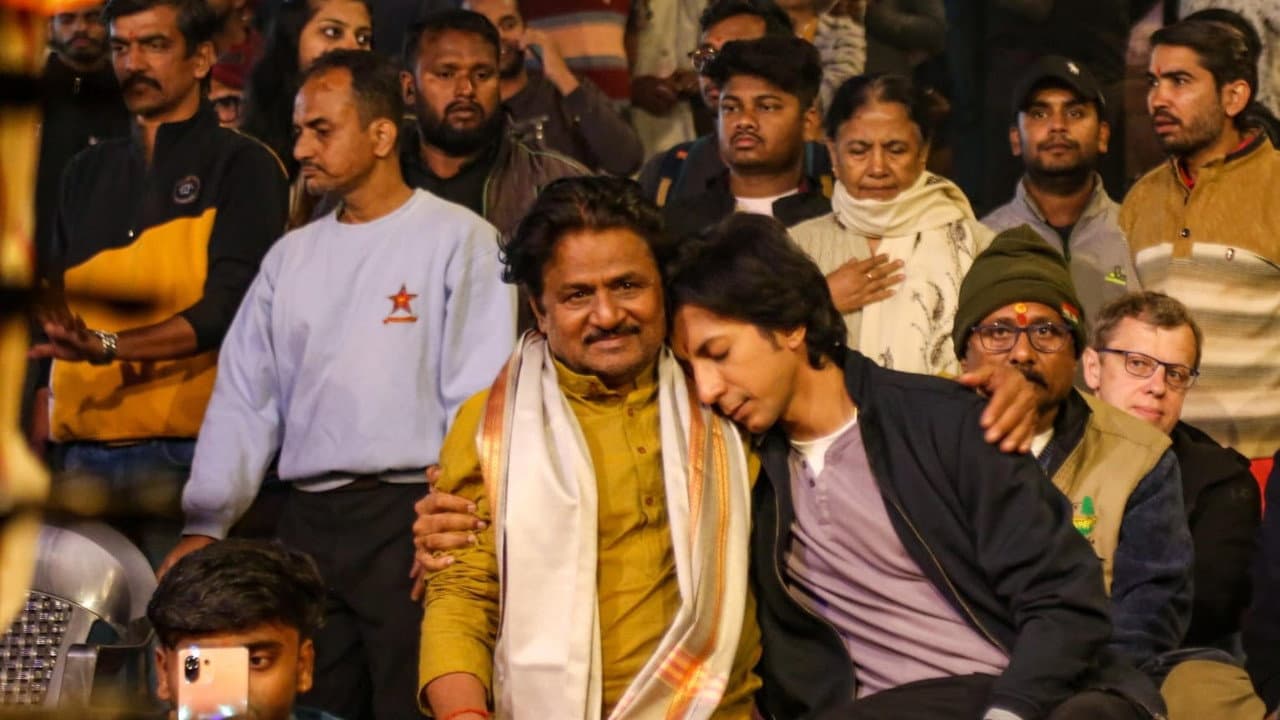
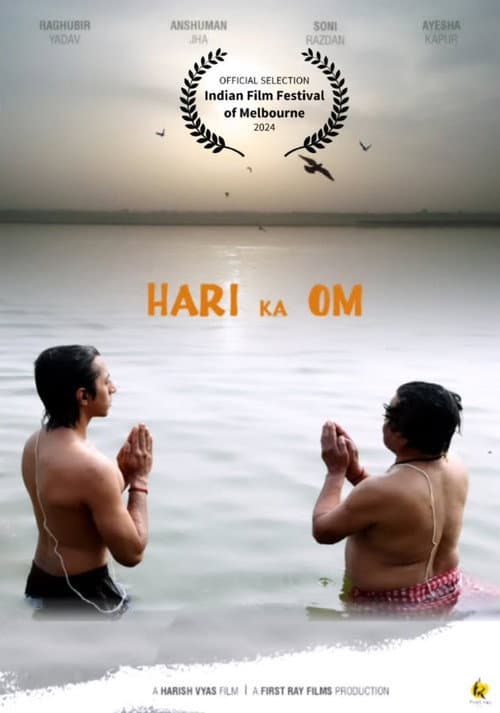
There is a moment in Harish Vyas's new film when Raghubir Yadav's Hari Prasad sits on the edge of his bed, having just been told his heart is giving out, and calmly informs his family that he has six days left to live. Not a doctor's estimate. Not a plea. A declaration. The kind an old man makes when he has decided the terms of his own exit. And then the impossible request: he wants to die in Kashi, on the ghats of Varanasi, and he wants his elder son Om to take him there.
The problem is that Om hasn't spoken to his father in years.
Hari Ka Om, which opened in theatres on September 18, is a road movie in the oldest and most literal sense. Two men, one dying and one unwilling, travel toward a city that promises salvation for one of them and something closer to reckoning for the other. Vyas, working from a premise that could easily have collapsed into sentimentality, keeps the tone dry and observational. The film runs 128 minutes, and it earns most of them by refusing to rush the thaw between its two leads.
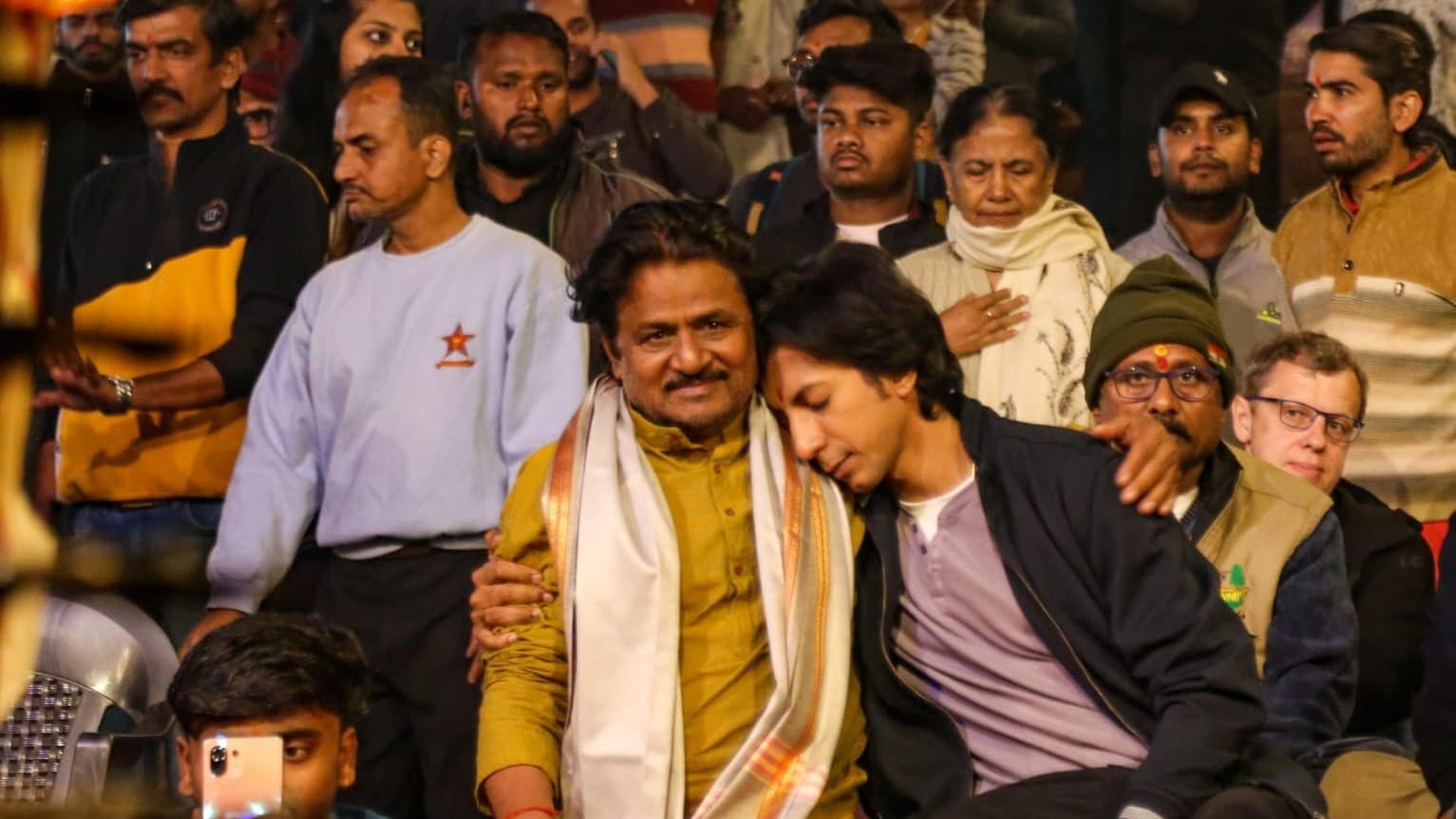
Yadav, one of the finest actors Hindi cinema has, plays Hari with a stubbornness that borders on infuriating. This is not a saintly dying man. He is petty, he is proud, he has spent decades confusing rigidity for principle, and Yadav lets you see all of it without ever asking for your sympathy. It is a performance of small refusals - eyes that flick away, hands that won't reach out - and it may be the most quietly devastating work he has done in years.
Opposite him, Anshuman Jha's Om is a study in contained fury. Om has built a life in opposition to his father, and Jha plays him as a man who has rehearsed his grievances so many times that they have worn smooth. When he finally agrees to the journey - not out of love, the film suggests, but out of something closer to obligation - you can feel the weight of every unsaid sentence between them.
The supporting cast fills out a family that has been shaped, and warped, by this central fracture. Soni Razdan brings a weary grace to the role of the mother caught between her husband and her son, a woman who has spent years translating one to the other and is exhausted by it. Ayesha Kapoor's Priya, Samta Sudiksha, Shivani Tanksale and Jagat Rawat each get moments that complicate what could have been a simple portrait of a family at odds.
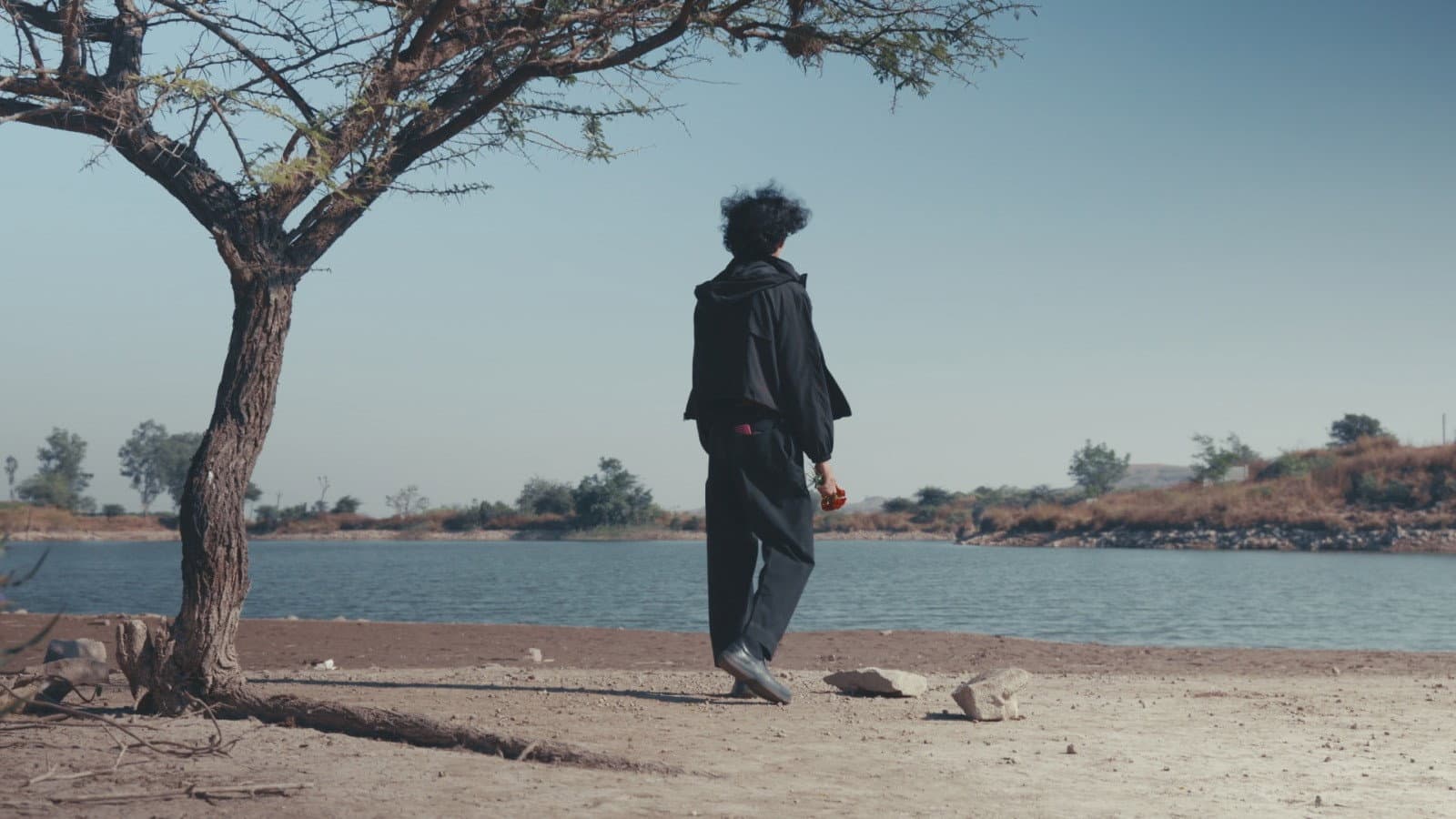
What distinguishes Hari Ka Om from the many films about dying fathers and estranged sons is its geography. As the pair move toward Varanasi, the landscape does much of the emotional work. Vyas and his cinematographer favour long, unhurried shots of roads and rivers, and the film's rhythm begins to mirror the journey itself - slow, occasionally tedious, marked by long silences that eventually become companionable. The Ganga, when it arrives, is not treated as a cure. It is simply a place where two men finally stop performing for each other.
The film's reception has been modest but instructive. Its IMDb rating sits at 6.4 out of 10, suggesting that audiences who found it were largely moved, even if the film has not broken through to a wider viewership. There is no TMDb rating yet - a reminder that this is a small film fighting for attention in a crowded marketplace. It deserves better.
Because what Vyas has made is unfashionable in the best way. There are no villains here, no dramatic confrontations scored to swelling strings. The film understands that most family estrangements are not caused by one great betrayal but by an accumulation of small ones, and that reconciliation, when it comes, rarely arrives as a single conversation. It arrives as a shared meal, a hand on a shoulder, a question asked without expectation of an answer.
Hari Ka Om will not be for everyone. Its pacing will test some viewers, and its refusal to resolve every thread may frustrate others. But for those willing to sit with it, this is a film about the hardest kind of love - the kind that persists despite everything, and the kind that requires a journey to Kashi, and six final days, to finally be spoken aloud.