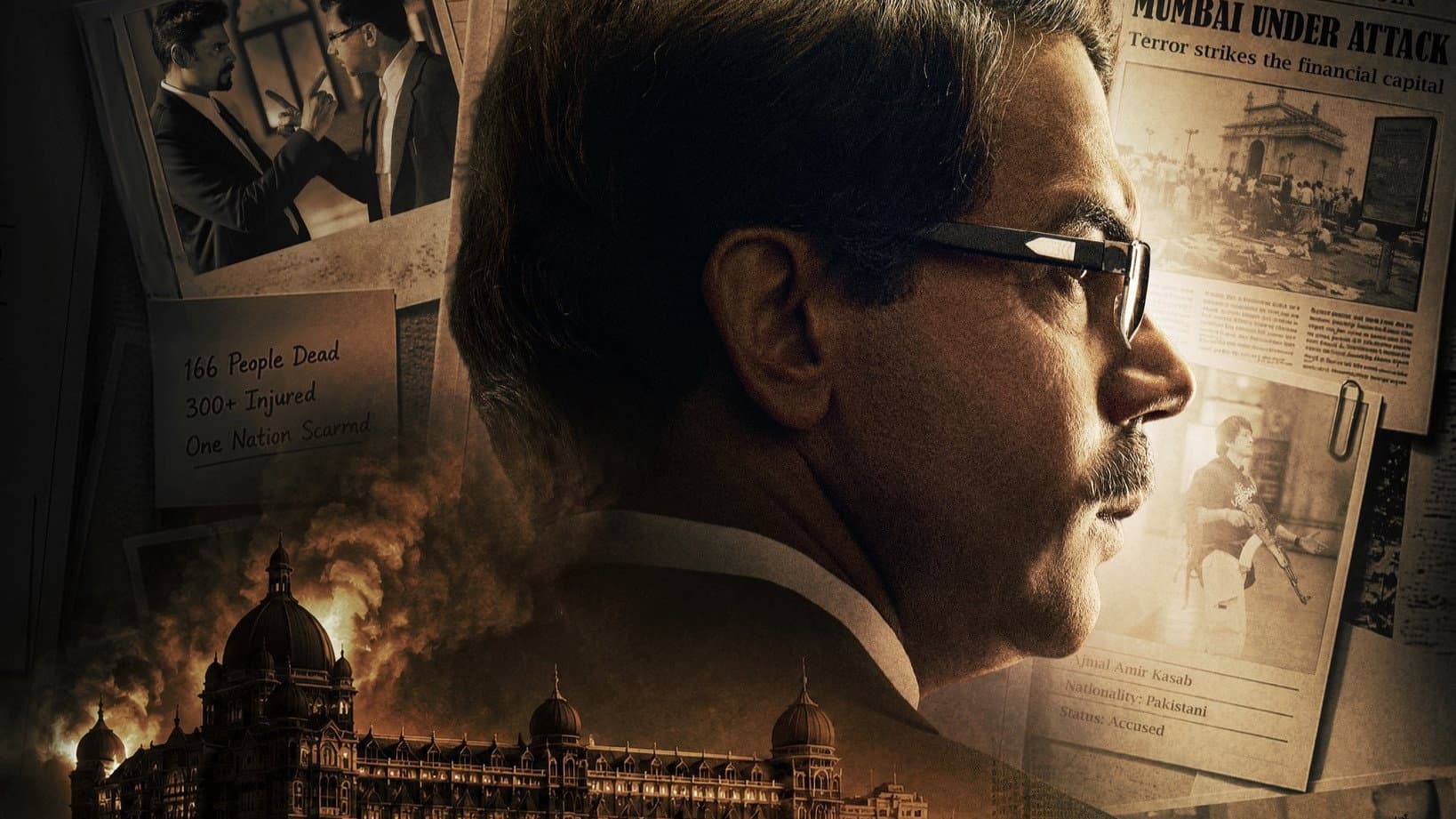

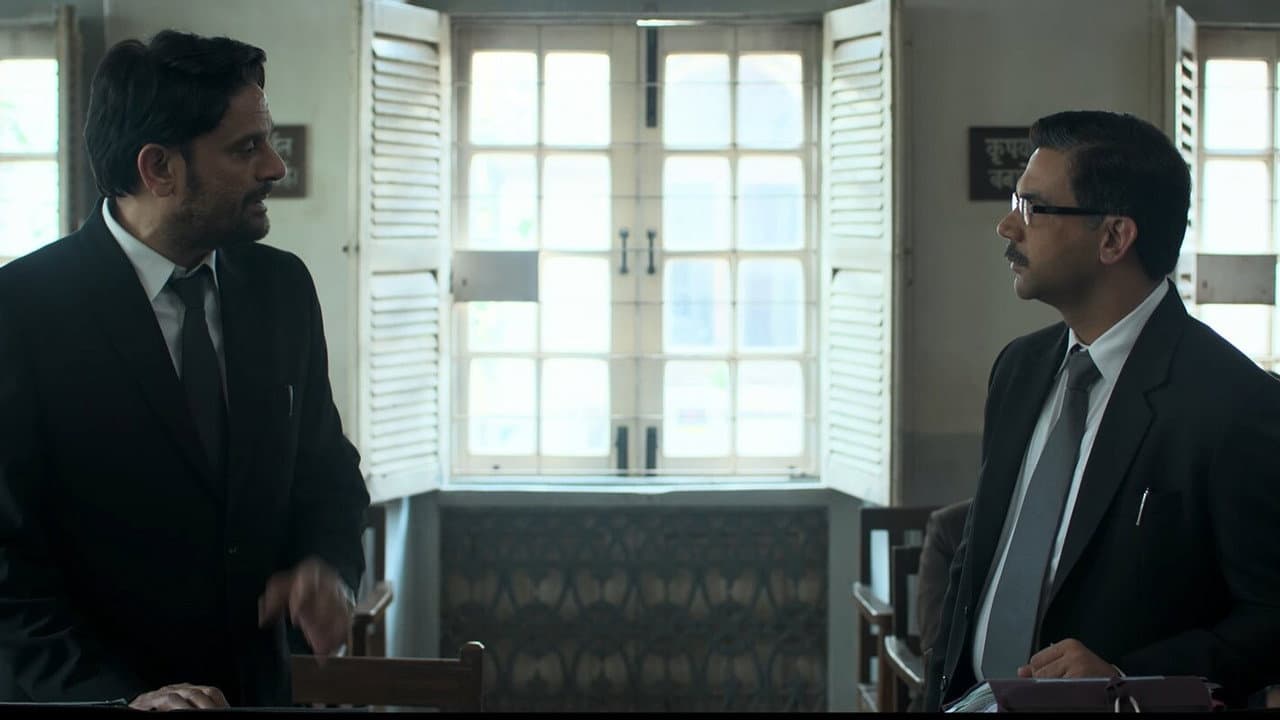
The fluorescent hum of a courtroom is rarely the stuff of blockbusters. Yet Avinash Arun’s new film finds its pulse in the dry, relentless rhythm of legal procedure - the shuffle of paper, the click of a pen, the weight of a single name read aloud. Prahaar: The Untold Story of Ujjwal Nikam, which opened in theatres on October 16, is less a re-enactment of a trial than a portrait of a man trying to hold his own life together while the nation watches him dismantle another.
At its centre is Rajkummar Rao, stepping into the well-worn shoes of the public prosecutor Ujjwal Nikam, the legal mind tasked with building the case against Ajmal Kasab in the aftermath of the 26/11 Mumbai attacks. Rao, known for disappearing into his characters, plays Nikam not as a rabble-rousing crusader but as a man burdened by an accumulation of small, grinding duties. The film follows him through the corridors of the sessions court, past the flashbulbs of a voracious press, and into the quiet rooms where the cost of the case is counted in missed dinners and restless nights.
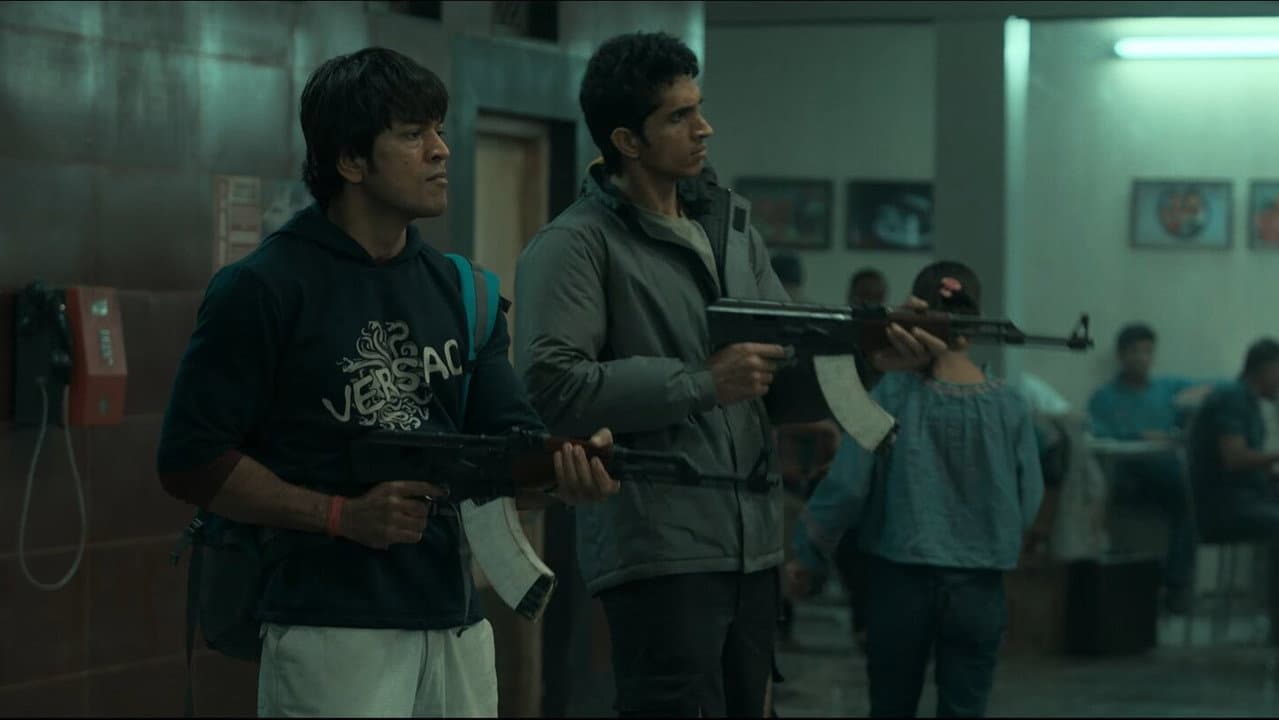
The ensemble is stacked with actors who could each carry a film on their own. Wamiqa Gabbi plays Jyoti Nikam, the wife whose presence steadies the household while her husband becomes a public property. Jaideep Ahlawat brings his characteristic simmer to Chaudhary Zulfiqar Ali, while Sikandar Kher’s Abbas Kazmi and Ashish Vidhyarthi’s Judge M.L. Tahaliyani furnish the courtroom with its necessary friction. Lalit Prabhakar takes on the chilling task of playing Kasab, and Ritwik Sahore appears as Aniket Nikam. Nassar rounds out the cast as P. Chitambaram.
Clock in at 141 minutes, the film has no interest in the quick-cut adrenaline of a procedural thriller. Arun, who previously directed the restrained and affecting Three of Us, applies a similarly patient gaze here. The drama is derived from the pressure of a legal machine that moves at its own pace, and from a protagonist who must remain composed as the stakes escalate. Audiences seem to have responded to that approach. The film currently holds a 7/10 rating on TMDb - a solid showing for a Bollywood release that refuses easy catharsis.
What distinguishes Prahaar from the typical ripped-from-the-headlines treatment is its insistence on the "untold" part of its title. The 26/11 attacks have been dissected on screen before, but rarely from the vantage point of the prosecutor’s desk. The film is less interested in re-staging the terror than in examining the personal architecture of a man who must construct a case, brick by evidentiary brick, while his own life quietly rearranges itself around the demands of the state.
The genre label - Crime, Drama - is apt, though the crime here is not a whodunnit. The question is not whether Kasab will be convicted but what the pursuit of that conviction does to the people involved. The supporting cast, particularly the courtroom regulars, lends texture to a legal ecosystem where every participant has a part to play and a price to pay.
There is a moment, early in the film, when Nikam is asked what the case means to him. The answer, as the film suggests, is not a slogan but a slow accumulation of small concessions - time with family, privacy, the luxury of doubt. Prahaar builds its drama from those concessions, playing out in a register that is more chamber piece than courtroom spectacular.
For audiences expecting a standard biopic, the film’s restraint may register as a surprise. But that restraint is the point. By refusing to turn its subject into a monument, Prahaar: The Untold Story of Ujjwal Nikam allows the man’s choices to speak for themselves. The result is a Hindi crime drama that treats its subject with the same care Nikam presumably brought to his briefs: methodical, precise, and mindful of the human being beneath the case file.