Raat Akeli Hai: The Bansal Murders (2025) - Honey Trehan
In 2025, Honey Trehan’s gripping Hindi thriller unravels the Bansal family’s dark secrets after a brutal murder. A tense whodunit.
Photo: TMDb
The fog that rolls through the fictional town of Maheshwar in Raat Akeli Hai - The Bansal Murders isn't just weather. It’s a character, a mood, a shroud pulled over decades of family rot. When Honey Trehan’s latest thriller opened on November 27, 2025, it didn’t just ask who killed the Bansals. It asked something far more uncomfortable: what does a family look like when its wealth is the only thing holding it together? The answer, delivered over a taut 136 minutes, is a bloody, elegant mess.
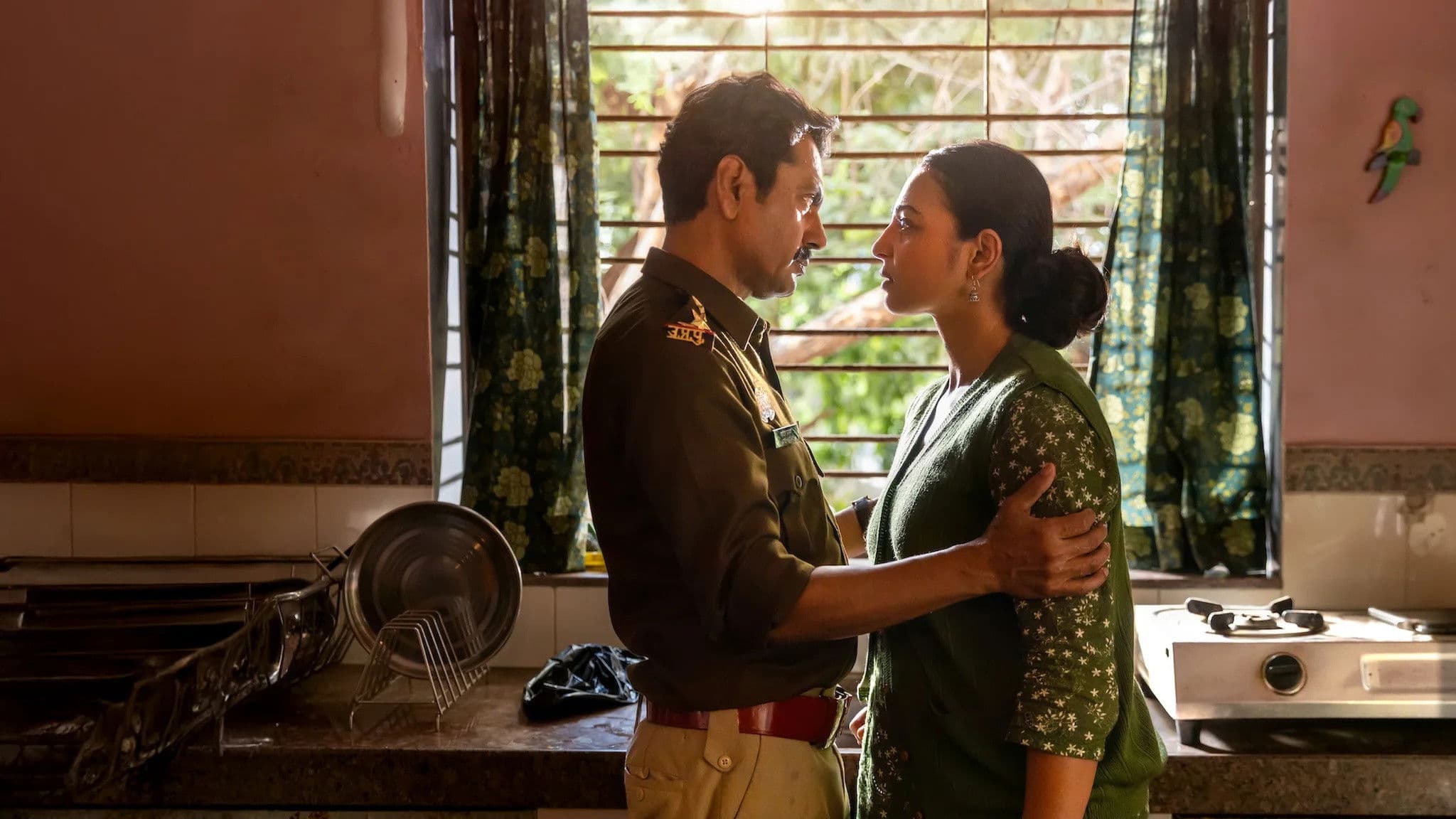
At the center of it all is Nawazuddin Siddiqui, returning as Inspector Jatil Yadav, a man perpetually out of step with the polished corruption around him. This isn’t the swaggering cop of commercial masala. Jatil is weary, methodical, and haunted by the kind of quiet dignity that modern India has no use for. When he arrives at the sprawling Bansal mansion to investigate the massacre of the patriarch and three others, he’s greeted not with grief but with carefully curated alibis. The family is a gallery of suspects: the coldly beautiful Meera (Chitrangada Singh), the jittery businessman Rajesh (Sanjay Kapoor), and the spiritual guru with a stranglehold on the household, played by Deepti Naval with a serpentine calm that chills the blood.
What elevates this from a standard whodunit is the script’s refusal to let the mystery breathe in a vacuum. Trehan, who previously helmed the acclaimed Raat Akeli Hai (2020), uses the genre as a scalpel. Every clue about the murders is also a clue about the country’s class war, gender politics, and the transactional nature of loyalty. The Bansal fortune is built on pharmaceuticals, but its real currency is secrets. When Jatil begins to peel back layers, he finds that the dead patriarch was less a victim and more a spider who had ensnared everyone in his web. The plot twists are earned, not cheap. By the halfway mark, you stop guessing the killer and start dreading their reveal, because the truth feels less like justice and more like a family heirloom passed down through generations - poisoned, gilded.
Radhika Apte’s Radha orbits this chaos as a woman with her own agenda. It’s a performance of controlled volatility; Apte plays Radha like a lit fuse inside a porcelain vase. Her chemistry with Siddiqui is not romantic in any conventional sense - it’s the spark of two broken people recognizing each other’s fractures. Their scenes together are the film’s emotional core, particularly a late-night conversation about grief and culpability that ranks among the best dialogues in recent Hindi thriller cinema. “We dig graves to bury others, but we always end up standing at the edge of our own,” she tells Jatil, in a line that likely won’t need translation for audiences to feel its weight.
The supporting cast is a masterclass in restraint. Revathi’s Dr. Rosie Panicker, the family physician, functions as the film’s Greek chorus, dispensing medical facts that double as moral judgments. Rajat Kapoor’s DGP Sameer Verma is the quintessential bureaucratic villain - he doesn’t need to raise his voice to make you feel small. Ila Arun’s Sarita Kumari, a neighbor with a sharp tongue and sharper memory, provides the gallows humor that punctuates the grim proceedings. And Sanjay Kapoor, often typecast in urban slickness, impresses with a study in cowardice; his Rajesh Bansal is a man who repeatedly chooses comfort over truth, and Kapoor makes that choice look exhausted.
Trehan’s direction is meticulous. The mansion, with its creaking staircases and flickering chandeliers, is shot with a gothic sensibility reminiscent of Argento, yet grounded in the dusty realism of the Hindi heartland. The sound design deserves special mention - the only thing more oppressive than the visuals is the silence between the rain droplets. It’s the kind of craft that demands a dark room and no phone in hand. This isn’t a film for passive viewing; it rewards patience with a climax that reframes everything you thought you knew.
Audiences and critics have been divided - the TMDb rating of 6.1/10 reflects that divide. Some find the pacing too deliberate, the politics too heavy. Others, myself included, see it as a necessary correction to crime thrillers that treat violence as entertainment rather than consequence. Raat Akeli Hai - The Bansal Murders is a film about inheritance - of wealth, of trauma, of lies. It asks whether any of us can truly escape the bloodlines we’re born into. As Jatil Yadav walks away from the carnage in the final frame, you realize the murders were solved, but nothing is close to being fixed.
For Hindi Movie Buzz, the verdict is simple: this is not a comfortable Saturday night watch. It’s a demanding, provocative, and hauntingly acted piece of cinema that lingers long after the credits roll. In a year crowded with sequels and spectacle, Trehan has made a rare thing - a murder mystery with a conscience. Just don’t expect the conscience to save anyone.