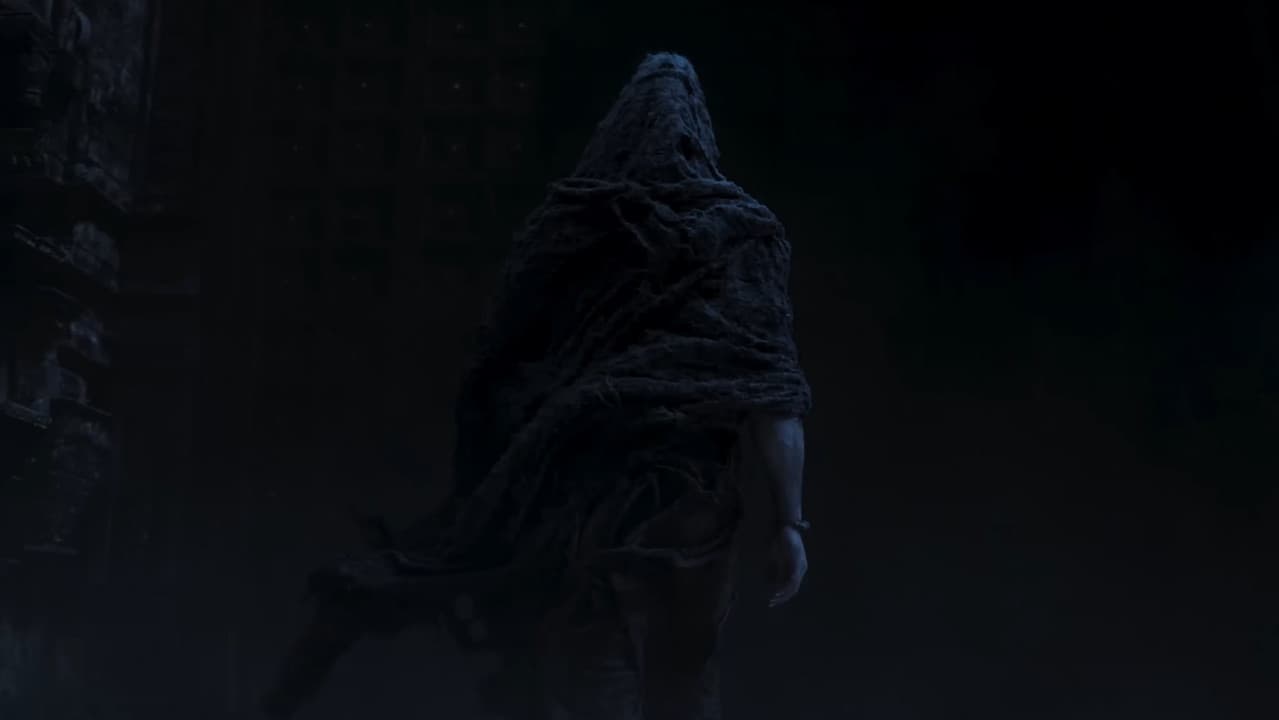
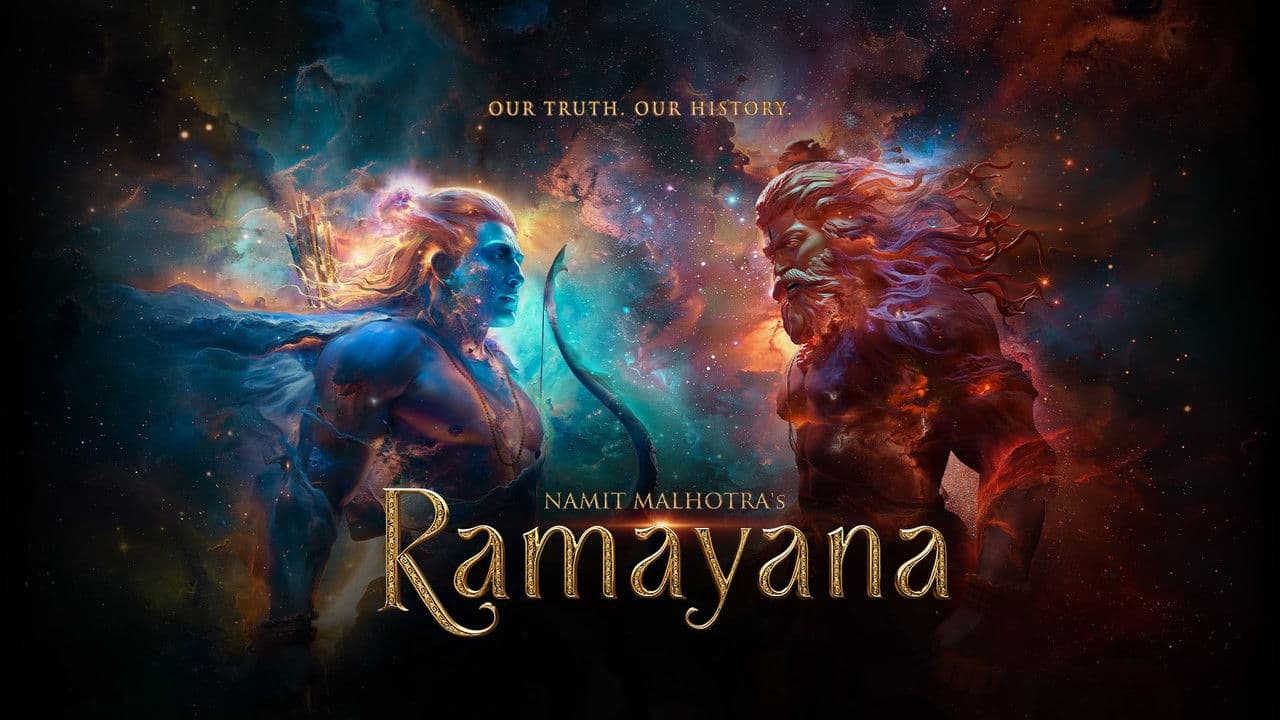
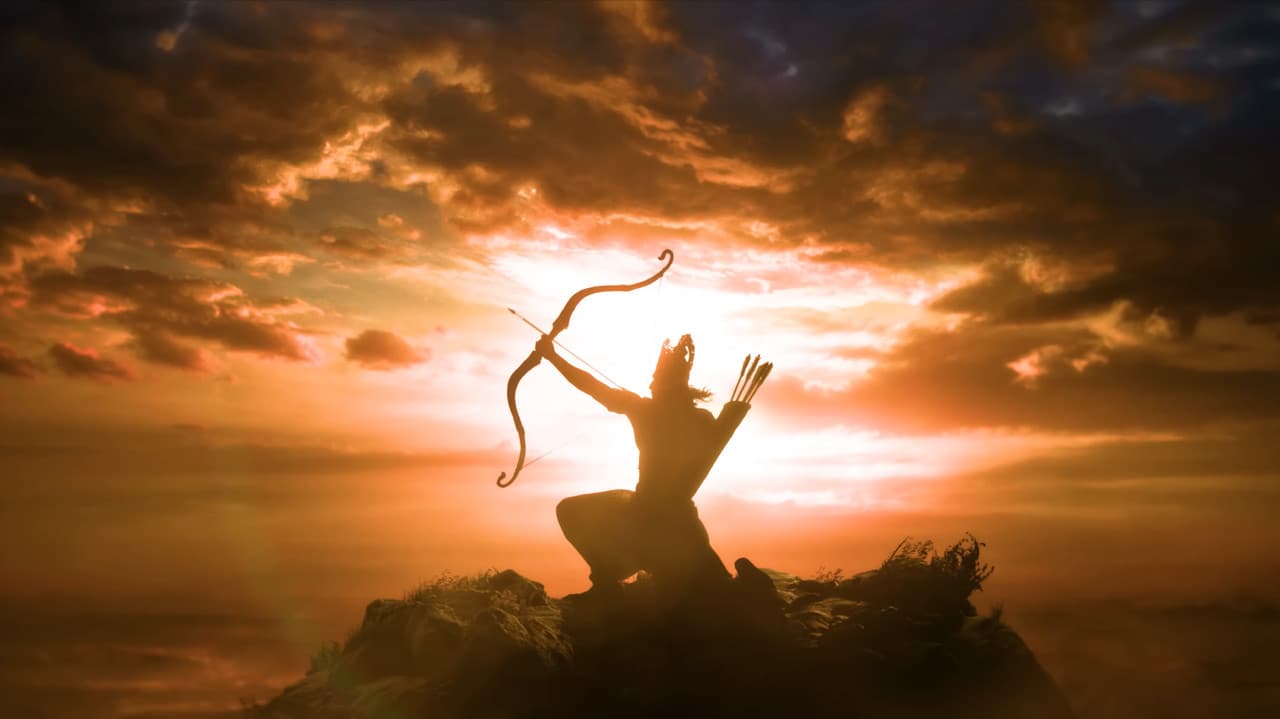
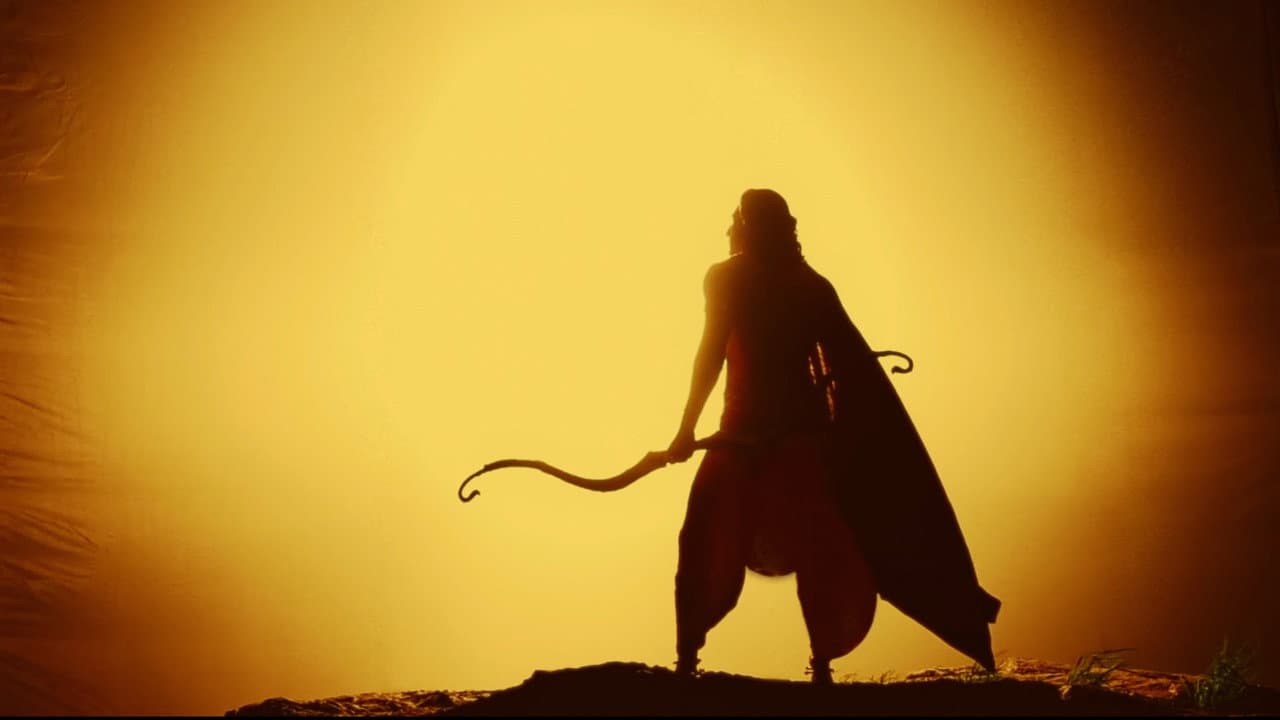
Aarya Babbar has stepped forward to defend Nitesh Tiwari's upcoming adaptation of the Ramayana, pushing back against a wave of skepticism that has greeted the project online. The actor, who has himself appeared in mythological and period productions, argued that audiences should reserve judgment until they have actually seen the film, pointing to the gap between pre-release criticism and on-screen execution that has defined several recent big-budget adaptations of Indian epics.
Babbar's comments arrive as the Ranbir Kapoor-led Ramayana builds toward its November 5, 2026 theatrical release, a date that has been locked for months even as the film's marketing has remained deliberately sparse. That restraint has done little to quiet the debate. Casting announcements, first-look imagery, and the sheer scale of the undertaking under director Nitesh Tiwari have combined to make the project one of the most discussed Hindi-language productions in recent memory - and, inevitably, one of the most second-guessed.
At the center of Babbar's defense was a comparison that has become unavoidable whenever a new Ramayana adaptation is announced: Adipurush, the 2023 release that drew intense backlash over its visual effects, dialogue, and treatment of the source material. That film's reception has cast a long shadow, and Babbar suggested the industry learned hard lessons from it.
"What went wrong with Adipurush was one thing, but that does not mean every attempt at this story will repeat those mistakes," Babbar said, addressing the criticism directly. "The team behind this Ramayana has had the benefit of watching what audiences rejected, and that is exactly how filmmaking should work."
The actor stressed that the Ramayana, one of the most enduring and widely adapted narratives in Indian culture, invites interpretation rather than demanding a single definitive version. "This story has been told for thousands of years, in every generation, in every form," he said. "If we were afraid to retell it, we would be betraying the tradition itself."
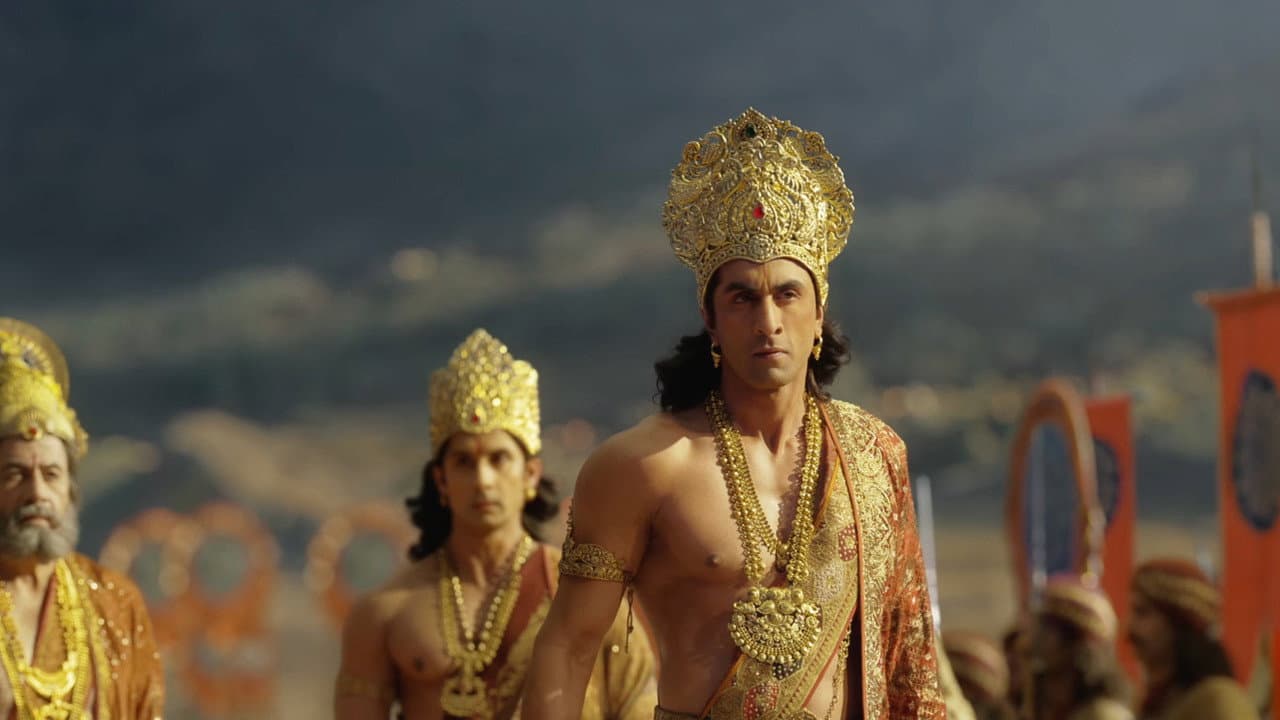
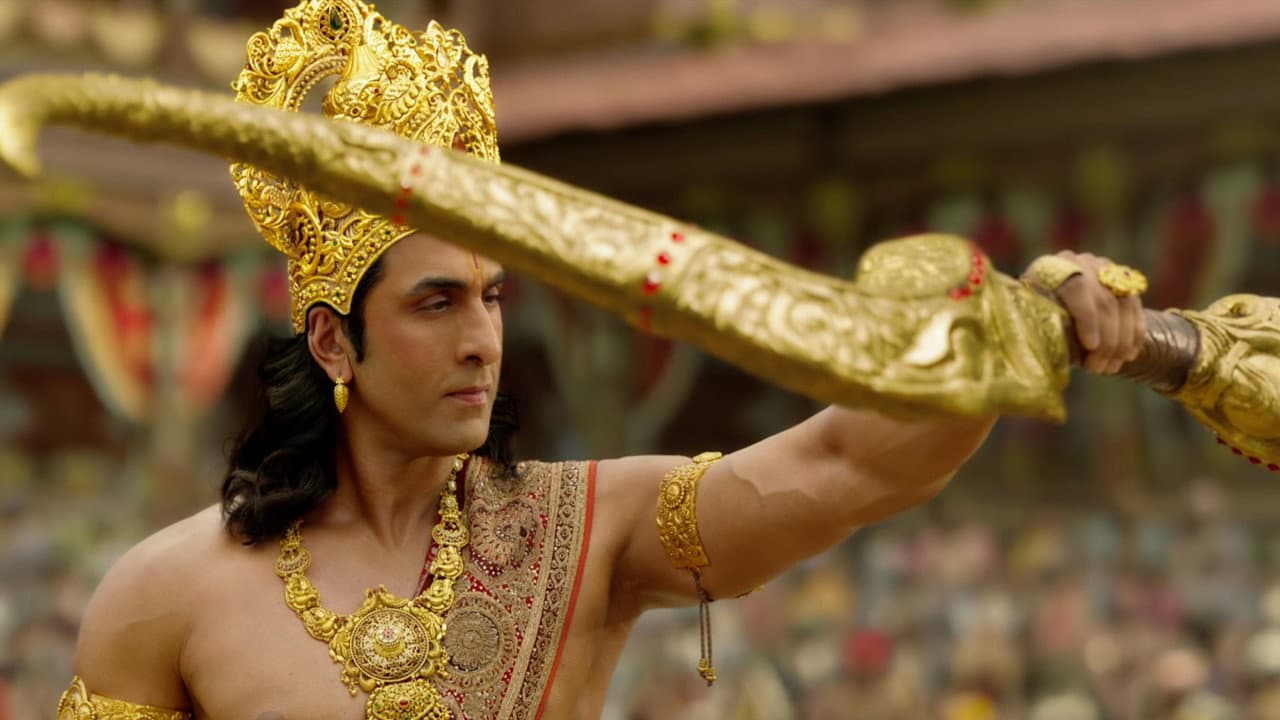
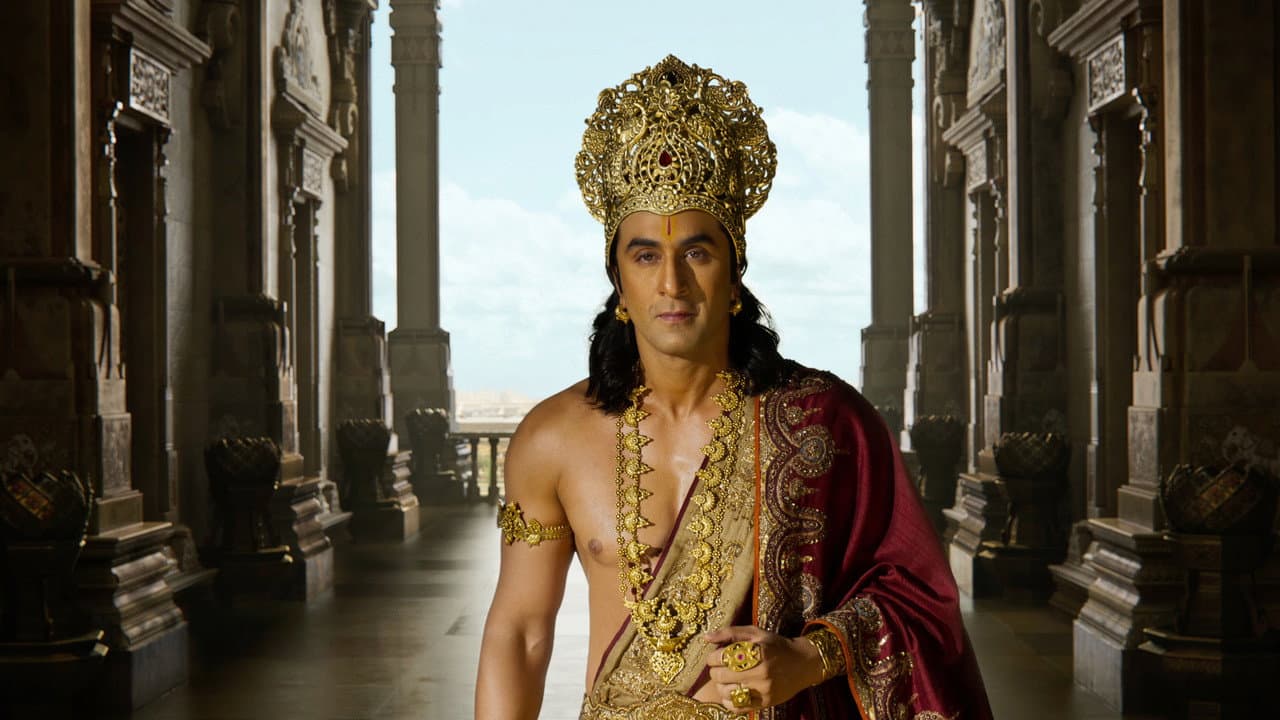
Tiwari, whose previous work includes Chhichhore, has assembled a cast that mixes proven stars with performers known for carrying mythological roles with gravitas. Ranbir Kapoor leads as Ram, a role that also carries the layered identities of Parshuram and Vishnu according to the film's official character breakdown. Sai Pallavi takes on Sita, while Yash, the Kannada star whose popularity extends far beyond his home industry, plays Ravana. Ravi Dubey appears as Lakshman, and Arun Govil - forever associated with the role of Ram from Ramanand Sagar's landmark television serial - steps into the role of Dashrath, a piece of casting that has generated its own share of emotional responses online.
The supporting ensemble is equally stacked: Rakul Preet Singh as Shurpanakha, Lara Dutta as Kaikeyi, and Indira Krishnan as Kaushalya.
The film's official synopsis describes the story as following "a young prince and princess whose marriage and subsequent exile mark the beginning of a legendary journey," adding that their "story of love, duty and destiny sets the stage for greater challenges ahead." The phrasing suggests a first chapter rather than a complete telling, consistent with long-standing reports that the project is envisioned as a multi-part saga. Whether the first installment arrives as a self-contained narrative or an overt opening act remains one of the open questions around the release.
Sporting the genres of fantasy, drama, and action, and carrying an original Hindi-language identity under the Bollywood banner, the Ramayana is positioned as a tentpole event rather than a niche devotional film. That positioning is precisely what makes the scrutiny so intense. Big-budget retellings of religious epics in India operate under a unique pressure: they must satisfy devotees who hold the text sacred, entertain general audiences who expect spectacle, and survive the instant verdicts of social media, where a single visual effects shot can become a talking point for weeks.
The stakes are also personal for Kapoor, who rarely takes on roles of this size and cultural weight. For Sai Pallavi, already beloved for her performances across industries, the role of Sita represents a significant step into the Hindi mainstream. For Tiwari, it is a leap from intimate, character-driven storytelling into the logistically demanding territory of large-scale fantasy.
Babbar's intervention is unlikely to end the debate, and he did not pretend otherwise. What he offered was a plea for patience, framed through his own experience of how brutally quick audiences can be to judge a trailer, a poster, or a single leaked still. His message was simple: the Ramayana has survived centuries. It can wait until November to be judged.
The film releases in theaters on November 5, 2026.
Source: Filmibeat