🎬Advertisement[movie-top-mobile]
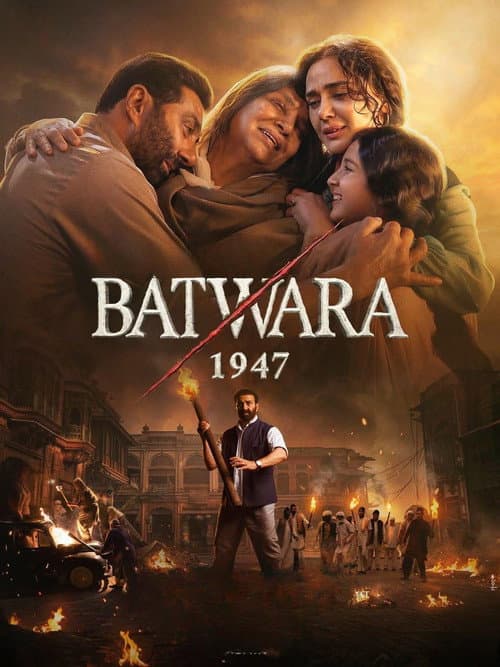
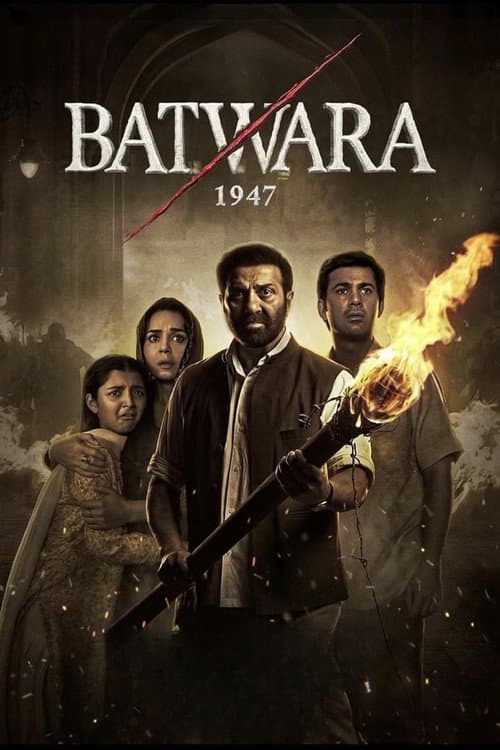
Batwara 1947 (2026) Review: Santoshi's Partition Drama
Movie Review

Batwara 1947 (2026) Review: Santoshi's Partition Drama

Our verdict on Rajkumar Santoshi's 2026 Hindi film Batwara 1947 - its story, performances, and historical impact. Is it a must-watch?

MovieBuzz Desk·5 min read
6.0/10Rating

Director

Rajkumar Santoshi

Language

HI

Release

2026-08-13

Runtime

145 min

Quick Verdict

A classic Bollywood-style epic with a conscience, Batwara 1947 trades nuance for raw, visceral power. Sunny Deol brings his signature brand of righteous fury, while Shabana Azmi anchors the chaos with devastating poignancy. It’s overlong and occasionally melodramatic, but its commitment to examining the human wreckage of history makes it an essential, if exhausting, watch.

Story

The plot is as simple as it is profound. We meet Mai (Shabana Azmi), an elderly Hindu woman whose entire identity is fused with her ancestral home in Lahore. While her son, Javed Mirza (Karan Deol), a firebrand who believes in a secular future, and the rest of their family prepare to flee the coming violence, Mai refuses. "My ancestors are buried in this earth," she insists, her voice a dry rasp against the rising tide of communal hysteria. When Lahore falls on the Pakistani side of the Radcliffe Line, her world shrinks to the walls she refuses to abandon.

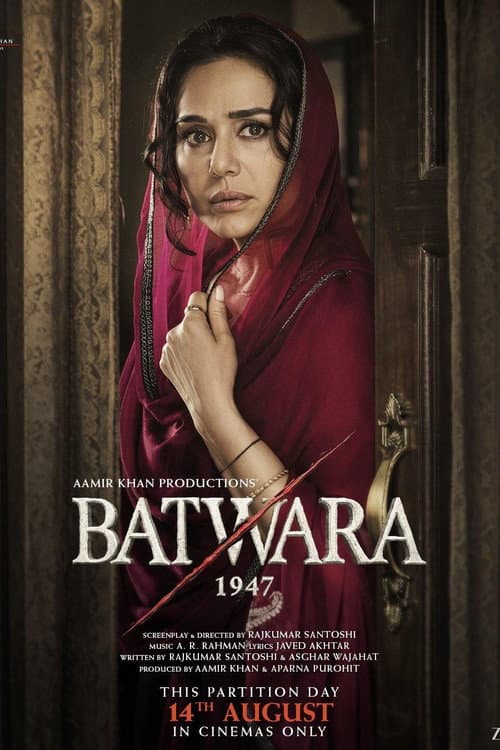
Into this fragile sanctuary comes Sikander Mirza (Sunny Deol), a stoic and hardened Muslim refugee from Lucknow, assigned by the government to occupy the abandoned property. With him is his wife Hamida (Preity Zinta), their son, and a cargo of trauma from their own displacement. What follows is a cold war of possession. Sikander, a man who has lost everything, sees the house as a lifeline; Mai sees him as an invader. Their conflict, punctuated by the ever-present threat of communal violence outside, slowly forces them to confront their shared humanity, their grief, and the monumental tragedy that pits them against each other.

Review

Director Rajkumar Santoshi, known for his larger-than-life spectacles like Ghayal and The Legend of Bhagat Singh, applies his maximalist style to a deeply personal story. The first hour is deliberately slow, squeezing every ounce of tension from the stand-off. The camera lingers on the peeling paint, the dust motes dancing in slivers of light, and the heavy, silent animosity between the two leads. The action, when it comes, is brutal and sudden - a knife flash, a mob's roar - serving as a stark reminder that history's violence is never just abstract; it has hands and a face.

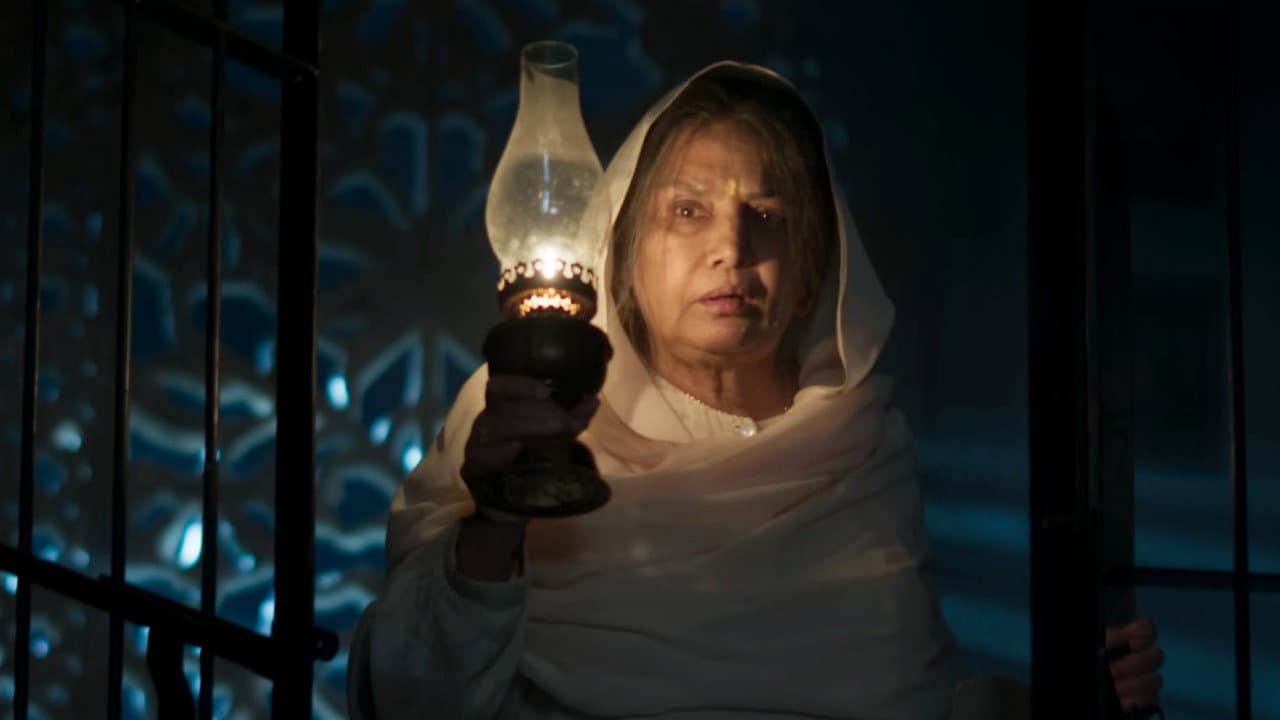
The film truly ignites when Mai and Sikander finally engage in conversation, not as enemies, but as two impossibly stubborn souls. This is where the performances elevate the material. Shabana Azmi is a revelation. She inscribes Mai with a spine of steel and a heart that's slowly cracking. Her defiant posture in her crumbling bedroom is a masterclass in silent resistance. She doesn't just play an old woman; she embodies the memory of an entire civilization.

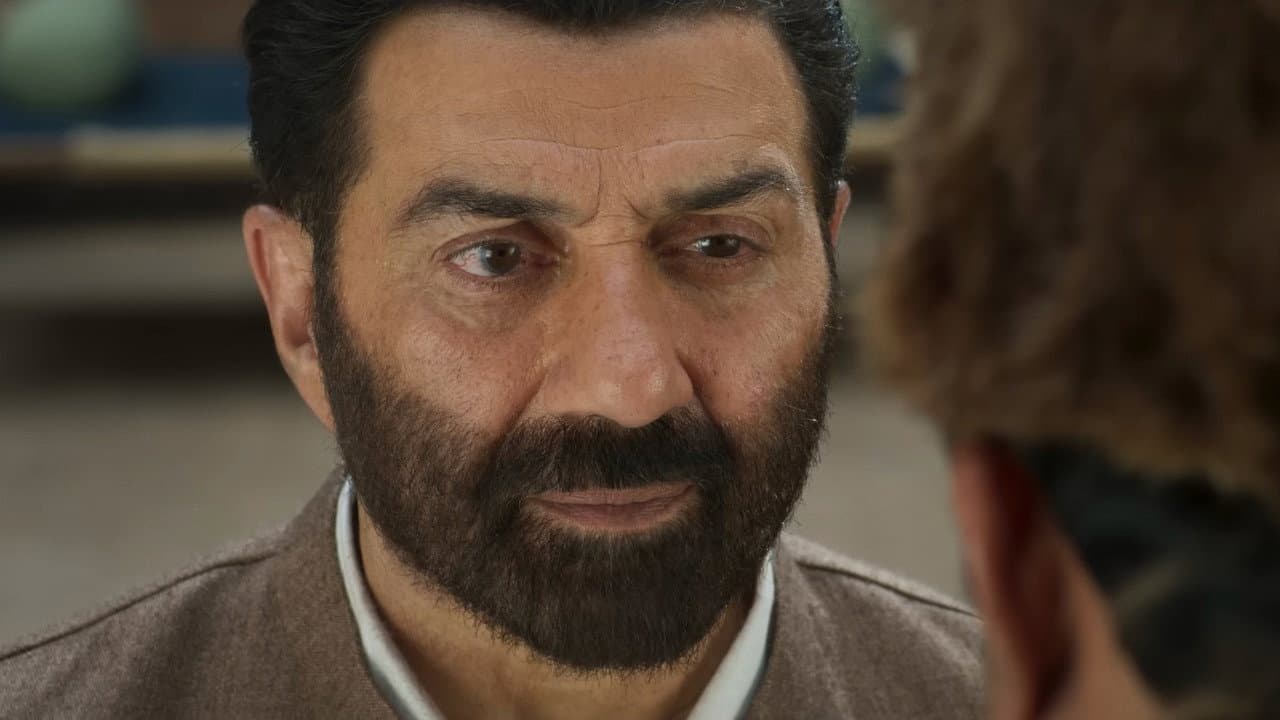
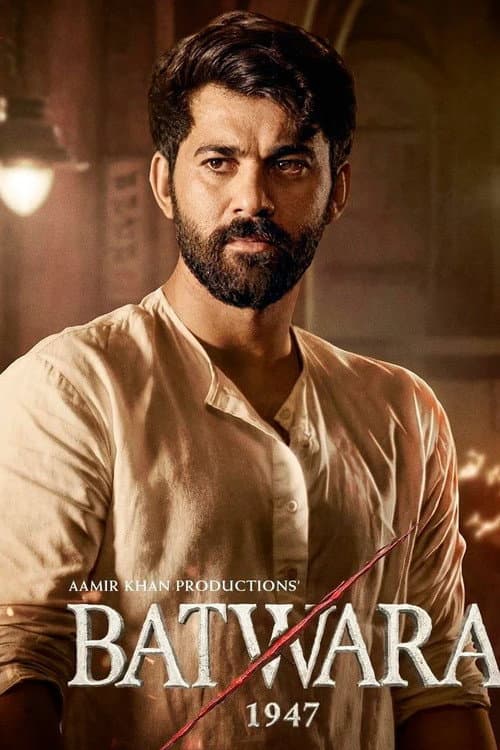
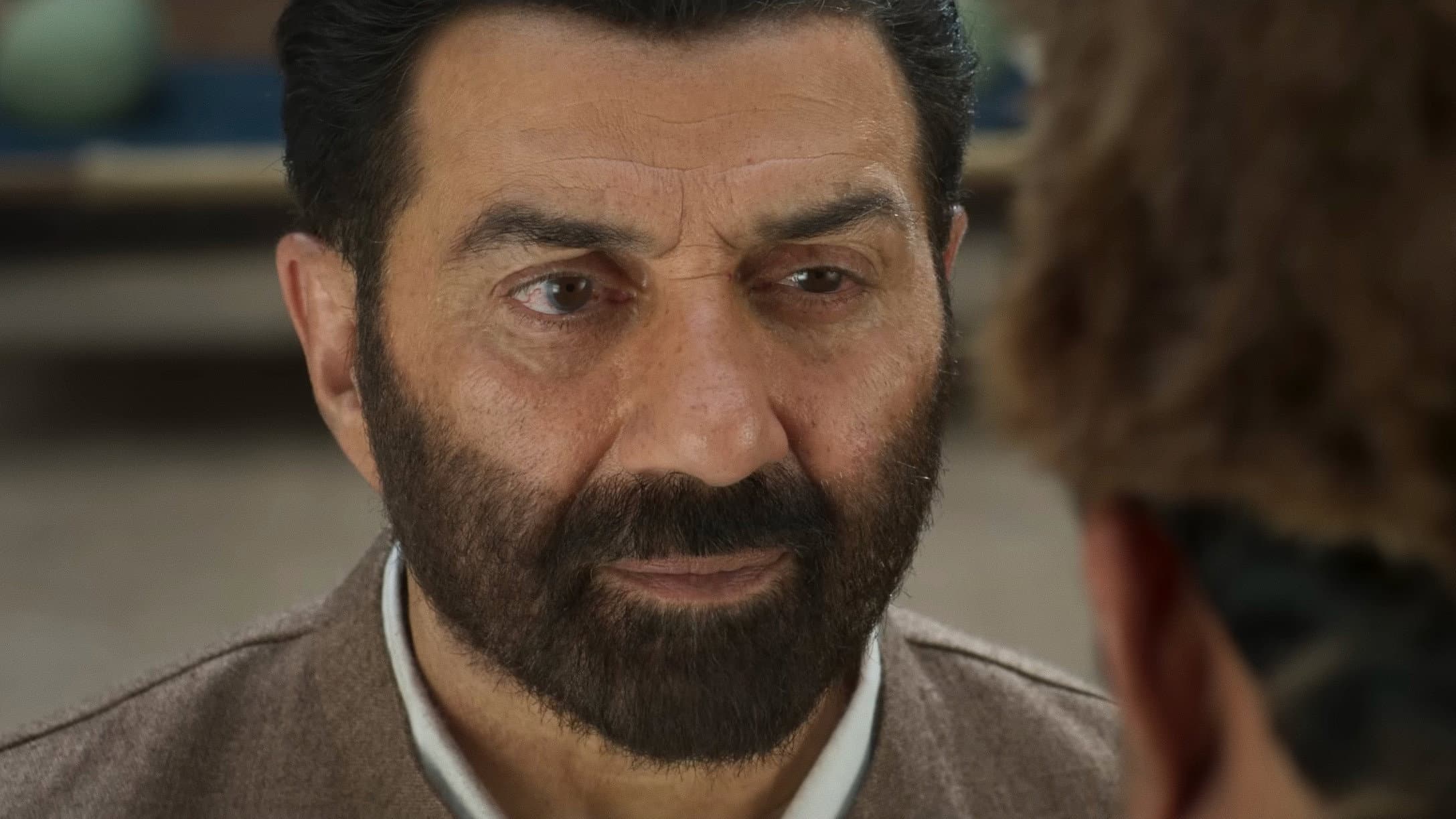
Sunny Deol, meanwhile, is perfectly cast. He reprises his iconic "action hero" persona, but here the physicality is internalized. His booming voice is subdued into a low growl, and his famous fists are more often clenched than unleashed. His Sikander is a man of immense moral complexity - a conqueror who is also a refugee, a victor who looks like a defeated man. The chemistry between Azmi and Deol is unlikely but magnetic; their scenes together are the film's pulsing heart, a constant negotiation between resentment and a grudging, devastating empathy.

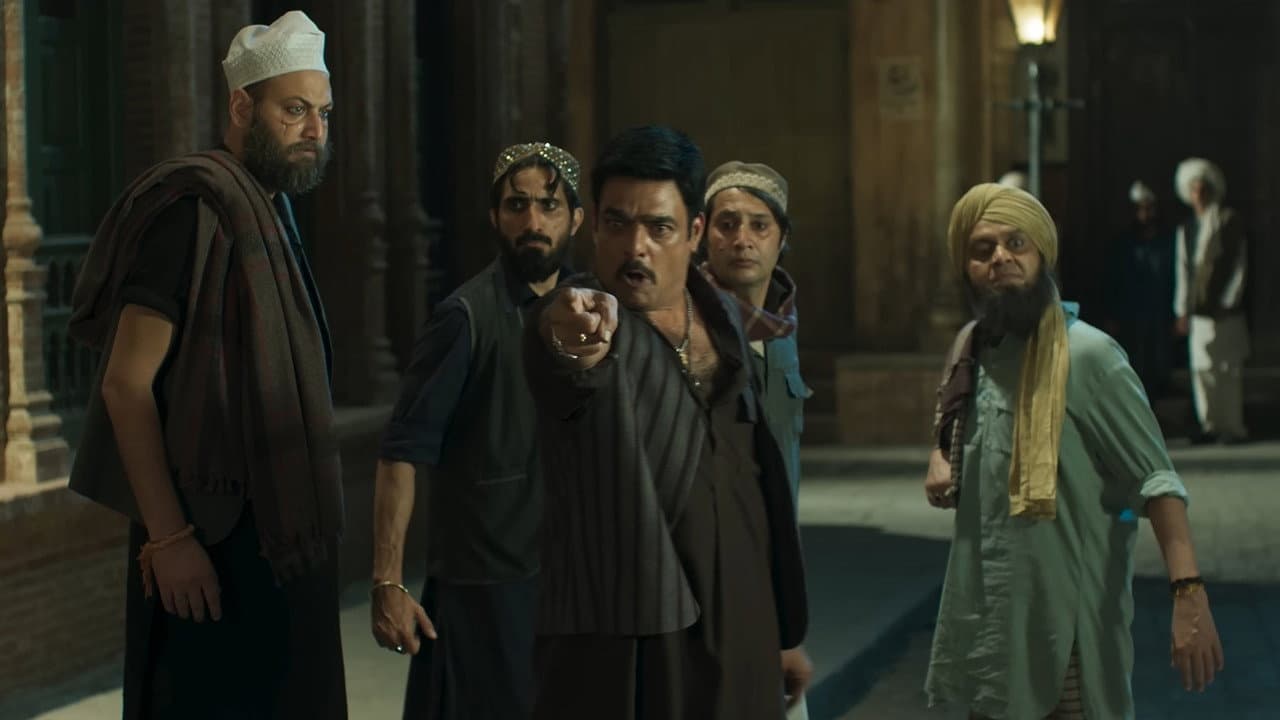
The supporting cast is solid. Preity Zinta returns to the screen with warmth as Hamida, the bridge between worlds, trying to build a home in the ashes of someone else's. Karan Deol shows promise but is saddled with a role that’s more symbolic than substantial - his sole purpose is to act as the film's conscience, though he gets lost in the crowd. Ali Fazal, in a brief but potent appearance as the local goon Habib Anwar, provides a chilling reminder of how ordinary men become monsters when given permission to hate.

Where the film stumbles is in its pacing and its tendency to spell out its themes. The middle act, featuring a subplot involving a well and a communal dispute, feels like a digression that pads the runtime unnecessarily. The dialogue, while often powerful, occasionally shifts into the bombastic rhetoric of a political rally, undercutting the story’s grounded intimacy. The soundtrack, typical of Santoshi, swells at times to almost comical levels, trying to force an emotional response that the actors have already earned.
Pros & Cons

Pros

  • Shattering central performances from Shabana Azmi and Sunny Deol, their on-screen friction is electric.
  • Powerful, atmospheric direction that makes the decaying haveli a character in itself.
  • A genuinely thought-provoking script that refuses to paint any side as purely heroic or villainous.
  • The war and riot sequences are staged with visceral, frightening intensity.

Cons

  • The ponderous pacing, especially in the first and third acts, feels unnecessarily stretched.
  • Overwrought background score manipulates emotions in scenes that don't need the extra push.
  • A subplot involving local well politics distracts from the core, riveting character drama.
  • The supporting characters, barring a few, are underwritten and exist only to serve the lead duo's narrative.

Rating Breakdown

Performances9.0/10
Script & Dialogue7.0/10
Direction & Pacing6.0/10
Emotional Impact8.0/10
Historical Authenticity & Tone7.0/10
Overall Entertainment Value6.0/10

Final Verdict

Batwara 1947 is an imperfect, unwieldy, and profoundly moving film. It is a classic Bollywood melodrama dressed in the heavy clothes of a historical tragedy. It doesn't offer easy answers or a neat, reconciliatory ending; the scars are too deep for that. Instead, it forces us to sit with the uncomfortable truth that history is not just a series of events, but a tangled web of personal loss, misplaced blame, and the indomitable will to survive. Despite its bloat and melodrama, the film's core - the war between two wounded souls in a single room - is so compelling that it lingers long after the credits roll. It’s a must-watch for fans of powerful cinema, offering a spectacle that is as thought-provoking as it is emotionally draining.

🎬Advertisement[movie-in-content]

Cast

Sunny Deol

Sunny Deol

Sikander Mirza

Preity Zinta

Preity Zinta

Hamida Mirza

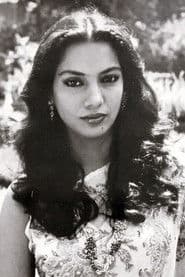
Shabana Azmi

Shabana Azmi

Mai

Ali Fazal

Ali Fazal

Habib Anwar

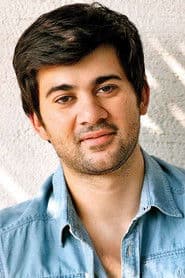
Karan Deol

Karan Deol

Javed Mirza

Abhimanyu Singh

Abhimanyu Singh

Yakub Khan

Kanikka Kapur

Kanikka Kapur

Nishat

K

Khushi Hajare

Tanno Mirza

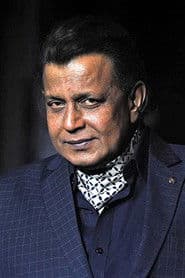
Mithun Chakraborty

Mithun Chakraborty

Maulavi Ikramuddin

Mona Singh

Mona Singh

S

Sunil Saraswat

Sandeep Chatterjee

Sandeep Chatterjee

Gallery

Batwara 1947 (2026) Review: Santoshi's Partition Drama still 1
Batwara 1947 (2026) Review: Santoshi's Partition Drama still 2
Batwara 1947 (2026) Review: Santoshi's Partition Drama still 3
Batwara 1947 (2026) Review: Santoshi's Partition Drama still 4
Batwara 1947 (2026) Review: Santoshi's Partition Drama still 5
Batwara 1947 (2026) Review: Santoshi's Partition Drama still 6
Batwara 1947 (2026) Review: Santoshi's Partition Drama still 7
Batwara 1947 (2026) Review: Santoshi's Partition Drama still 8

Similar Movies

#Review#Movies#Entertainment#2026
🎬Advertisement[movie-bottom-mobile]