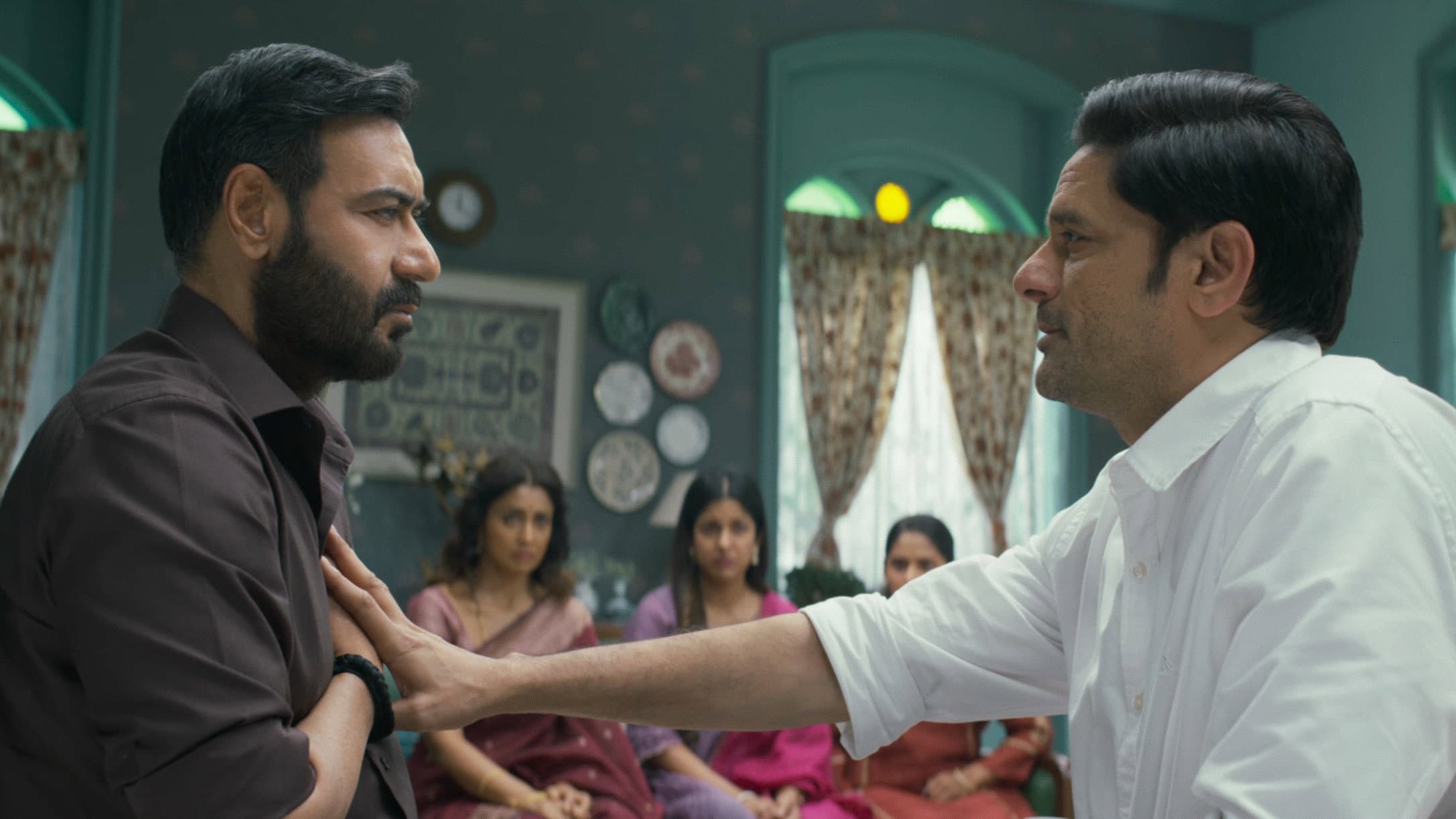
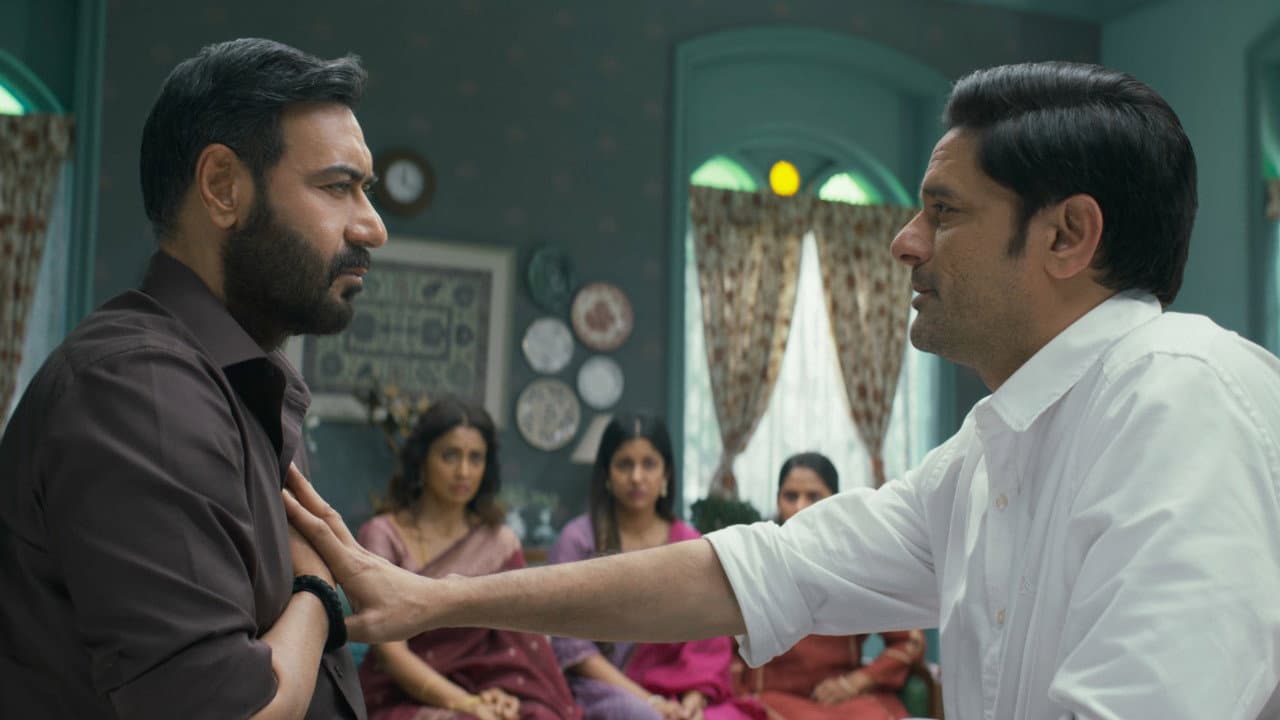
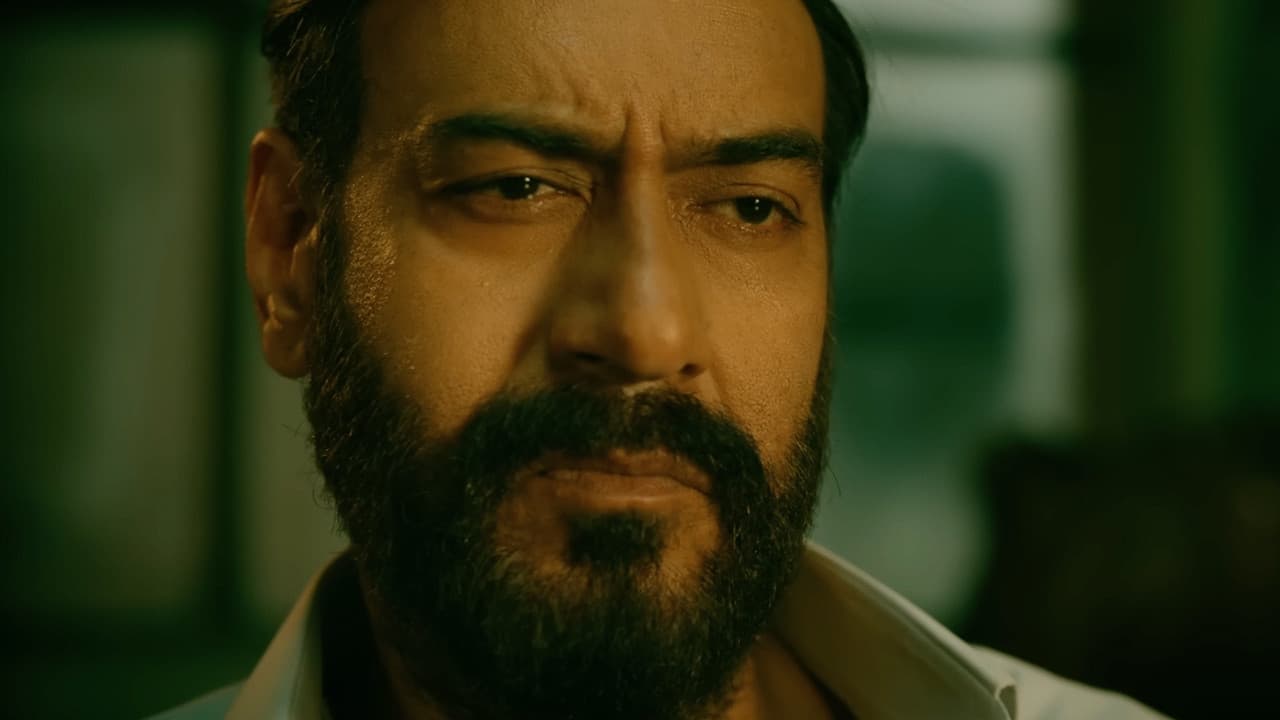
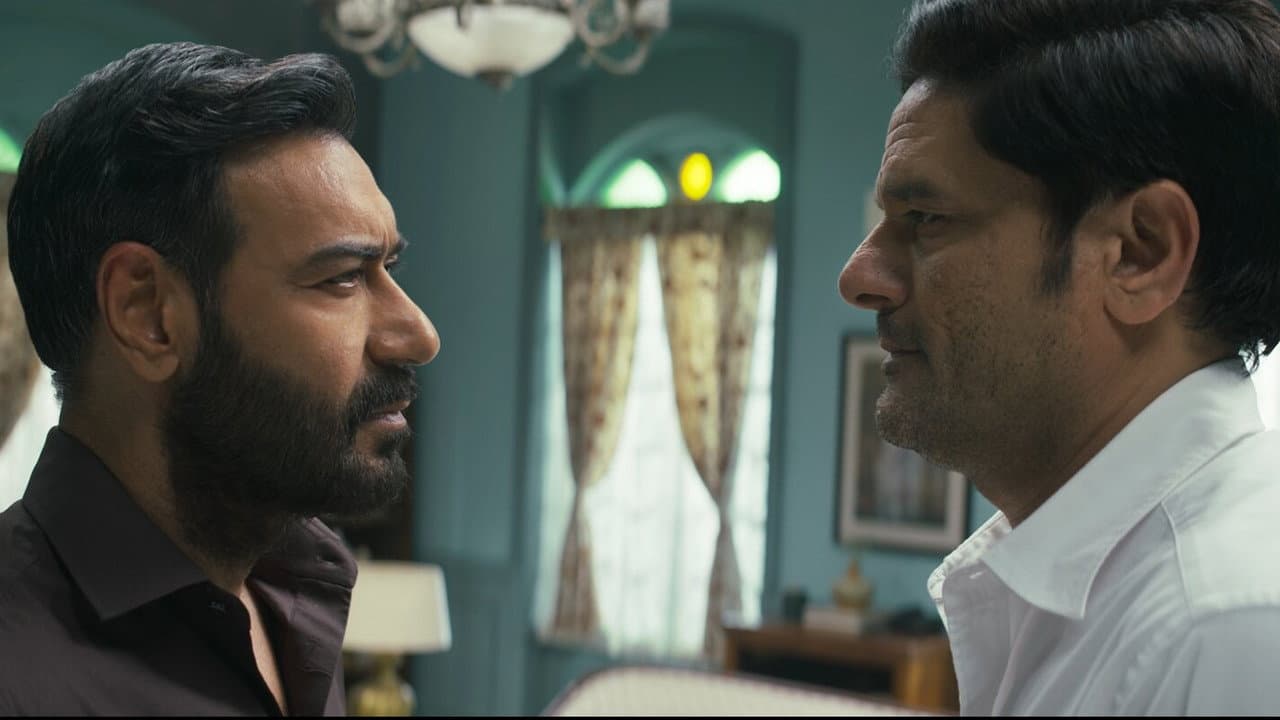
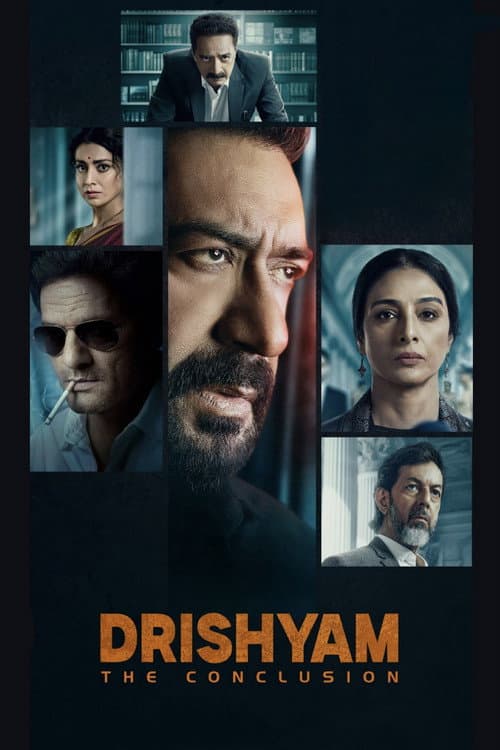
The smartest thing this film does is refuse to make Vijay invincible. In the earlier chapters, his genius was almost supernatural - the man had memorized cinema and law with equal devotion. Here, age has made him slower and considerably more frightened, and Devgn plays that fear with his shoulders, his silences, the way he pauses half a beat before answering a perfectly innocent question. It's a beautifully withholding performance from an actor who could coast on charisma and chooses not to.
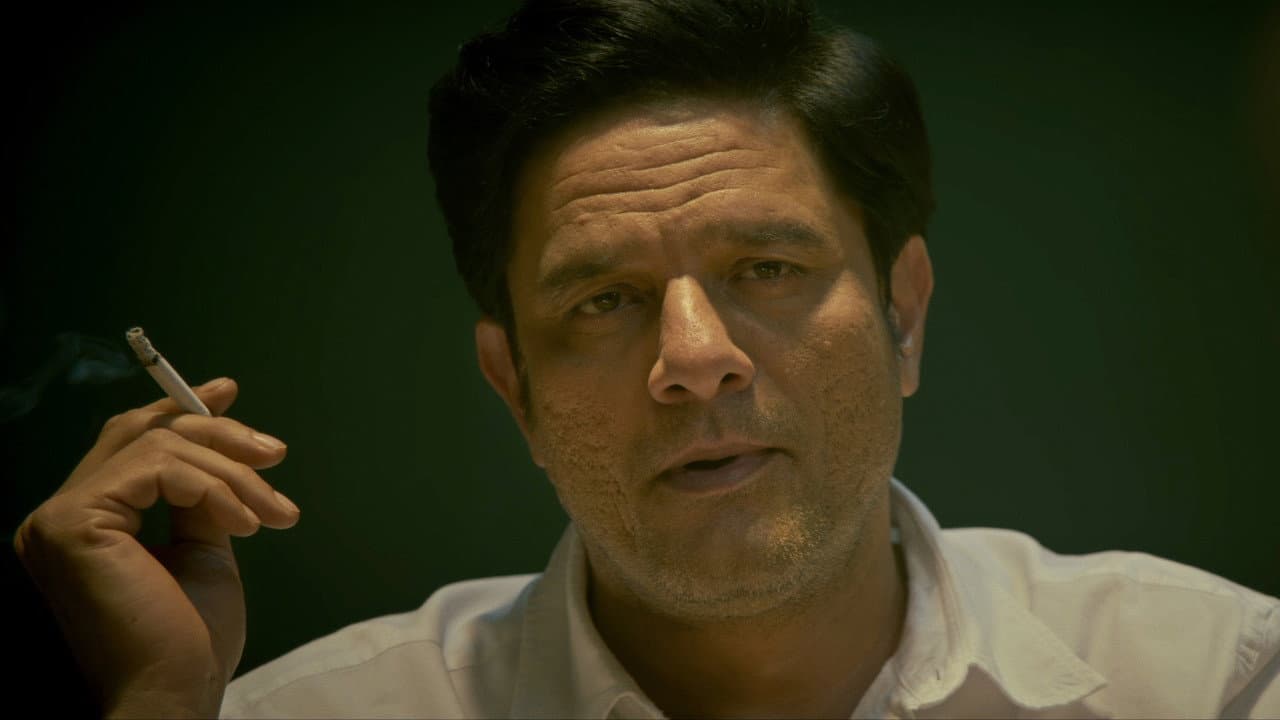
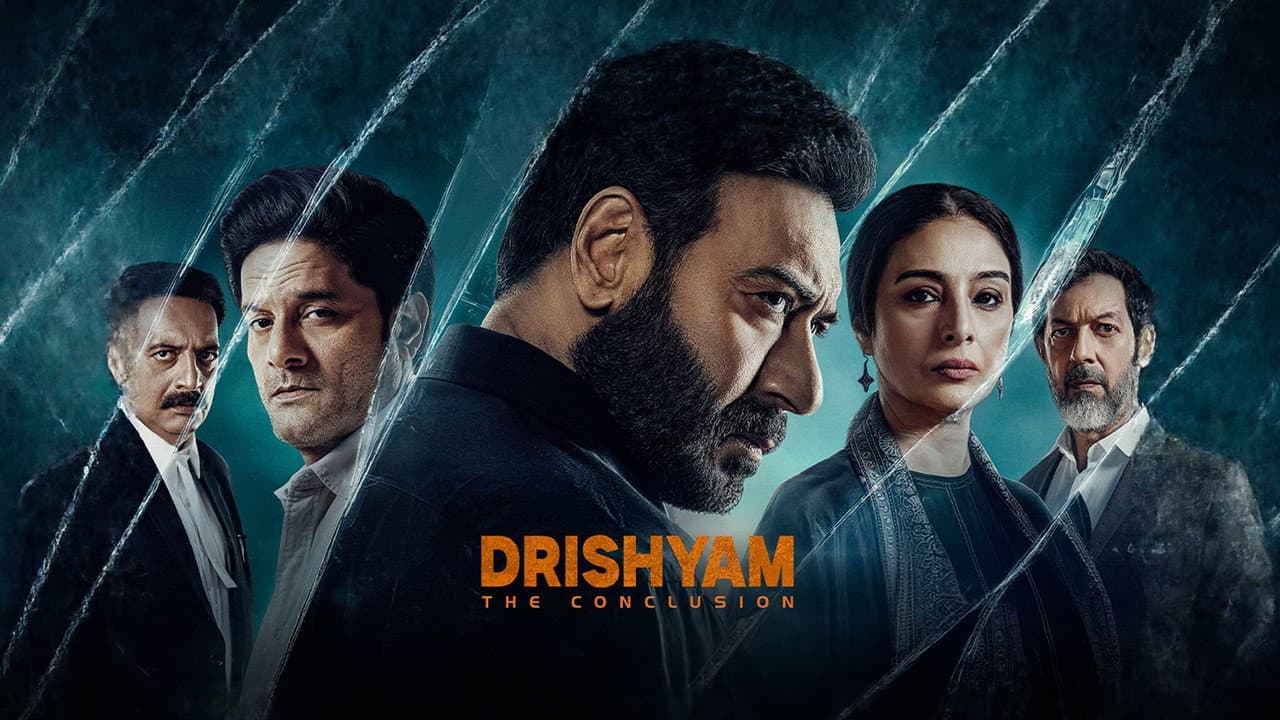
Tabu remains the franchise's secret weapon. Meera Deshmukh is no longer just a grieving mother; she is an institution, and Tabu lets you see the cost of that transformation in the set of her jaw. Every scene between her and Devgn crackles with the specific hatred of two people who understand each other completely and wish they didn't. Jaideep Ahlawat is an excellent addition, playing Tomar as a man who respects his quarry rather than despises him - a much more dangerous proposition. Prakash Raj, meanwhile, chews through his courtroom material with obvious relish.
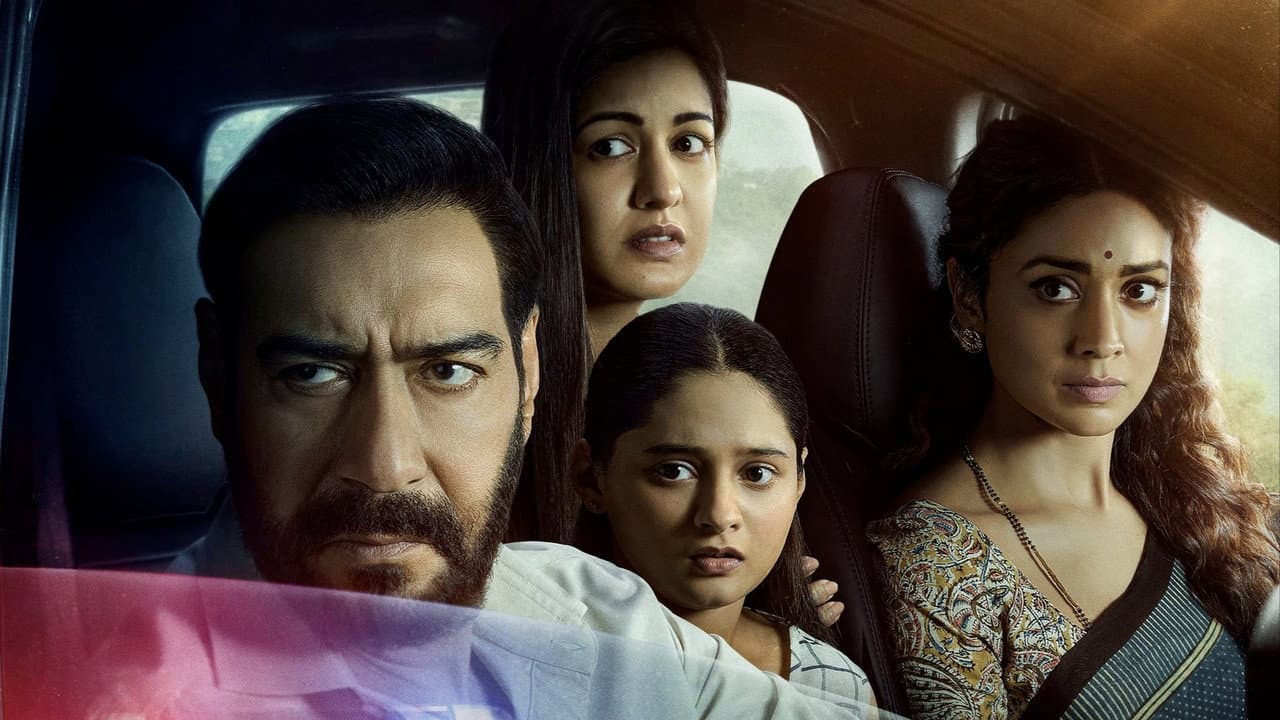
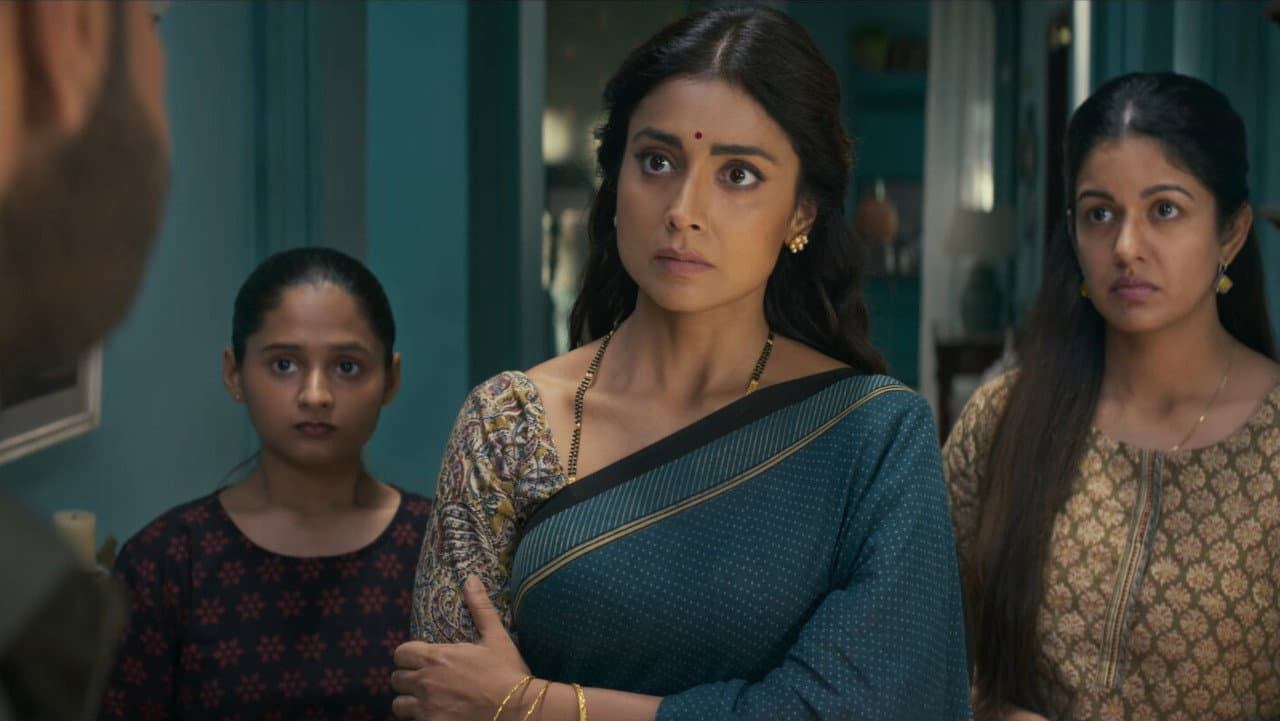
Where the film stumbles is in its middle stretch, which mistakes procedural detail for momentum. There are interrogation sequences that repeat information we already have, and a subplot involving Anju and Anu that feels like it's marking time before the finale. At 150 minutes, Drishyam 3 occasionally forgets that tension is a muscle - it needs rest, not just flexing.
The craft, though, is top-tier. The cinematography favors shadows and reflective surfaces, so that Vijay is constantly glimpsed in mirrors and window glass, a man watching himself perform innocence. The score is restrained to the point of austerity until the final act, when it finally allows itself a pulse. And the closing twenty minutes deliver a resolution that is neither triumphant nor purely tragic - just terribly, appropriately human.