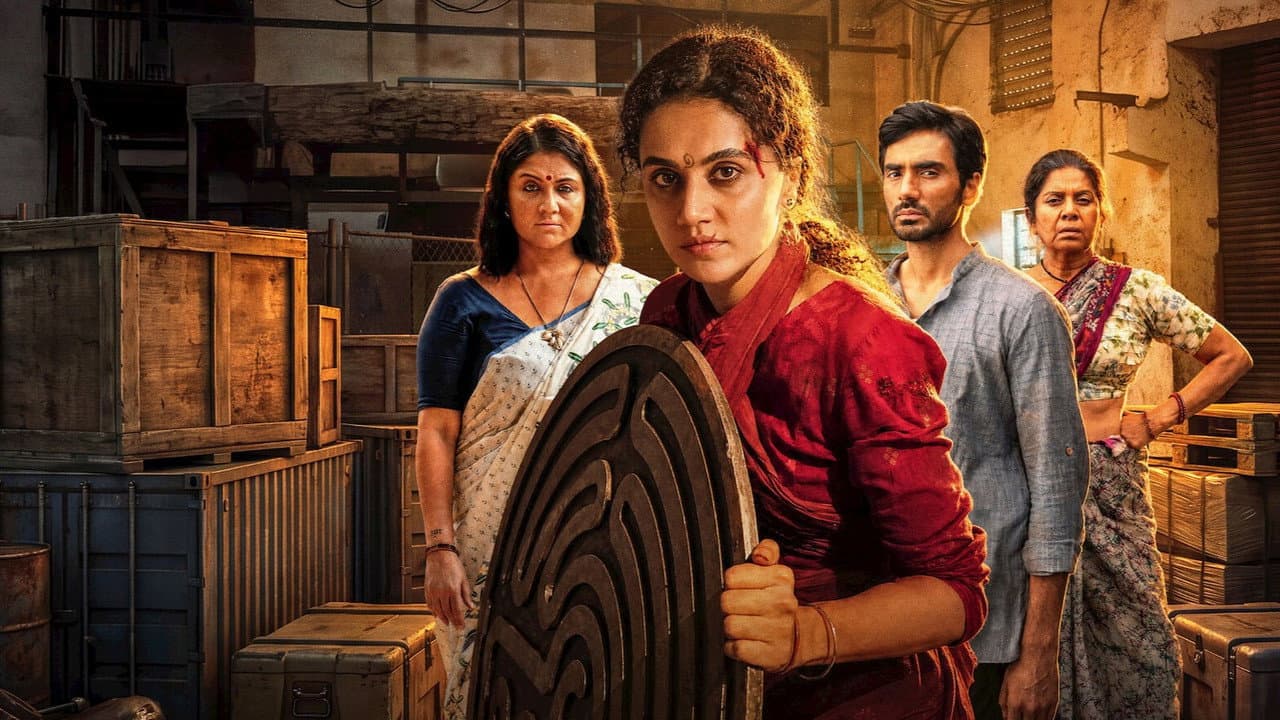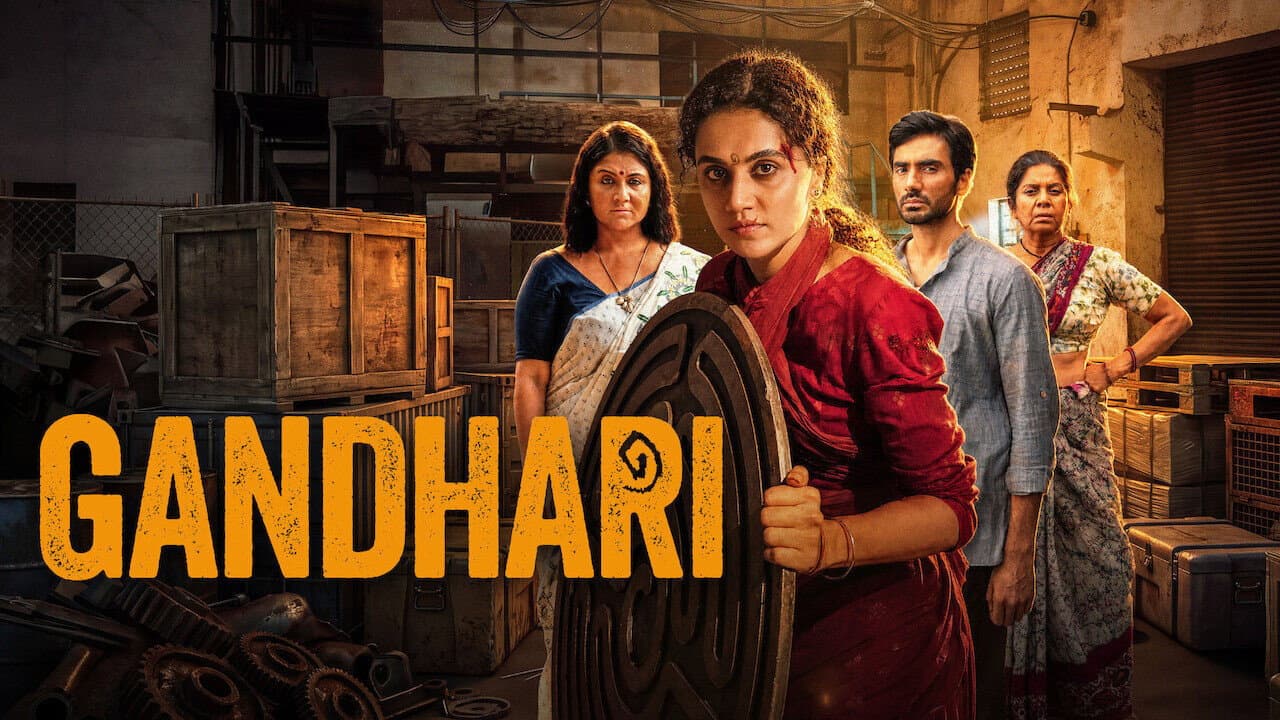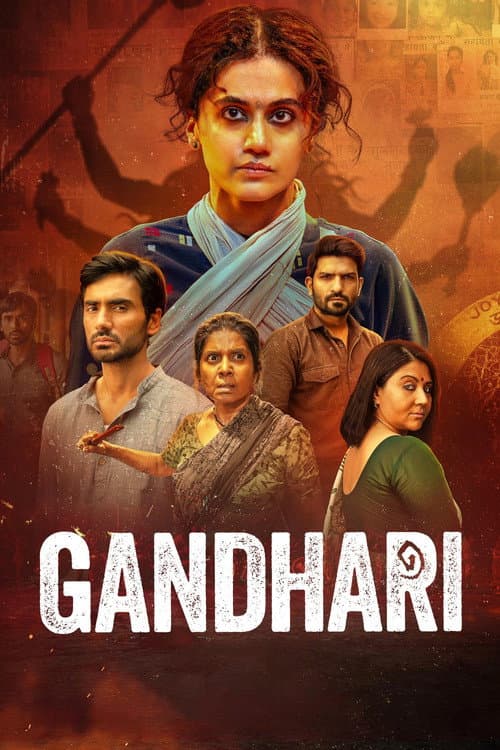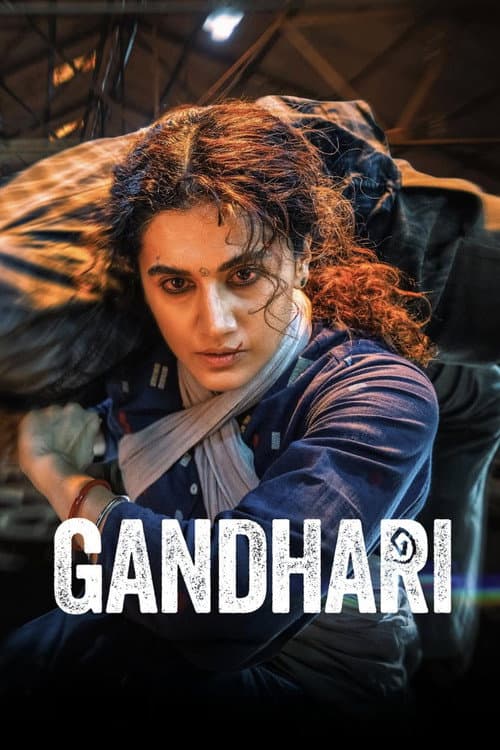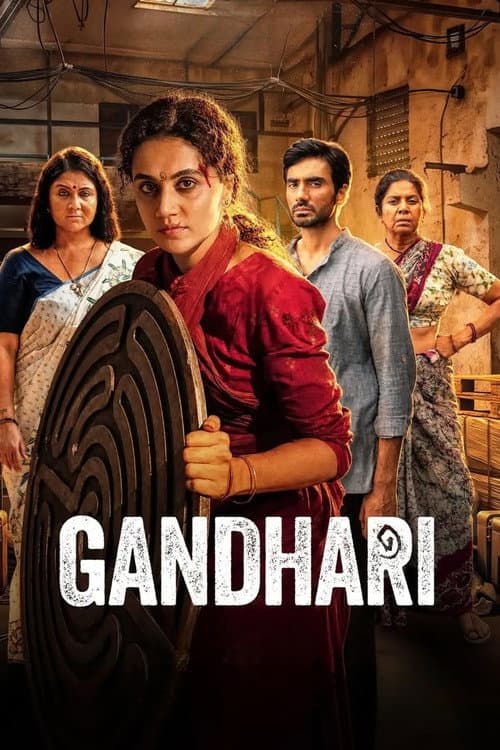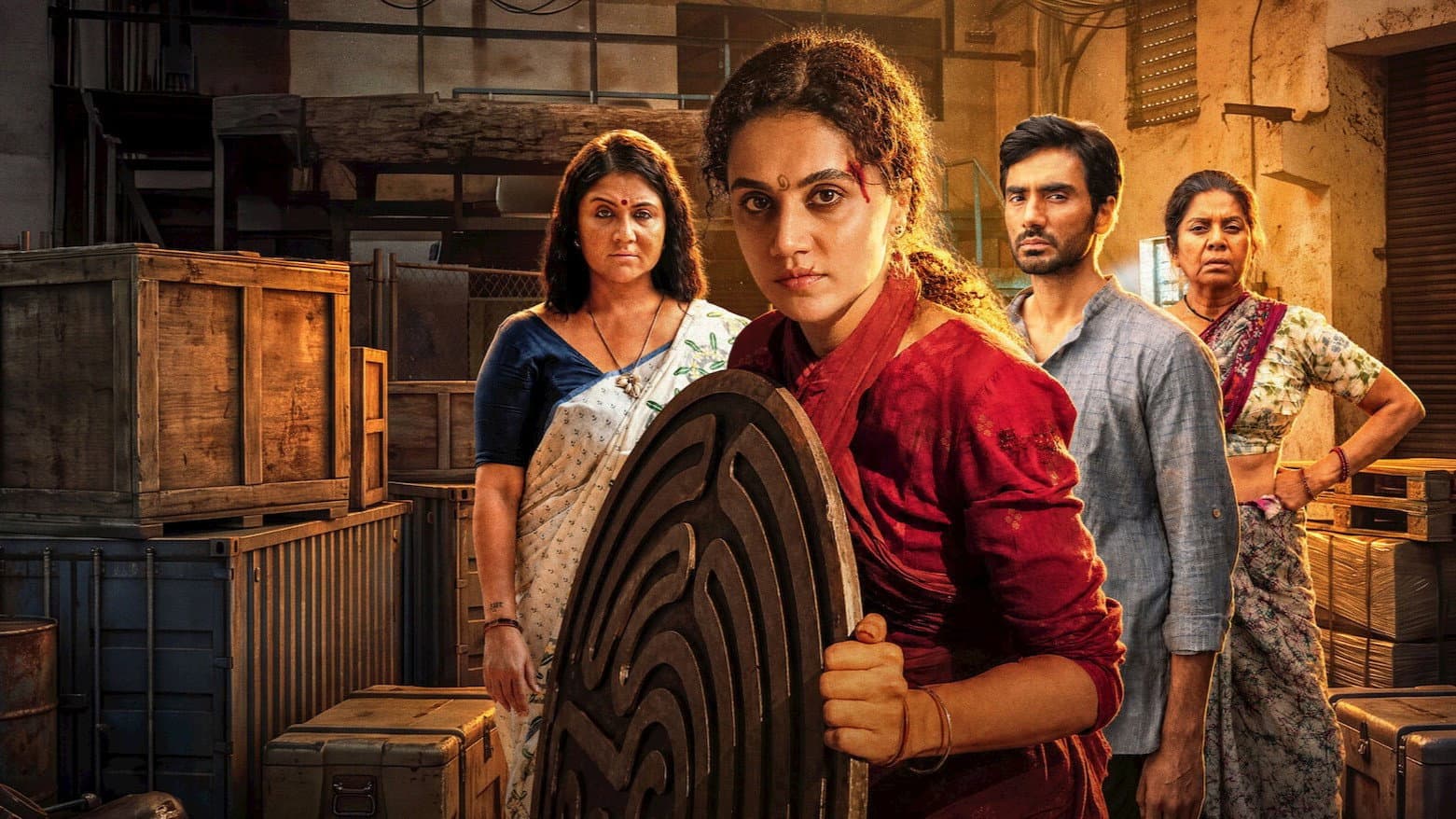
The title alone - Gandhari - carries the weight of myth. It evokes the fierce, tragic queen of the Mahabharata, a mother who chose blindness rather than see her sons perish. Director Devashish Makhija, known for his unflinching gaze into the human abyss, has taken that archetype and dragged it into the brutal, unforgiving present. The result, released in cinemas today, is not a mythological retelling. It is a raw, visceral thriller that asks a harrowing question: what does a mother do when the state fails and her world goes dark?
The answer, for Bani (Taapsee Pannu), is nothing short of catastrophic action. The official synopsis is sparse, yet its simplicity is its power: a woman loses her eyesight and, in the same cruel stroke of fate, loses her daughter to a kidnapping. Bereft of sight and plunged into a nightmare, she decides to hunt down those responsible. It is a premise that could easily slide into exploitative territory, but under Makhija’s control, it becomes a study in focused, blind rage. The 115-minute runtime is lean, but it is anything but mean-spirited - it is precise, a taut wire pulled until it vibrates with tension.
Makhija has never made an easy film. From the searing caste allegory of Bombay Talkies’ segment to the gut-punch of Bhonsle, he has consistently chronicled the rage of the disenfranchised. With Gandhari, he turns his lens on a woman stripped of her primary sense and her societal anchor - her child. This is not a superhero origin story; there is no radioactive spider here. Bani’s transformation is born from desperation, a feral instinct that overrides disability and social expectation.
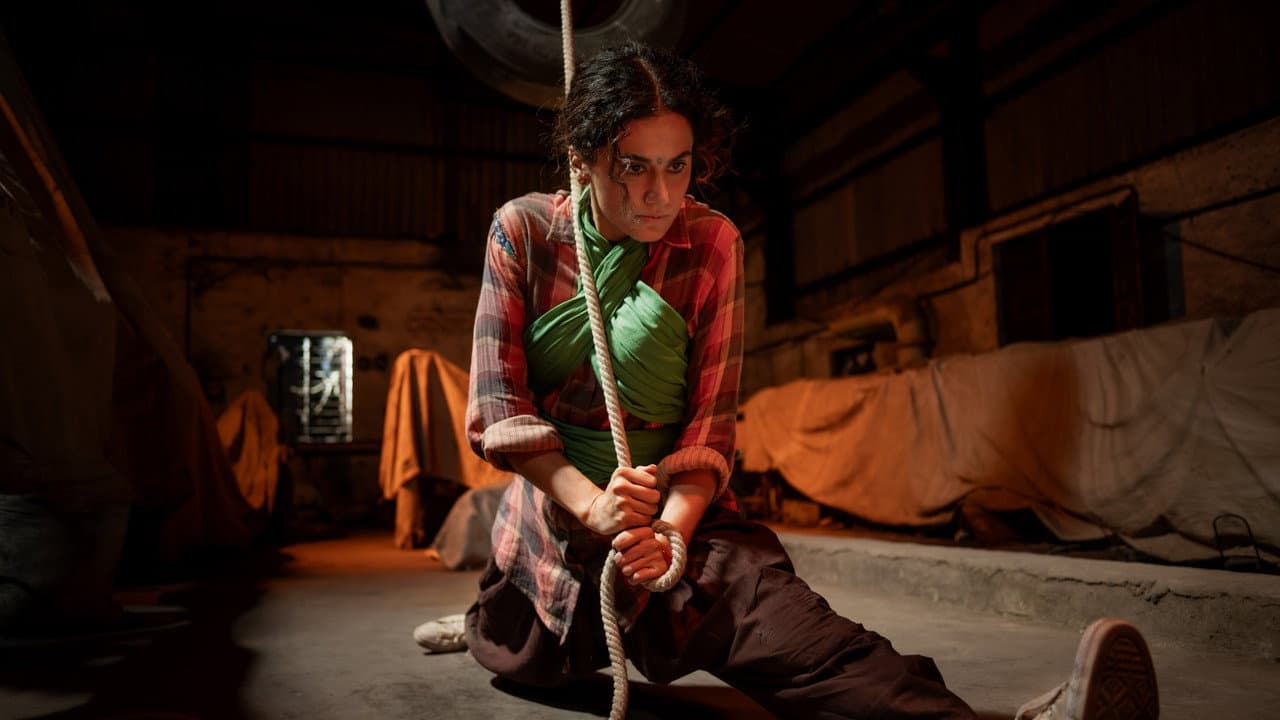
"Bani is not a vigilante in a cape," Pannu, who delivers a ferociously internal performance, is known to have said during promotions, framing the character's evolution. "She is a woman who has spent her life navigating with her eyes open, and suddenly she is in a world of permanent night. Her grief is so loud that it becomes a sonar. Every sound, every footstep, every heartbeat is a clue." The actress, no stranger to author-backed roles in Pink and Thappad, here dives deeper into physicality. She moves with the hesitant, then terrifyingly assured steps of someone who is mapping a hostile landscape with her skin.
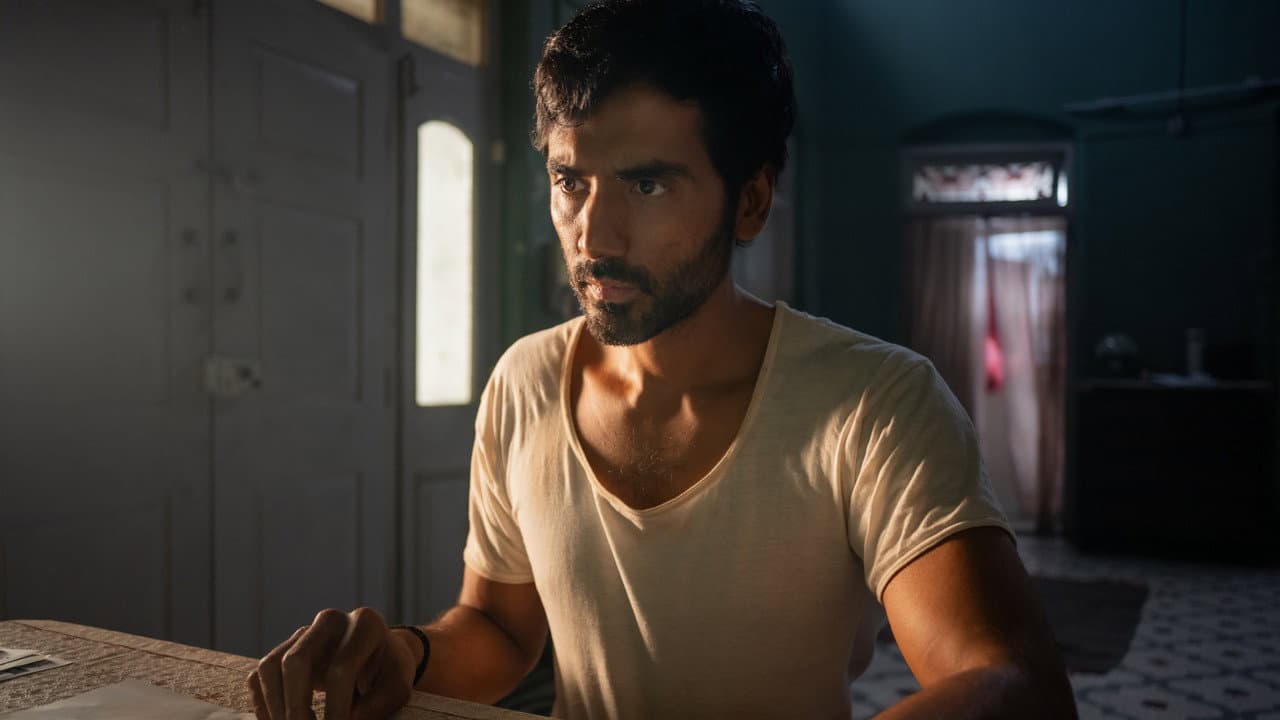
The supporting cast is a murderer’s row of Indian cinema’s finest character actors. Ishwak Singh plays Gokul, whose relationship to Bani and the kidnapping remains a clouded mystery that unravels with deliberate pacing. Alongside him, the formidable trio of Mita Vashisht, Swastika Mukherjee, and Chhaya Kadam populates a world that feels lived-in and dangerous. They are not mere plot devices; they exist in the grime of this thriller, adding layers of moral ambiguity. Jatin Sarna and Prashant Narayanan, actors who can convey menace with a twitch, inhabit the shadows where the predators lurk.
What distinguishes Gandhari from the typical action-thriller is Makhija's approach to the action itself. There are no slick, slow-motion hero shots. Instead, the violence is fragmented, chaotic, and sensory. The camera often stays tight on Pannu’s face, forcing the audience to experience the disorientation. We hear the scuffle before we see it; we flinch at sounds we cannot place. It is a bold, immersive technique that places us squarely in Bani’s non-visual world. The sound design - often an afterthought in mainstream cinema - becomes the primary storyteller here, creating a landscape of dread that is far more effective than any CGI explosion.
But Gandhari is fiercely contemporary in its politics, even if it is set in a recognizable, distressed urban milieu. It is a scathing commentary on the systemic apathy that greets crimes against women and children in India. It asks why a mother must become a one-woman army to find a justice that institutions are too slow, or too indifferent, to provide. The film does not offer easy answers, nor does it exonerate Bani’s methods. It simply presents her journey as a horrible, unavoidable consequence of a society that looks away.
It is a demanding watch. There is no respite in its 115 minutes, no comic relief to cut the tension. Pannu’s eyes, once her most expressive tool, are covered and obscured, forcing her to act through the set of her jaw, the tremor in her hands, and the shifting posture of her shoulders. It is a masterclass in restraint that leads to explosive outbursts of violence.
Mid-way through the second act, a line of dialogue resonates with chilling clarity. Gokul, questioning her relentless pursuit, warns her about the cost of her obsession, to which Bani’s retort is a whisper of steel. "My daughter was taken from me in the light," she says, "I will find her in the dark." That is the essence of Gandhari - a refusal to be a victim, a descent into the abyss to drag out the truth, even if it leaves the seeker bloodied and broken.
Bolstered by a haunting score and Makhija’s uncompromising direction, Gandhari is not a comfortable Sunday matinee. It is a disturbing, effective piece of genre cinema that solidifies Taapsee Pannu as an actress unafraid to bare her soul while breaking bones. While it might not appeal to those seeking a traditional, song-and-dance Bollywood escape, for those craving a potent, socially aware thriller, Gandhari is a singular, blinding experience. Just do not expect to look away.