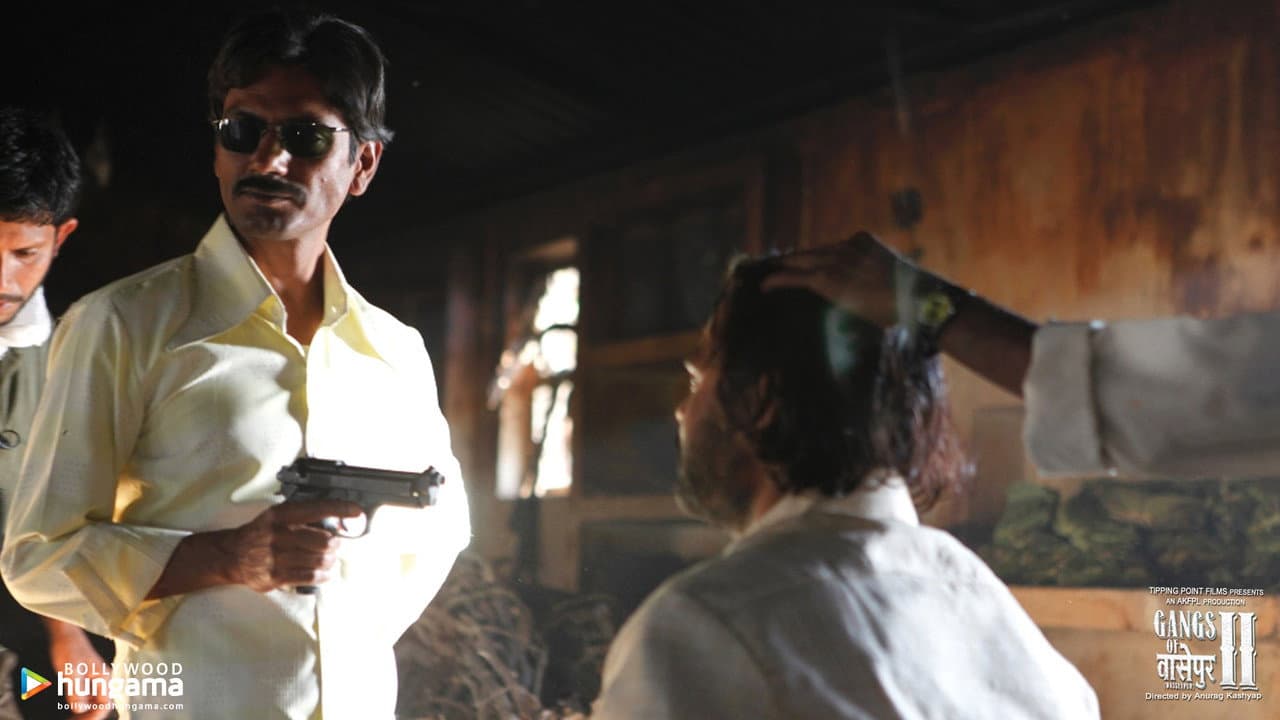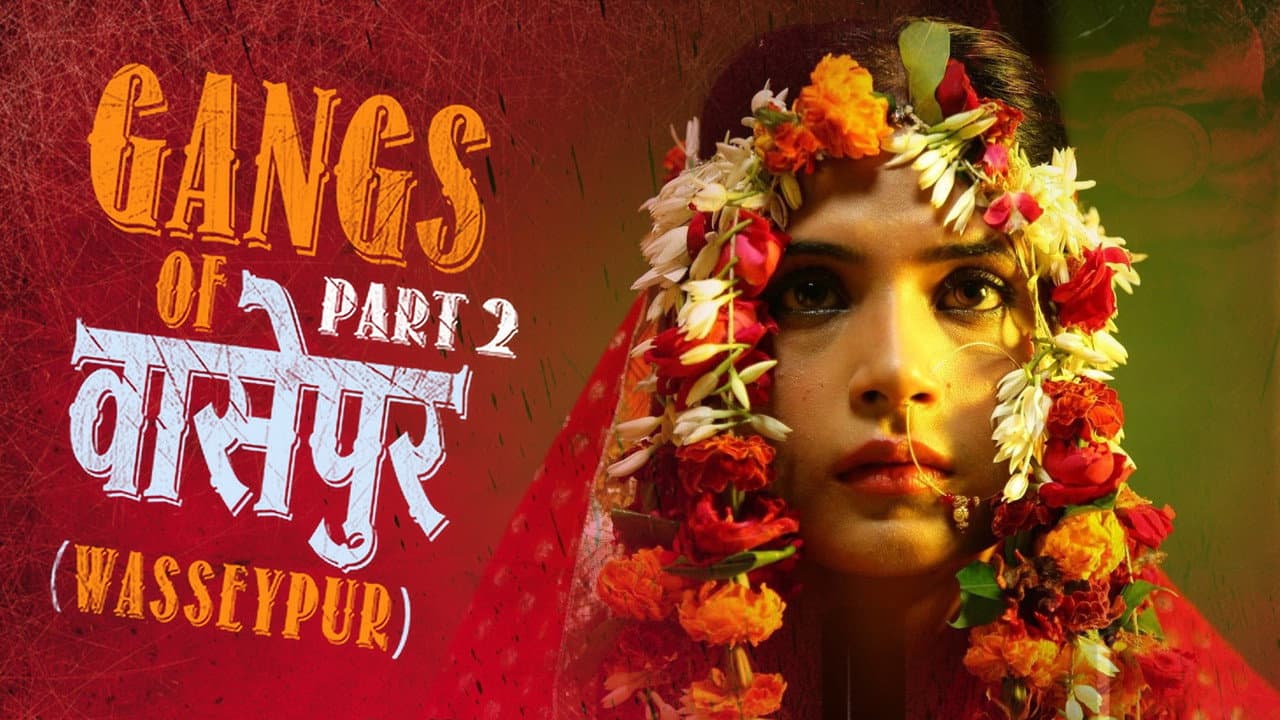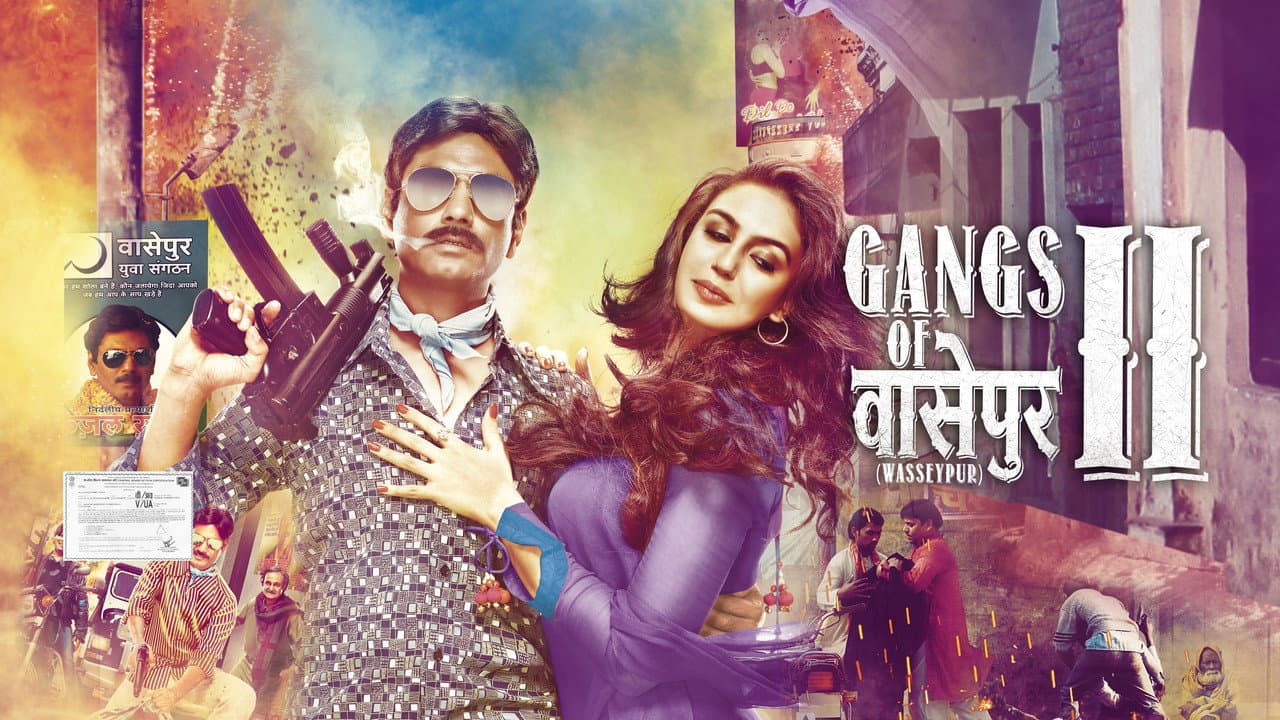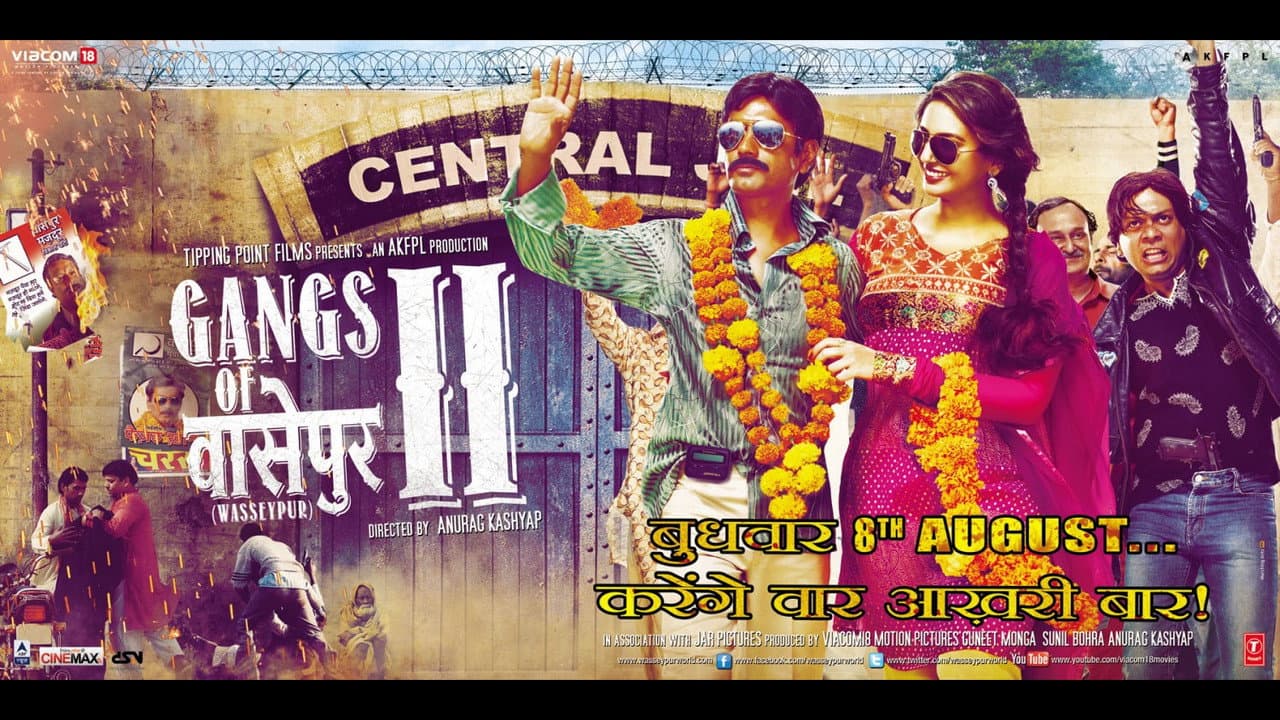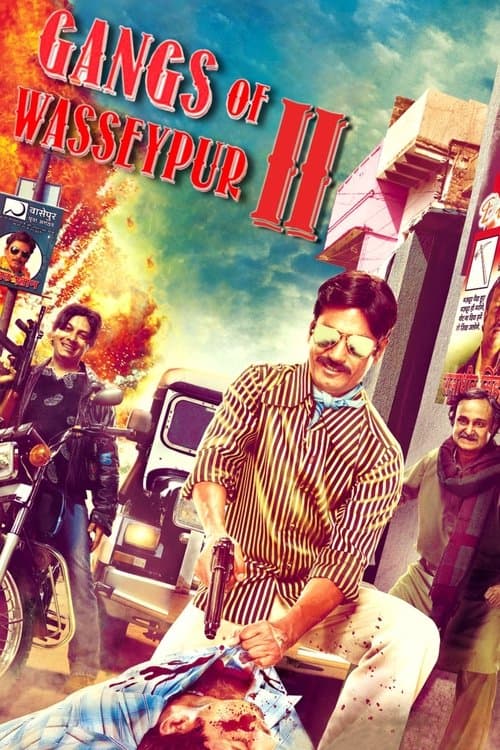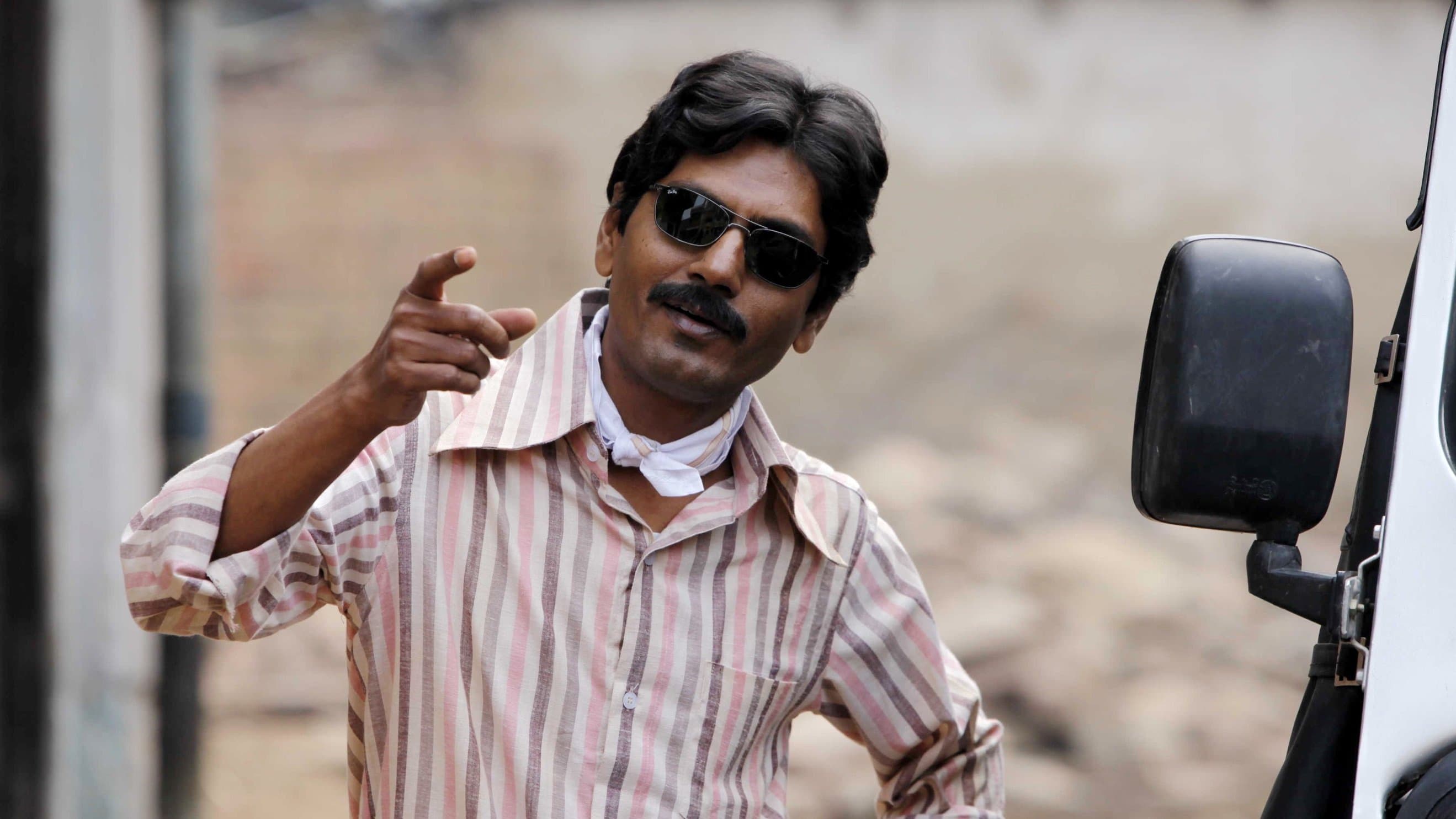
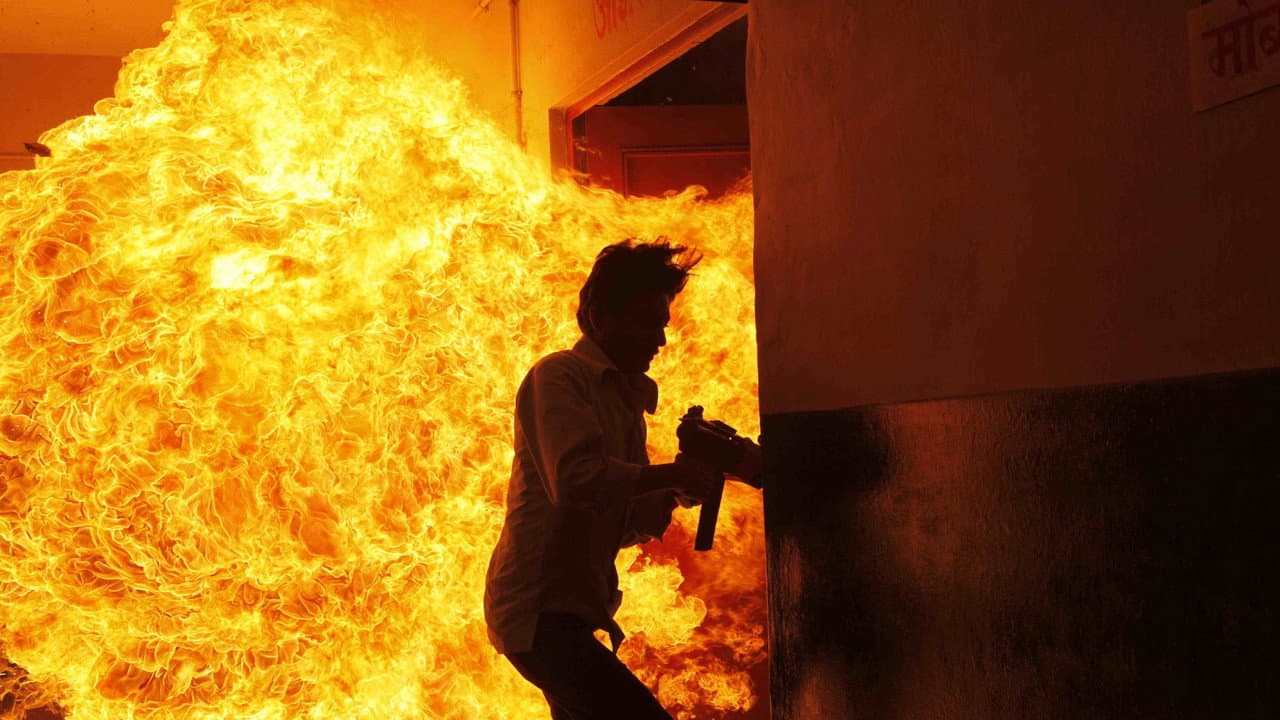
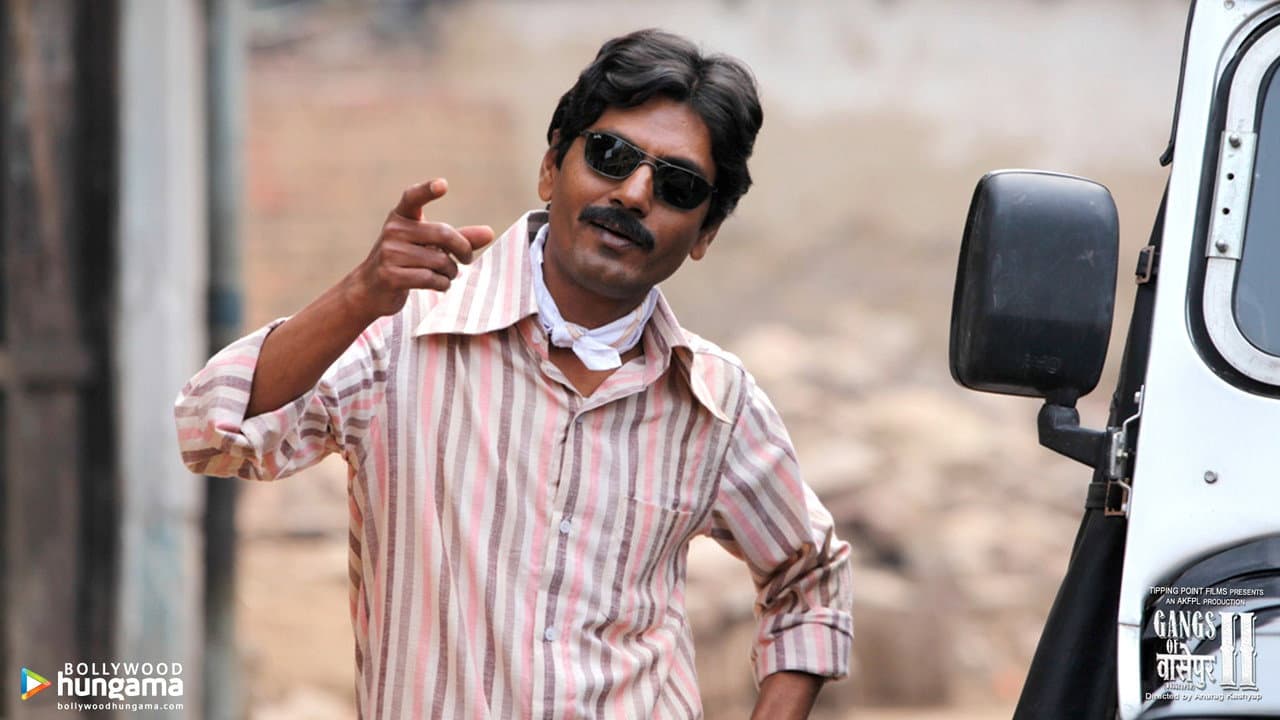
Fourteen years after Gangs of Wasseypur 2 first detonated across Indian screens on August 8, 2012, Nawazuddin Siddiqui is looking back at the character that cemented his place as one of the country’s finest actors. In a fresh interview timed to the film’s anniversary, the star revealed that his iconic portrayal of Faizal Khan - the soft-spoken, poetry-quoting killer - drew surprising inspiration from the zamindars of his native village in Uttar Pradesh. The film, directed by Anurag Kashyap, remains a landmark in Hindi cinema, blending crime, action, and gallows humour into a 160-minute epic that still commands a devoted following.
The Village Roots of a Cinematic Anti-Hero
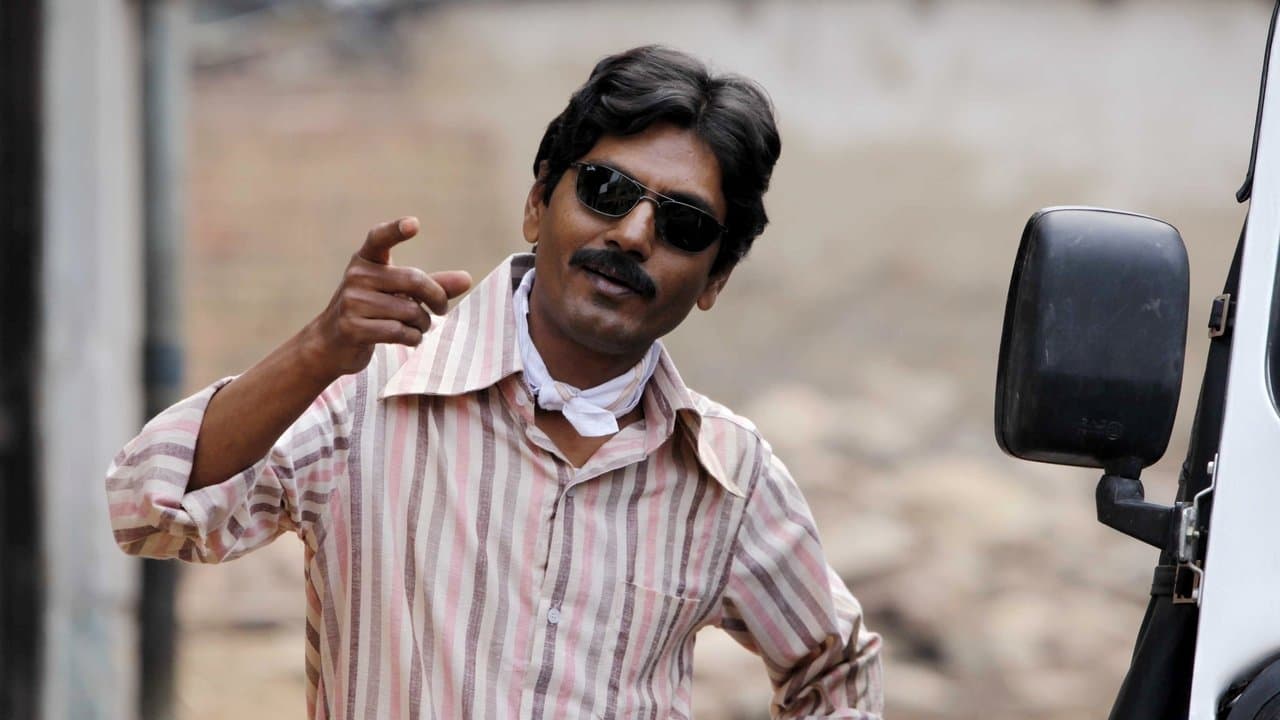
Siddiqui, who grew up in Budhana, a small town in Muzaffarnagar district, explained that the mannerisms and quiet menace of Faizal weren’t born in a writer’s room but observed in the feudal landlords who ruled his childhood environment. These zamindars, he noted, never raised their voices. Their authority came from stillness, from the way they held a hookah or fixed a gaze, and from the unsettling calm that preceded any act of violence. The actor said he channelled that specific energy - the unhurried walk, the half-lidded eyes, the deliberate pause before a bullet leaves the barrel - into a character who speaks in couplets but kills without hesitation.
That duality, Siddiqui argued, was what made Faizal feel so real. The zamindars he remembered were not cartoonish villains; they could recite Mirza Ghalib in one breath and order a beating in the next. For the actor, that contradiction was the heart of the performance. He didn’t need elaborate dialogue or theatrical gestures. Instead, he leaned into the body language of men who had never been challenged, whose power was so absolute that they could afford to be gentle - until they weren’t. The result was a portrayal that felt less like acting and more like summoned memory, a man who carries both the poetry of loss and the arithmetic of revenge in equal measure.
A Character Forged in Grief
In Gangs of Wasseypur 2, Faizal is not born a killer. He is the younger son of Sardar Khan, played by Manoj Bajpayee, a man consumed by his feud with Ramadhir Singh, the ruthless politician-gangster portrayed by Tigmanshu Dhulia. When Sardar is killed and Faizal’s brother Danish also falls, Faizal inherits a war he never asked for. The film’s official synopsis captures it plainly: after the death of his father and brother, Faizal vows to destroy Ramadhir Singh’s gang, no matter the cost. What follows is a slow-burn transformation from a gangster’s reluctant heir into a cold, calculated avenger, all while he falls for Mohsina, played by Huma Qureshi, and tries to carve out a life beyond the violence.
Siddiqui’s interview made clear that his approach to Faizal’s grieving process was deeply personal. He didn’t see the character as a typical Bollywood action hero, someone who erupts in rage after a family loss. Instead, Faizal’s mourning is internal, almost suffocated. The actor said he modelled that restraint on the way village patriarchs processed death - not with public wailing but with a quiet, coiled fury that could surface months later, in an unexpected place, at an unexpected time. That patience, he believes, is why audiences still quote Faizal’s lines and mimic his mannerisms all these years later. The character wasn’t just violent; he was waiting, and waiting is always more interesting to watch than striking.
A Supporting Cast That Became Legends
It’s impossible to discuss Faizal without acknowledging the ensemble that Kashyap assembled around him. Richa Chadha delivered a fiery turn as Nagma, the widow who refuses to be a victim. Rajkummar Rao, in one of his earliest significant roles, played Shamshad Alam with a nervous energy that balanced Faizal’s stillness. Pankaj Tripathi brought his signature wit to Sultan Qureshi, Zeishan Quadri anchored the chaos as Definite, and Bajpayee, as Sardar Khan, set the whole story in motion with a performance that remains a benchmark for screen villainy with a human face. The interplay between these actors, many of whom were relatively unknown at the time, is a major reason the film has aged so well.
Critics and audiences have kept scoring it highly over the years; the film currently holds a TMDb rating of 7.729 out of 10, a solid indicator of lasting regard. But numbers don’t capture the film’s cultural footprint. It turned slang like “Faizal, Faizal” into a meme before memes were mainstream. It made the Mangrove, a small theatre in Mumbai, a pilgrimage site for cinephiles who watched the two parts back-to-back. And it proved that Hindi cinema could produce a crime saga with the grit of a Martin Scorsese film, but rooted entirely in the soil of Bihar and eastern Uttar Pradesh.
Fourteen Years Later, The Hunger Remains
Asked whether a third part could ever happen, Siddiqui was characteristically evasive, but he did say that Faizal is the kind of role an actor hopes to play once in a lifetime. He credited Kashyap for giving him the space to improvise, to bring those zamindar memories into the frame, and to trust that a man who quotes poetry between murders could be both terrifying and heartbreaking. For now, the film stands as a frozen moment in time - a snapshot of a cast before they all became stars, a director at the peak of his fearless run, and an actor who turned the memory of village landlords into a screen icon.
Fans marking the anniversary on social media have been sharing clips of Faizal’s most memorable scenes, from his first meeting with Mohsina to his final confrontation with Ramadhir. Siddiqui’s revelation adds fresh layers to those viewing sessions. Knowing that the character’s quiet menace was borrowed from real men who once held court in mustard fields makes the performance feel even more lived-in. Fourteen years on, Gangs of Wasseypur 2 isn’t just a cult favourite; it’s a textbook example of how personal history can be transmuted into art, and how a killer with a couplet on his lips can still stop us cold.
Source: Filmibeat