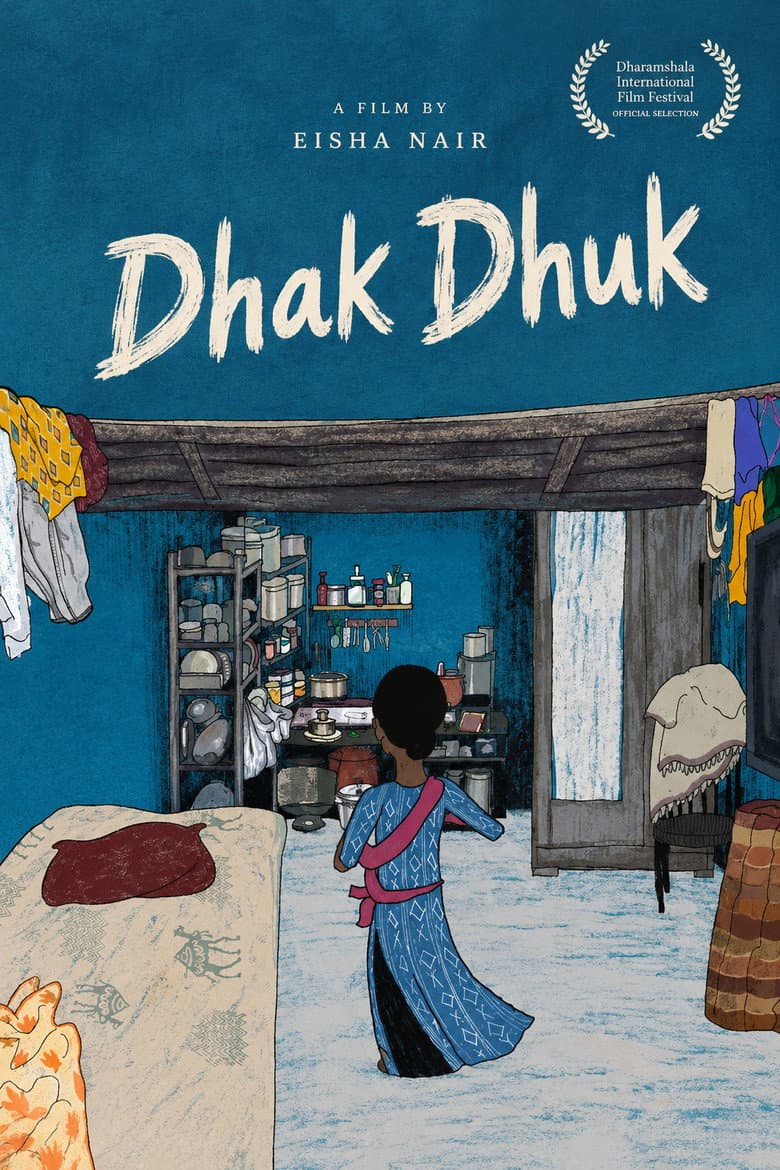
There is a particular kind of silence that fills the space between a mother’s dream and her child’s reality, and it is precisely this quiet, aching territory that director Eisha Nair explores in her upcoming animated short, Heartbeat. Set against the sprawling, relentless backdrop of Mumbai’s Bhavani Nagar slum, the film arrives as a poignant reminder that ambition is rarely a straight line. Slated for release at the tail end of October, this eight-minute venture promises to be a masterclass in economical storytelling, packing a lifetime of emotional weight into a runtime shorter than a coffee break.
Release Date & Where to Watch
Mark your calendars for October 29, 2026, when Heartbeat makes its digital debut. While theatrical releases for short films are often limited, the buzz surrounding this project suggests it will be a significant addition to the streaming landscape this festive season. Audiences should look to major platforms that champion independent and animation cinema, as the film is expected to drop just in time for the weekend, offering a brief but profound viewing experience. Given its runtime of just eight minutes, it is the perfect palate cleanser for viewers seeking something substantive amidst the usual big-budget holiday fare.
Cast & Crew
In a departure from the star-driven culture of Bollywood, Heartbeat relies on the purity of its medium rather than celebrity voiceovers. The cast remains unannounced, with the filmmakers opting to keep the focus squarely on the narrative and the visual artistry. This anonymity serves the story well; these are not larger-than-life heroes, but everyday people whose voices deserve to be heard without the distraction of a famous face.
At the helm is Eisha Nair, a director known for her nuanced approach to social realism. With Heartbeat, Nair steps into the realm of animation, a genre often unfairly pigeonholed as children's entertainment in the Indian context. She uses the medium not for fantastical escapes, but for heightened emotional reality. The film is a product of the Bollywood industry, crafted originally in Hindi, ensuring that the cultural cadence and the specific socio-economic textures of Mumbai are authentic. The animation style, judging by the first-look materials, appears to blend hand-drawn warmth with digital precision, creating a world that feels both intimate and vast.
Story & What to Expect
The synopsis is deceptively simple, yet it carries the weight of a thousand social commentaries. We meet Vimal, a domestic worker in the dense labyrinth of Bhavani Nagar. Vimal is a woman forged by the hardships of a life she didn't choose; she never attended school. Consequently, her entire existence has been dedicated to ensuring her daughter, Sonali, does not inherit that same fate. Vimal’s dream is concrete: she wants Sonali to secure an office job, to sit in a chair that doesn't require cleaning, to wear clothes that don't get dusty.
However, reality delivers a cruel twist. Sonali is diagnosed as a "slow learner." In a society where academic achievement is often treated as the sole metric of a child's worth, this diagnosis threatens to shatter Vimal's carefully constructed hope.
What to expect from Heartbeat is not a melodramatic tearjerker, but a delicate observation of resilience. The film portrays the bond between mother and daughter as they navigate the intersection of work, learning, and love. The title itself suggests the rhythm of life - the pulse of the city, the beat of a mother's anxious heart, and the staggered, unique tempo at which Sonali learns and grows. The narrative will likely challenge the stigma attached to learning disabilities, particularly within marginalized communities where resources are scarce and the margin for error is non-existent. Expect a visual journey through the crowded alleys and cramped homes of Bhavani Nagar, where the animation brings a vibrant, breathing quality to the struggle of the working class.
Why It's Worth Watching
In a cinematic landscape often dominated by three-hour spectacles, Heartbeat is a necessary interruption. It is worth watching because it dares to find grandeur in the mundane. Eisha Nair is tackling a subject that is frequently overlooked in mainstream Indian cinema: the intersection of class, education, and disability.
Firstly, the film represents a significant step for adult animation in Bollywood. By utilizing the medium to tell a grounded, human story, it challenges the notion that animation is strictly for kids. It allows for an expressionistic take on Vimal's internal world - her anxieties, her prayers, and her relentless hope.
Secondly, the story speaks to the universal fear of parental failure and the societal pressure to conform to a specific definition of success. Vimal’s journey from expecting a doctor or a clerk to simply understanding her daughter’s “heartbeat” is a narrative arc that will resonate with any parent who has had to recalibrate their dreams for their children.
Finally, the film offers a window into the lives of Mumbai’s invisible workforce. These are the women who clean our homes and raise our children, yet their own ambitions and struggles remain largely unrecorded. By centering Vimal, the film restores dignity and agency to the domestic worker, portraying her not just as a victim of circumstance, but as a fierce advocate for her child’s future.
At just eight minutes, Heartbeat asks for very little of your time but promises to leave a lasting impression. It is a gentle, urgent reminder that sometimes, the most profound lessons in life are found not in textbooks, but in the quiet courage of a mother and the unique, beating heart of a child who learns differently. Do not miss this one.