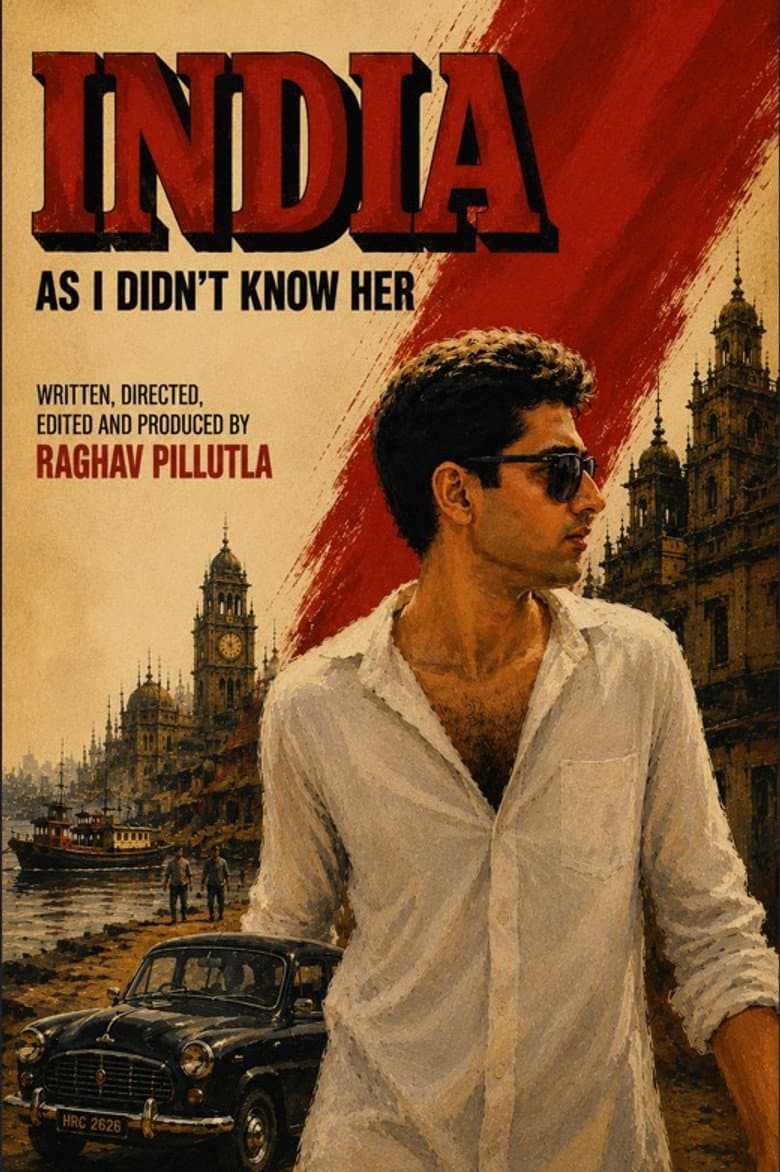
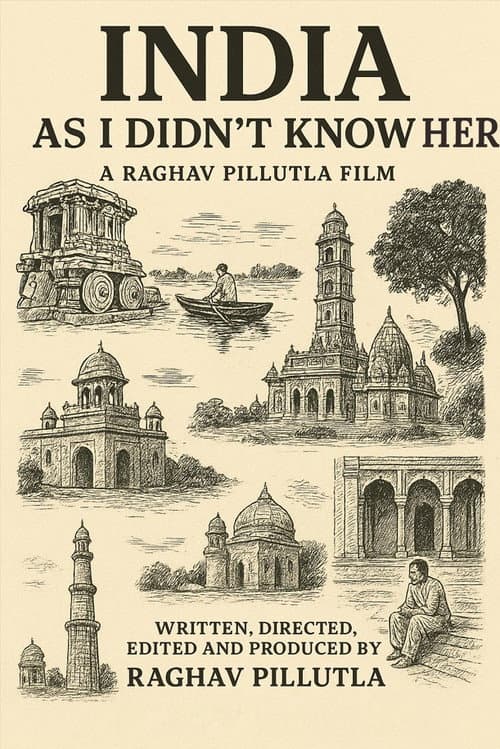
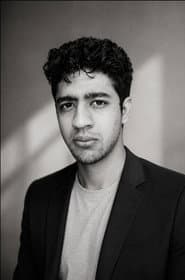
What strikes you first is the texture. Pillutla shoots much of the film himself, and the intimacy of that constraint is palpable. Faces fill the frame without the polish of a professional crew. Conversations overlap. Sound drops out. A shot will hold a beat too long, then cut abruptly, as if the director got bored of his own image. It is rough in a way that reads as intentional, though not always as controlled.
The film's strongest passages have a dreamlike quality, drifting between comedy and melancholy without warning. A roadside negotiation turns into an accidental meditation on hospitality. A bus ride becomes a study in collective silence. Pillutla has an eye for the small absurdities of travel - the misplaced confidence of a man who thinks he understands a place after three days - and he's willing to turn that eye on himself. As a performer of his own life, he's likable in a low-key way, never demanding sympathy, never performing profundity.
Where the film stumbles is in its rhythm. Seventy-eight minutes is a lean runtime, but the middle stretch sags under the weight of encounters that feel interchangeable. The "fever dream" framing, mentioned in the film's own description, occasionally becomes an excuse for looseness rather than a stylistic choice. Some viewers will find the ambiguity enriching; others will find themselves checking how much time is left.
It also has to be said: there's no rating data yet, and that's unsurprising for a film this small and this new. This isn't a crowd-pleaser with a built-in audience. It's a festival-shaped object, made for people who like their nonfiction messy and their conclusions withheld.
Still, there's something genuinely refreshing about a Hindi-language documentary that resists the urge to explain India to anyone - least of all to itself. Pillutla isn't trying to capture a country. He's trying to catch a feeling before it disappears, and sometimes, briefly, he does.