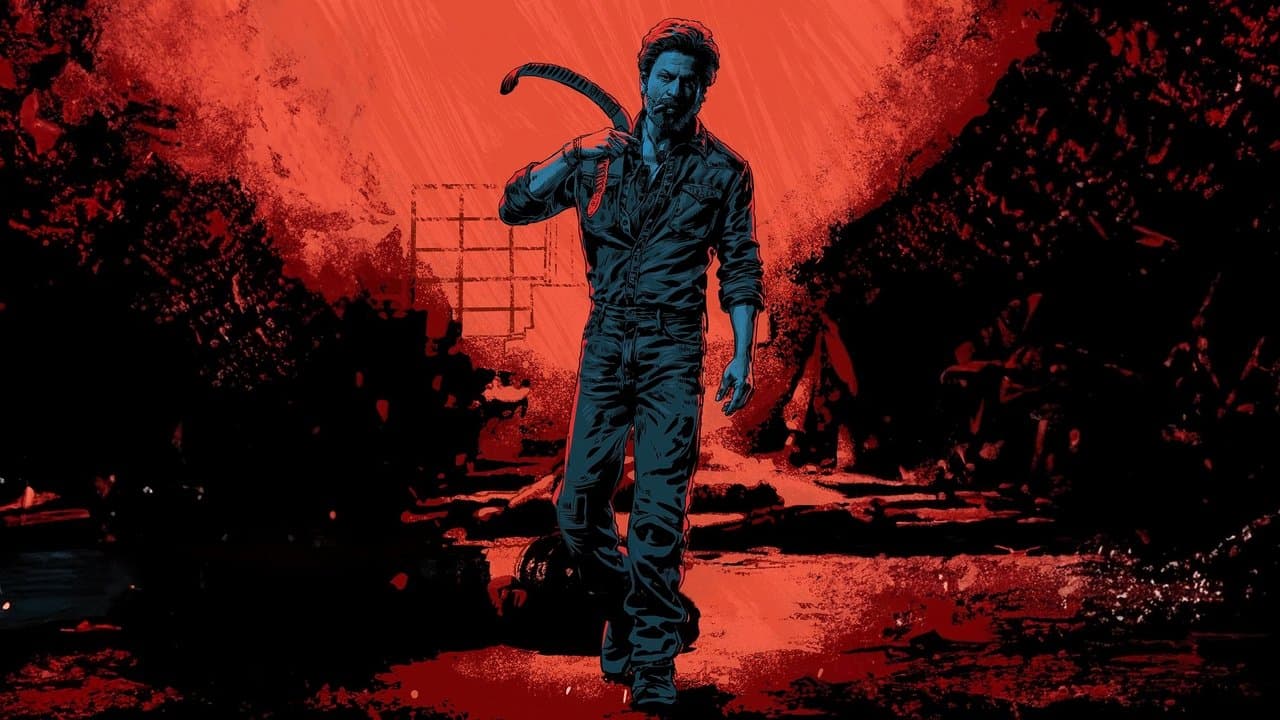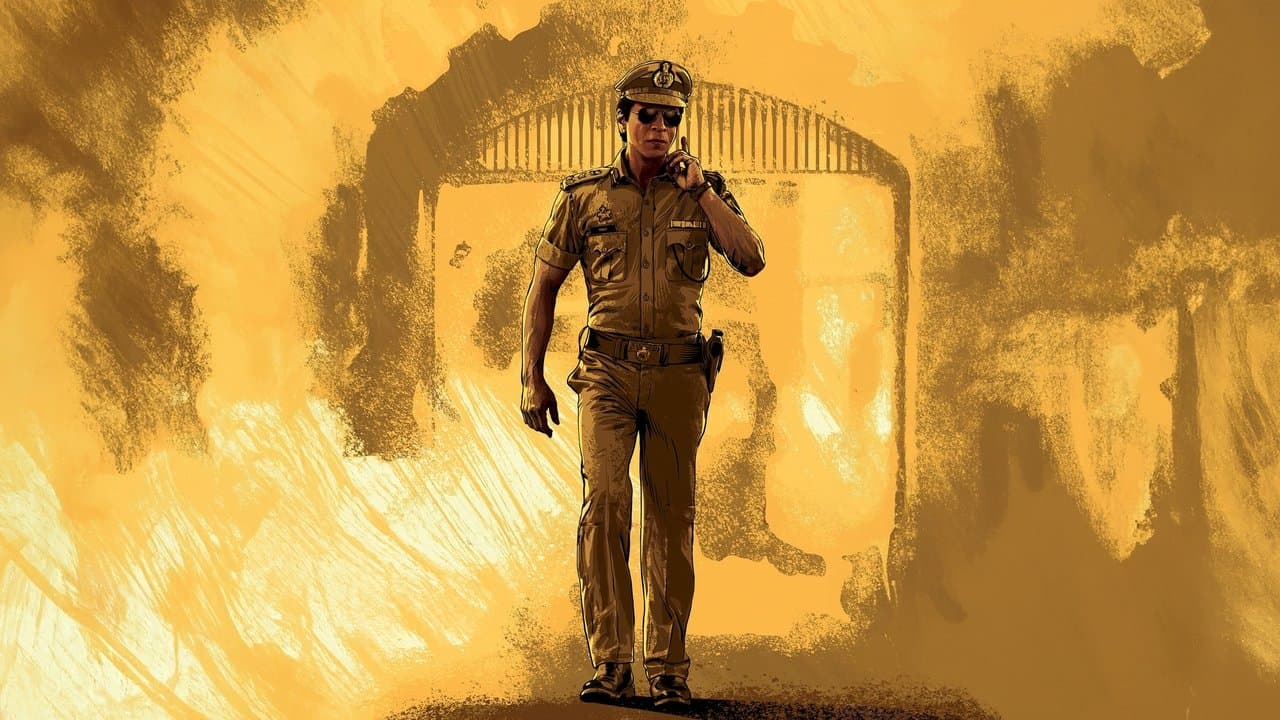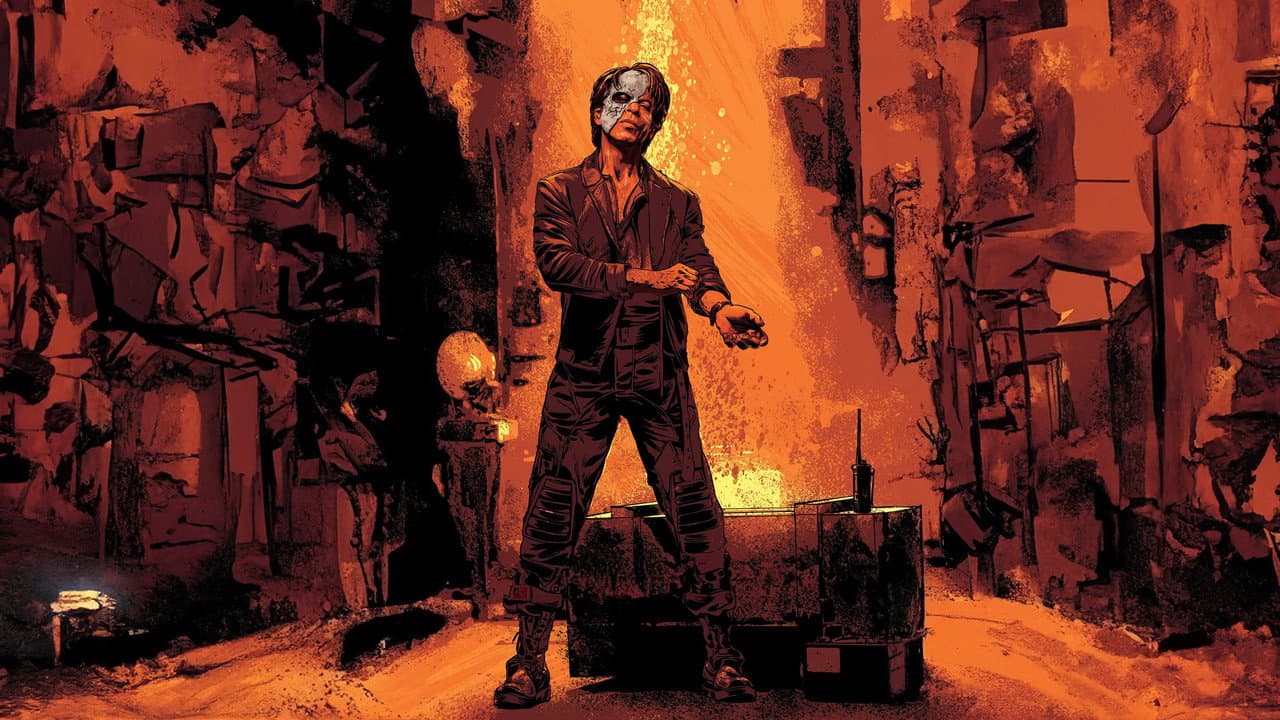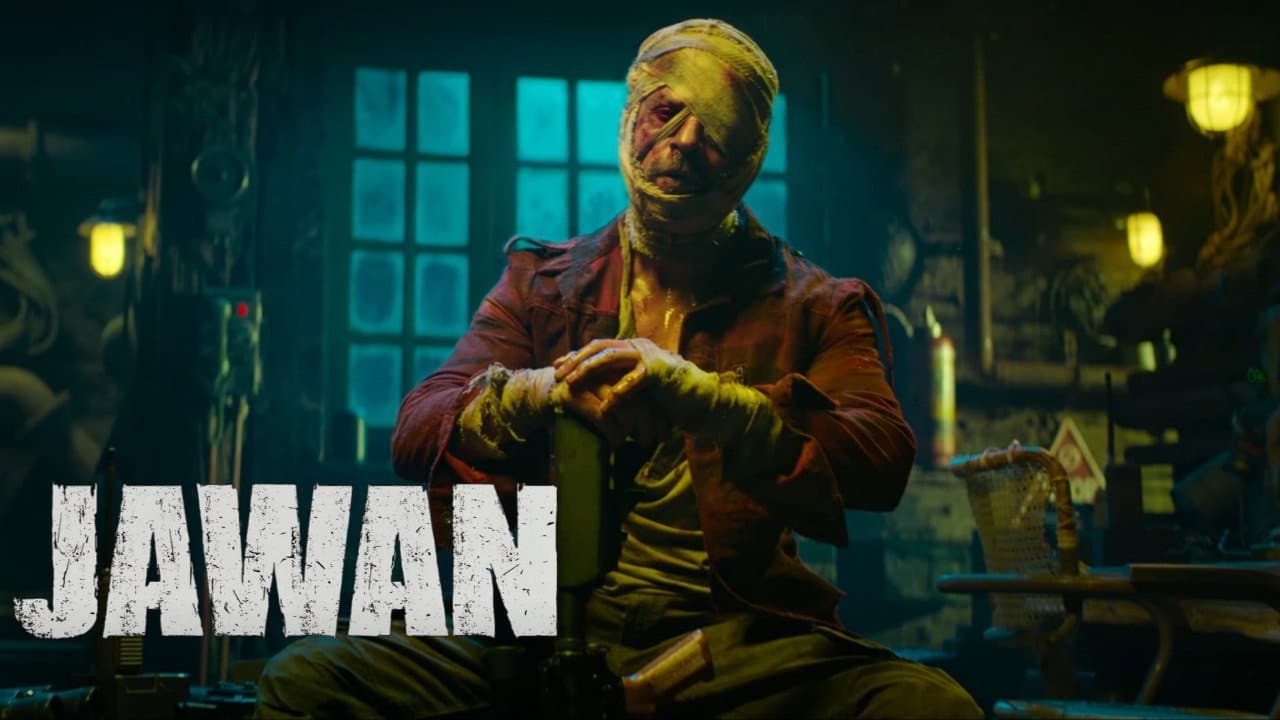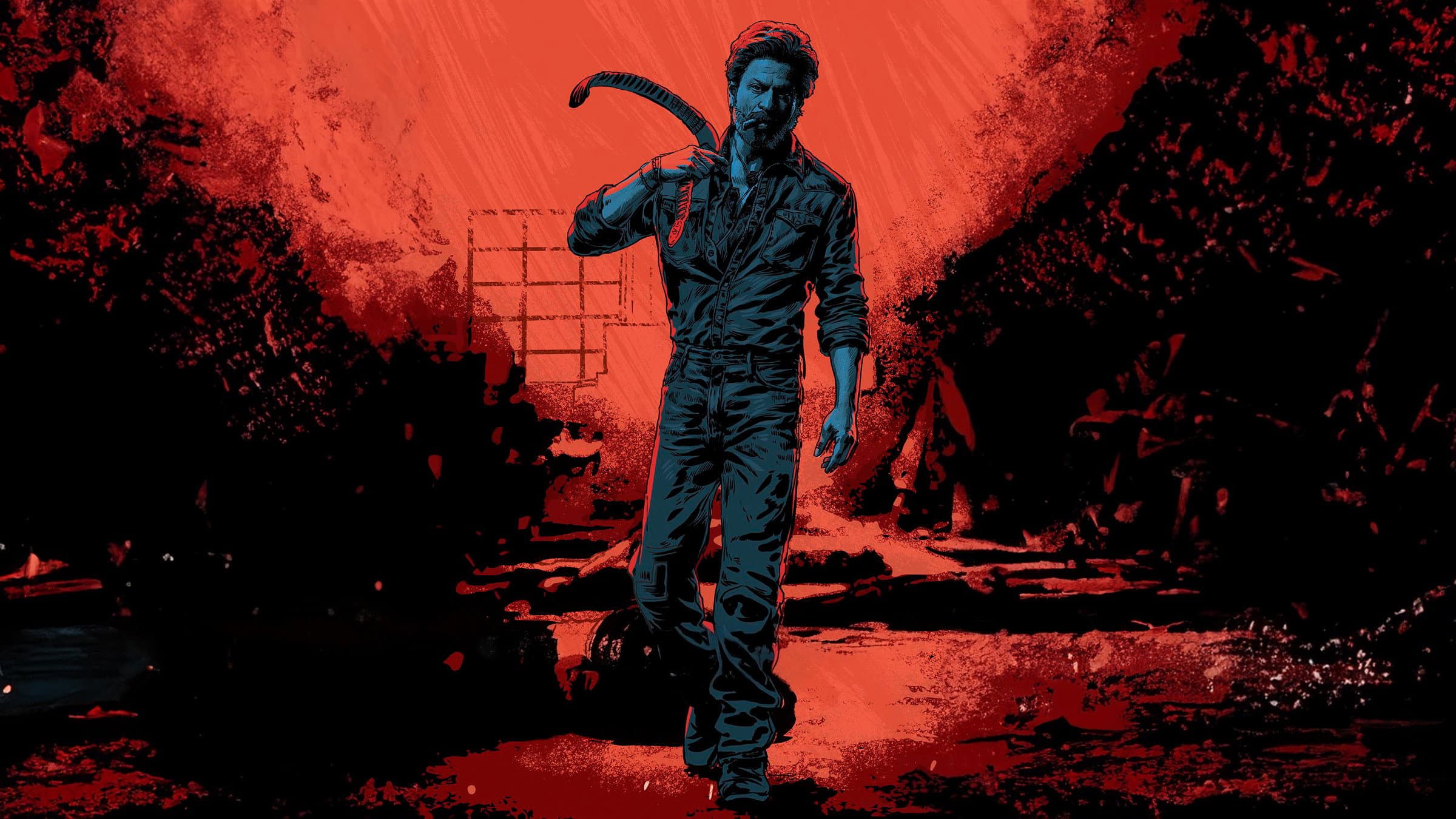
Three years after it roared into cinemas, Atlee’s Jawan remains a towering presence in Bollywood’s recent history, and the film’s anniversary on September 7 once again sparked conversation about its staying power. Starring Shah Rukh Khan in a dual role that anchors a sprawling action-thriller, the movie was never just a commercial spectacle - it was a cultural reset for the star’s post-Pathaan era. As the production turns three, audiences and critics alike have found fresh reasons to revisit a picture that mixes revenge, social commentary, and high-wattage star craft in equal measure. Here’s why the film, which hit theaters on September 7, 2023, continues to demand attention in 2026.
A Dual Performance That Defines the Film’s Core
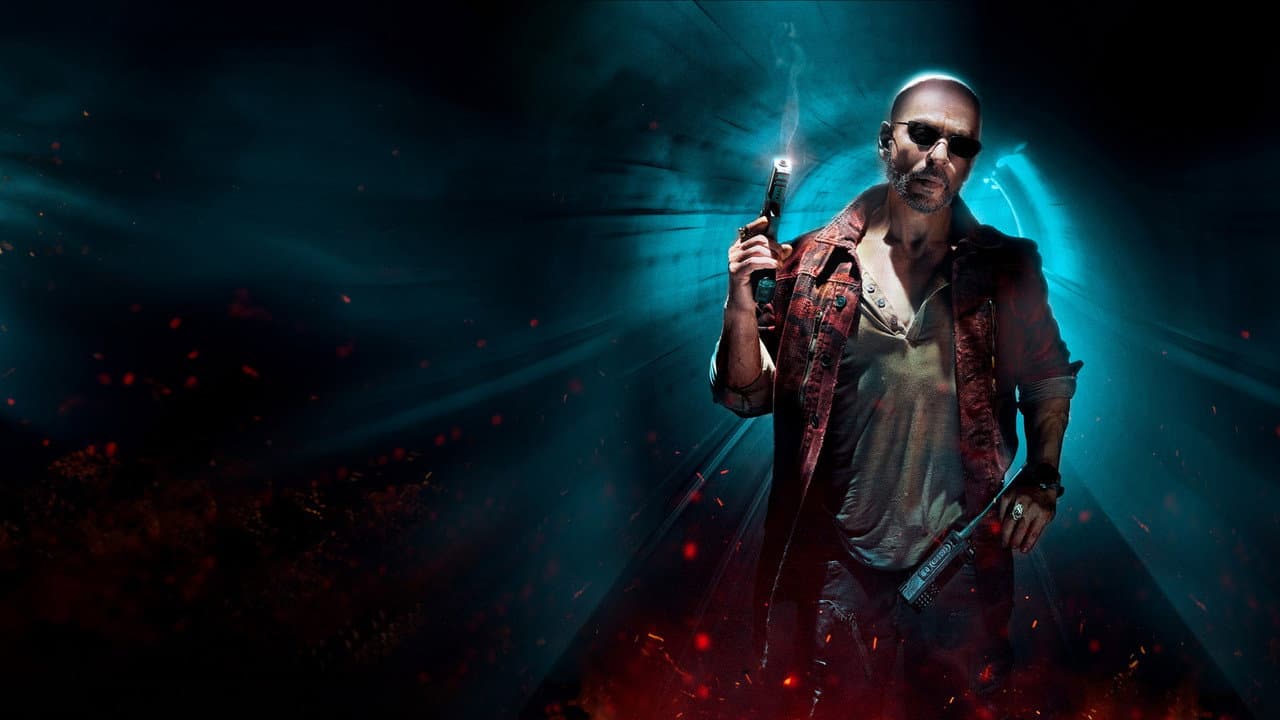
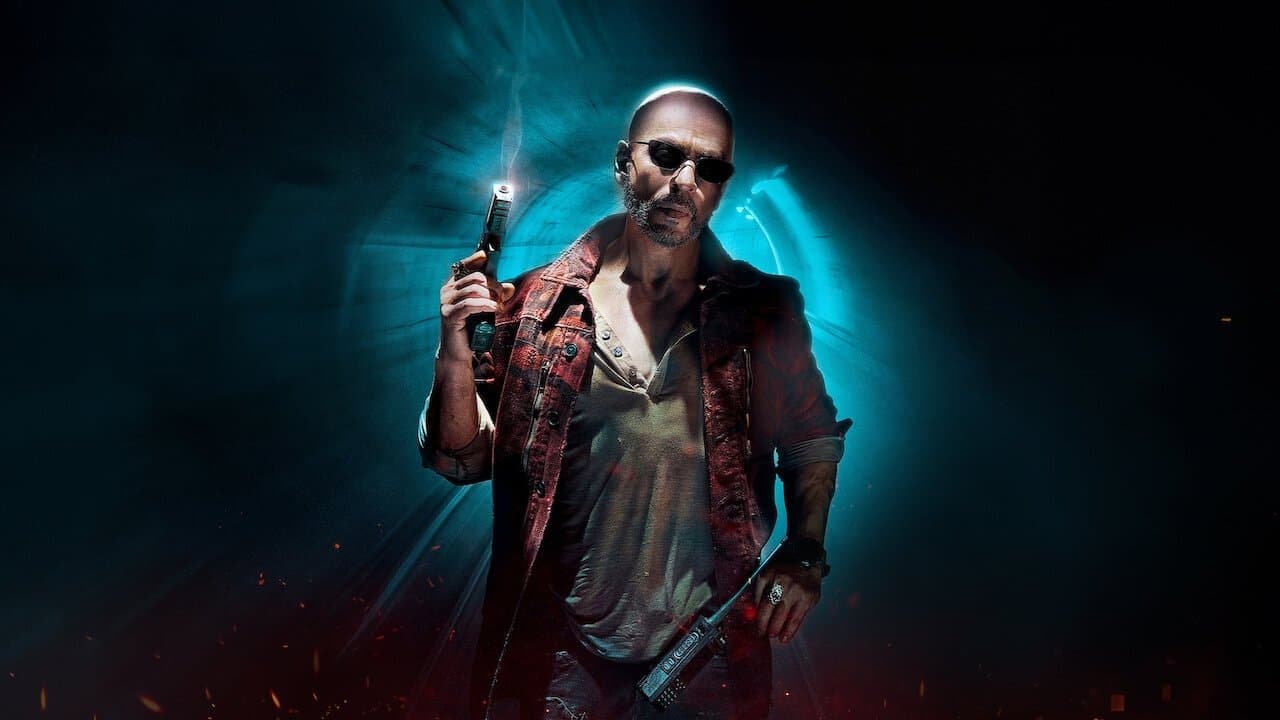
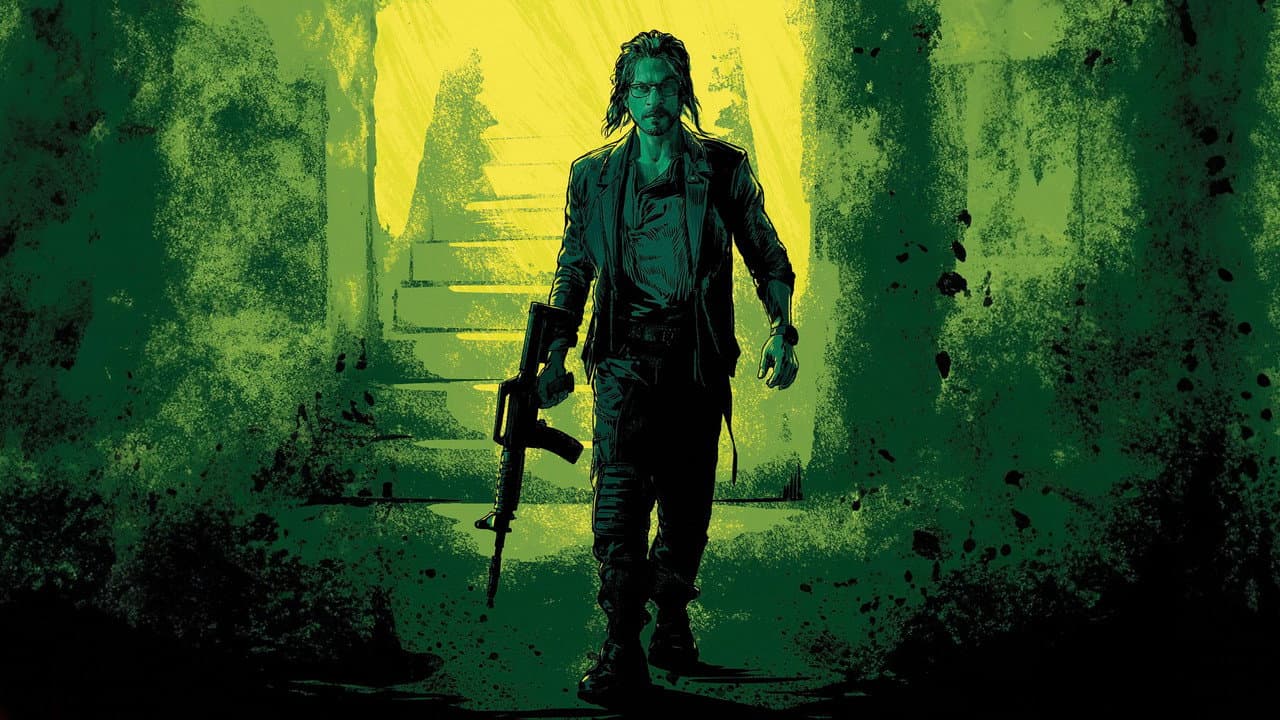
The spine of Jawan rests on Shah Rukh Khan’s ability to play two distinct characters: Vikram Rathore, a haunted prison warden driven by an old promise, and his son Azad, a warden himself who turns a jail into a weapon against systemic rot. Khan switches between paternal gravitas and youthful fire with a precision that keeps the narrative electric. This split-screen mastery is not just a technical gimmick but the emotional engine for a story about legacy, grief, and vengeance. Even three years on, the actor’s transformation remains a masterclass in sustaining two fully realized personas without letting one overshadow the other.
A Villain Who Gives the Hero a Real Fight
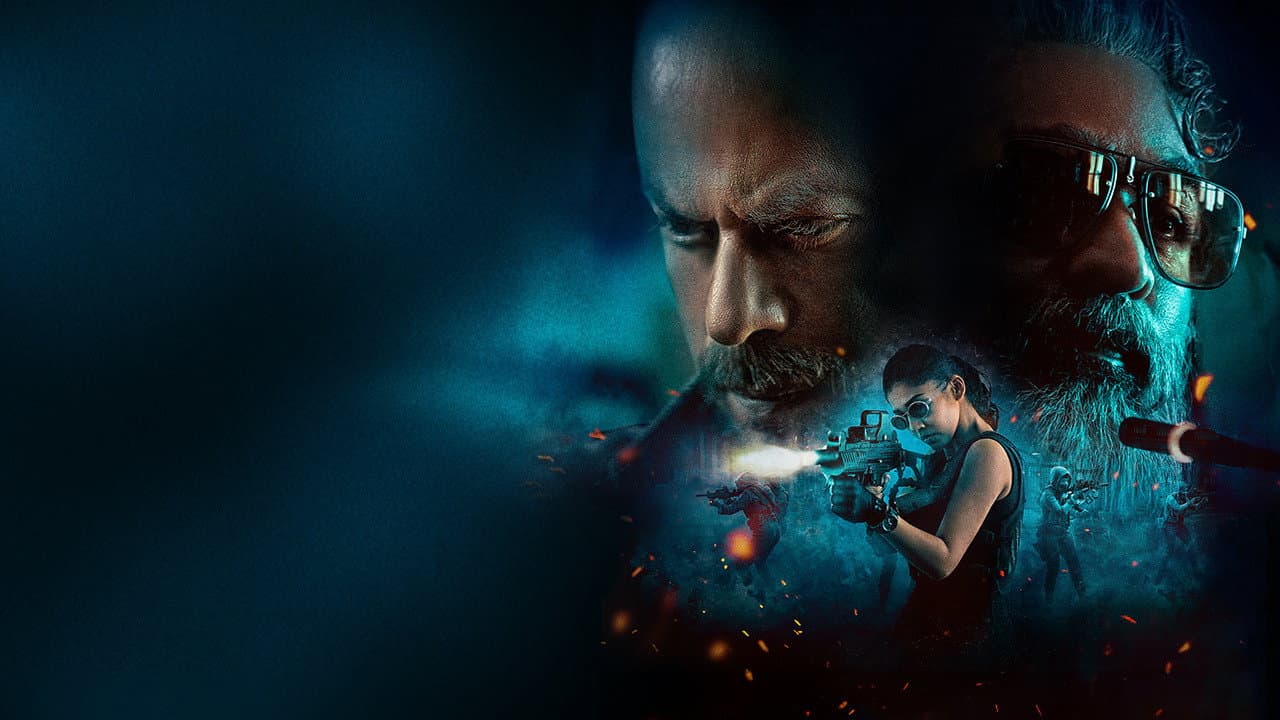
Vijay Sethupathi’s Kalee Gaikwad, a weapons dealer with a silken menace, is the sort of antagonist that elevates every scene he occupies. Sethupathi doesn’t rely on loud theatrics; instead, he builds a chilling calm that makes his outbursts genuinely unsettling. The chess match between Azad and Kalee - where every apparent victory hides a trap - gives the film a strategic tension beyond standard action pacing. Years later, Gaikwad stands out as one of the more memorable adversaries in recent Hindi cinema, partly because his motives are never cartoonish, just ruthlessly transactional.
The Ensemble Cast That Turns a Star Vehicle Into a Broader Story
While Khan commands the marquee, Jawan generously hands space to a formidable lineup. Nayanthara plays Narmada, a police officer whose pragmatism clashes with Azad’s unconventional methods, bringing a grounded counterweight to the film’s melodrama. Deepika Padukone appears in a crucial extended cameo as Aishwarya Rathore, Vikram’s wife, and she leaves a deep impression in limited screen time. Meanwhile, Sanjay Dutt’s Madhavan Naik, Priyamani’s Laxmi, Sanya Malhotra’s Eeram, and Girija Oak’s Ishkra round out a cast that never feels like filler. Each character contributes to the film’s larger theme of women and marginalised individuals reclaiming agency - a narrative choice that was bold for a big-budget actioner.
Atlee’s Direction Balances Mass Appeal With a Conscience
The director, known for Tamil-language blockbusters before making his Bollywood splash, structures Jawan like a modern vigilante parable. The plot - about a warden who recruits inmates to commit public, theatrical crimes that expose corruption in healthcare, agriculture, and elections - feels more relevant now than when it first released. The film does not merely stage fights; it stages arguments about institutional failure, using the prison as a microcosm of a society where the powerless are often caged by design. Atlee’s staging of song-and-dance sequences, brutal hand-to-hand combat, and sudden tonal shifts into melodrama works because he commits fully to each register. The 169-minute runtime flies by because every set piece advances a moral position, not just a body count.
A Soundtrack That Stays in the Cultural Loop
Music has always been a lifeline for Hindi blockbusters, and Jawan’s album - led by the patriotic Zinda Banda and the melancholic Chaleya - has aged into a playlist staple. These songs are not afterthoughts; they mirror the film’s two moods: euphoric defiance and aching love. Chaleya, picturized on Khan and Nayanthara, became a wedding-season favourite, while Zinda Banda became shorthand for collective energy at sports events and social media reels. A film’s longevity is often measured in how its songs travel, and by that metric, Jawan has not faded.
Why the Anniversary Still Deserves a Fresh Watch
Revisiting Jawan today offers a different kind of pleasure than its initial, record-breaking run. Back in 2023, audiences flocked to it as part of Shah Rukh Khan’s cinematic resurgence, following his appearance in Pathaan. Now, the film stands as a more mature artifact - a piece that reflects the era of post-pandemic theatrical revival, when stars had to prove that spectacle could coexist with storytelling. The TMDb rating of 7.043/10 is a consensus that holds up, because the film knows exactly what it wants to be: a loud, humane, and visually opulent crowd-pleaser with a beating heart. Whether you watch it for the action choreography, the political undertones, or simply to witness Khan at the height of his middle-aged superstardom, Jawan rewards attention. Three years on, it is not a relic but a reference point - a reminder of a moment when Bollywood rediscovered how to entertain and provoke in the same breath.
Source: Filmibeat