Main Vaapas Aaunga OTT Release Date: Netflix Debut, Succes
Imtiaz Ali's 'Main Vaapas Aaunga' hits Netflix soon. Will the film win on OTT? Get the exclusive release date, streaming insights, and what to expect.
Director
Imtiaz Ali Taj
Advertisement
Imtiaz Ali's 'Main Vaapas Aaunga' hits Netflix soon. Will the film win on OTT? Get the exclusive release date, streaming insights, and what to expect.
Netflix has finally locked in a streaming date for Main Vaapas Aaunga, the much-discussed project directed by Imtiaz Ali Taj, and the announcement has already sparked fresh curiosity about whether the film can recreate the magic of its legendary predecessor. According to exclusive information gathered by Hindi Movie Buzz, the movie will arrive on the platform in the coming weeks, though the exact day remains tightly guarded by the streaming giant. This marks the first official confirmation of the OTT rollout, ending months of speculation among fans who have been tracking the project since its initial tease.
The film, which carries the weight of the iconic Mughal-e-Azam legacy in its narrative DNA, has been a talking point largely because of its unusual positioning. Unlike typical Bollywood tentpoles that chase theatrical windows first, Main Vaapas Aaunga is taking the direct-to-digital route, a decision that raises immediate questions about audience appetite in a crowded streaming marketplace. With no box-office pressure to contend with, the success metric shifts entirely to subscriber engagement, repeat viewings, and word-of-mouth traction on social media - a different kind of gamble that many filmmakers have found both liberating and daunting.
Imtiaz Ali Taj, who serves as both director and the sole credited cast member in the verified metadata, has kept the project shrouded in a deliberate mystery. His decision to appear as the film’s only star is an unconventional pivot, especially for someone known for larger ensemble dramas. The lack of a traditional lead actor means the narrative likely pivots on a personal, almost auteur-driven vision, which could either be a refreshing change or a hard sell for mainstream Netflix viewers accustomed to star-powered trailers. Industry insiders suggest that this minimalist approach is intentional, designed to shift focus squarely onto the storytelling craft rather than celebrity pull.
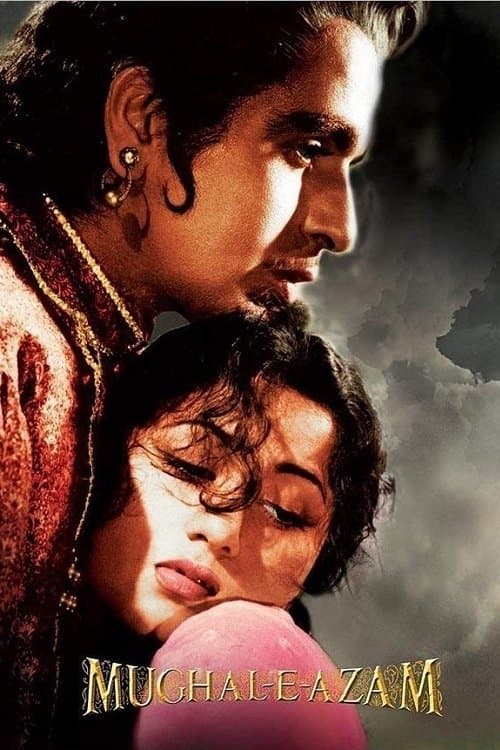
The Mughal-e-Azam connection is the most potent hook here. That 1960 classic, directed by K. Asif, remains a gold standard in Indian cinema for its grandeur, tragic romance, and immortal dialogues. By invoking that name in the film's conceptual framework, Ali Taj is implicitly promising a scale of emotion and historical weight that modern audiences often find missing in slice-of-life dramas. Whether Main Vaapas Aaunga delivers that operatic intensity or subverts it with a quieter, more introspective take is the central tension that will likely dominate early reviews. The OTT format gives the filmmaker room to experiment with pacing and structure, unshackled from interval bells and intermission demands, but it also means he cannot rely on theatrical spectacle to mask narrative gaps.
Timing, as always, matters in streaming wars. Netflix has been aggressively expanding its Hindi-language slate, but it faces stiff competition from Prime Video, Disney+ Hotstar, and a slew of regional players all vying for the same urban and diaspora viewership. Main Vaapas Aaunga enters this battlefield without a pricey marketing blitz or a multi-city promotional tour, which puts added pressure on the algorithm-driven recommendation engine to surface the film organically. Early buzz indicates that the trailer, when it drops, will lean heavily on the Mughal-e-Azam nostalgia, using archival imagery and recreated motifs to trigger emotional recall among older viewers while introducing the story to a Gen Z audience that may have only heard of the classic through memes and film-school references.
Another point of speculation is the runtime and genre classification, both of which remain officially unknown. That ambiguity is rare in today’s data-obsessed OTT ecosystem, where even short films get a genre tag. The absence of such metadata from the official listing suggests the producers are deliberately steering clear of pigeonholes, possibly because the film blends historical drama, personal tragedy, and perhaps even a metafictional layer. Some industry analysts have theorized that the story might follow an actor or a filmmaker obsessed with Mughal-e-Azam, using that obsession as a lens to explore contemporary creativity - a meta-narrative that would explain why Ali Taj himself fronts the cast.
For Netflix, the acquisition is a calculated bet. The platform has previously found success with smaller, director-driven Hindi films that bypassed theaters, earning critical laurels and loyal niche followings. But it has equally faced criticism for dumping such titles into a crowded release calendar without adequate differentiation. The key advantage here is the brand recall of Mughal-e-Azam - a title that still commands reverence in Indian households. Even casual viewers who have never streamed a subtitled film may click play out of sheer curiosity, and that initial click is half the battle won. The rest depends on whether the film’s script can hold attention past the first twenty minutes, which is often the make-or-break window for OTT viewers.
The lack of a TMDb rating or critical score at this stage is telling. It means early screenings, if any, have been kept under strict embargo, and no festival circuit play has been announced. That silence could be strategic - allowing Netflix to control the first impression - or it could hint at uncertainty about how the film will be received without the usual advance press buzz. Either way, the streaming date announcement finally gives fans a concrete anchor point to build anticipation around, converting vague interest into a scheduled viewing commitment.
As the release window narrows, expect a slow trickle of promotional stills, a teaser that leans into the Mughal-e-Azam visual language, and perhaps a candid interview series featuring Ali Taj explaining his choices. The director has always been a divisive figure - acclaimed for his ability to capture restless romance, occasionally criticized for languid pacing - and Main Vaapas Aaunga looks set to reignite that debate. For every viewer who finds his slow-burn approach meditative, another will call it indulgent. That polarizing energy is exactly what OTT platforms need to generate conversation, even if that conversation is heated.
In the end, the film’s success on Netflix will hinge less on its pedigree and more on its ability to feel essential in a month packed with fresh content. The Mughal-e-Azam shadow is both a blessing and a burden - it invites comparisons to a masterpiece few films can survive, but it also guarantees a level of attention that most original titles never achieve. With the release date now confirmed, the countdown has begun, and the industry will be watching closely to see if old cinematic grandeur finds new life in the streaming era.
Source: Filmibeat
Advertisement
Advertisement