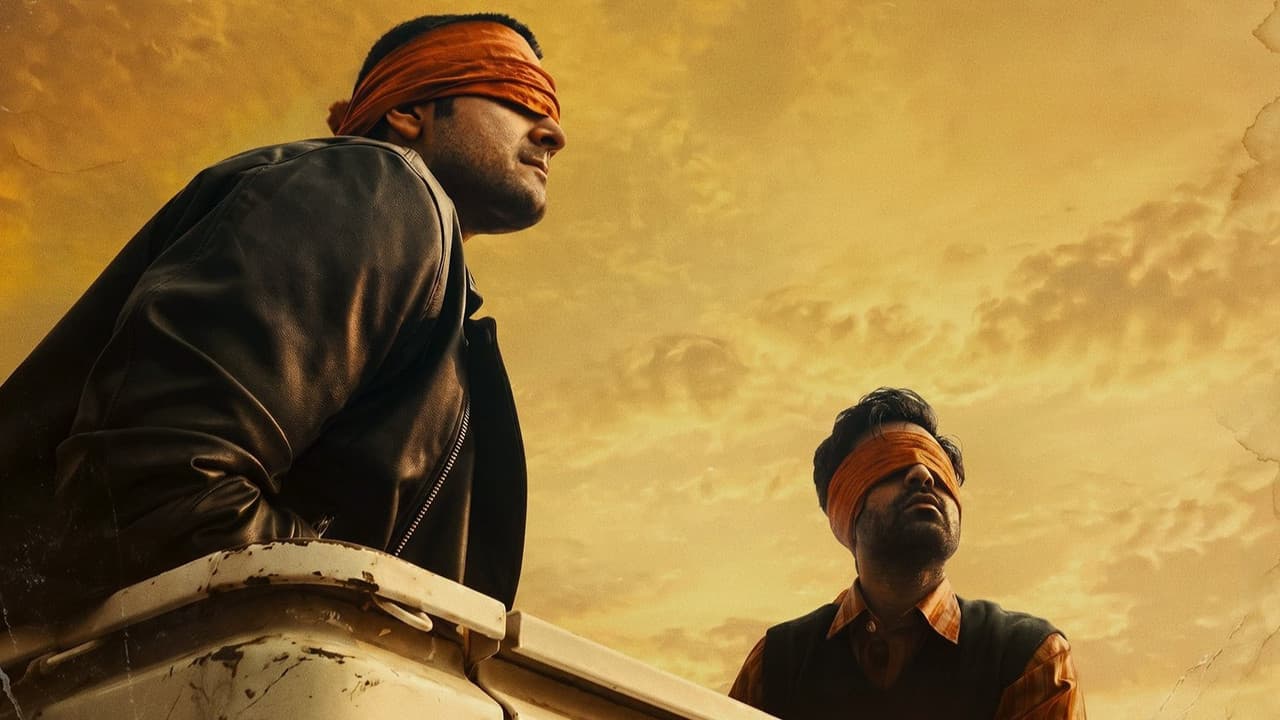
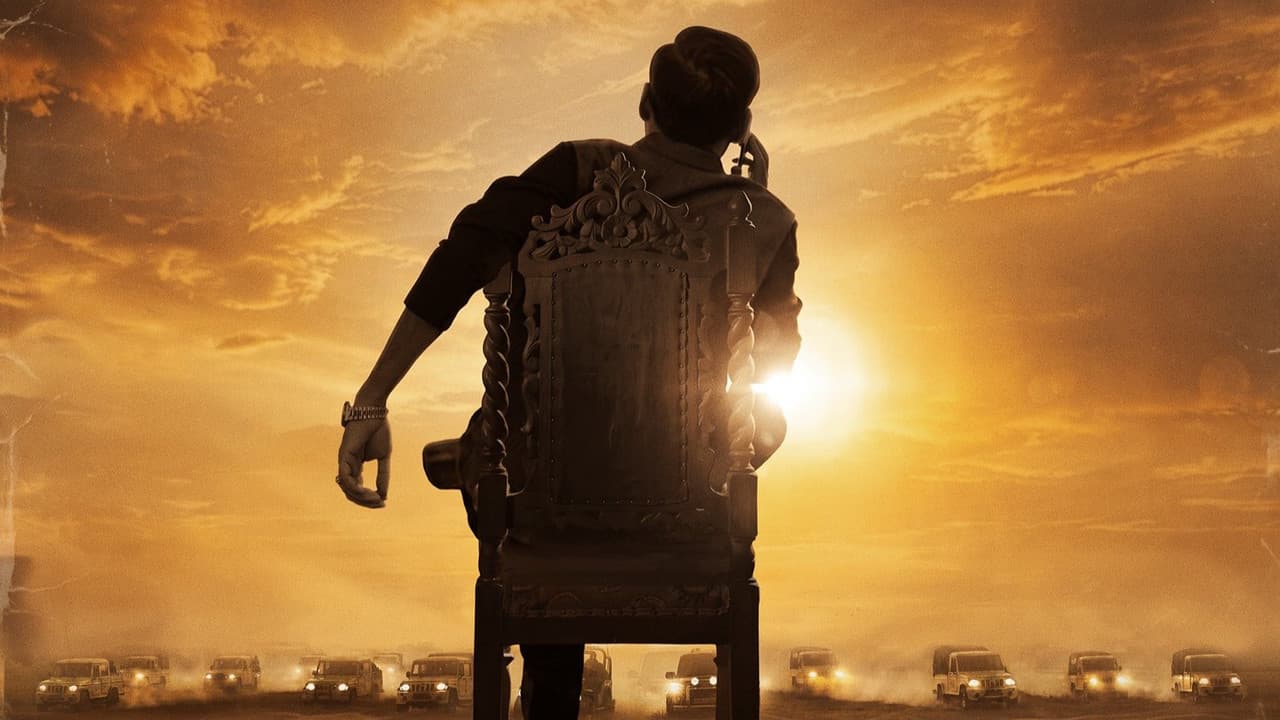
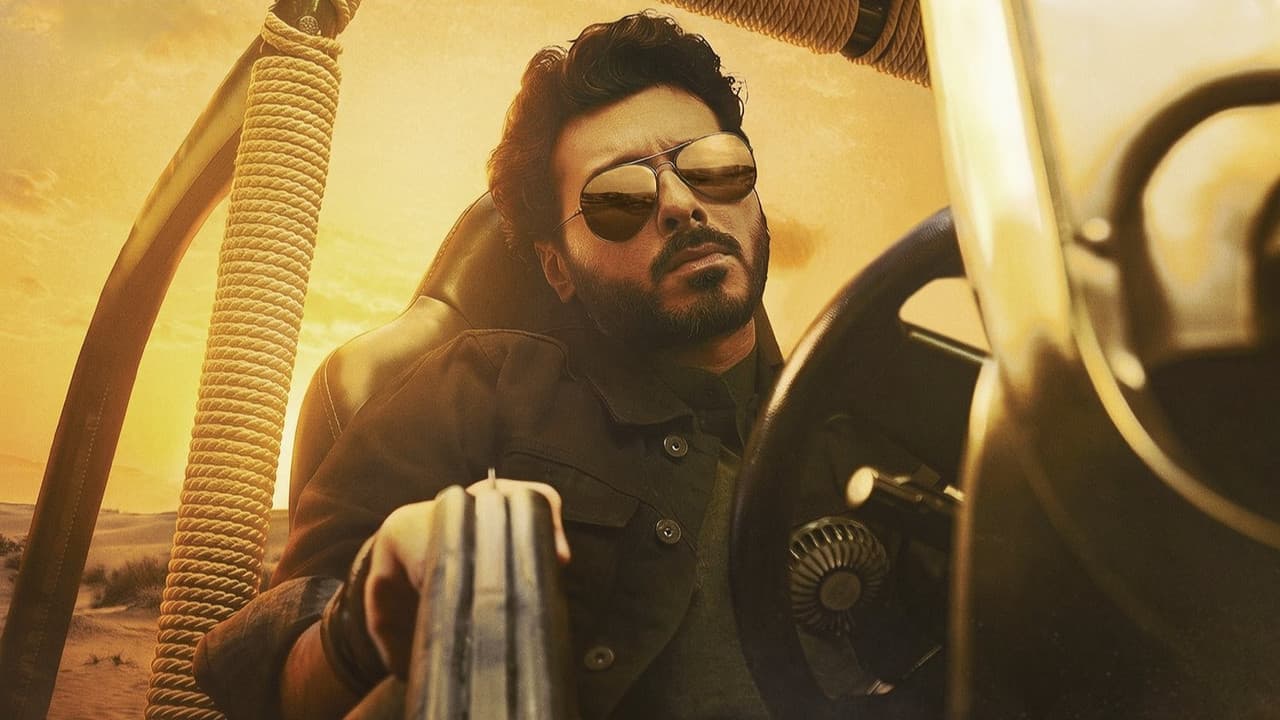
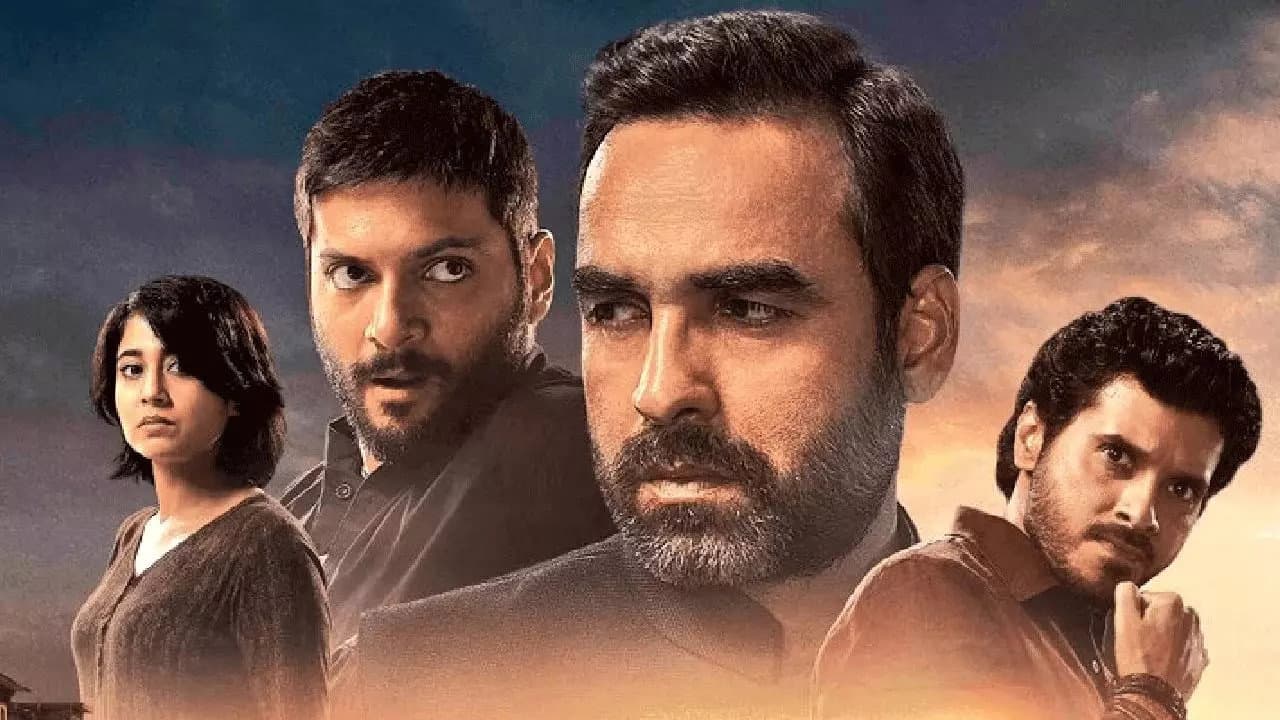
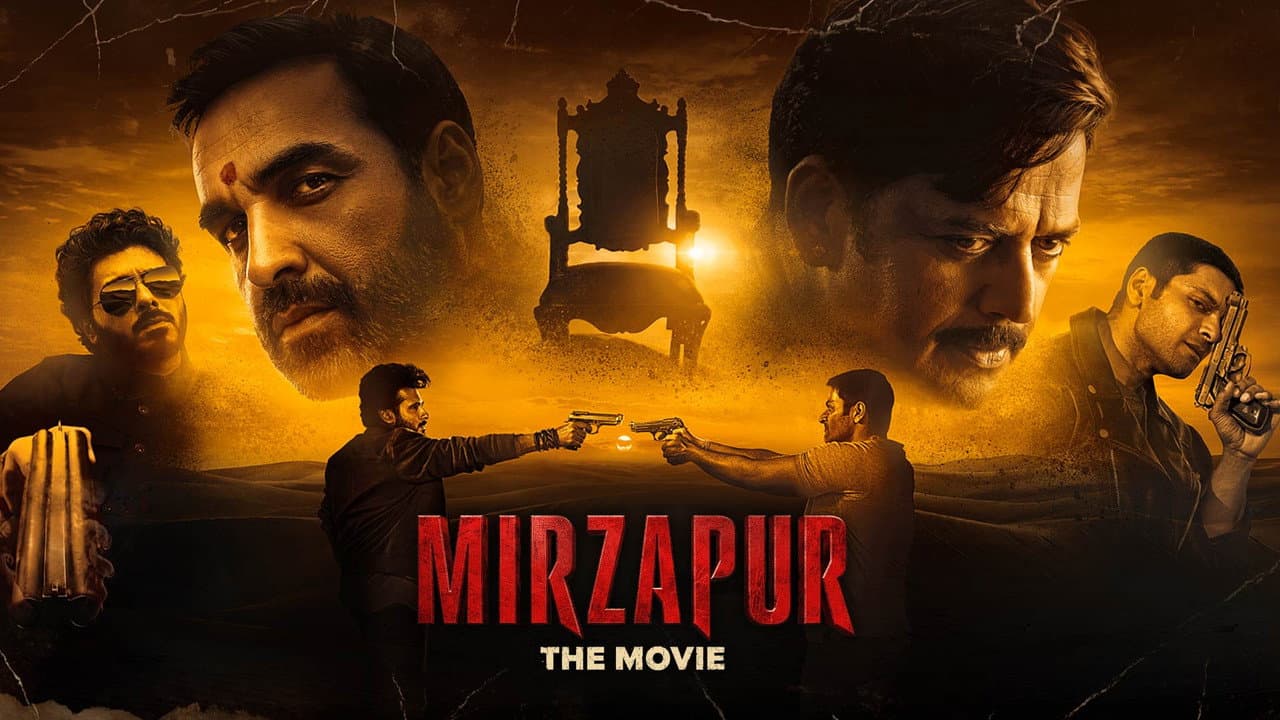
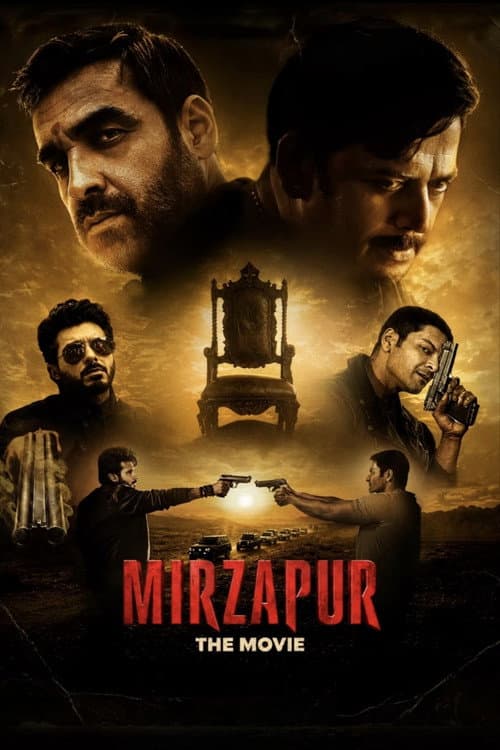
The dust has barely settled on the ghats of Mirzapur, but the war for the throne never really ended - it just reloaded. Today, September 4, 2026, the wait is finally over for millions of fans as Mirzapur: The Movie explodes onto the big screen with a runtime that matches its ambition: a bruising 197 minutes of blood, betrayal, and bullet-riddled poetry. Directed by Gurmmeet Singh, this isn’t just an extension of the iconic web series; it’s a cinematic reckoning that demands to be seen in the dark, with the volume cranked to eleven.
For the uninitiated - though it’s hard to imagine who - the film picks up the threads left dangling after the series’ last chaotic chapter. The official synopsis is as lean and unforgiving as a guillotine: the battle for Mirzapur’s throne escalates as old enemies resurface and new threats emerge. Blood debts must be paid, and power-hungry contenders are once again sharpening their knives to control the city’s violent underworld. If you were hoping for a quiet, contemplative character study, you’ve come to the wrong address. This is a crime thriller that treats every conversation like a potential death warrant.
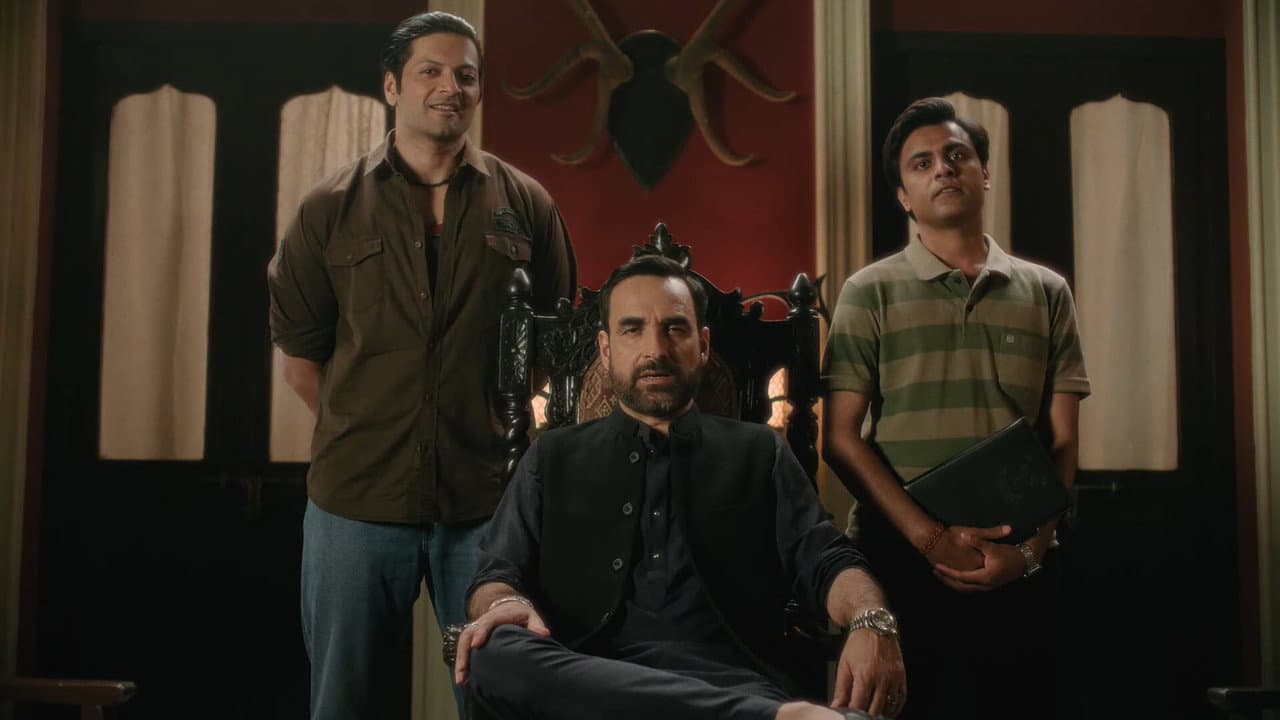
At the heart of the carnage is the return of Pankaj Tripathi as Akhandanand “Kaleen” Tripathi, the patriarch whose calm, philosophical menace redefined the modern Hindi villain. Tripathi has always had a gift for making silence feel like a loaded weapon, and here, he’s given the canvas of a feature film to stretch that tension into something operatic. But the throne is a crowded space. Ali Fazal’s Govind “Guddu” Pandit is no longer just the angry young man from the provinces; he’s a hardened kingpin carrying the weight of every loss and every sacrifice. Watching Fazal and Tripathi share the frame again is like watching two tectonic plates grind against each other - inevitable, destructive, and utterly mesmerizing.
Of course, no trip back to this lawless land would be complete without the combustible presence of Divyendu Sharma as Phoolchand “Munna” Tripathi. Munna has always been the series’ most unpredictable live wire, a powder keg of entitlement and insecurity. In the film, Sharma reportedly digs even deeper into the character’s fractured psyche, delivering a performance that swings between pathetic and monstrous with terrifying ease. And while the Pandit brothers were once the show’s beating heart, Jitendra Kumar’s Bablu returns from the shadows with a colder, more calculated edge - a reminder that intelligence can be just as lethal as a shotgun.
The new players, though, are what keep the narrative feeling fresh. Ravi Kishan’s Babban Babua brings a rustic, swaggering brutality that feels both familiar and freshly threatening, while Abhishek Banerjee reprises his role as “Compounder” Subodh with the kind of oily, sycophantic desperation that only he can make so entertaining. On the distaff side, Rasika Dugal’s Beena Tripathi remains the ultimate chess player in a game where the board is soaked in crimson. Her evolution from passive survivor to cunning power broker has been one of the series’ most satisfying arcs, and the film gives her ample room to scheme. Shriya Pilgaonkar, as Swaragini “Sweety” Gupta, steps into a more prominent role, representing a generation that has learned violence from the masters - and is ready to outdo them.
Director Gurmmeet Singh, who helmed the series through its most chaotic twists, understands that the transition to cinema requires more than just a bigger budget. This is a film that breathes differently. The wider aspect ratio allows for sweeping shots of the lawless landscape, but Singh never loses the intimacy of the cramped, suffocating rooms where power is actually bartered. There’s a rhythm to the editing that feels less like television’s start-stop structure and more like a relentless, cascading river - appropriate for a city defined by its waterways. The action, when it comes, is brutal and functional, with none of the balletic pretension of Hollywood gun-fu. Here, bullets are loud, bodies drop, and the mess is left for someone else to clean up.
But what truly elevates Mirzapur: The Movie is its philosophical core. Beneath the expletive-laden dialogue and the slick violence is a profound meditation on legacy. What does it mean to rule a kingdom that is built on corpses? Is the throne a prize, or is it a curse that consumes everyone who sits on it? The film refuses to offer easy answers. Instead, it forces its characters - and by extension, the audience - to confront the cyclical nature of revenge. Every victory plants the seed of the next betrayal. Every pact signed in blood demands a future payment in kind.
The original language is Hindi, and it is pure Bollywood in its industrial DNA, but its themes are universal. It’s a Shakespearean tragedy set in the heartland of India, where family loyalty is a currency that gets devalued daily. There are no clean heroes here, only survivors who have learned to live with the stains on their hands.
With a TMDb rating of zero so far - a meaningless placeholder before audiences weigh in - the film’s true verdict will come from the fans who have waited patiently since the last cliffhanger. By the time the credits roll after more than three hours, one thing is certain: Mirzapur doesn’t give closure. It gives an appetite. And for those hungry for uncompromising, high-octane storytelling, this feast is worth every bloody morsel. The guns are back. The throne is waiting. Let the games begin.