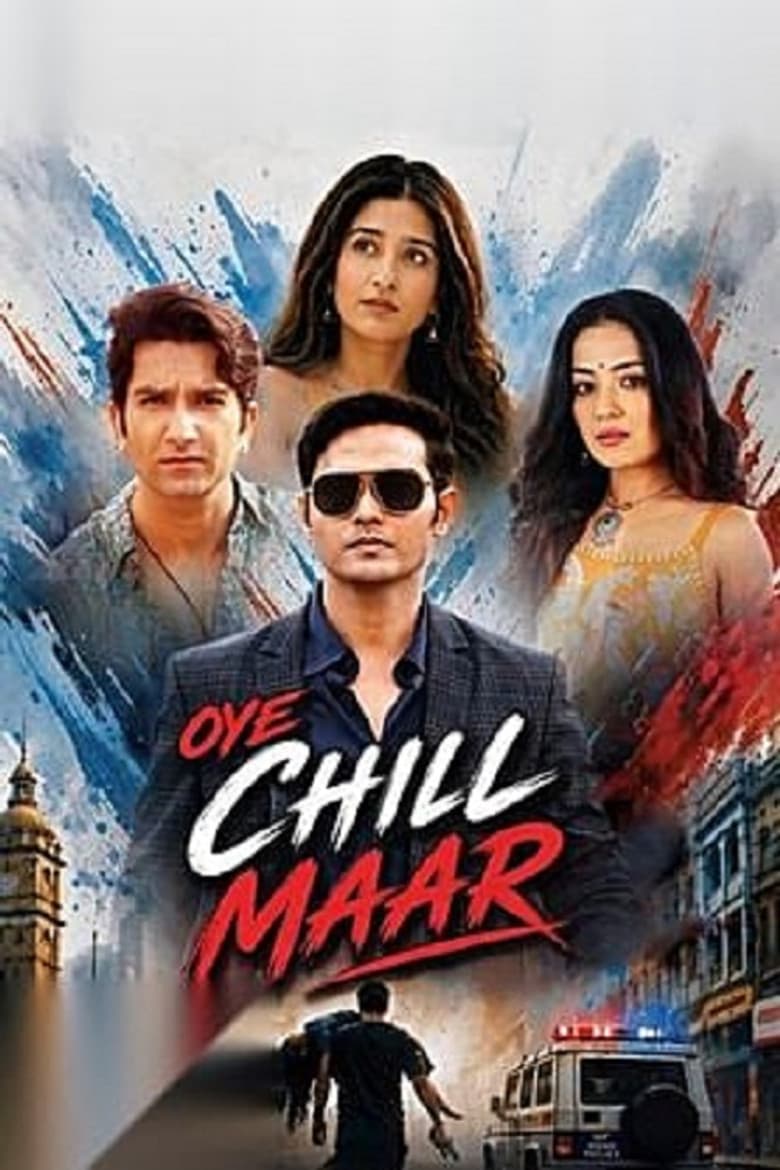
Four friends. One group chat that never sleeps. And a world where a single screenshot can rewrite a life overnight. That's the combustible premise of Oye Chill Maar, the Nitin Rokade-directed ensemble piece that arrived in theatres on September 25 and has spent the weeks since quietly becoming one of the year's most discussed Hindi releases.
On paper, the film is a comedy. Four close friends, easy banter, the kind of lived-in chemistry that Bollywood has always done well. But Oye Chill Maar keeps shifting shape. The laughs are there, and so are the dramatic beats and the tightening sense of dread that makes a thriller hum. At the centre of it all stands Prem, a young man wrestling with a difficult past and carrying questions of identity he can't quite outrun - a protagonist who gives the film its emotional spine.
The cast is led by Shrey Pareek as Prem, with Tejas Dev, Prachi Bansal, Shikha Pandey, Atul Tiwari, Kirti Choudhary, and Sufiya Tanveer rounding out the ensemble. Sujeet Asthana plays Gobardhan, a character whose name has been turning up repeatedly in audience chatter since the film's release. It's an accomplished group, and Rokade uses them like a chamber orchestra - small moments, overlapping conversations, the sense that these people have known each other long enough to wound each other without raising their voices.
What has made the film resonate is its timing. Oye Chill Maar is, at its core, an examination of social media obsession - the way curated lives curdle into secrets, and the way those secrets, once digitised, take on a life of their own. The friends at the film's centre find their bonds tested by troubling events that expose exactly how risky that obsession can be. Rokade and his writers aren't wagging a finger; they're dramatising a paranoia that anyone with a smartphone and a group chat will recognise. The run time of 127 minutes gives the film room to breathe, to let the comedy settle before the screws begin to turn.
The reception has been striking. IMDb currently records a 9.7/10 audience rating - an extraordinary figure that speaks to how deeply the film has connected with viewers, even as TMDb's 0/10 reflects nothing more than a listing still waiting for a critical mass of logged ratings. For a mid-budget ensemble drama landing in a crowded autumn calendar, that kind of audience goodwill is the story in itself. It suggests a film that people are recommending rather than merely watching.
Rokade's direction is confident and unhurried. He's less interested in grand set pieces than in the texture of friendships under strain - the pause before a reply, the glance at a phone screen that says more than dialogue could. It's a restrained approach, and it suits a story whose menace comes from the mundane.
What ultimately distinguishes Oye Chill Maar is its refusal to pick a single lane. It's a comedy that makes you laugh before it makes you uneasy. It's a drama about identity that doubles as a thriller about exposure. And it's a film about friendship that takes seriously the idea that the people closest to us are the ones most capable of seeing - and sharing - what we'd rather keep hidden.
For Hindi cinema, it's another sign that mid-scale, character-driven storytelling can find an audience when it speaks to the moment. Oye Chill Maar speaks to this moment precisely. Its four friends, its restless group chats, its anxieties about who is watching and what they might do with what they see - these are contemporary fears dressed in familiar, warm, often very funny clothing.
The film is in theatres now, still drawing crowds weeks after release. For anyone who has ever hesitated before sending a message, or wondered who might be reading along, it promises an evening of recognition - the uncomfortable kind, wrapped in a very good joke.