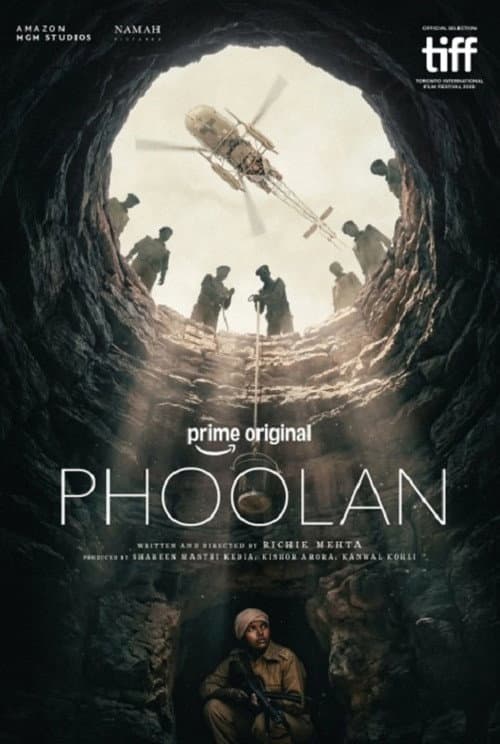
Phoolan (2026) - Richie Mehta Film Preview
Photo: TMDb
The last time Indian cinema truly captured the raw, unvarnished fury of a woman pushed beyond her limits, it felt like a moment of reckoning. Now, as the calendar flips to September, a new film is poised to do it again - but with a different, more intimate lens. “Phoolan,” arriving in theaters on September 7, 2026, isn’t just another biopic. It’s a descent into the heart of a girl who became a myth, and the forty-eight hours that sealed her legend. And for those who have been following the whispers from festival circuits, this one promises to be less about spectacle and more about suffocating tension.
Release Date & Where to Watch
Mark your calendars for Monday, September 7, 2026. Yes, it’s a weekday release, which is an unusual choice - a firm signal that the studio believes in strong word-of-mouth rather than a blockbuster weekend splash. The film will open in standard theaters across India, with a significant push in multiplexes in metros and, crucially, in single-screen theaters in the Hindi heartland, where the story’s roots run deepest. As of now, there’s no confirmed OTT premiere date, and sources suggest the producers are holding off on streaming negotiations until after the theatrical window closes. Given the film’s claustrophobic, immersive style, this is one you’ll want to experience on a big screen with a sound system that can handle the rumble of approaching footsteps. Don’t expect an IMAX release; this is a film built on faces and silence, not explosions. But for pure atmosphere, a darkened hall is essential. Keep an eye on your local listings for preview shows on the evening of September 6 - early screenings are rumored for select cities.
Cast & Crew
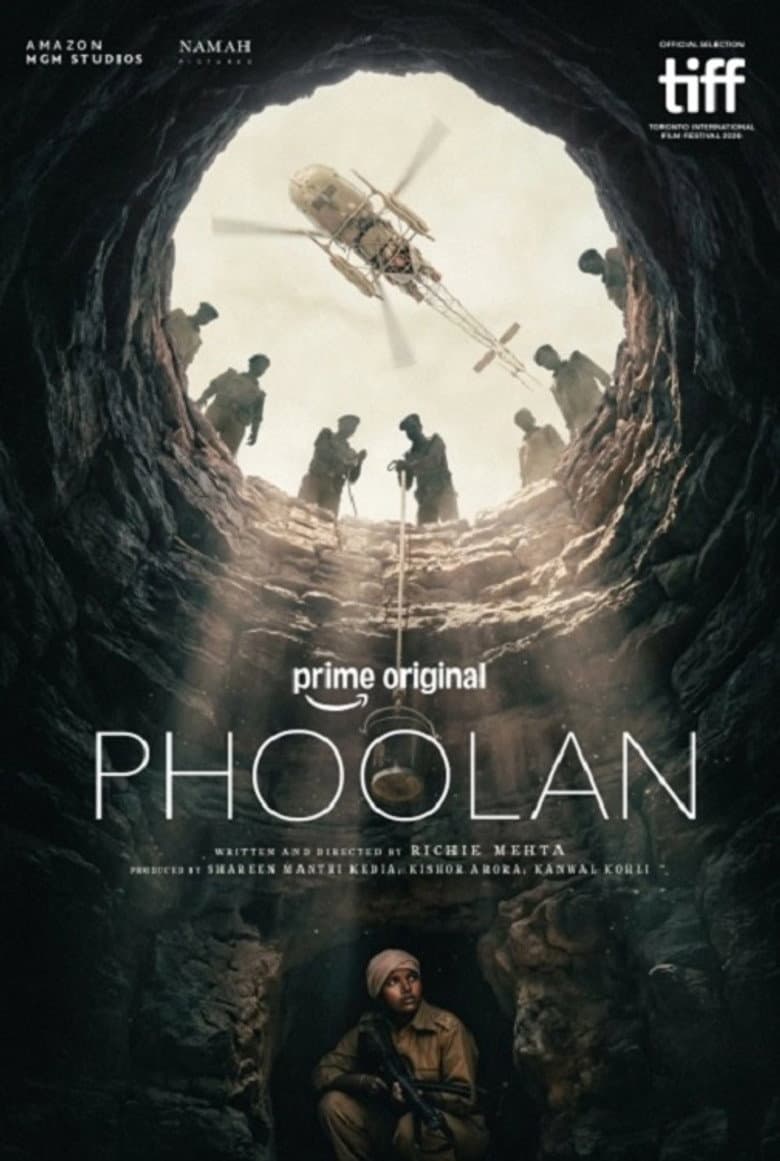
The name on everyone’s lips is director Richie Mehta. Known for his deeply researched, observational style - most notably the acclaimed series “Delhi Crime” - Mehta is a fascinating choice for this material. He doesn’t do bombast; he does procedural dread and moral ambiguity. That’s precisely what this story needs. Mehta isn’t interested in glorifying the outlaw; he’s interested in the mechanics of survival. The official cast list remains frustratingly under wraps, which is itself a clever marketing move. Early trade reports, which we cannot fully verify, whisper about a relatively unknown young actress in the lead role - a deliberate decision to avoid the baggage of a star. This anonymity could be the film’s greatest weapon. The casting director has reportedly scoured theater groups and small-town drama schools for a face that carries both teenage vulnerability and iron resolve. We do know that Mehta has assembled a crew of trusted collaborators from his previous projects, including a cinematographer known for handheld, long-take sequences that put you right in the mud with the characters. The music, likely sparse and percussive, is being handled by a composer who prefers ambient dread to melodic interludes. Don’t expect songs. Expect a heartbeat.
Story & What to Expect
The film opens on a 17-year-old girl, impoverished, already hardened by a life that offered no exits. We meet Phoolan not as a symbol, but as a person - tending to cattle, enduring slights, carrying the weight of her caste and her gender like a physical yoke. The setup is brisk; Mehta doesn’t linger on the well-trodden path of her early injustices. Instead, he races toward the event that defines the narrative: the brutal, 48-hour siege. The overview is stark: thousands of armed men trap her in a village. But the film, based on the verified logline, doesn’t show us a battle. It shows us a waiting game. The bulk of the runtime is reportedly spent inside a single compound, as Phoolan and a handful of others barricade themselves while an army of pursuers circles closer.
This is where Mehta’s genius for tension shines. He turns the siege into a chamber piece. Every creak of a door, every distant shout, every hour of silence becomes a character. The film is less concerned with the historical accuracy of the numbers - though the scale is implied through off-screen sound - and more with the psychological toll on a teenager who knows she is outnumbered a thousand to one. Expect long stretches of quiet, punctuated by sudden, jarring violence. There are no heroic monologues. Instead, there’s strategic whispering, the frantic bartering for water, and the grim calculation of when to use the last bullet. The story doesn’t sanitize Phoolan; it shows her cunning, her fear, and her terrifying resolve. It’s a survival thriller dressed in the clothes of an epic ballad, but without the comfortable distance of legend. This is immediate, dirty, and suffocatingly real.
Why It's Worth Watching
First, the director. Richie Mehta has a track record of turning true stories into gripping, humane drama without losing their complexity. He refuses to judge his characters, and that restraint is rare. “Phoolan” is a story that could easily be turned into a revenge fantasy or a political screed, but Mehta’s approach suggests a more nuanced, humanistic take. He’s interested in the moments between the headlines.
Second, the sheer nerve of the narrative choice. The film doesn’t attempt to cover a whole life. It isolates the most dramatic, most horrific 48 hours and magnifies them. That’s bold. It forces the audience to sit in discomfort, to experience the siege in real-time, without the relief of flashbacks or cutaways. You are trapped with her. That immersive quality is something you rarely get in mainstream cinema, where stories are often condensed into tidy arcs. Here, the clock is the enemy.
Third, the potential for a breakthrough performance. The decision to cast an unknown is a gamble, but it’s one that could pay off spectacularly. Without a recognizable face, we lose our cinematic preconceptions. We see only Phoolan. If the young actress delivers - and early buzz suggests she is a revelation - this will be a career-defining role. It’s the kind of raw, physical performance that demands awards attention, but more importantly, it demands your emotional engagement. You will not watch this film as a passive observer. You will be in that village, feeling the dust in your throat.
Finally, the film matters because the story matters. Phoolan’s life was a brutal intersection of caste, class, and gender in rural India. While this film focuses on a specific event, it carries the weight of that context. It’s not just an action movie about an escape; it’s a quiet indictment of a system that forces a teenager to become a warrior merely to survive. Watching her face, you understand that the siege is not the anomaly; it’s the logical conclusion of a life where she was always the target. For anyone who cares about Indian cinema pushing its boundaries - technically, narratively, and emotionally - this is the must-watch event of September. It won’t be comfortable. It won’t be easy. But it will be unforgettable.