Ten years after a poisoned dart ended a football coach's life in a packed stadium, "Pink" remains one of the most talked-about courtroom dramas to emerge from Bollywood. Released on February 10, 2006, the film was directed by Shawn Levy and ran for 93 minutes, blending the suspense of a murder investigation with sharp comedic timing. A decade on, its central message - "No Means NO" - has only grown louder and more urgent.
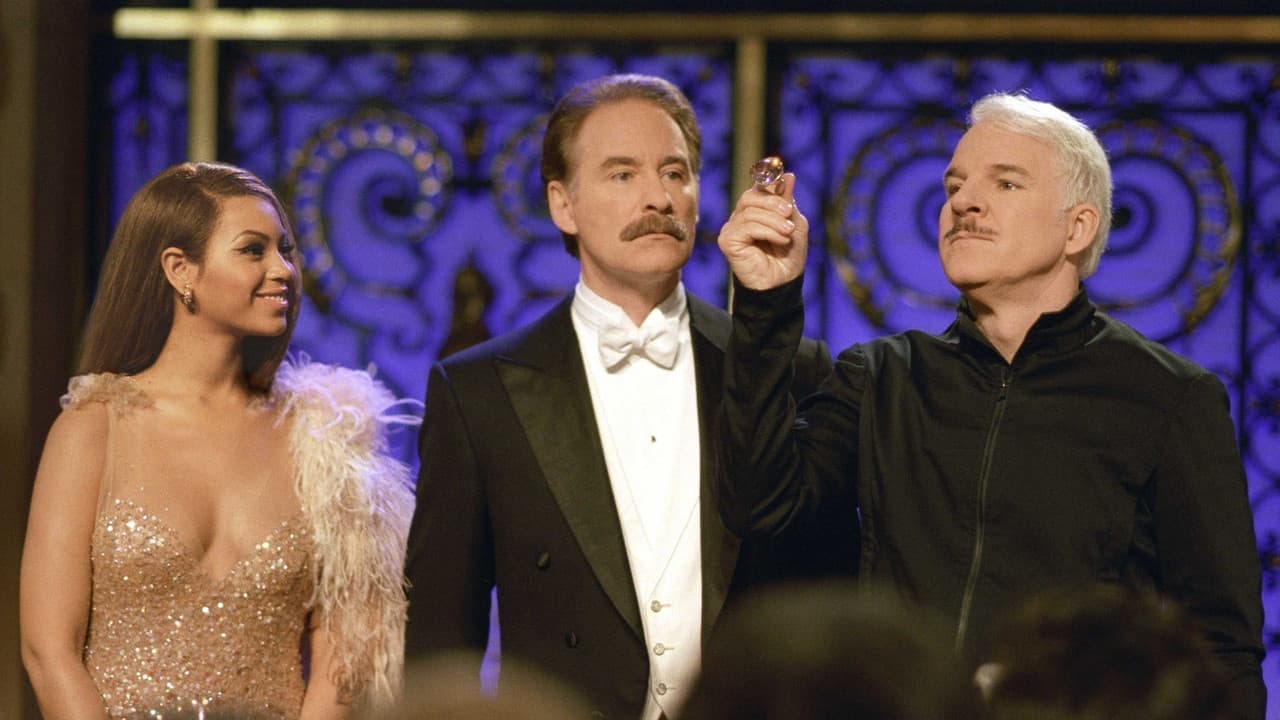
The plot hinges on a crime that unfolds in full public view: the coach of the France football team is killed by a poisoned dart at the end of a game, and his enormous, expensive ring set with the Pink Panther diamond vanishes. Chief Inspector Dreyfus, ambitious and impatient, assigns the case to the worst police inspector on the force - Jacques Clouseau. What follows is a collision of incompetence and intrigue that critics and audiences have debated ever since.
A Killer Cast That Still Commands Attention
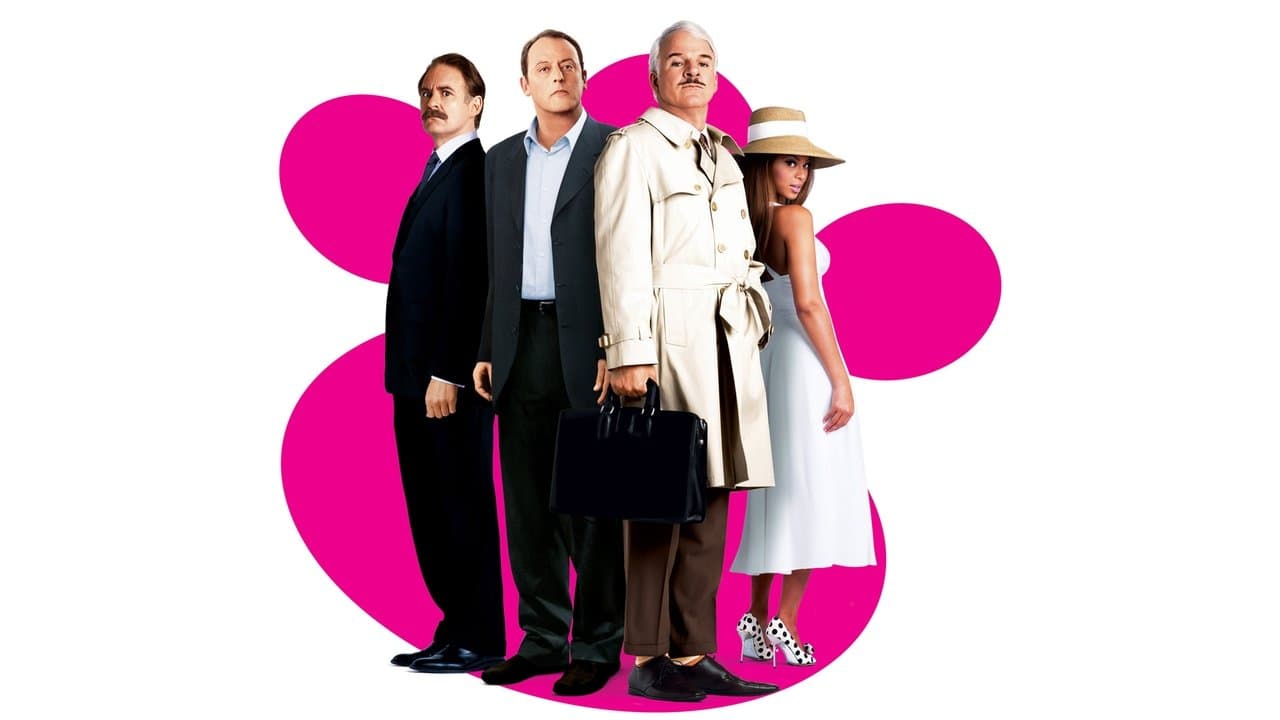
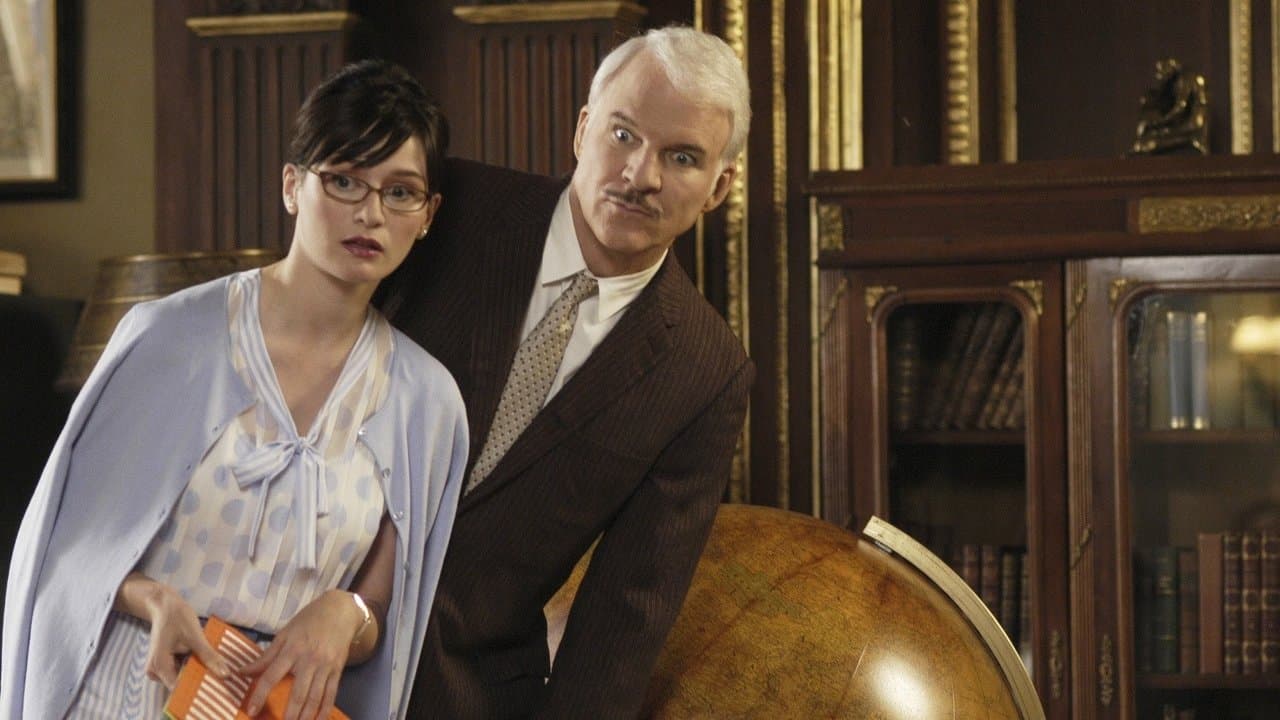
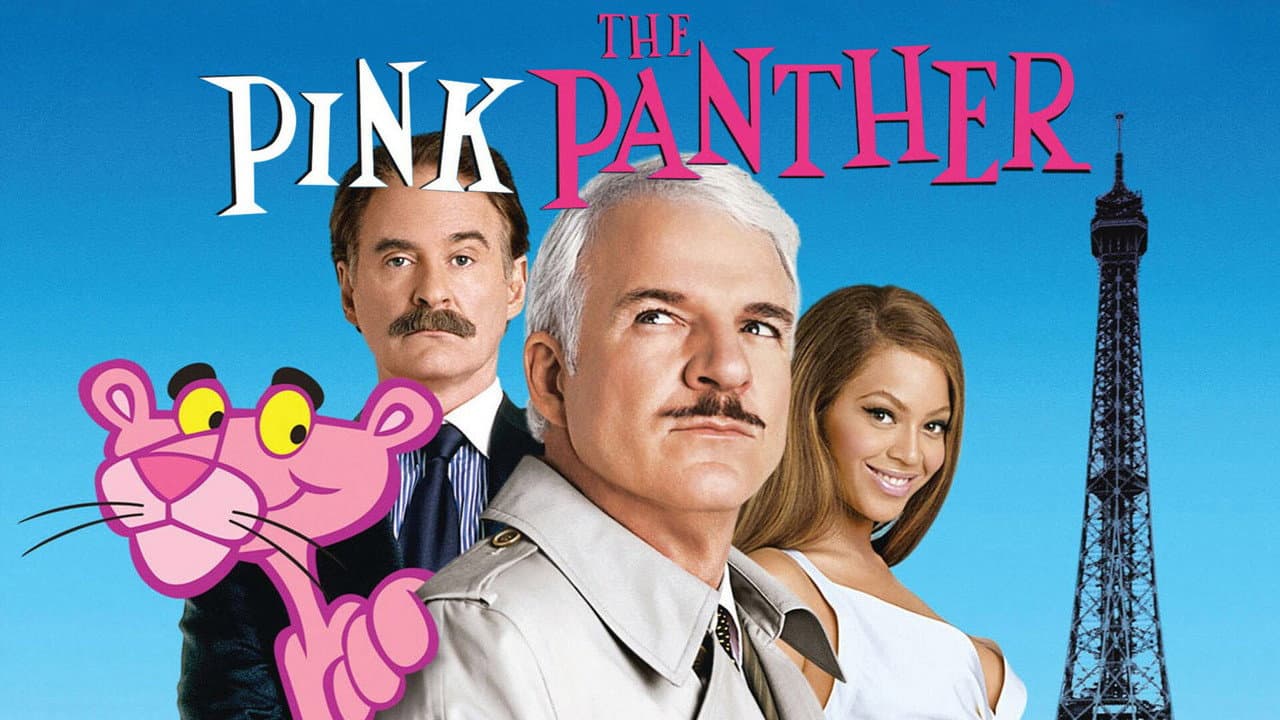
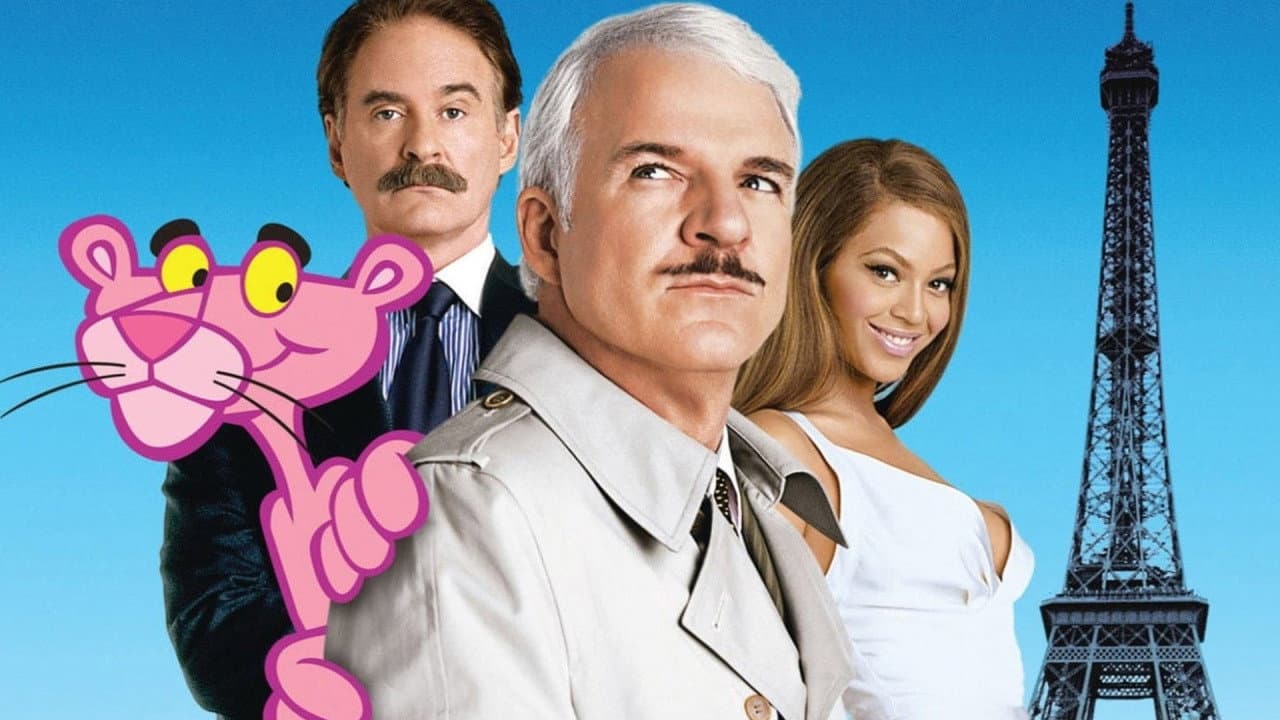
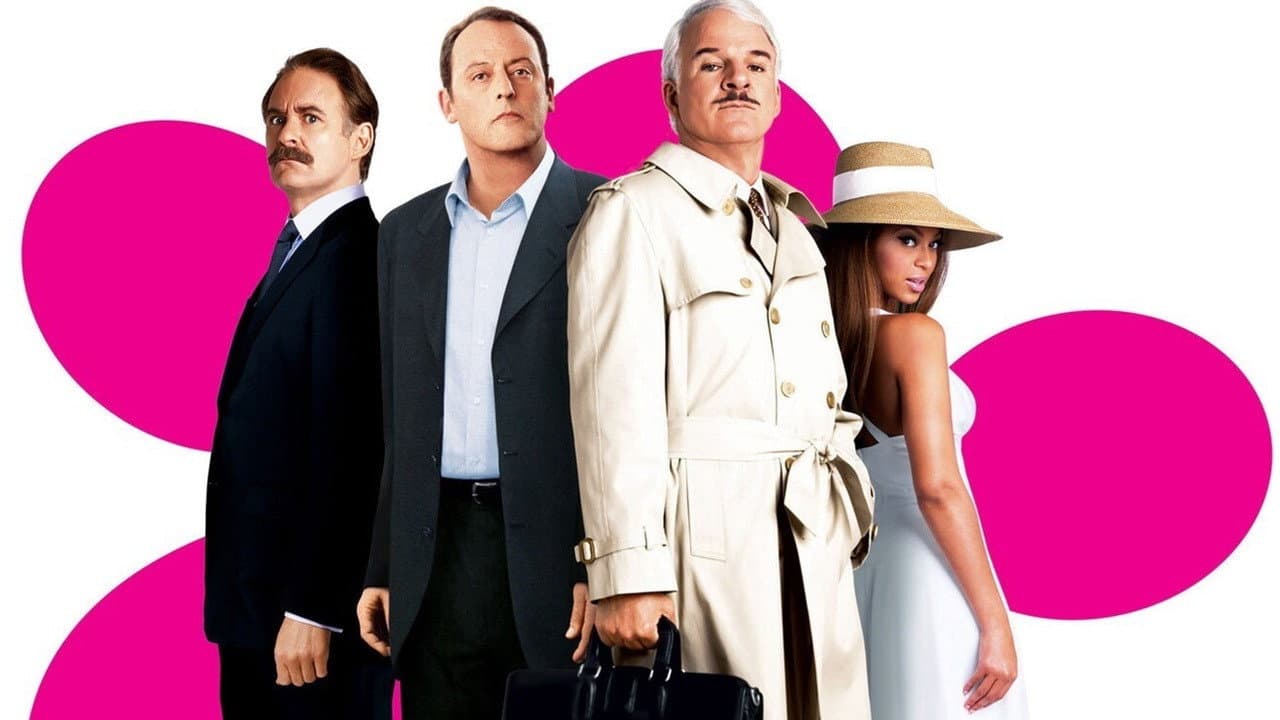
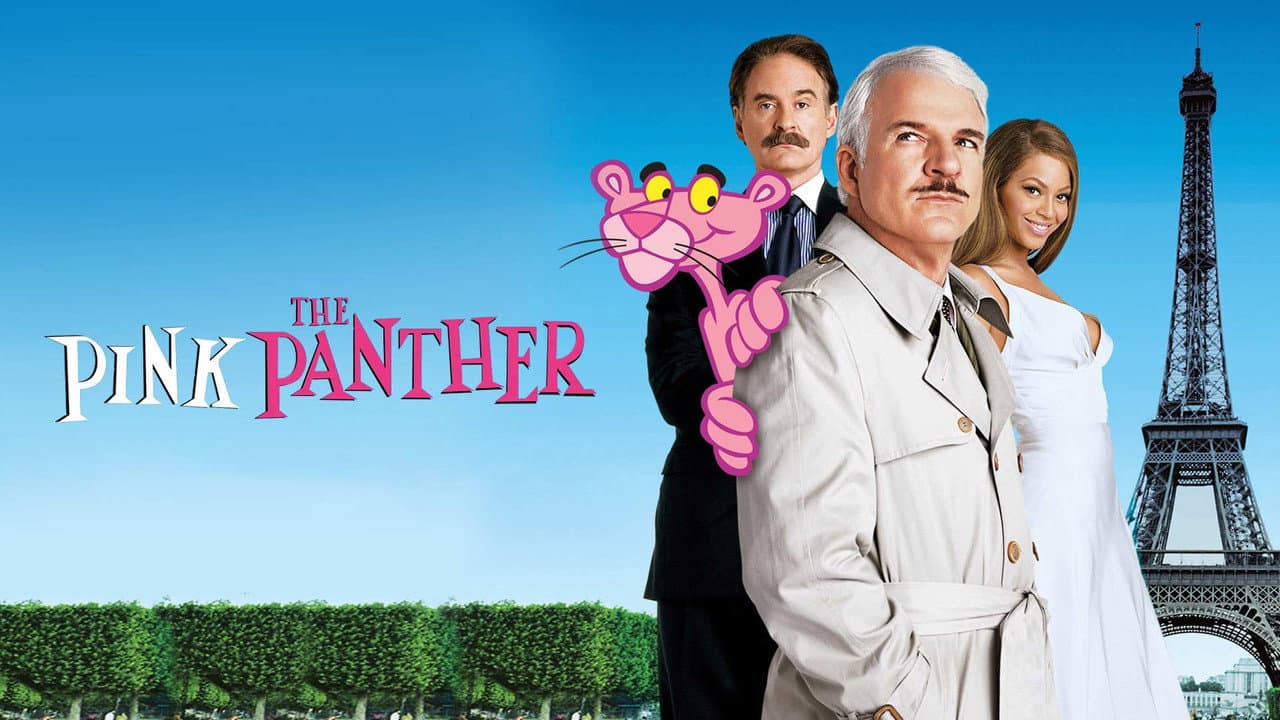
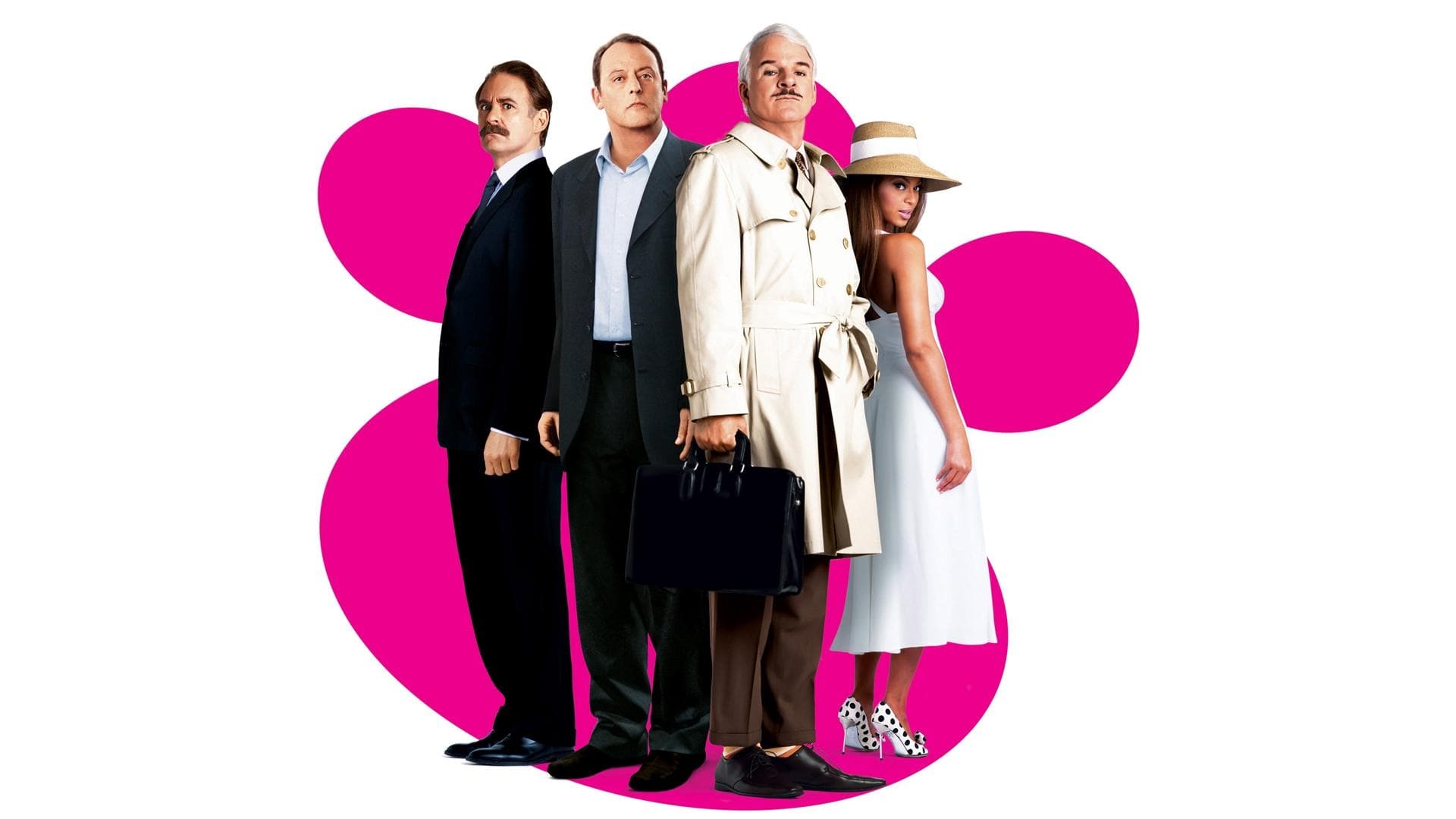
Any discussion of "Pink" begins with its ensemble. Steve Martin steps into the role of Clouseau, bringing a deadpan physicality that divides viewers even now. Jean Reno plays Ponton, the inspector's long-suffering partner, while Kevin Kline portrays Dreyfus, the chief who lives to regret his own assignment. Beyoncé appears as Xania, lending the mystery a pop-culture sheen that has aged into a curious time capsule. Emily Mortimer plays Nicole, Henry Czerny takes on Yuri, Kristin Chenoweth is Cherie, and Roger Rees rounds out the cast as Raymond Laroque.
The film is officially classified as a comedy, mystery, crime, adventure, and family title - a genre cocktail that explains its odd staying power. It is an English-language production from the Bollywood industry, and that classification has itself become a talking point among fans who revisit it each anniversary. Whatever one makes of the tonal juggling, the cast's commitment is never in question.
Why "No Means NO" Refuses to Fade
The slogan attached to "Pink" - "No Means NO" - has taken on a life beyond the film. In the years since 2006, the phrase has become shorthand for consent in public conversation, and the movie's courtroom sequences are frequently cited as the moment the line landed with mainstream audiences. That a film built around a stolen diamond and a poisoned dart could also carry a message about boundaries is, depending on whom you ask, either its greatest strength or its strangest contradiction. Either way, the phrase has outlasted the plot twists.
Revisiting the movie now, the mystery mechanics hold up better than its reputation suggests. The disappearance of the Pink Panther diamond drives every scene, and the decision to hand the case to the least qualified inspector creates a tension that doubles as satire. Dreyfus's ambition, Ponton's exasperation, and Clouseau's obliviousness form a triangle that keeps the 93-minute runtime moving briskly. For a family-friendly crime adventure, the pacing rarely sags.
A Decade of Divided Opinion
Ten years of hindsight has not smoothed over the film's reception. Its TMDb rating sits at 5.877 out of 10 - a score that captures the split precisely. Some viewers embrace it as a breezy, star-studded romp; others argue it never quite decides whether it wants to be a whodunit or a slapstick showcase. That ambiguity, once a criticism, has become part of its appeal for a newer generation encountering it on streaming platforms.
The February 2006 release date places "Pink" in a specific moment for Bollywood - an era when English-language productions with international casts were being positioned for broad family audiences. Shawn Levy's direction leans into that mandate, keeping the violence off-screen and the humor front and center. The result is a film that can be watched with children in the room, which is more than can be said for most murder mysteries.
What remains most striking a decade later is how the title's courtroom drama framing has overshadowed its comedic roots in public memory. Mention "Pink" today and the first thing many people recall is not the poisoned dart or the missing ring, but the verdict - and the line that preceded it. "No Means NO" turned a diamond heist story into something closer to a cultural marker. Whether that was the intention in 2006 is almost beside the point now. The film said it, the audience repeated it, and ten years on, it still hits hard.
Source: Filmibeat