Dinesh Vijan has never been a producer who hedges his bets when he believes in an actor, and his faith in Rajkummar Rao is now a matter of public record. Speaking about the upcoming Hindi film Prahaar, Vijan described Rao as "one of the best actors" working today, adding that what separates him from his contemporaries is not any single technical skill but an instinct for making an audience forget they are watching a performance at all.
The producer's admiration is not new. Vijan and Rao have collaborated before, and that shared history has clearly shaped the way Vijan discusses the actor's craft. What he returns to repeatedly is Rao's willingness to disappear into roles that could easily be played with a familiar set of mannerisms, and the fact that he treats each part as if it were his first.
A Soldier's Story at the Centre
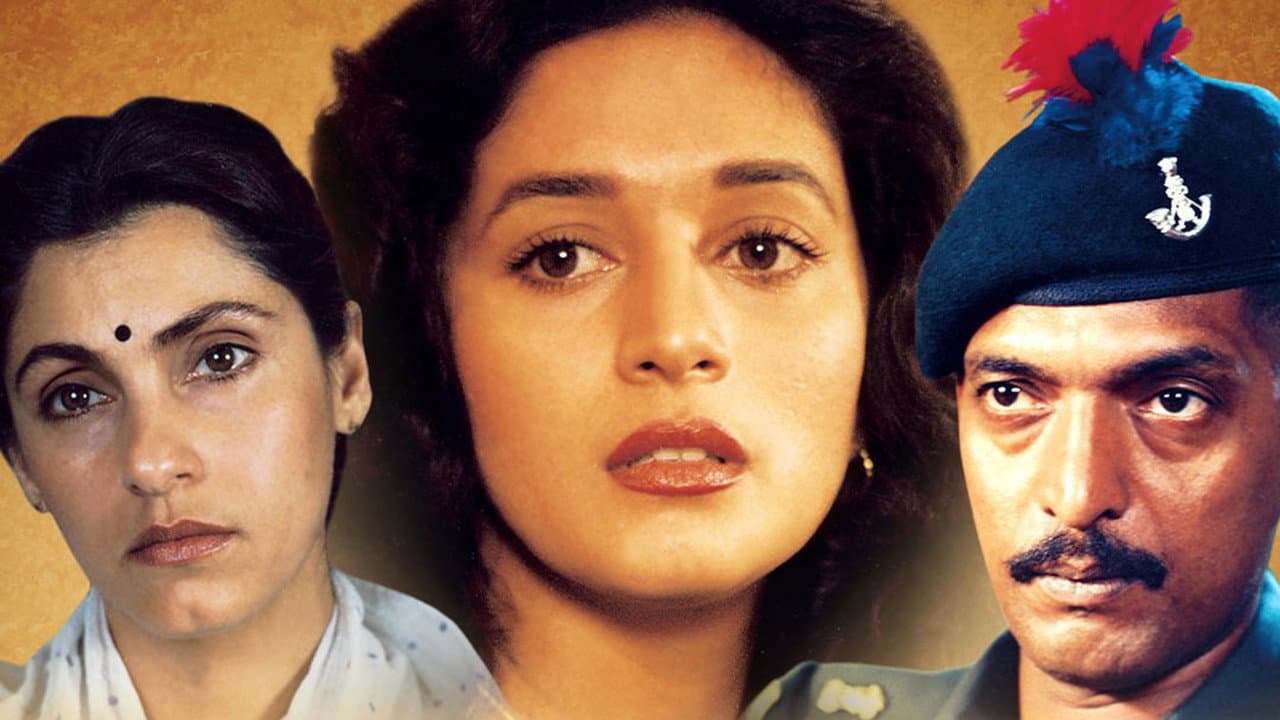
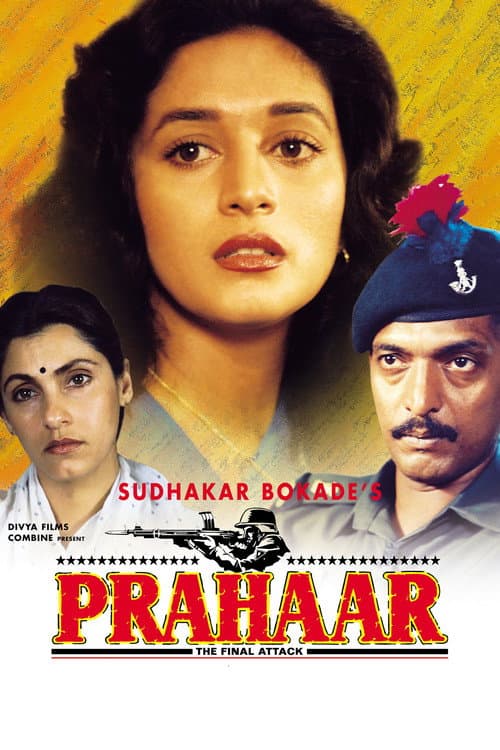
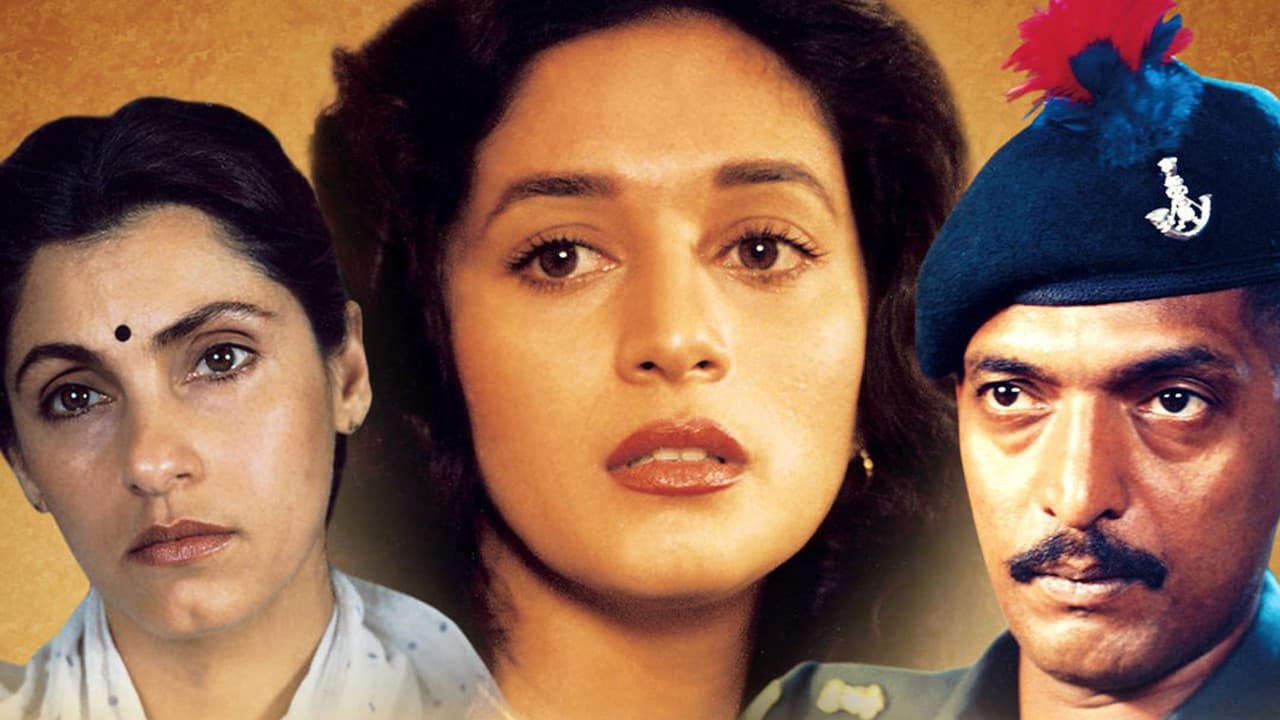
Prahaar casts Rao in a narrative that is built on moral inversion rather than straightforward combat. The film follows Major Chavan, a stern and hardened soldier whose training has equipped him to identify and destroy the enemy at the nation's borders. What that training has not prepared him for is the threat that exists closer to home - an invisible enemy embedded within society itself. The story takes its turn when one of the Major's commandos, Peter D'Souza, is killed, an event that forces Chavan to confront the harsh realities surrounding him rather than the distant adversary he has spent his career preparing to face.
From there, the battlefield shifts. The Major's mission becomes an internal one, a final assault not on a foreign force but on the decay he now sees within a crumbling social order. It is the kind of premise that lives or dies on the actor carrying it, which is precisely where Vijan's argument about Rao gains its weight.
Vijan on What Sets Rao Apart
In Vijan's telling, the difference is a matter of truthfulness. Rao, he suggests, does not perform emotion so much as inhabit it, and that quality is difficult to manufacture through technique alone. The producer pointed to the actor's preparation and his refusal to repeat himself, noting that the discipline he brings to set raises the standard for everyone around him.
Vijan also touched on the collaborative nature of the performance, arguing that Rao's presence gives a filmmaker room to take risks because the actor will find the honest centre of a scene even when the writing leaves space for interpretation. For a story as psychologically loaded as Prahaar, that flexibility matters enormously; a lesser performer could turn Major Chavan's awakening into a lecture, while an actor of Rao's calibre can make it feel like a discovery.
The producer was careful not to reduce the praise to flattery. He framed Rao's standing in the industry as the product of consistency rather than a single breakout moment, describing a body of work built on choices that prioritise character over visibility.
The Team Behind the Film
Prahaar arrives with a Hindi-language production mounted within the Bollywood industry, and it runs 166 minutes - an unusual length for a contemporary Hindi release and one that suggests the film is in no hurry to reach its conclusions. The project is directed by Nana Patekar, a figure whose association with the material lends it a particular pedigree.
The cast list reads as an ensemble rather than a one-man showcase. Madhuri Dixit appears as Shirley, Dimple Kapadia as Kiran, and Gautam Joglekar as Peter D'Souza, the commando whose death sets the plot in motion. Makrand Deshpande plays Shirley's brother, with Vishwajeet Pradhan as a commando, Shivkumar Subramaniam as Khandagle, and Khan Jahangir Khan as a terrorist. Patekar himself takes on the role of Major Chauhan.
The film carries a 7.1 rating out of 10 and a release date of January 1, 1991. Its genre classification remains unspecified, though the synopsis points toward a blend of military drama and social critique.
Why the Endorsement Matters
Producer endorsements are cheap currency in an industry where promotional cycles demand them, but Vijan's comments carry more weight because they are specific. He is not simply saying that Rao is good; he is saying that Rao is good in a way that changes how a film gets made, and that claim is testable on screen.
For Prahaar, the stakes are clear. The film asks its lead to carry a transformation from certainty to doubt, from a soldier who knows who his enemy is to a man who must locate that enemy within his own world. Whether audiences agree with Vijan's assessment will depend on how convincing that journey proves to be. What is already established is that the producer has staked his public position on Rao's ability to make it real.
Source: Filmibeat