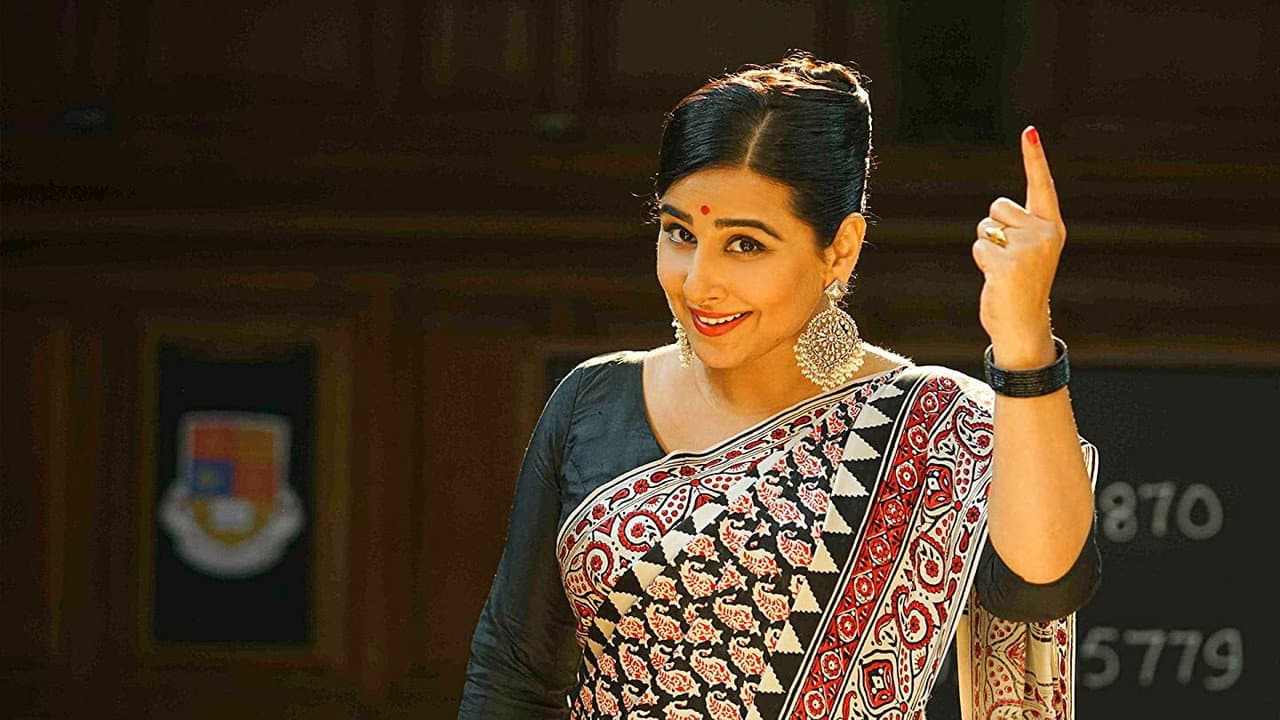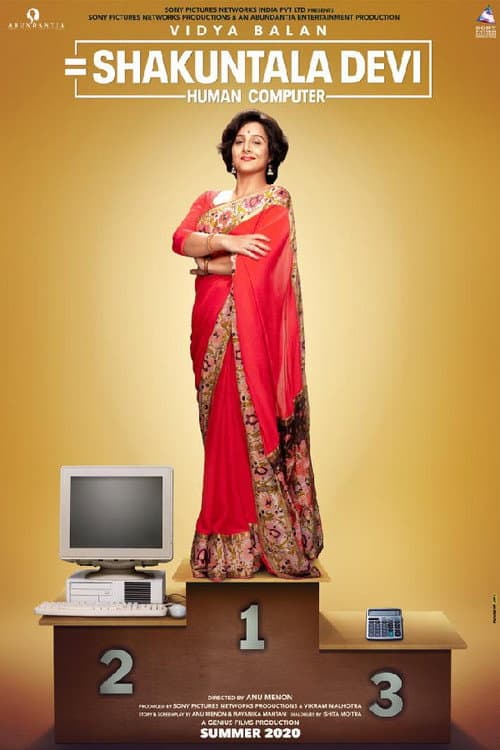
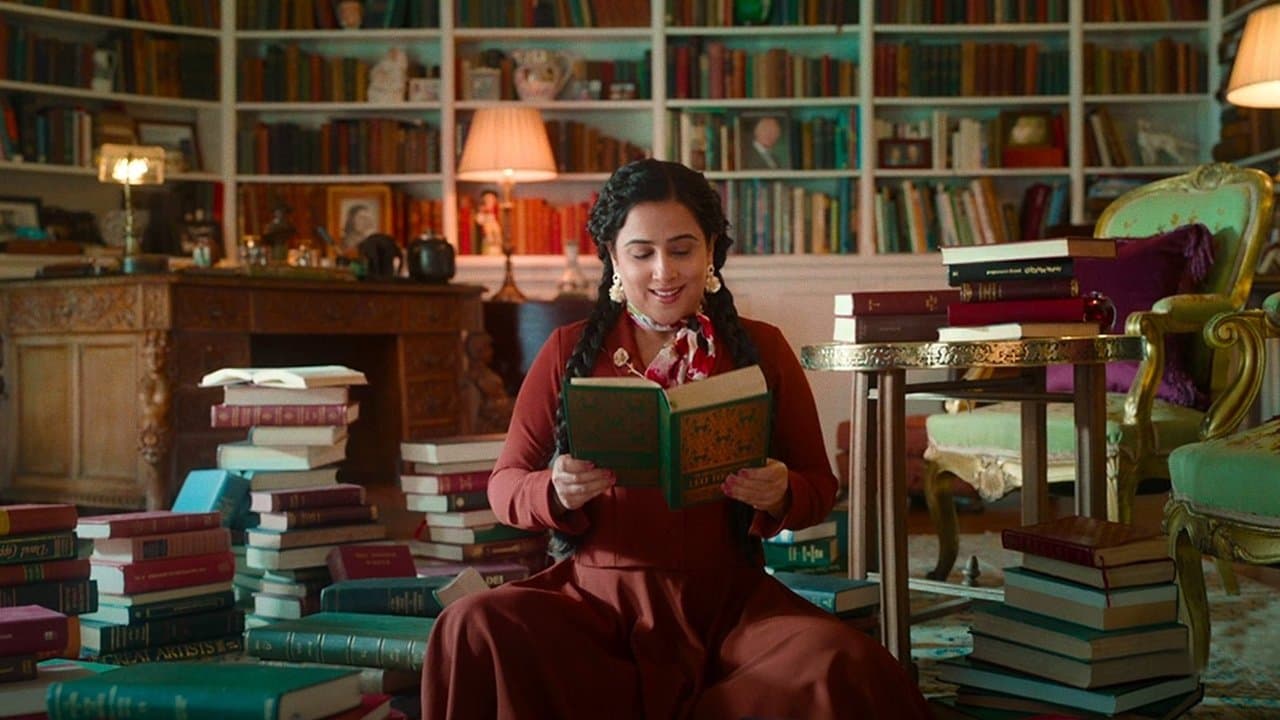
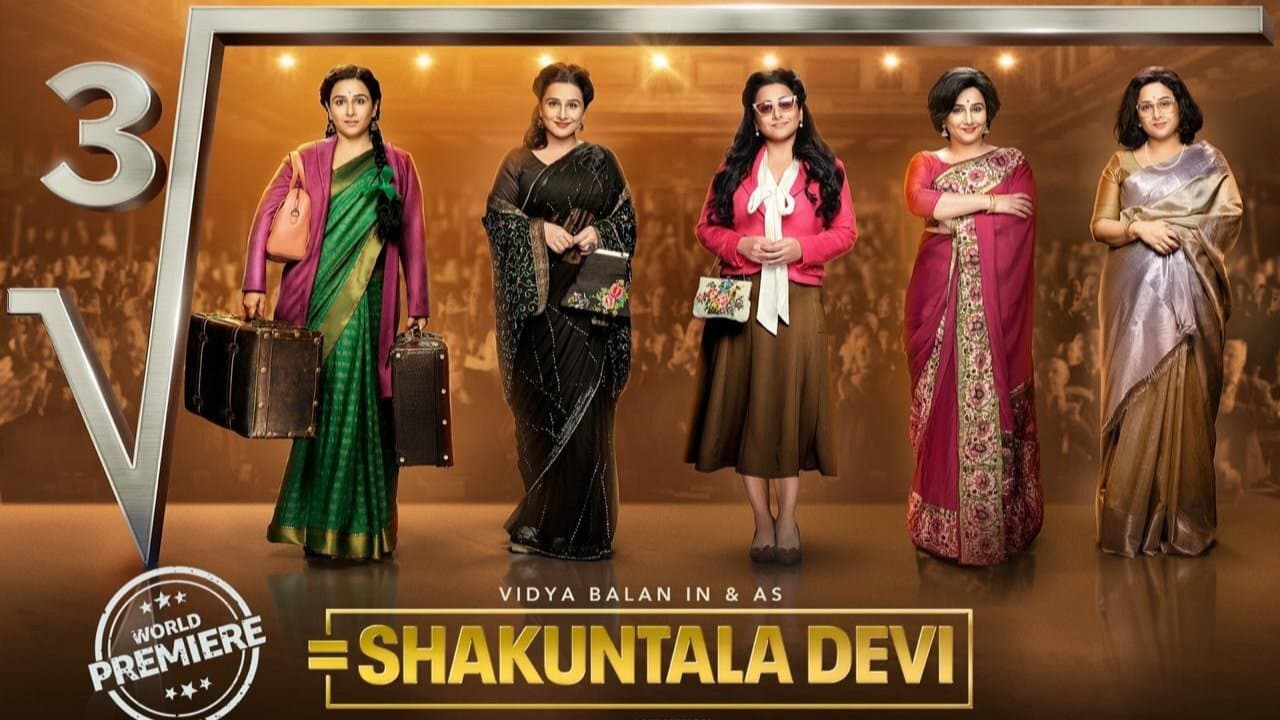
Six years ago, on July 31, 2020, Anu Menon’s Shakuntala Devi premiered on Amazon Prime Video, bringing the astonishing story of India’s “Human Computer” to living rooms during a pandemic year when theatres were dark. The biographical drama, starring Vidya Balan in the titular role, was a departure from the typical Bollywood biopic - it didn't just celebrate the mathematical genius but also examined the personal costs of her brilliance. As the film marks its sixth anniversary, it remains a standout in digital-first releases, blending family drama, humor, and intellectual awe in a tight 127-minute runtime.
The film traced the life of Shakuntala Devi, from her childhood as a reluctant prodigy pushed by a domineering father (Prakash Belawadi) to her global fame as a calculating wizard who could solve complex equations faster than computers. But director Anu Menon wisely focused on the emotional turbulence beneath the headlines - particularly Devi’s strained relationship with her daughter, Anupama (Sanya Malhotra). While the TMDb rating hovers at a respectable 6.526/10, the film’s real currency has always been Balan’s electrifying performance. Her portrayal balanced flamboyance with vulnerability, making Devi both a marvel and a deeply flawed human. The supporting cast, including Jisshu Sengupta as her husband Paritosh and Amit Sadh as her devoted manager, added texture, but it was Balan’s show from start to finish.
Five Scenes That Capture the Film’s Enduring Magic
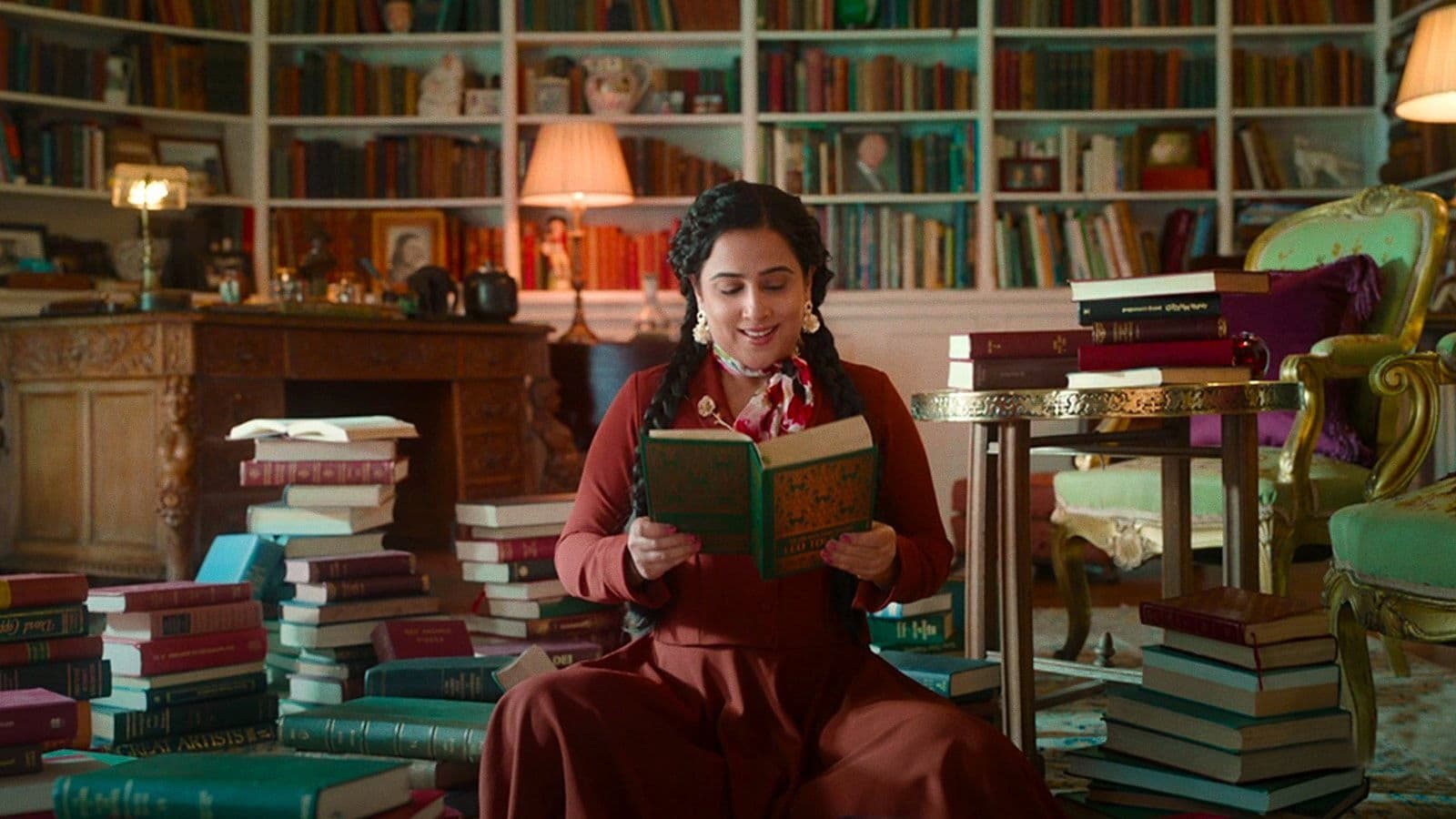
The film’s legacy rests on several moments that still spark conversation among fans and cinephiles. First, the opening montage where young Shakuntala solves impossible sums for skeptical elders is a masterclass in building awe. The scene doesn’t linger on the mechanics of her gift; instead, it frames her as an outsider who uses numbers as both a shield and a sword. Then there’s the London sequence where she challenges a university professor (Luca Calvani) to a mental math duel - Balan’s eyes blaze with competitive fire, and the sudden silence in the lecture hall speaks louder than applause. It’s a scene that encapsulates the film’s core tension: brilliance can be isolating, even when it wins.
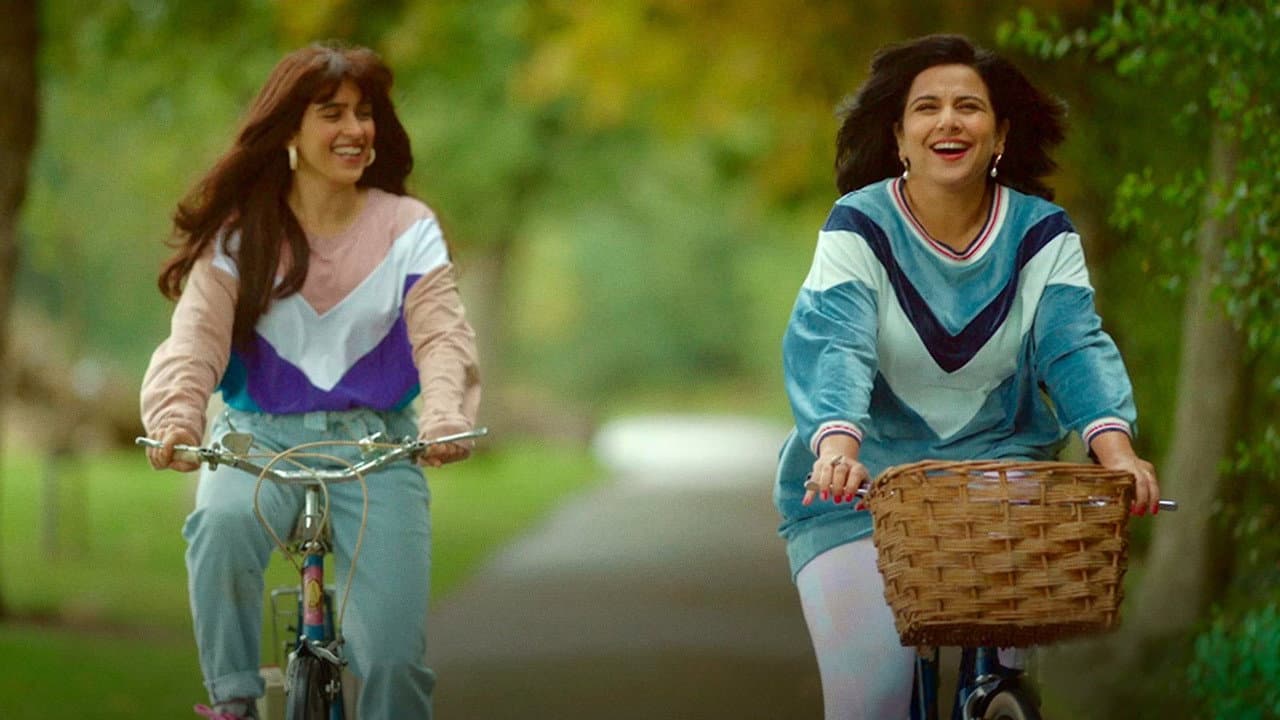
Another unforgettable moment is the painfully honest confrontation between Shakuntala and her daughter in a cramped kitchen. Malhotra and Balan trade barbs that feel less like scripted dialogue and more like years of suppressed resentment surfacing. The scene avoids melodrama, choosing instead to let the clatter of utensils and the hum of a refrigerator underscore the emotional distance. It’s here that the film elevates from a biopic into a genuine family drama. Similarly, the climactic reconciliation scene - set against the backdrop of Devi’s later years - offers no easy resolution. Balan’s tearful admission of failure as a mother is a gut punch, reminding viewers that genius doesn’t exempt anyone from human error.
Finally, there’s the underrated moment where Shakuntala teaches a classroom of reluctant students, using her own childhood scars to connect. It’s a quiet scene, but it shows the film’s heart: Devi’s desire to be understood, not just admired. Each of these moments works because Balan commits fully, refusing to reduce her character to a quirky savant. She portrays Devi’s rapid-fire speech, theatrical gestures, and inner fragility with equal conviction, earning comparisons to other great biopic performances of the decade.
Revisiting a Biopic That Refused to Be a Hagiography
What makes Shakuntala Devi worth revisiting isn’t just the math - it’s the film’s refusal to sanctify its subject. Anu Menon’s screenplay, co-written with Ishita Moitra, treats Devi’s achievements as a given but spends its energy on the collateral damage of her obsession. The film openly asks: What does it cost to be extraordinary? The answer isn’t comfortable. Paritosh and Anupama are not mere satellites; they’re casualties of Shakuntala’s relentless pursuit of validation. Jisshu Sengupta delivers a quietly devastating performance as a husband who loves but is perpetually outshone, while Malhotra’s raw portrayal of a daughter who grows up feeling second-best gives the film its tragic undertone.
The comedy, too, deserves acknowledgment. Scenes involving Sheeba Chaddha’s exasperated sister-in-law or Amit Sadh’s bewildered but loyal aide provide breathing room without undermining the drama. This tonal balance is difficult to achieve, and Shakuntala Devi manages it with a breeziness that belies its heavy themes. Six years later, it also feels ahead of its time in depicting a working mother’s guilt without cinematic punishment - Shakuntala’s failings are laid bare, but the film never judges her harshly. Instead, it leaves the audience to sit with the complexity.
A Legacy of Representation and Relatability
Beyond its craft, the film holds cultural significance. In an era where Bollywood often equates female ambition with villainy or victimhood, Balan’s Shakuntala is neither. She’s messy, arrogant, lovable, and heartbreakingly lonely - all at once. The film’s release on a streaming platform also marked a shift in how Indian audiences consumed star-driven projects, proving that a mid-budget, character-led drama could find a global audience without a theatrical window. As the world debates the future of biopics, Shakuntala Devi stands as proof that the genre can be intellectually stimulating and emotionally resonant without resorting to hagiography.
Today, as the film completes six years, its themes of maternal ambition and reconciliation feel more relevant than ever. The “Human Computer” is gone, but her story - and Balan’s towering performance in it - continues to subtract the noise and add up to something timeless. For those who missed it the first time, or for those who want to relive the magic, the film remains a one-click trip back to a moment when a math genius taught us about the most complex equation of all: love and forgiveness.
Source: Filmibeat