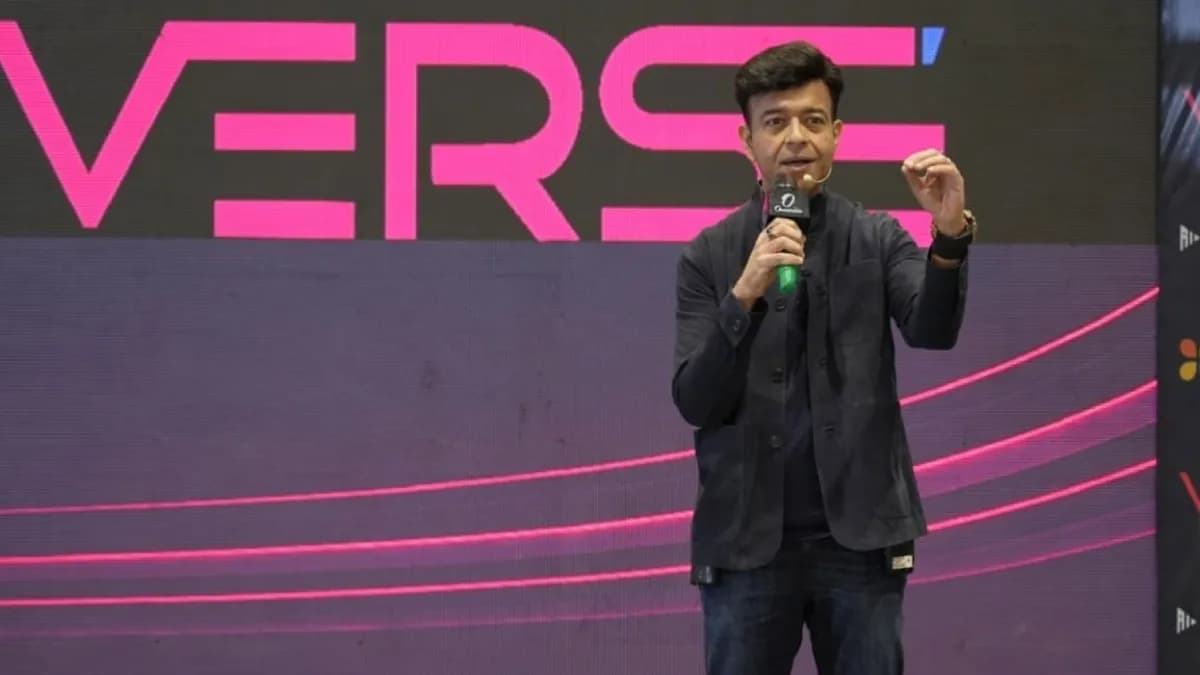
VerSe Innovation, the parent company behind prominent digital media platforms, chose the bustling setting of Film Expo 2026 to make a significant technological announcement. The company used the industry gathering to pull the wraps off its newest venture, a global AI-driven content platform called Spark Station. The unveiling took place against the backdrop of a film industry that is increasingly looking toward automation and data-informed creativity, signaling that the tech giant is ready to play a more direct role in how stories are conceptualized and distributed.
The launch event highlighted Spark Station as a comprehensive ecosystem designed for a new era of media production. According to the company's presentation, the platform aims to serve as a one-stop destination for creators, studios, and marketers who are navigating the complexities of a fragmented global audience. While VerSe executives did not disclose specific user metrics or launch dates during the announcement, the core pitch was clear: Spark Station intends to streamline the entire content lifecycle - from initial idea generation and scripting to post-production and cross-border distribution - using advanced machine learning models.
At its heart, the platform appears to be an attempt to bridge the gap between traditional filmmaking and the hyper-personalized demands of digital consumption. Company representatives at the expo emphasized that Spark Station is not designed to replace human creativity but rather to augment it. The AI components are positioned as collaborative tools that can analyze market trends, predict audience sentiment, and even assist with localized adaptation of dialogues and subtitles. For an industry that often struggles to scale projects internationally, this feature could offer a practical solution to the perennial problem of dubbing and cultural nuance.
However, the announcement was not limited to back-end production tools. VerSe framed Spark Station as a forward-looking distribution network that leverages its existing reach in the vernacular digital space. Given that VerSe already manages a large portfolio of news and short-form video apps in multiple Indian languages, the new platform is expected to plug into that infrastructure. This integration could give independent filmmakers a direct pipeline to audiences who consume content in Hindi, Tamil, Telugu, Marathi, and other regional tongues, bypassing traditional gatekeepers.
The timing of this launch is particularly notable. With Film Expo 2026 serving as a magnet for global streaming platforms and production houses scouting for the next big idea, VerSe’s move appears calculated to capture mindshare among producers who are wary of the rising costs associated with large-budget films. By offering a suite of AI tools that promise faster turnaround times and cheaper pre-production cycles, Spark Station could appeal to mid-tier studios looking to optimize their workflows without sacrificing quality.
Reactions at the expo floor were mixed but predominantly curious. Several independent producers expressed interest in how the platform might handle script analysis, specifically in terms of box-office forecasting. Others, though, raised quiet concerns about the homogenization of storytelling. If every studio relies on the same AI models to gauge what works, the argument goes, then cinema risks becoming formulaic. These are concerns that VerSe will likely need to address as it rolls out early access to its tools across 2026.
For now, Spark Station’s official feature set remains somewhat broad - a deliberate strategy, perhaps, to keep competitors guessing. What is clear is the company’s ambition to move beyond its reputation as a digital news aggregator and into the fabric of mainstream media production. The pivot is not entirely unexpected; media conglomerates across the world are investing heavily in generative AI, and India, with its massive youth demographic and smartphone penetration, is a natural testing ground.
The expo audience was given a high-level demonstration of the platform’s interface, which showcased a dashboard that visually mapped audience demographics against narrative choices. It was a slick presentation that underscored the company’s technical capabilities, even if detailed technical specifications were kept under wraps. Notably, VerSe executives avoided making outlandish promises about AI replacing screenwriters or directors. Instead, they repeatedly stressed that Spark Station acts as a "force multiplier" for human talent.
For the Indian entertainment sector, the implications are substantial. Content creation has long been a relationship-driven business, but the introduction of data-heavy tools like Spark Station could democratize access for newcomers who lack established industry connections. At the same time, established talent houses might adopt the platform to hedge against the unpredictable nature of audience taste. The company’s decision to debut at Film Expo - rather than a purely tech-oriented conference - underscores its intention to be seen as a partner to the film community, not an outsider crashing the party.
As the expo wraps up, the conversation surrounding Spark Station is just beginning. VerSe has not provided a definitive commercial launch window, but the buzz generated by its presence here is undeniable. The next few quarters will reveal whether this platform becomes an essential utility for filmmakers or remains an ambitious experiment lost in the crowded AI landscape. For now, Spark Station stands as the most talked-about tech introduction of the event, a testament to the fact that the line between cinema and software is growing thinner by the day.
Source: Filmibeat