The conversation around women in cinema has shifted dramatically over the past few years, moving from a polite demand for representation to a hard-nosed acknowledgment of commercial reality. Female-led stories are no longer niche propositions or festival fodder; they are, with increasing frequency, the titles that drive footfalls, spark social media storms, and post the kind of numbers that make studio accountants smile. The latest example of this shift arrives in an unexpected package: a twelve-minute animated short film titled From Female-Led To Box-Office Powerhouse: How Women-Led Stories Are Winning Audiences, which releases on January 1, 2026.
At first glance, a twelve-minute animation might seem an odd standard-bearer for a box-office revolution. But the film's very existence - and the themes it tackles - speaks to how far the industry has come in trusting women's narratives, even in compact, experimental formats. Directed by Bassem Ben Brahim, the project is an English-language production made within the Bollywood industry, a detail that underscores how the Hindi film ecosystem is increasingly embracing global storytelling modes and shorter, more malleable running times. The cast remains unannounced, and the film currently sits at a 0/10 rating on TMDb, reflecting a title that has yet to be widely seen or rated by audiences.
A Story of Identity, Myth, and Inner Discovery
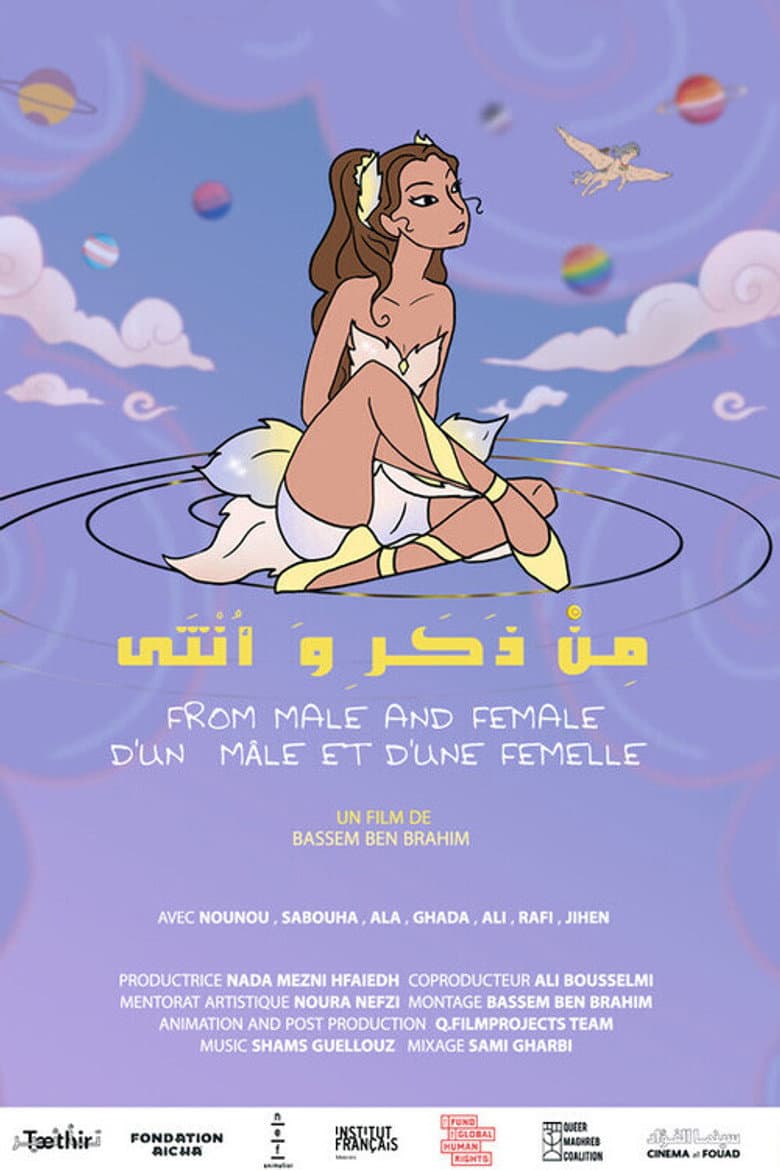
The film's narrative centers on Salima, a fifteen-year-old ballerina who accidentally discovers that she is intersex. That revelation propels her into an imaginary world, one where a mythical creature called the Buraq becomes her guide. Together, the two travel through a parallel universe in search of something buried: Salima's identity and the essence of who she is. It is, by any measure, a deeply personal and conceptually ambitious story, one that blends animation's limitless visual possibilities with a tender, searching coming-of-age arc.
That a film with such a premise is being positioned as part of a larger conversation about women-led stories winning audiences is telling. The industry has spent years debating whether female protagonists can carry big-budget spectacles or whether stories about women's inner lives can draw crowds beyond a dedicated niche. The answer, increasingly, is yes - and not just in live-action. Animation has quietly become one of the most fertile grounds for complex female characters, from recent global hits to smaller, auteur-driven works that find devoted audiences on streaming platforms and in curated theatrical slots.
The Bollywood Context: Shifting Tides Behind the Camera
Within Bollywood specifically, the change is palpable. For decades, the industry's biggest female roles were often decorative or reactive, supporting male stars in films built around their arcs. That model has not disappeared entirely, but it is no longer the only viable one. Producers are backing scripts where women drive the narrative, and audiences are showing up - not out of obligation, but because the stories are good. The rise of female-led projects has also coincided with more women working behind the camera as directors, writers, and editors, though the film at hand is directed by a man, Bassem Ben Brahim, suggesting that the shift is not merely about who tells the story but what stories are deemed worth telling at all.
The twelve-minute runtime of From Female-Led To Box-Office Powerhouse is itself a statement of sorts. In an era of bloated running times, the short format forces narrative economy. Every frame must justify itself. For a story about a teenager grappling with an intersex identity - a subject still rarely addressed in mainstream cinema anywhere, let alone in Bollywood - that compression could be a strength. Animation allows the film to visualize Salima's inner world without the constraints of physical production, making the Buraq and the parallel universe not just plot devices but emotional landscapes.
Why This Story Matters Now
The timing of the release, on the first day of 2026, positions it as a New Year's statement about where women-led storytelling is headed. The industry is no longer asking whether these films can succeed. It is asking how to make more of them, how to market them to audiences that have grown tired of formula, and how to ensure that the creative teams behind them reflect the diversity of the stories being told. Salima's journey - escaping into imagination to find a buried truth - mirrors the larger journey of women-led cinema itself: a search for identity and essence that, when done well, resonates far beyond any single demographic.
Whether a twelve-minute animated short can be a "box-office powerhouse" in the traditional sense is almost beside the point. The title is a provocation, a thesis statement. The real powerhouse is the idea it represents: that stories about women, told with honesty and craft, are no longer a gamble. They are the main event. And when a film about an intersex ballerina and a mythical creature can sit comfortably under that banner, something has genuinely changed.
Source: Filmibeat