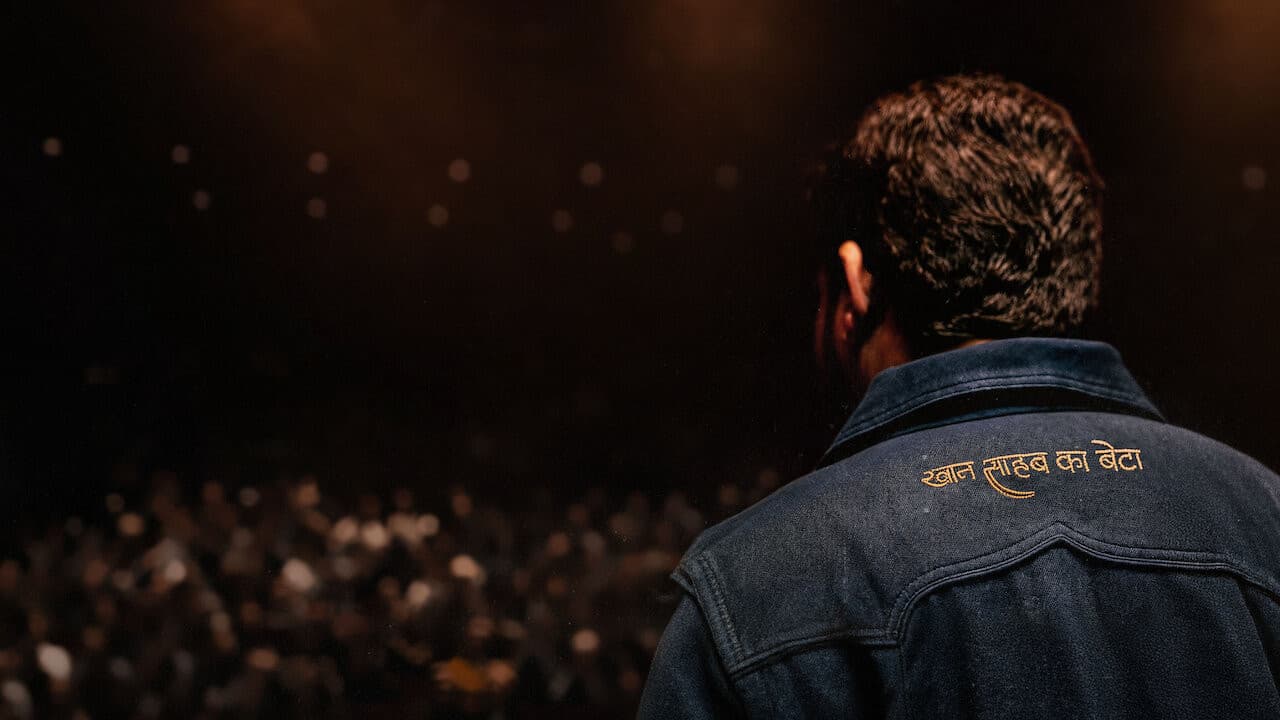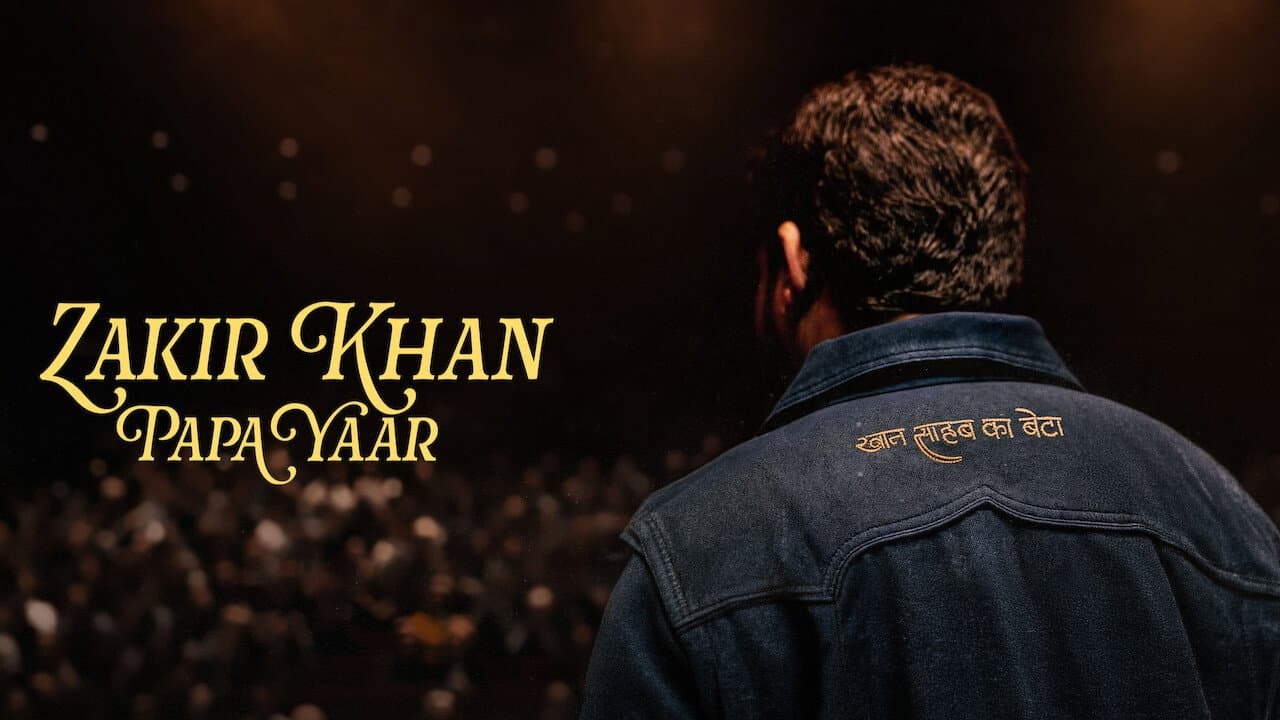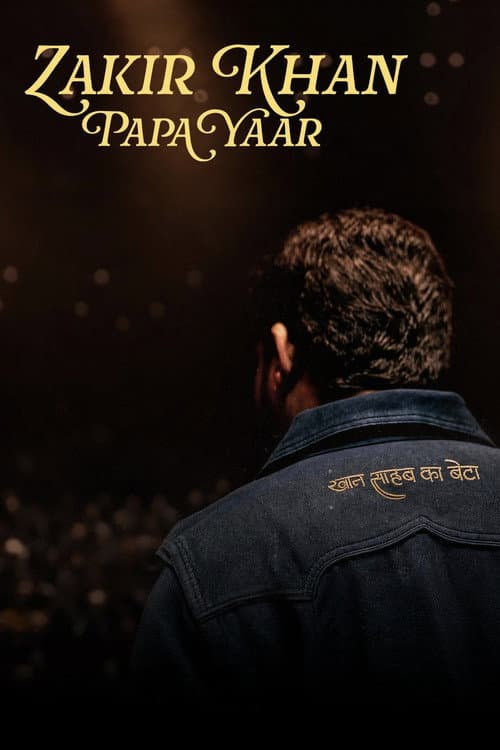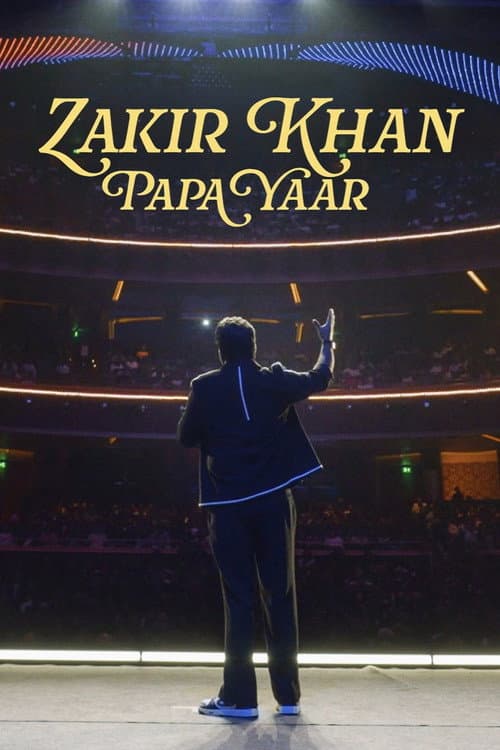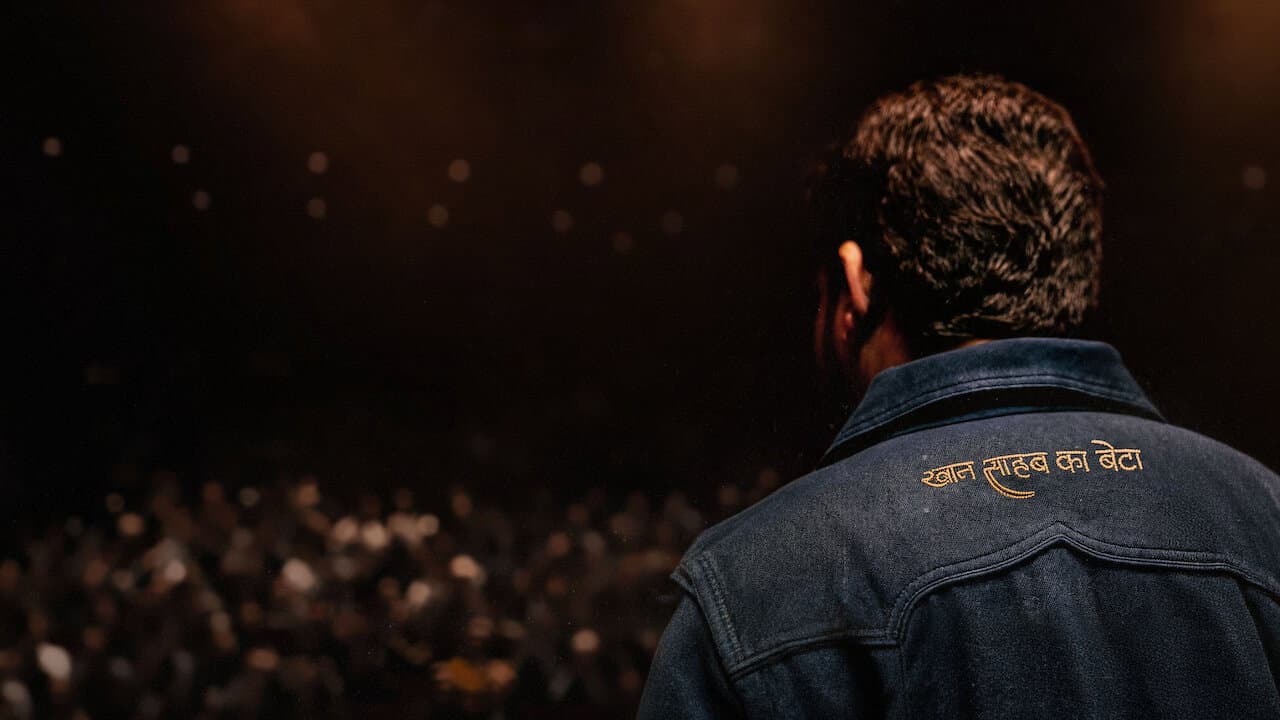
The wait is finally over for fans of Indian stand-up comedy’s most beloved storyteller. As the monsoon clouds part and the festive season of September approaches, OTT platforms and cinemas are bracing for a different kind of storm - one built on quiet nostalgia, chai-sipping anecdotes, and the unshakeable warmth of a father-son duo. Zakir Khan, the poet of the common man, is returning to the screen this month, not with a fictional character, but with the most personal and poignant version of himself. Titled Zakir Khan: Papa Yaar, this new special promises to be less of a standard stand-up set and more of an intimate evening spent at the family dinner table, where every laugh is tinged with a tear of recognition.
Release Date & Where to Watch
Mark your calendars for Friday, September 18, 2026. That is the official release date for this heartwarming comedy special. In a move that will delight binge-watchers and theatre enthusiasts alike, the special is slated for a wide release, ensuring that no matter where you are in the world, you can catch Zakir doing what he does best. While the industry is buzzing with speculation about a potential streaming giant acquiring the rights, the producers have confirmed a theatrical rollout for select major cities before it heads to digital platforms. The language is pure Hindi, staying true to the authenticity of Zakir’s narrative - the language of gallis, mohallas, and the unspoken words between a father and his son. Given that the runtime remains a tightly guarded secret (much like a father’s diary), the plan is to present the show as a cinematic experience, complete with close-ups that capture every micro-expression of the comedian’s expressive face. For those who cannot make it to the theatres, a digital premiere is expected shortly after, but the opening weekend is designed for the big screen, where collective laughter feels like a community ritual.
Cast & Crew
At the helm of this deeply personal project is Director Karan Asnani, a name synonymous with capturing the essence of live performance. Asnani, known for his sharp visual storytelling in the comedy space, has the unenviable task of translating the raw energy of a live audience and the vulnerability of a solo performer into a cinematic language. He is no stranger to handling the nuances of a single-artist narrative, and with Papa Yaar, he aims to blur the lines between a documentary, a theatrical performance, and a visual memoir.
The entire weight of the production rests solely - and confidently - on the shoulders of Zakir Khan as himself. There are no supporting actors, no cameos, no elaborate sets. It is just Zakir, a stool, a microphone, and perhaps a glass of water that he will nervously sip between punchlines. This intimacy is the core strength of the piece. Zakir’s performance is not an act; it is a revelation. He walks the tightrope between being a son who is still trying to understand his father and a grown man who now sees the world through his father’s seasoned eyes. The chemistry, of course, is with the off-screen presence of his Papa, a figure who looms large in every anecdote, every pause, and every poetic verse. Expect archival family photographs and maybe a voice recording or two, woven into the visual fabric by Asnani to elevate the narrative beyond a simple comedy taping.
Story & What to Expect
The premise of Zakir Khan: Papa Yaar is deceptively simple: Zakir reflects on his childhood and the profound, often unspoken, bond he shares with his father. But to assume this is just another "dad jokes" special would be a grave error. This is a journey into the very soul of Indian masculinity, exploring how fathers in our country express love not through words, but through sacrifice, discipline, and silent presence.
Expect a masterclass in Zakir’s signature blend of observational humour - the kind that finds comedy in the way a father clears his throat to signal displeasure, or the ritual of checking the pulse of the household by the volume of the morning newspaper. He navigates the terrains of his own boyhood, from the terror of report cards to the awkwardness of adolescence, where Papa morphs from a superhero into a perceived adversary. The narrative arc, however, turns when Zakir grows up to become a performer. Suddenly, the man who wanted him to be an engineer is sitting in the front row, trying to hide a proud smile. The poetry arrives at these moments. Zakir’s famed Shayari is here, not just as a punchline setup, but as a saudade - a longing for moments that have passed.
What to expect is a rollercoaster of heavy laughter followed by pin-drop silences. There are stories about road trips where the car’s AC was never turned on to "save the engine," and about the first time Zakir saw his father cry. He explores the "unspoken sides of fatherhood" - the anxiety before a major decision, the loneliness of being the family’s rock, and the quiet fear of becoming obsolete in a rapidly changing world. It is this emotional undercurrent that sets it apart. You will laugh at the specifics of a typical North Indian household - the arguments about the right way to pack a suitcase - but you will feel the universality of the love that anchors those arguments. It is a session of therapy disguised as a comedy show, where Zakir is both the patient and the healer.
Why It's Worth Watching
In an age of high-concept sci-fi and loud action blockbusters, Zakir Khan: Papa Yaar dares to be quiet, yet it roars with authenticity. The TMDb rating of zero is merely a placeholder, awaiting the inevitable flood of 10/10 scores from audiences who will see their own lives reflected on screen. This is not a film about comedy; it is a film about connection. In a world where we often reduce fathers to ATM machines or strict disciplinarians, Zakir’s narrative reclaims the narrative. He turns his father into a "Yaar" - a friend, an accomplice, the first audience for every joke and the toughest critic of every failure.
For fans of Hindi comedy, this is a homecoming to the roots of storytelling. There are no props, no costume changes, purely the power of language and timing. Zakir's ability to shift from a loud, boisterous mimicry of his uncles to a hushed, vulnerable whisper is on full display. It is worth watching for the catharsis alone. You will leave the theatre with a lump in your throat and an overwhelming urge to call your own Papa, just to say "thank you."
The project also cements Karan Asnani’s reputation for treating comedy with the respect of high art. The cinematography is expected to utilize tight framing to make you feel as if you are sitting on the couch next to Zakir, leaning in for the punchline. With the release date just a fortnight away, the anticipation is palpable. This is more than a movie preview; it is an invitation to reconcile with your past. It will remind you that the title of "Papa Yaar" isn't just a catchy phrase - it’s the highest honour a son can bestow. Do not miss the chance to witness Zakir Khan, the son, becoming the voice of every son and daughter who ever struggled to say, "I love you, Papa." This one will stay with you long after the credits roll.