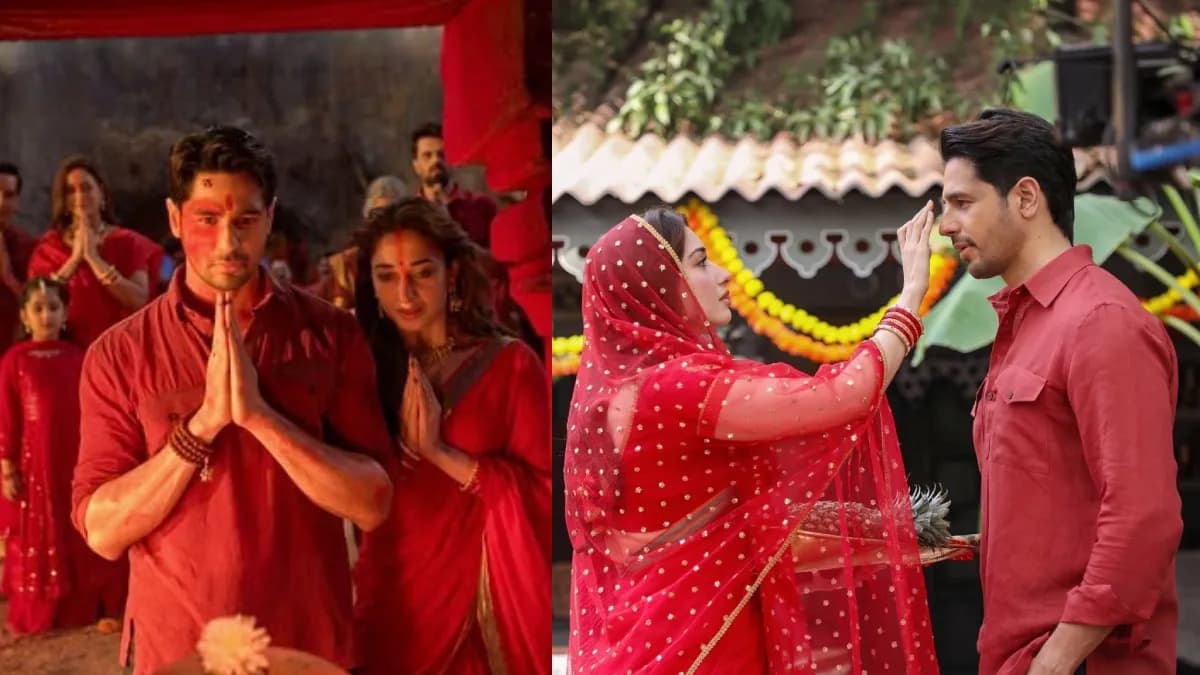
As Chhath Puja gets underway across large parts of northern and eastern India on November 13, 2026, actor Sidharth has joined the wave of festive greetings circulating online, using the occasion to look back at one of the more unusual shoots of his career. The actor shared his wishes with followers while recalling the time he spent filming the song "Chhati Maiya" for his project Vvaa, a track whose devotional character has kept it closely tied to the four-day festival in the years since.
A Festival Greeting With a Personal Memory Attached
Sidharth's message placed the ritual at the centre of the day rather than his own work. He extended warm wishes to families observing the vrat, acknowledging the discipline of the fast and the offerings made to the setting and rising sun that define the celebration. For an actor whose public statements tend to arrive alongside promotional material, the tone here was notably unhurried - a greeting first, a recollection second.
That recollection is where the interest lies for film followers. "Chhati Maiya," the song he filmed for Vvaa, draws directly on the musical traditions associated with Chhath, and shooting it left an impression he has chosen to revisit on the festival date itself rather than at a press event or during a promotional cycle. The actor described the experience of preparing for and performing the number in terms that suggested the devotional content demanded something different from him as a performer.
According to his account, the shoot carried a seriousness that surprised him. He spoke about how the song required him to understand the sentiment behind the words rather than simply deliver them, and about the effort that went into matching the visual language of the track to the emotional register of the festival. He framed the memory as one of the more meaningful stretches of work he has been part of, noting that filming something rooted in lived religious practice carries a responsibility that a standard film song does not.
Why the Song Continues to Surface Each Year
It is worth noting that "Chhati Maiya" has developed a life beyond Vvaa. Across successive Chhath seasons, the track has been picked up by listeners who respond to its framing of the festival's central image - the devotee at the water's edge, the arghya offered at dusk and dawn, the familial bonds the occasion reinforces. Songs built around specific festivals often fade once the release window closes; this one has not, and Sidharth's decision to invoke it on the day itself reflects an awareness that audiences connect him with it annually.
The actor's post also touched on how festival songs reach people in ways that mainstream film music sometimes does not. He noted that the track is remembered by listeners who may not have followed the rest of his work, and that this broader reach is something he values. He described encountering people who associate him primarily with that one number, and said he takes it as a compliment rather than a limitation.
A Quiet Day on the Calendar
Chhath Puja 2026 falls in a period when the industry's attention is largely fixed on upcoming theatrical slates, which makes Sidharth's contribution a modest one by the standards of the news cycle. There was no announcement attached to the post, no release update, no promotional tie-in. The actor's message was confined to greeting his audience and revisiting a shoot he evidently holds in affection - a straightforward exchange rather than a piece of marketing.
That restraint is itself notable. Festival greetings from film personalities frequently double as launch vehicles for trailers, first-look posters or streaming announcements, and readers have come to expect a commercial payload buried somewhere in the goodwill. Here, the substance was the memory: a performer reflecting on what it took to film a devotional number and what the festival means to the people who observe it.
For the millions marking Chhath this week, the greeting arrives in a crowded space - social media feeds are thick with messages from public figures, most of them interchangeable. What distinguishes Sidharth's is the specificity of the reference. He did not simply wish his followers well; he pointed them toward a piece of work shaped by the same traditions they are currently honouring, and left it at that.
Source: Filmibeat