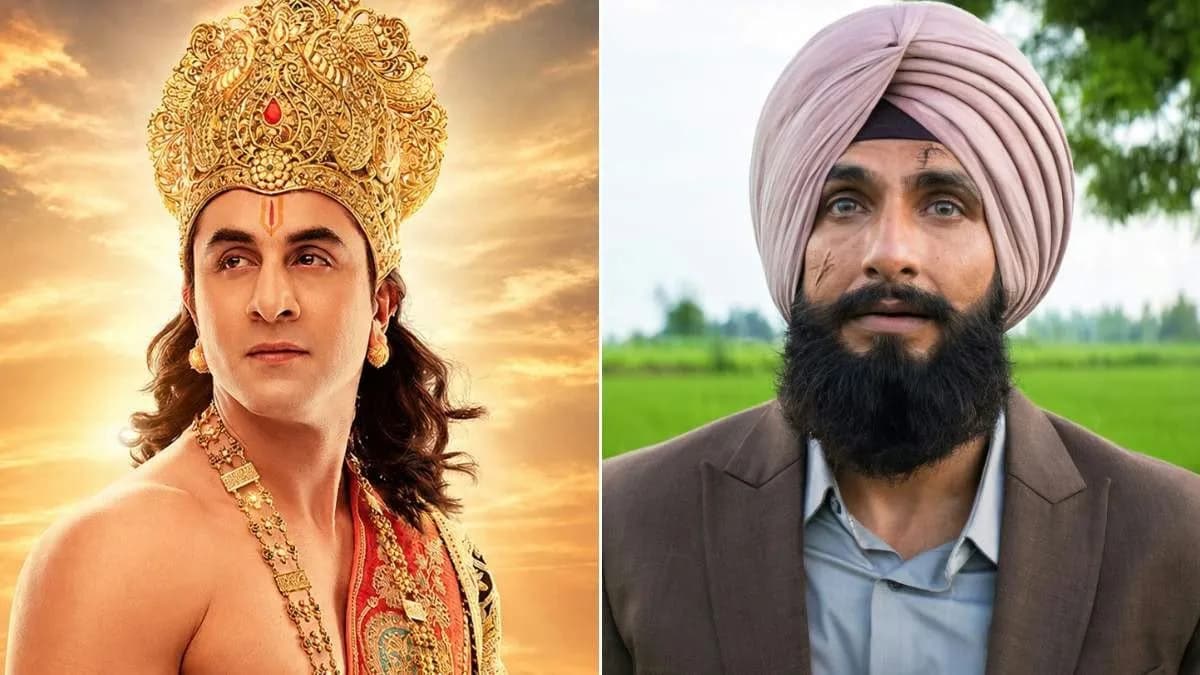
The Hindi film industry closes 2026 in an unusually confident mood. A year that began with questions about whether audiences would keep returning to theatres has ended with exhibitors and producers talking less about opening-weekend numbers and more about what happens to a film after its first Monday. Two titles in particular - the big-canvas action drama Dhurandhar and the coming mythological epic Ramayana - have come to symbolise a shift in how the business measures success, moving the conversation away from the box office alone and towards the broader theatrical ecosystem.
That shift is not simply rhetorical. Across the year, the Hindi film business has been forced to reckon with a fragmented audience, a crowded release calendar and the growing pull of streaming. What has emerged, according to people who track the sector, is a more pragmatic understanding of what a healthy theatrical run looks like: sustained footfalls over several weeks, strong performance in smaller centres, and a willingness among filmmakers to build events around their releases rather than rely on a single promotional blast.
The Year the Conversation Changed
For much of the past decade, the Hindi film industry's public scoreboard was simple. A film opened on Friday, the weekend numbers arrived by Monday, and the narrative was set. That model has been under strain for a while, and 2026 appears to have accelerated its decline. Trade observers now speak of "lifetime" potential far more than they once did, and the language around a film's performance has become more nuanced - word-of-mouth holds, repeat viewing and the durability of a release in tier-two and tier-three cities all feature in the discussion.
Dhurandhar has been central to that conversation. The film's scale and its reception gave exhibitors a much-needed reminder that audiences will still turn out for a large-screen experience when the material and the marketing align. Its run has been read less as a fluke and more as evidence that the theatrical window retains value when a film is positioned as an occasion rather than a commodity.
Ramayana and the Long Game
Then there is Ramayana, which arrives carrying expectations that stretch well beyond a normal release. The mythological epic has been positioned as a marquee event for Indian cinema, and its producers have been careful to frame it as something audiences will want to see on the biggest screen available. That framing matters. It reflects a broader strategy in which films are sold on the quality of the theatrical experience - sound, scale, spectacle - rather than on the promise that they will be available at home within weeks.
The industry's growing interest in "beyond the box office" thinking is tied to several realities. Ancillary revenue, from satellite and digital rights to music and merchandising, has become a more significant part of how projects are structured. At the same time, the cost of making and marketing large films has climbed, making a single weekend's performance a fragile foundation for a big-budget production. Producers are increasingly looking at the full life of a film - its theatrical run, its post-theatrical deals and its long-term cultural footprint - when judging whether it has worked.
Exhibitors Find Their Footing
Multiplex operators, who bore the brunt of the post-pandemic uncertainty, have emerged from 2026 with a more settled outlook. The year's stronger slate gave them room to experiment with premium formats and event-style screenings, and the response in major cities has encouraged them to think about programming differently. Single-screen theatres, particularly in smaller towns, have also benefited when a big film connects, reinforcing the view that the Hindi film audience is wider and more scattered than metro-centric analysis often suggests.
None of this means the box office has lost its importance. Opening numbers still shape perceptions, and a weak start can doom a film before word-of-mouth has a chance to build. But the emphasis has shifted. A film that opens modestly and holds strongly is now treated with more respect than one that explodes on day one and collapses thereafter - a change in priorities that many in the industry regard as overdue.
Looking Ahead
As 2026 gives way to a new year, the Hindi film business is entering a phase defined less by panic about attendance and more by a search for durable models. The success of Dhurandhar and the anticipation surrounding Ramayana have given the industry a template to discuss: make the theatre an event, respect the audience's time and money, and build a release strategy that extends beyond the first weekend.
Whether that template holds through 2027 will depend on the films themselves. But the mood as the year ends is notably different from the defensive tone of recent years. The conversation has moved on from whether audiences will come back - they have, selectively - to how the industry can keep giving them reasons to choose the big screen. For an industry that has spent years looking over its shoulder at streaming, that is a meaningful change in direction.
Source: Filmibeat