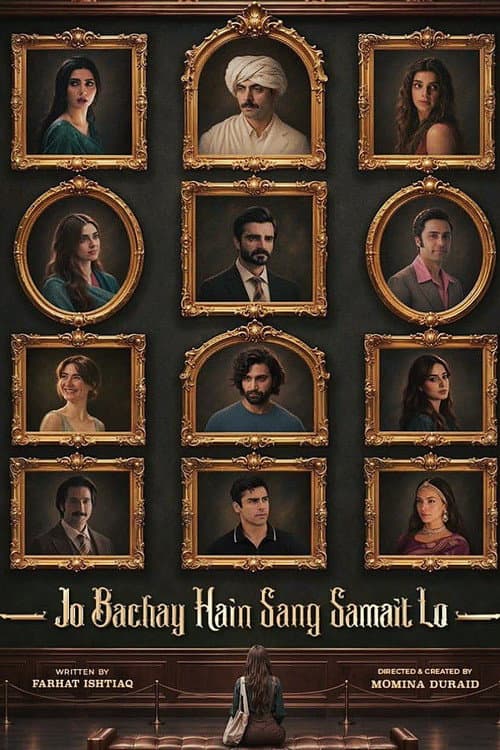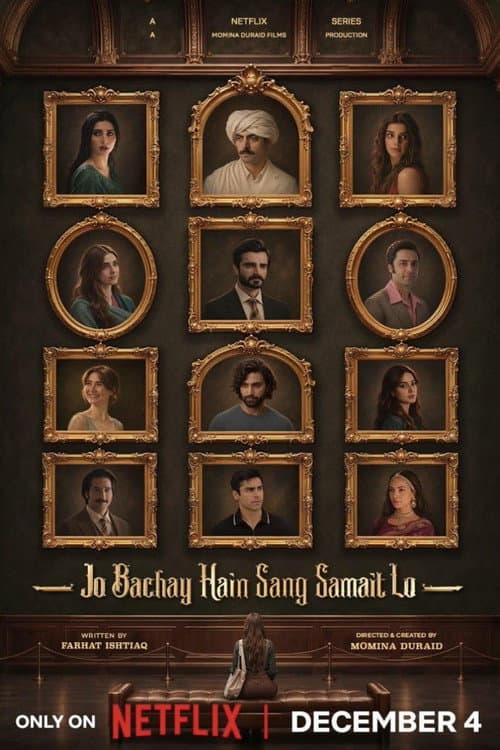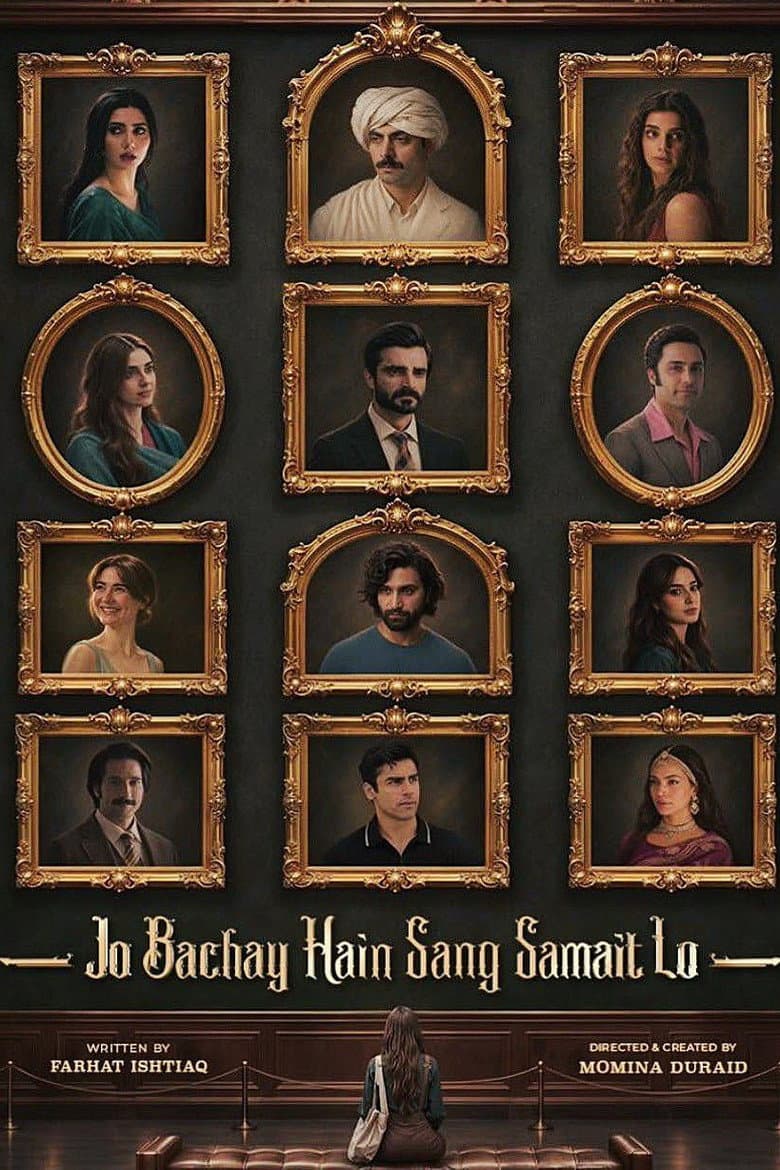
A fresh glimpse of the upcoming drama “Jo Bachay Hain Sang Samait Lo” has landed on YouTube, and the reaction has been anything but gentle for Mahira Khan. The brief Netflix preview, released as part of the streamer’s promotional roll-out, quickly climbed into the platform’s trending charts. But alongside the curiosity came a wave of mockery, with social media users seizing on Khan’s appearance in the clip and flooding comment sections and timelines with the dismissive phrase “Hatao Ise” - roughly, “remove her.”
The film, slated to arrive on December 4, 2026, is a Hindi-language drama centred on two wounded people whose lives intersect against the backdrop of scenic Italy. Ahad Raza Mir plays Sikandar, a Harvard law student still grappling with emotional trauma, while Iqra Aziz appears as Liza, a gifted artist carrying a complicated past of her own. What begins as a chance crossing of paths turns into a shared journey of self-discovery, love and healing. The narrative leans into themes of human vulnerability and emotional resilience, and it makes a case for the lasting pull of relationships.
The ensemble is unusually deep for a project of this scale. Fawad Khan features as Mehmood Akhtar, Sanam Saeed as Vittoria Akhtar, and Mahira Khan as Rahat. Hamza Ali Abbasi plays Shehryar Khan, Bilal Ashraf is Waqar Khan, Maya Ali appears as Rubina Akhtar, and Iqra Aziz rounds out the principal cast as Umme Kulsoom, also known as Liza. No director has been publicly confirmed, and the running time remains under wraps. Audience ratings on aggregator platforms are still effectively blank, with TMDb showing 0 out of 10 - a figure that reflects a title yet to be widely seen rather than any verdict on its quality.
The Backlash Takes Shape
The negativity around Khan’s look in the preview has become the story of the week. The phrase “Hatao Ise” has spread well beyond a single post, appearing across comment threads and quote-posts as users aired their dissatisfaction with how the actor was presented in the footage. Much of the criticism has been blunt, and some of it has spilled into personal remarks - a pattern that has become wearily familiar for women in the entertainment business. It is worth noting that the clip offers only fragments of the film, and that a promotional glimpse is rarely a fair measure of a performance.
There is an irony in the pile-on. Khan is one of the more recognisable names attached to the project, and her presence is among the reasons the preview drew attention in the first place. The trending placement on YouTube reflects interest as much as it reflects disapproval, and the two are often hard to separate in the churn of online conversation.
A Crowded Ensemble and a Streaming Debut
Beyond the noise, the film’s commercial logic is straightforward. “Jo Bachay Hain Sang Samait Lo” assembles a roster of performers with substantial followings, and its Italy-set romance positions it as a polished, emotionally driven offering for the December window. The Netflix association gives it a global reach that a theatrical release of this kind might struggle to match, and the early promotional push suggests the platform sees it as a priority title.
The plot summary released so far suggests a film more interested in interior lives than in spectacle. Sikandar’s legal studies and unresolved pain, Liza’s artistic gift and messy history, and the Italian setting that draws them together all point toward a slow-burn character drama. Whether the finished film delivers on that promise will become clear only when it premieres.
Release and What Comes Next
“Jo Bachay Hain Sang Samait Lo” is set to release on December 4, 2026. With just over a week to go, the marketing campaign is entering its final stretch, and the conversation around Khan’s glimpse is unlikely to fade before then. Studios rarely respond directly to viral criticism of this sort, and there has been no official comment on the backlash.
For now, the takeaway is a familiar one. A few seconds of footage can set off a storm, and a storm can obscure the thing it is ostensibly about. The film’s real test arrives on release day, when audiences will judge the full work rather than a fragment - and when the phrase trending today will have to compete with the story the filmmakers actually set out to tell.
Source: Filmibeat