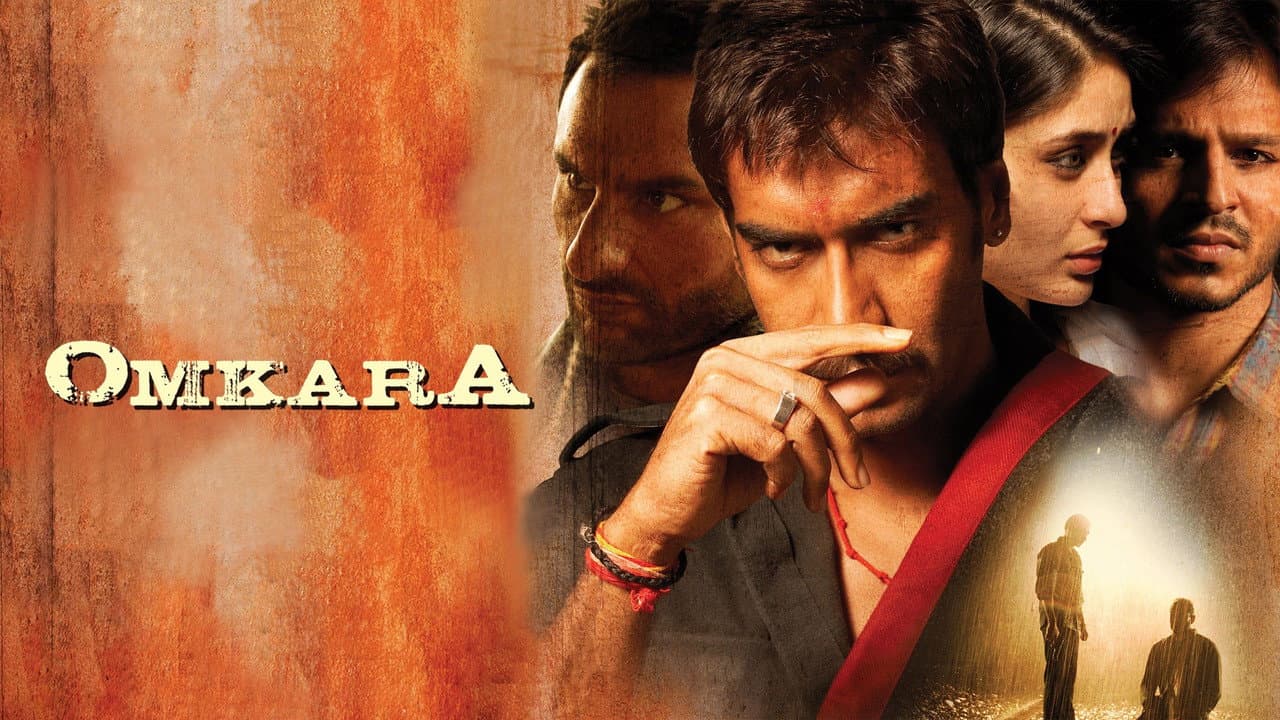
Mumbai, July 28, 2026 - Two decades have passed since Vishal Bhardwaj’s adaptation of Shakespeare’s Othello, Omkara, first hit cinemas, and the film’s legacy remains intact. For Saif Ali Khan, playing the scheming, limping Langda Tyagi was far more than a career turn; it became the launchpad for a two-decade-long streak of daring, unconventional choices that have since defined his filmography.
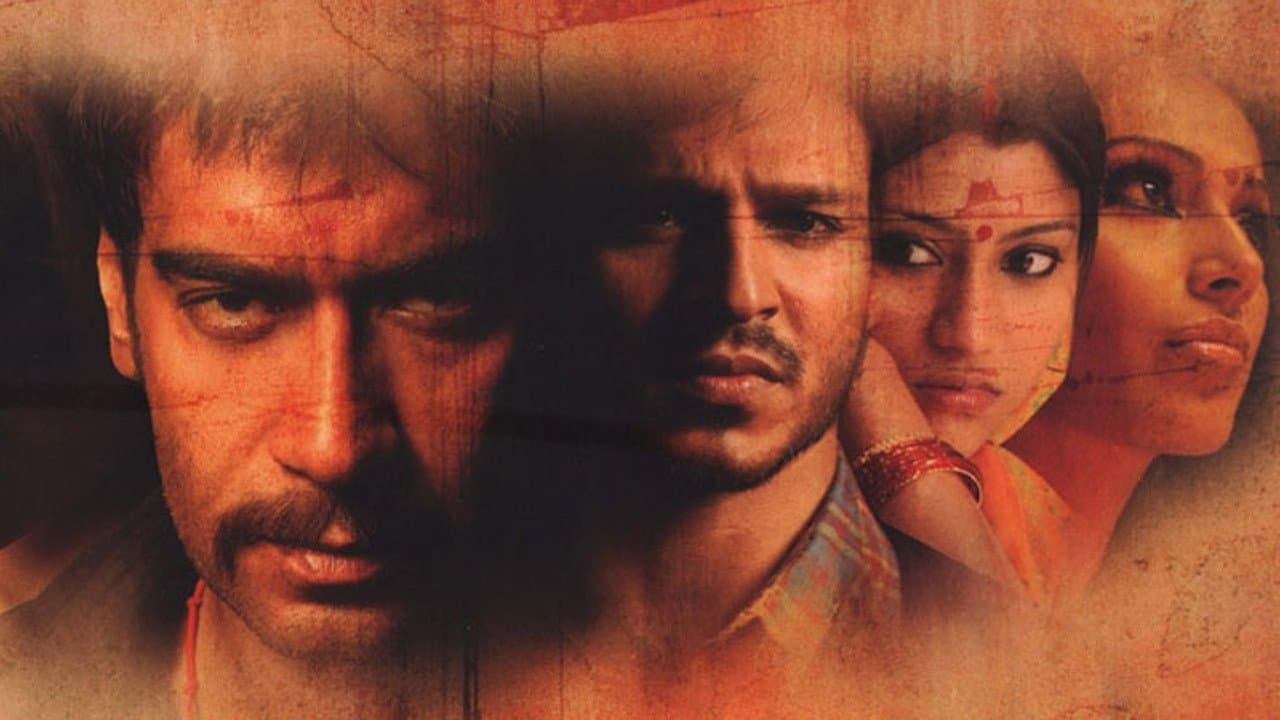
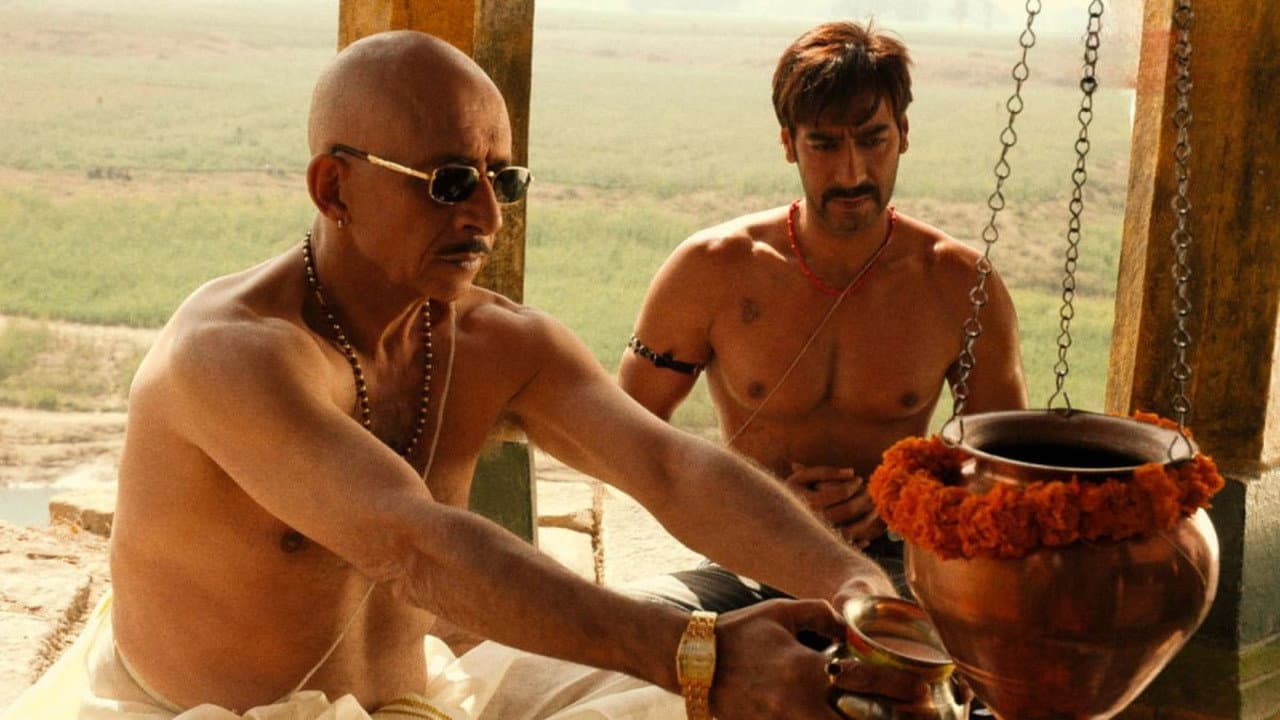
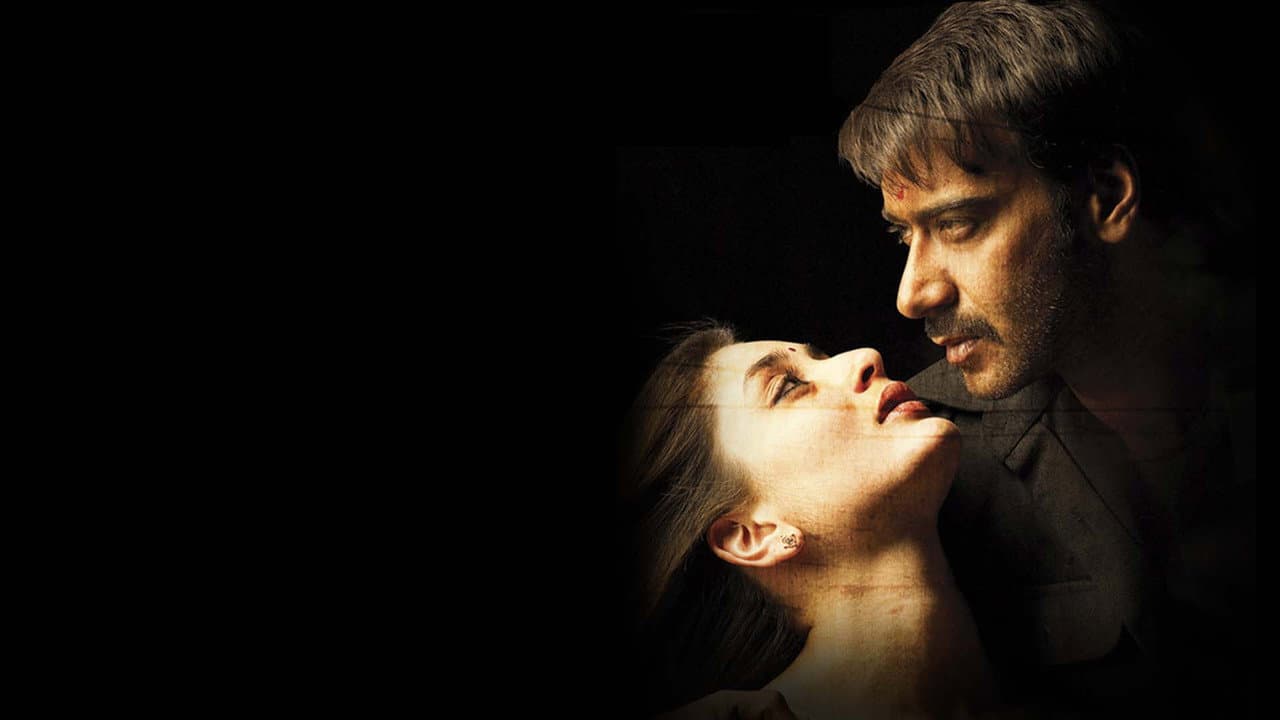
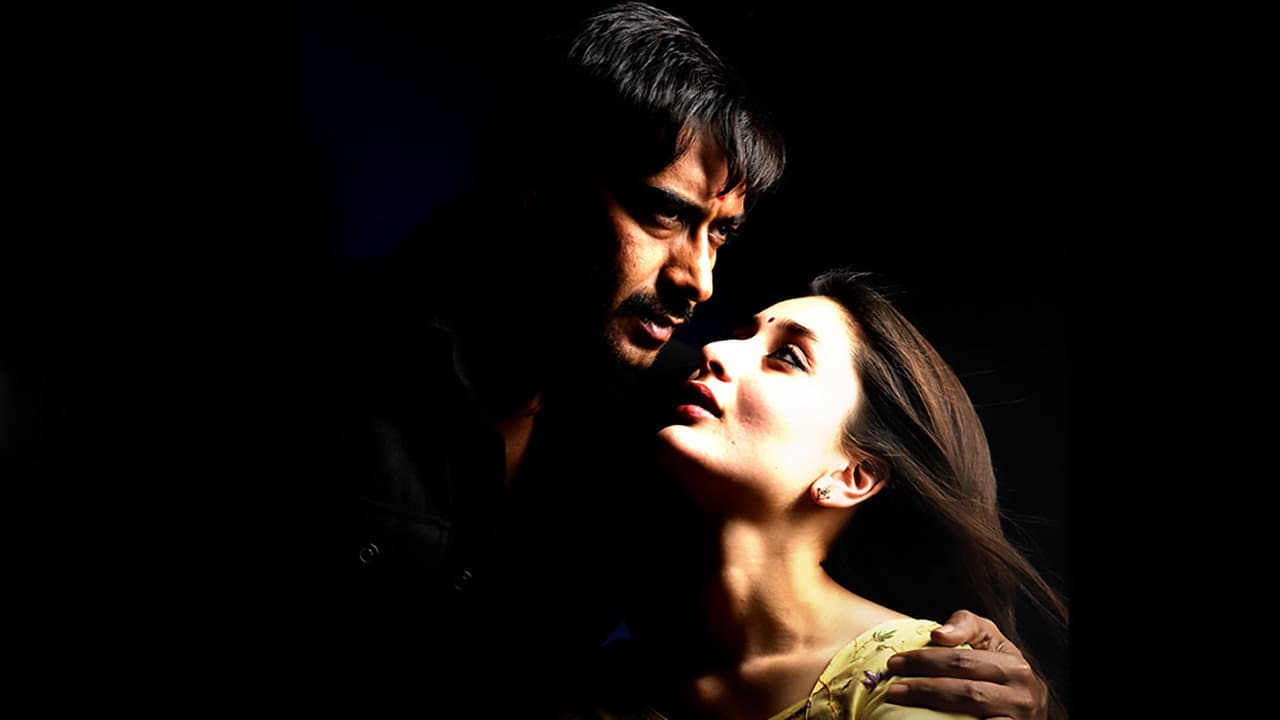
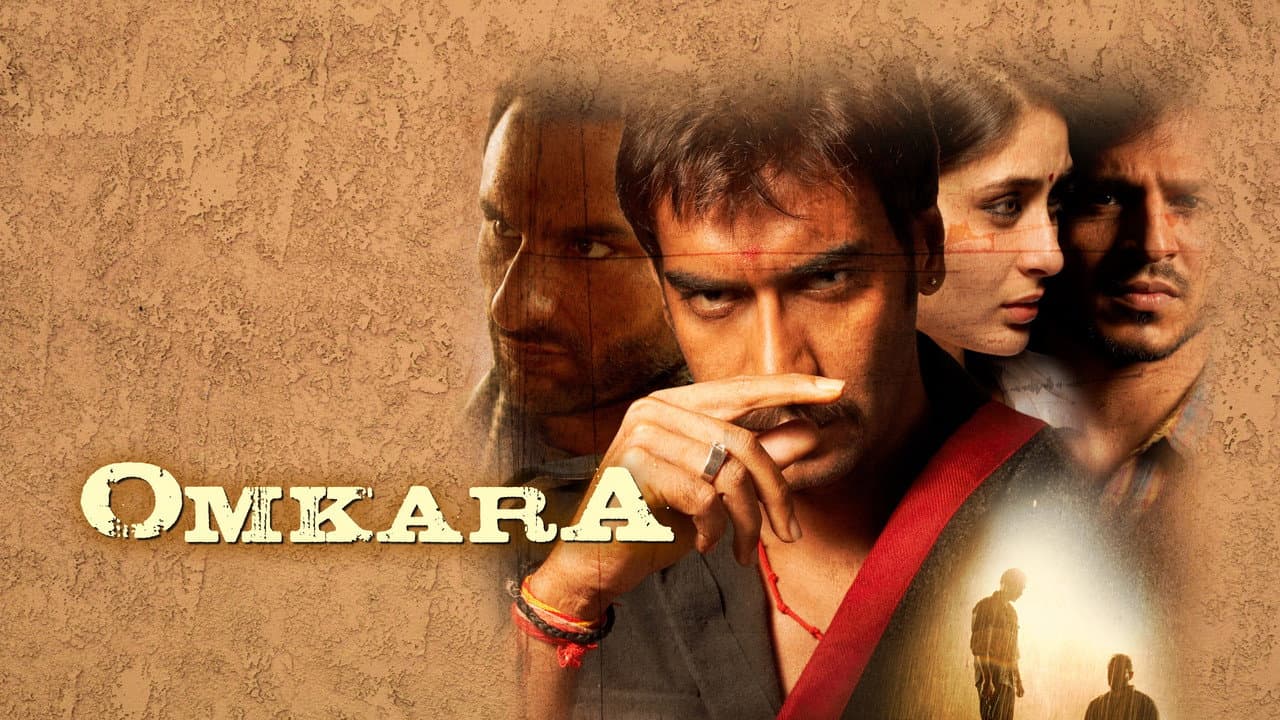
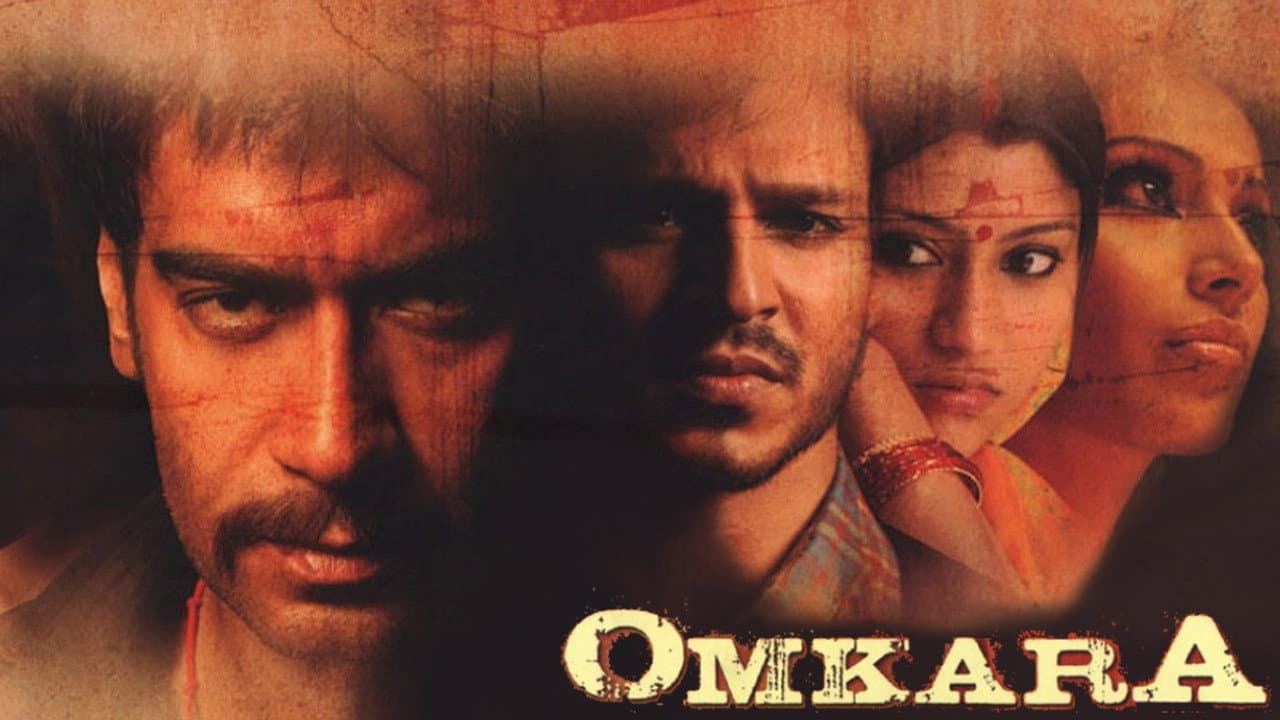
Released on this day in 2006, Omkara twisted the classic tragedy into a gritty crime drama set in the badlands of Uttar Pradesh. The film follows half-caste bandit Omkara Shukla (Ajay Devgn), who abducts his lover Dolly Mishra (Kareena Kapoor Khan) and, through sheer cunning, evades consequences. But a storm brews when he denies his trusted lieutenant, Langda Tyagi, a promotion. That slight sets off a chain of betrayal, endangering not just Omkara and Dolly’s relationship, but their very lives. With a runtime of 155 minutes, the film blends crime and drama into a taut narrative. Its cast also includes Vivek Oberoi as Keshav ‘Kesu Firangi’ Upadhyaya, Konkona Sen Sharma as Indu Tyagi, Deepak Dobriyal as Rajan ‘Rajju’ Tiwari, Naseeruddin Shah as Bhaisaab, and Bipasha Basu in a memorable cameo as Billo Chamanbahar. The film holds a TMDb rating of 6.919/10, reflecting its lasting appeal.
The Role That Rewrote Saif’s Trajectory
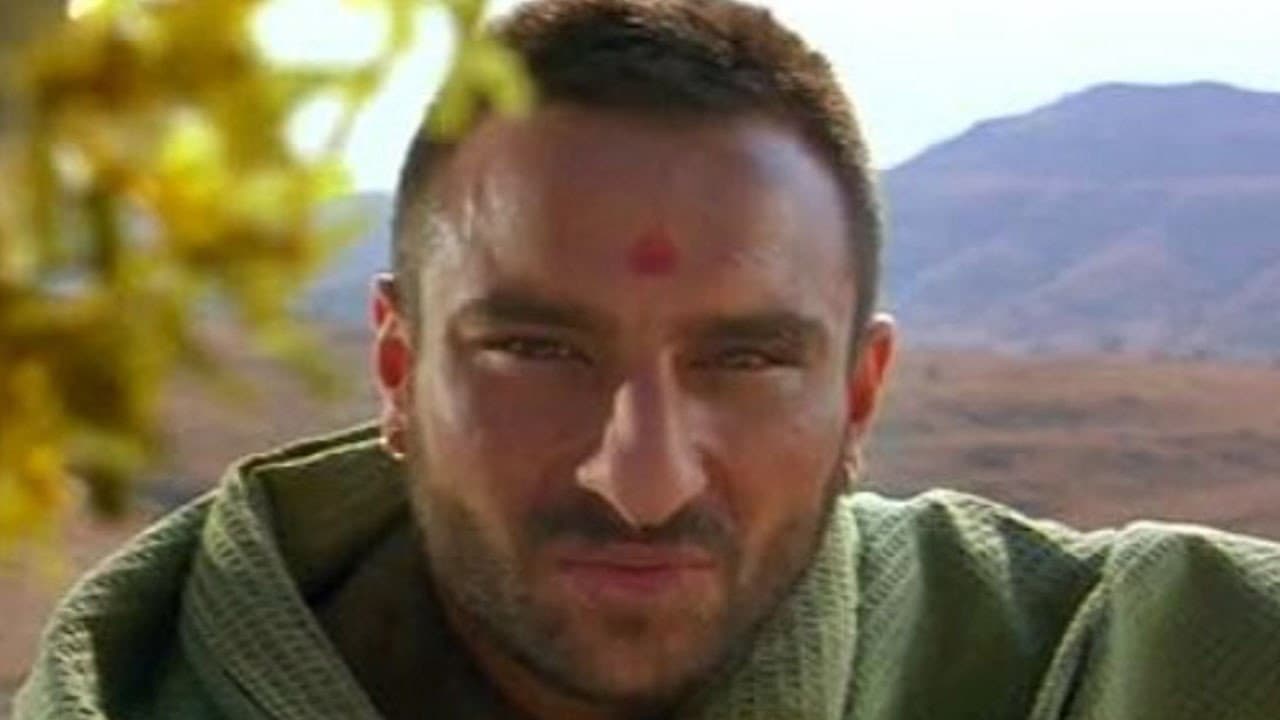
Before Omkara, Saif Ali Khan was best known for his romantic-comedy charm in films like Dil Chahta Hai and Kal Ho Naa Ho. Langda Tyagi, with his physical limp, venomous jealousy, and Shakespearean cunning, was a radical departure. Khan’s performance earned him a National Film Award for Best Supporting Actor and fundamentally altered how audiences and filmmakers perceived him. That role proved he could inhabit dark, layered characters with the same ease he had shown in lighter fare.
Since then, Saif has never looked back. He followed Omkara with an equally unnerving turn in Being Cyrus, then slid into morally grey territory in Eklavya: The Royal Guard. But the real shift came in the 2010s. He played a ruthless gangster in Omkara’s spiritual cousin, Saheb, Biwi Aur Gangster series, and then took on the role of a manipulative cop in Tigmanshu Dhulia’s Bullett Raja. Each choice seemed deliberately designed to defy the easy, lovable-hero mold.
In the years that followed, Saif kept pushing boundaries. He starred as a conflicted agent in the Sacred Games series, a psychological thriller on Netflix that brought him a new generation of fans. Then came Jawani Janeman, where he played a washed-up gambler, and Laal Kaptaan, a revenge saga set in the 18th century with a bizarre, scarred protagonist. Even when his star vehicles like Humshakals or Happy Ending failed, his willingness to experiment never wavered. He surprised audiences again by taking on the role of a Naga sadhu in Anek and a time-traveling professor in Vikram Vedha.
A Legacy of Fearless Choices
What sets Saif apart is his consistent refusal to coast on past successes. While his contemporaries often stuck to formulaic hits, he veered into arthouse territories, period dramas, and unconventional action films. In recent years, his slate includes Hungama 2 and Baazaar, but also smaller, audacious projects like Tanhaji: The Unsung Warrior where played the antagonist Udaybhan Singh Rathore - a villain so menacing that it earned him widespread acclaim. Even in 2025, he took on a role in the quirky black comedy Kois and the psychological horror Phobia 2.
Saif’s journey from a prince of Bollywood rom-coms to a versatile, risk-taking actor mirrors the changing landscape of Indian cinema itself. Omkara was a turning point not just for him, but for the industry’s appetite for dark, morally complex stories. Today, as the film celebrates two decades, it stands as a testament to a performer who understood the power of a single transformative role - and never stopped experimenting with the opportunities it unlocked.
Source: Filmibeat