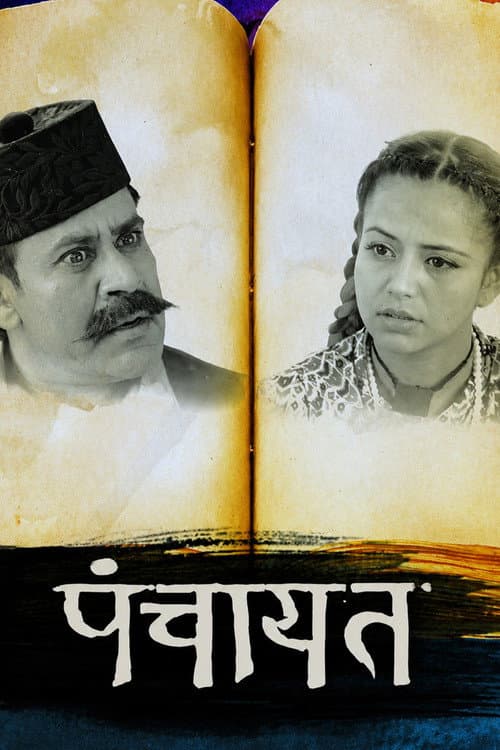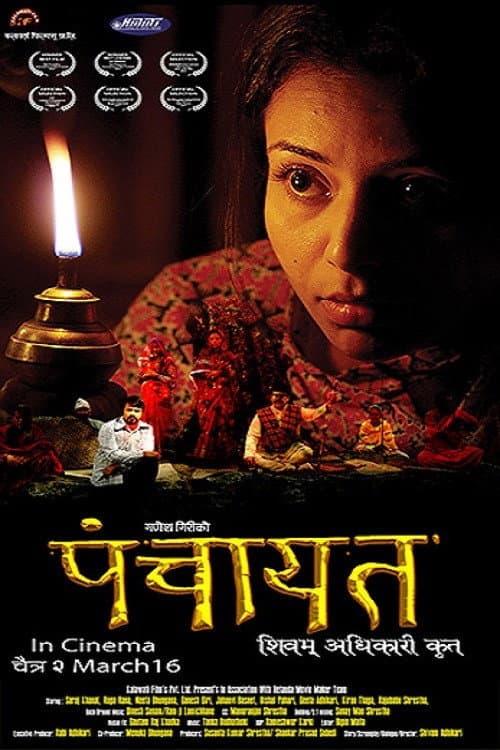
The conversation around Panchayat 5 has taken an unexpected turn this week, and it has nothing to do with the familiar dusty lanes of Phulera. A wave of search traffic and social discussion has attached the title to a 2017 Nepali drama directed by Shivam Adhikari, a film that shares the name but almost nothing else with the beloved village comedy series. For viewers arriving at the title expecting another chapter of the Hindi web series, the record needs to be set straight: the verified Panchayat 5 on file is a historical drama running 138 minutes, originally made in the Nepali language, and released on December 31, 2017.
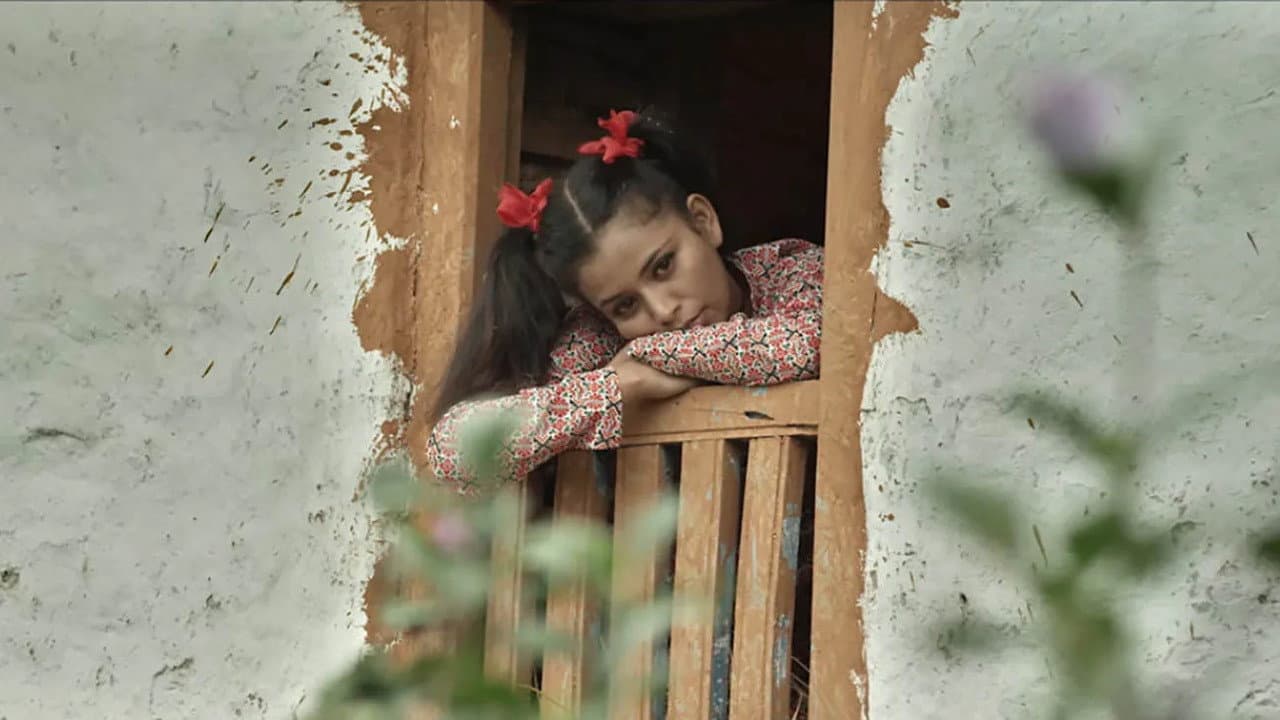
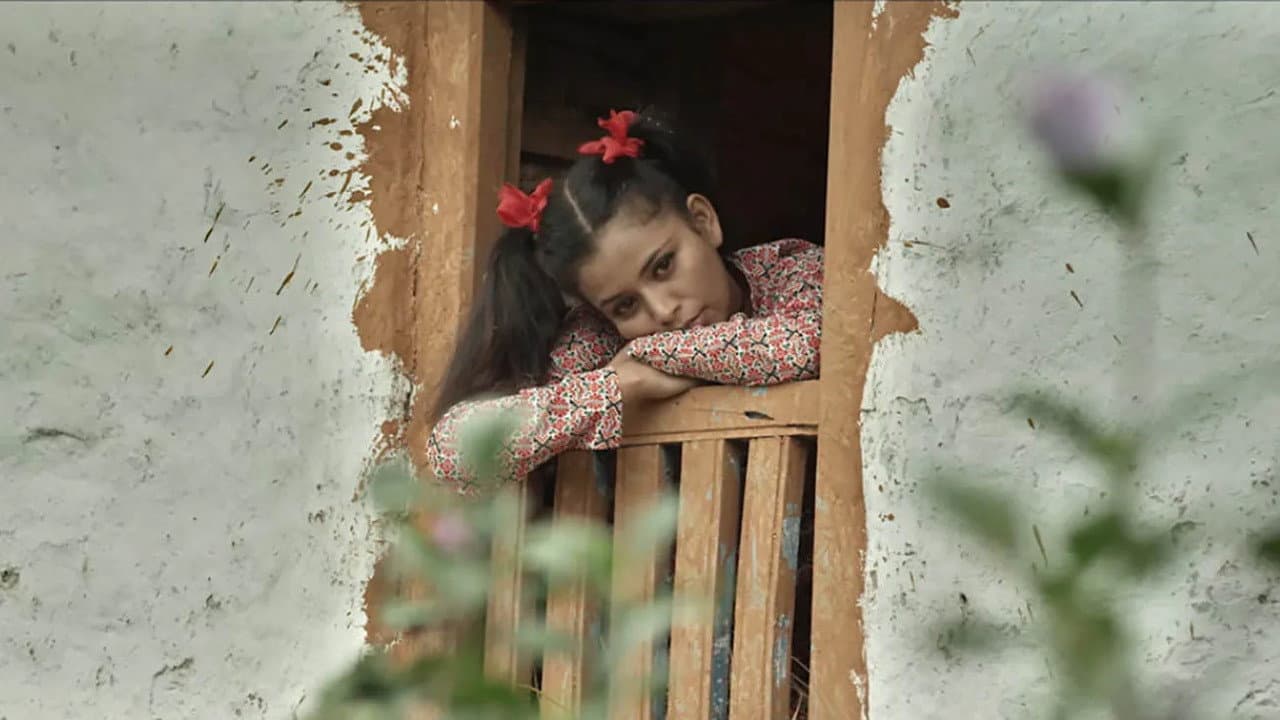
The confusion is understandable. The title is short, evocative, and has circulated widely for years in connection with the show. But the project described in available metadata is a very different beast, and a genuinely serious one at that. Set in the seventies, the film follows a girl named Kopila, played by Neeta Dhungana, as she confronts the social taboos of the Chhaupadi tradition, which bars Hindu women and girls from taking part in ordinary family life during menstruation on the grounds that they are "impure." The story unfolds against the backdrop of Nepal's Panchayat system of self-rule, the governing arrangement that gave the film its title and that was abolished in 1990. It is a drama rooted in history, and its dual genre classification reflects that.
A Story Built Around a Girl Who Refuses to Stay Silent
At the centre of the film is Kopila, and the narrative rests on her shoulders. The premise is blunt and morally urgent: a young girl pushed to the margins by a ritual that treats her body as a source of contamination, and a community that has internalised the practice as ordinary. The film places her in the middle of that contradiction rather than observing it from a distance. Supporting her story is an ensemble that includes Saroj Khanal as Kaji, Rupa Rana as Kaji's wife, Ganesh Giri, Jahanwi Basnet, Bishal Pahari, Gita Adhikari and Kiran Thapa. Adhikari, the director, keeps the focus on the household and the village, where the taboos are enforced not through grand declarations but through daily routine and quiet exclusion.
The seventies setting matters here. By anchoring the story in that decade, the film treats Chhaupadi as a practice embedded in a particular political and social moment rather than as an abstract issue. The Panchayat system provides the frame, and the title works on two levels at once: it names the era and it names the structure of authority that shaped life in the region. That double meaning gives the film a historical weight that a straightforward social drama might lack.
Critical Standing and the Test of Time
Nearly a decade after its release, the film's reputation rests on strikingly strong audience scores. TMDb lists a rating of 9.5 out of 10, while IMDb records 7.7 out of 10, a gap that suggests passionate appreciation among those who have sought it out alongside a more measured broader reception. Those figures do not translate into mainstream visibility, and the film has never been a household name. Yet the subject matter has kept it relevant. Chhaupadi remains a live debate in the region, and a film that dramatises its costs through the eyes of a young girl retains a purpose beyond its release year.
For anyone who encountered the Panchayat 5 title through the Hindi series and clicked expecting a comedy, the mismatch is total. There is no Phulera here, no pradhan, no gentle satire of village bureaucracy. What there is instead is a 138-minute drama in Nepali, made in 2017, with a director, cast and historical focus all its own. The genre labels, Drama and History, are accurate and not decorative.
What the Title Actually Points To
The honest answer to the question of what to expect from Panchayat 5 is that expectations should be reset entirely. This is not a sequel, not a spin-off, and not connected to any ongoing series. It is a standalone work about a girl named Kopila, a tradition that isolates her, and a decade in which both were treated as unremarkable. Audiences drawn by the title will find a film that asks them to sit with discomfort rather than laugh at it. That the two projects share a name is a coincidence of language, and for a film this specific in its setting and its subject, the distinction is worth making clearly.
Source: Filmibeat