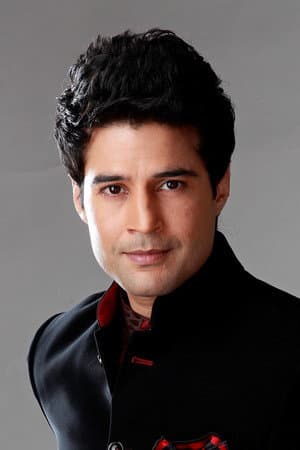
Rajeev Khandelwal: Verticals Redefine Storytelling
Advertisement
In this film, Rajeev Khandelwal argues that vertical formats could transform narrative cinema, exploring new creative possibilities for the future of
The world of entertainment is in a constant state of flux, and for actor Rajeev Khandelwal, the next big shift might not come from the big screen at all. The acclaimed performer, widely recognized for his compelling work in projects like Aamir, has thrown his weight behind a format that is rapidly gaining ground in the digital age: vertical storytelling. In a recent discussion, Khandelwal articulated a bold vision, suggesting that the short-form, mobile-first narrative could very well redefine how stories are told in the future, a statement that is sure to spark conversation among filmmakers and audiences alike.
Known for his discerning choice of roles, Khandelwal’s perspective carries weight in the industry. He has consistently navigated between intense, character-driven cinema and mainstream entertainment, giving him a unique vantage point on the evolving tastes of viewers. His latest comments suggest that he sees the vertical format not as a passing fad, but as a fundamental change in the language of cinema itself. The actor’s advocacy for this style is particularly notable given his history with robust, feature-length narratives, marking a clear evolution in his thinking about the medium.
A Shift in Viewer Habits
Khandelwal’s argument is anchored in a simple yet powerful observation: the audience's attention has moved. With smartphones becoming the primary screen for a massive portion of the population, the way content is consumed has undergone a dramatic transformation. He points to the success of short-form video platforms as evidence that audiences are not just willing, but eager, to engage with narratives that fit into their fast-paced lives. For Khandelwal, this isn't about dumbing down content; it’s about adapting to the reality of a world where time is fragmented and the thumb is mightier than the remote.
The actor elaborated on this idea, suggesting that verticals allow for a more intimate and immediate connection with the audience. The format’s inherent immersive quality, where the entire screen is filled by the subject, creates a sense of proximity that traditional widescreen cinema struggles to replicate. This directness, he believes, is a powerful tool for storytellers who want to make an emotional impact without the need for lengthy setups. It forces creators to be economical, to find the essence of a scene in a matter of seconds, a challenge that Khandelwal finds creatively invigorating.
Breaking the Monotony of the Mobile Feed
One of the key points in Khandelwal's argument is the need to elevate the content found within these vertical platforms. While he acknowledges that much of what populates these feeds is ephemeral and entertainment-driven, he sees a tremendous unexplored potential. He believes that actors and directors of high calibre should be looking at this space not as a downgrade, but as a new canvas. The challenge, as he sees it, is to bring the same level of craft and narrative depth that one would find in a feature film to a format that is often dismissed as trivial.
He is not merely suggesting that films be cropped to fit a phone screen - rather, he is advocating for storytelling that is conceived for the vertical canvas from the ground up. This involves a different kind of staging, a different approach to composition, and a new rhythm of editing. Khandelwal’s interest indicates a desire among some performers to break free from the constraints of conventional formats and to meet the audience where they are, rather than waiting for them to return to a theatre. This philosophy positions him as a forward-thinking figure, willing to experiment with a structure that many purists might still view with skepticism.
The Future of an Actor's Craft
For an actor of Khandelwal’s generation, who came up through the ranks of television and then made a successful transition to films, this pivot is a wise one. He understands that longevity in the industry depends on adaptability. By embracing verticals, he is not only aligning himself with the future but also with the massive demographic of young viewers who are the primary consumers of this content. It is a strategic move that underscores his commitment to remaining relevant in a rapidly changing landscape, showing that his artistic curiosity has not dulled with time.
While this may signal a new direction for Khandelwal’s own career, the full picture of any specific upcoming project remains under wraps. Details regarding whether he is actively developing a vertical series, or if this is purely his philosophical outlook, are still unknown. Regardless, his comments serve as a bellwether for the industry, suggesting that respected talent is beginning to take the vertical format seriously. The conversation he has started is not just about a new gimmick; it is about the fundamental survival of storytelling in an age of digital saturation.
As the entertainment industry continues to grapple with plummeting theatre footfalls and the rising dominance of streaming, Khandelwal’s conviction offers a clue to what might lie ahead. He is betting on the idea that a good story, told in an innovative way, will always find its audience. Whether the future is entirely vertical remains to be seen, but with an artist of his credibility championing the cause, it is a future that now seems far more plausible. The industry will be watching closely to see if this belief translates into new, groundbreaking work.
Source: Filmibeat
Advertisement
Advertisement