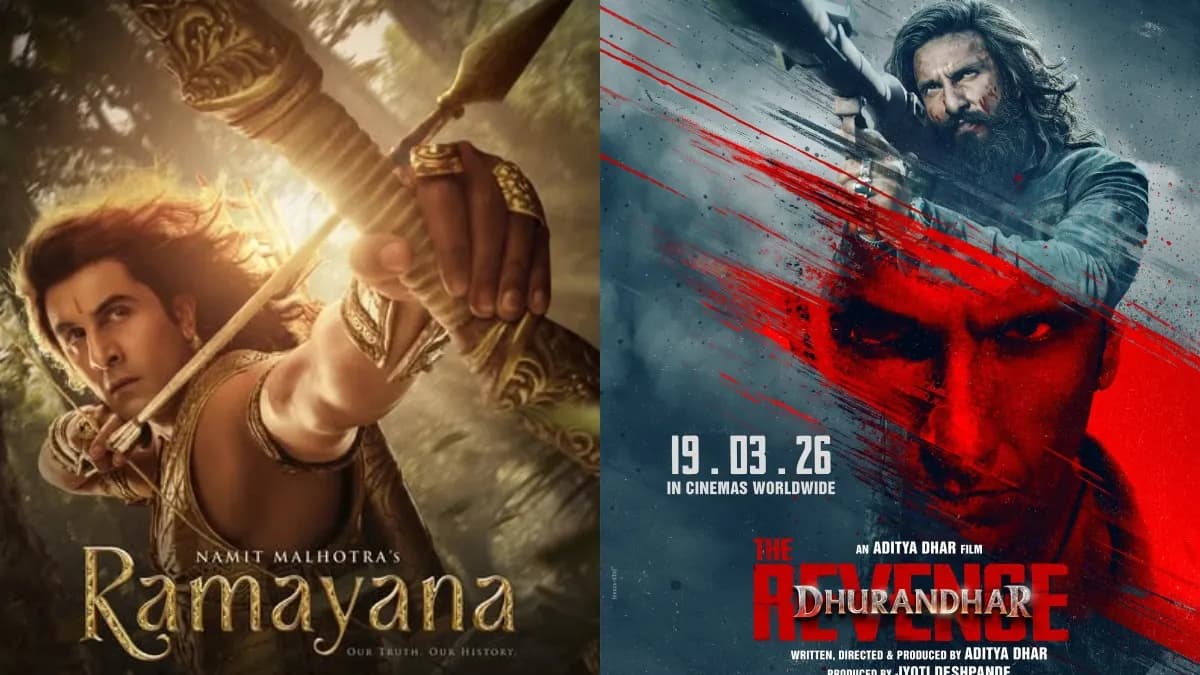
Advance booking for Ramayana has opened to a muted response, with the film trailing Dhurandhar 2 by a substantial margin in first-day pre-sales. The gap is wide enough to shape early trade expectations around the Hindi film, which arrives with a much smaller promotional footprint than its rival. Exhibitors tracking the two titles report that Dhurandhar 2 has pulled well ahead in key urban multiplexes, while Ramayana has yet to show the kind of pickup that usually signals a strong opening day.
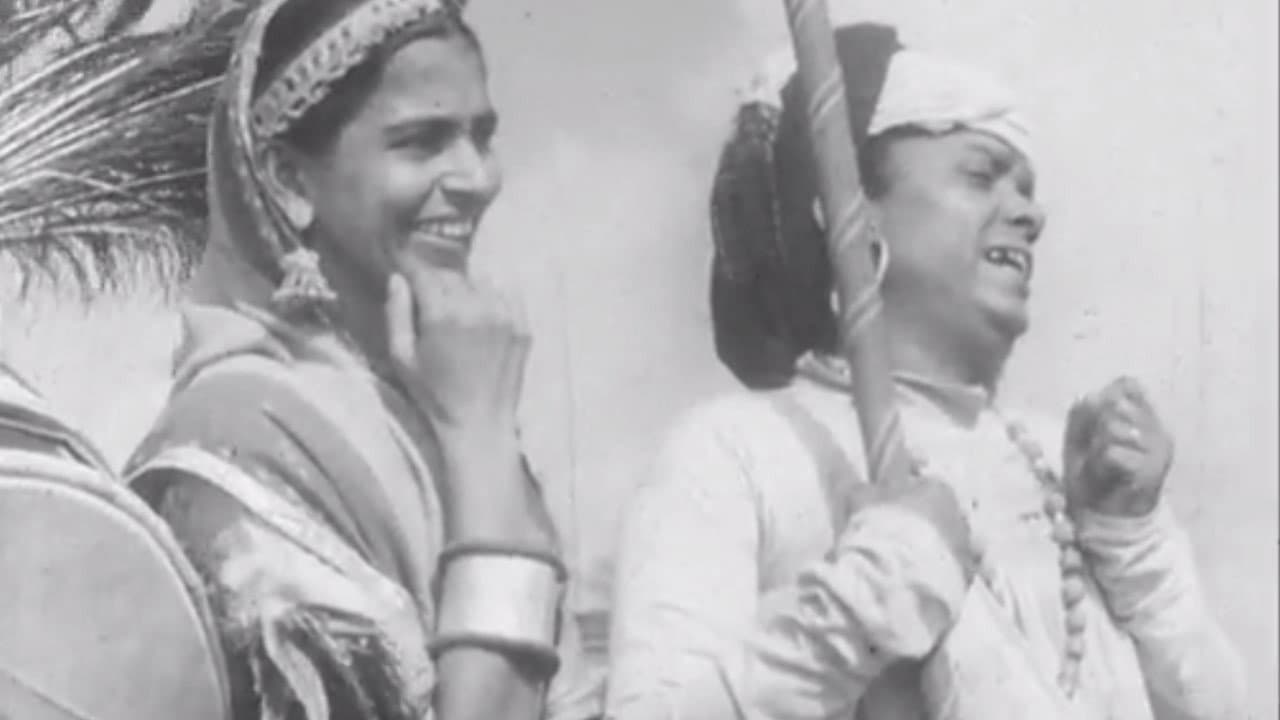
What makes the comparison particularly striking is the scale of the two projects. Dhurandhar 2 is a mainstream Hindi release with the marketing machinery to match, whereas Ramayana is a short documentary running just 26 minutes, directed by Robin Hardy and originally released in 1965. Its overview describes it plainly: the Little Ballet Troupe of Bombay performs a "puppet ballet" of the Hindu epic, the Ramayana. That is a modest, archival proposition rather than a mass-market event film, and the pre-sales pattern reflects it.
A 1965 Documentary in a 2026 Booking War
The central oddity here is the calendar. Ramayana carries a release date of January 1, 1965, and an original language of English. It is classified as a documentary, its cast is not publicly listed, and its TMDb rating sits at 0 out of 10 - a figure that generally indicates too few ratings to be meaningful rather than a verdict on quality. Set against a contemporary Hindi sequel in the middle of an advance-booking race, the title is operating in a completely different commercial universe.
None of this is likely to soften the headline number, however. Trade observers measure advance booking as a proxy for opening-day footfall, and by that yardstick Ramayana has work to do. The pre-sales gap to Dhurandhar 2 is being described as huge, and with the release date approaching there is limited room for a late surge to close it.
The Exhibitor View
For cinema owners, the calculation is straightforward. Dhurandhar 2 offers familiar star-driven appeal and a sequel's built-in audience; Ramayana, by contrast, asks audiences to turn out for a short documentary from the mid-1960s. Scheduling screens for the latter was always going to be a niche decision, and the advance numbers are unlikely to prompt a rethink in most multiplexes. Single-screen and repertory venues may prove more receptive, particularly those with an interest in archival Indian performance footage.
There is also the matter of runtime. At 26 minutes, Ramayana cannot sustain the kind of repeated daily shows that drive opening-day totals for a conventional feature. Even a well-attended screening cycle will generate a fraction of the revenue of a standard-length release, which makes direct comparison with Dhurandhar 2 something of an apples-to-oranges exercise - though that is precisely how the market is reading it.
Why the Comparison Still Matters
The pairing has drawn attention because advance booking has become the most visible early indicator of a film's health, and audiences now follow these numbers as closely as critics' reviews. A title that lags badly in pre-sales often faces a difficult opening weekend, and word of mouth becomes its only route to recovery. For Ramayana, that route runs through curiosity - the appeal of a rare document of Bombay's Little Ballet Troupe staging the epic with puppets.
Whether that curiosity translates into ticket sales is the open question. The film's obscurity is both its handicap and its hook: there is no star cast to promote, no franchise history to lean on, and no rating data to reassure the undecided. What it does have is a distinctive premise and a director, Robin Hardy, whose name carries recognition in other contexts. None of that has yet shown up at the box office.
What to Watch
The next few days will reveal whether Ramayana can narrow the deficit as casual bookers enter the market, or whether the gap to Dhurandhar 2 widens further. Neither film's final opening-day figures are known at this stage, and advance booking is only a partial predictor. For now, the story is simple: Dhurandhar 2 leads comfortably, Ramayana trails, and the margin is large. For a 1965 documentary sharing a release window with a Hindi sequel, that outcome may be unsurprising - but in a market that treats every pre-sales chart as a scoreboard, it will still be the number everyone quotes.
Source: Filmibeat