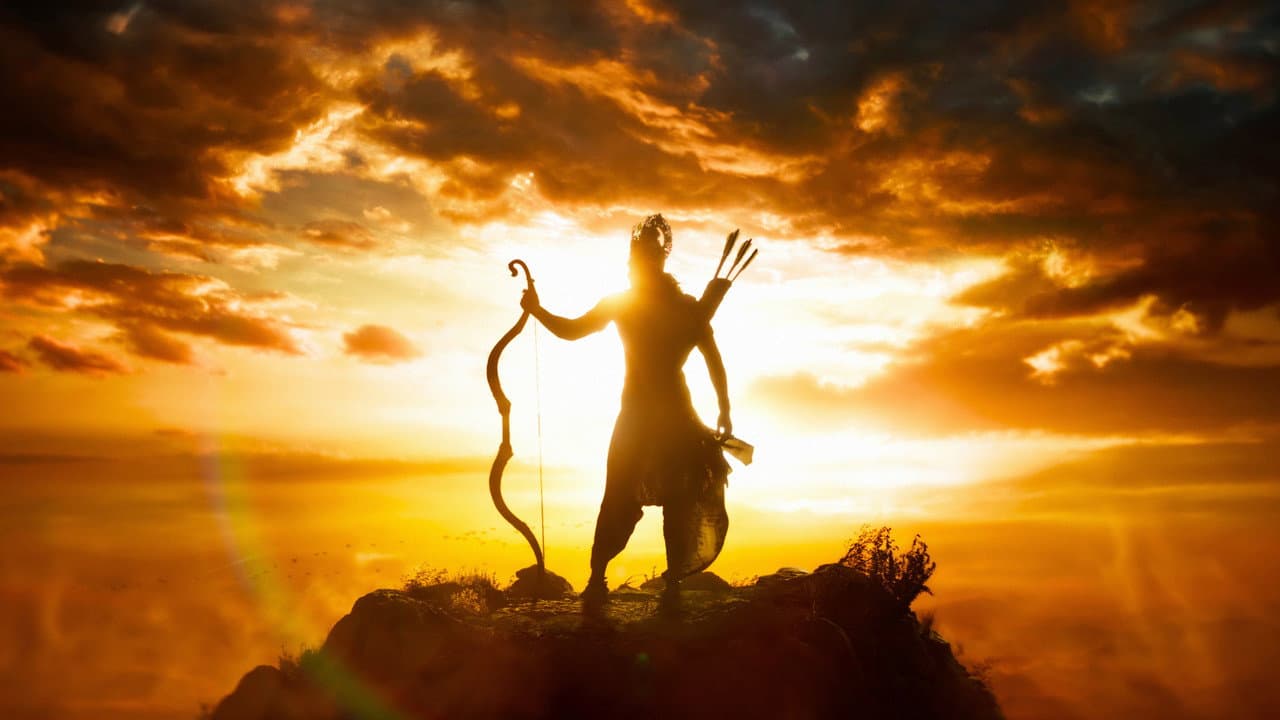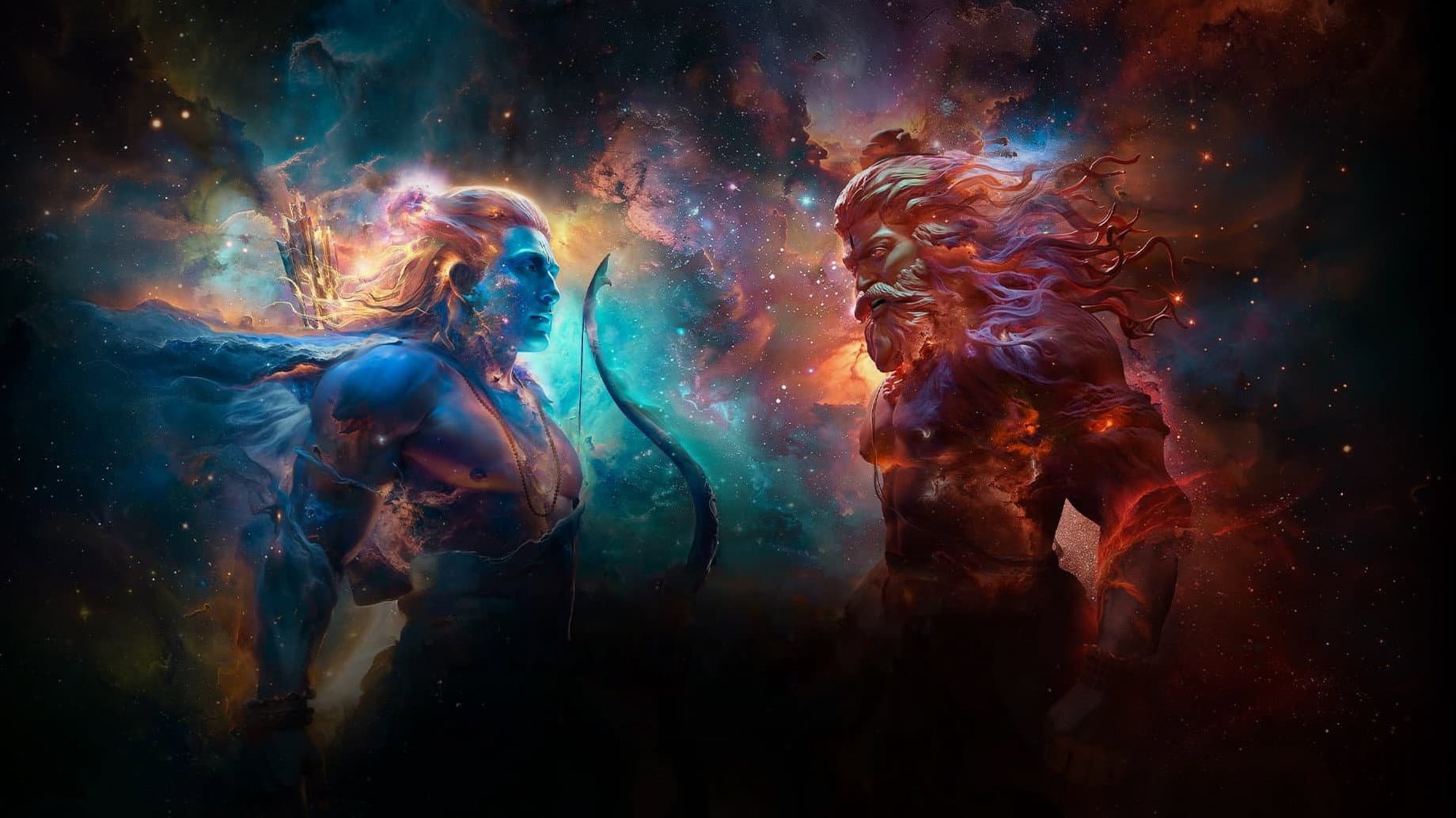
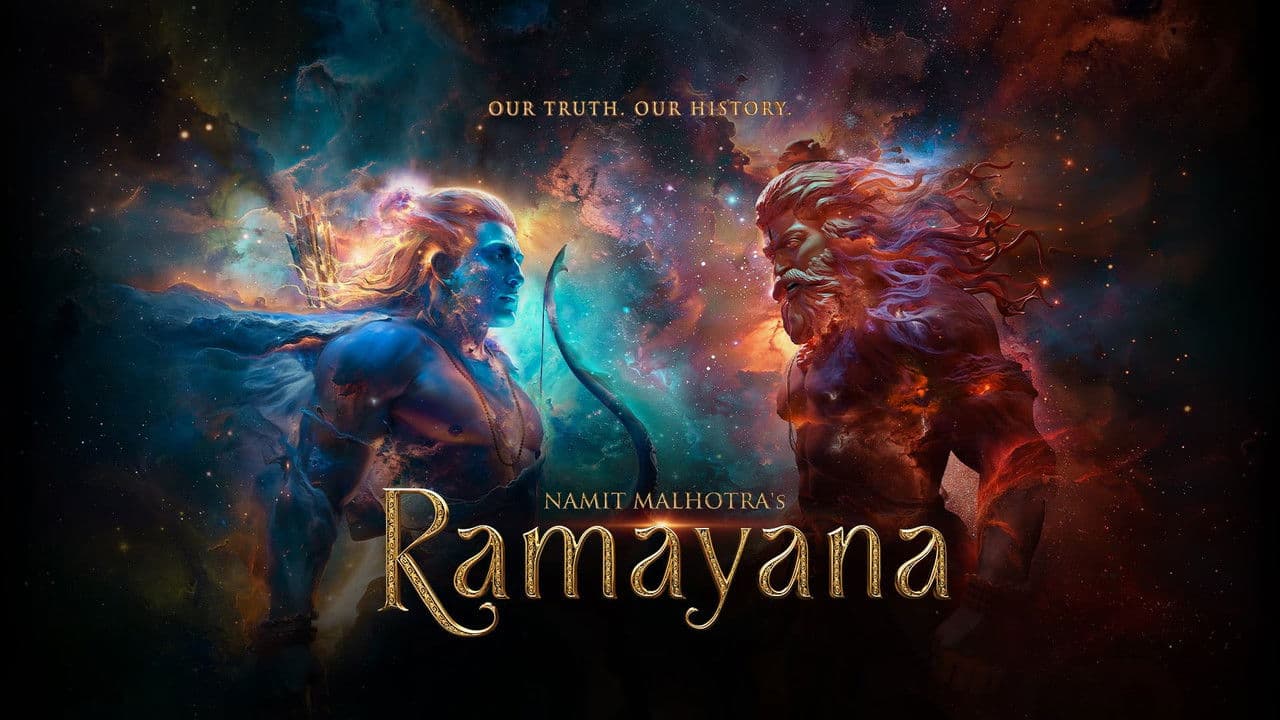

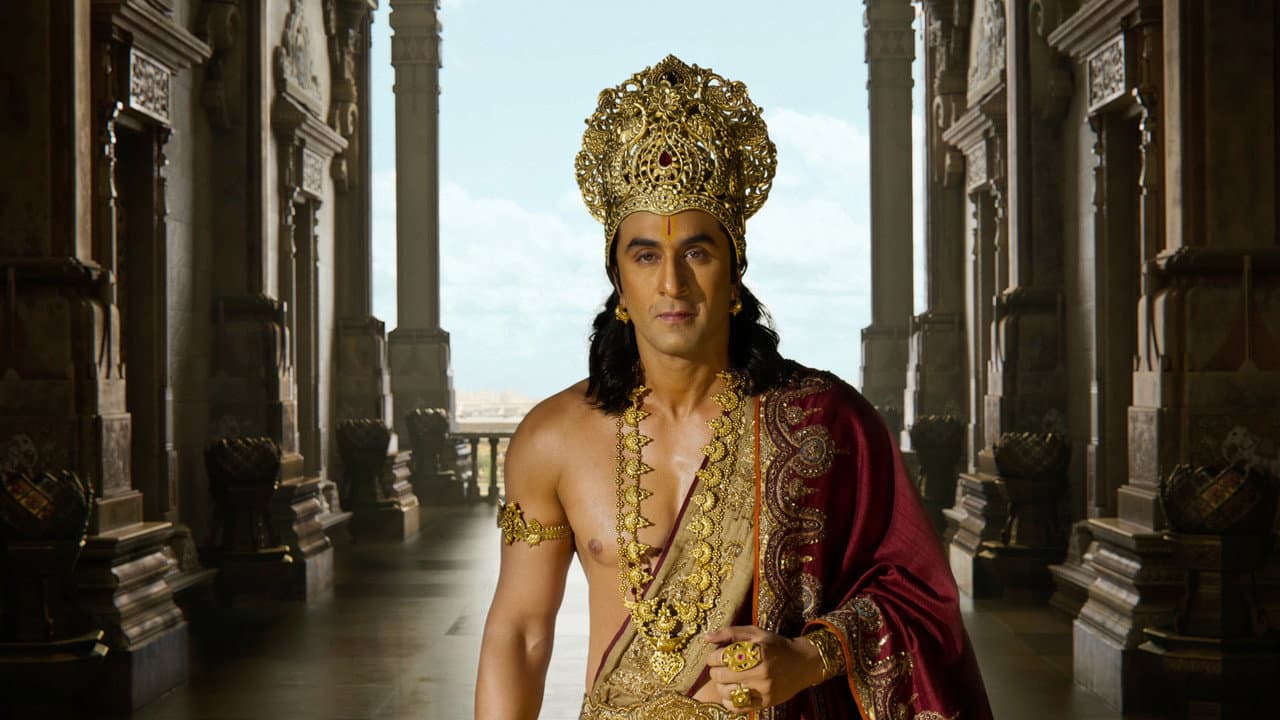
The conversation around Nitesh Tiwari's "Ramayana" shifted sharply from spectacle to substance this week after Sai Pallavi, who plays Sita, told the film's Los Angeles premiere audience that Ravana "is not all bad," a remark that has since travelled far beyond the theatre and set off a fierce argument online. A clip of the moment is circulating widely, and by Friday morning it had pulled the mythological epic into a debate about how its antagonists should be read on screen.
Pallavi, appearing at the LA launch of the two-part adaptation ahead of its November 4 release, offered the view while discussing the film's treatment of its characters. She framed the observation as a way of understanding the demon king rather than excusing him, describing him as a figure of devotion as well as arrogance, according to those who attended. The actress said a story of this scale cannot work if its people are sorted neatly into good and evil, and that Ravana's love for Shiva and his command of knowledge sit alongside the choices that doom him.
A viral clip and a divided timeline
The video gathered pace quickly. Within hours, the phrase was trending, and reactions split almost evenly between admiration and alarm. Several users praised Pallavi for speaking about nuance at an international platform, arguing that the Ramayana has always been a text of layered figures and that reducing Ravana to a cartoon villain does the epic no service. Others were far less forgiving, accusing the actress of lending respectability to a character whose actions against Sita are the moral centre of the story. Commentators pointed out that the line arrives with unusual weight given who is delivering it: Sita herself, speaking about the man who abducts her. The online dispute has largely avoided the film's visuals and instead turned on interpretation, with clips of the premiere swapped back and forth as evidence of either thoughtfulness or misjudgement.
Yash's Ravana is built to be complicated
The remark lands against a production that was always going to complicate its villain. Yash, cast as Ravana, has been positioned as a lead in his own right rather than a supporting antagonist, and the film's promotional material has leaned into his presence. Playing Prince Ram is Ranbir Kapoor, with Ravi Dubey as Lakshman and Arun Govil as King Dashrath. Rakul Preet Singh appears as Shurpanakha, Lara Dutta as Kaikeyi and Indira Krishnan as Kaushalya. The ensemble spans generations of Indian screen talent, and the decision to place a star as heavyweight as Yash opposite Kapoor has fuelled the expectation that Ravana will be given room to argue his own case.
"Ramayana" is a Hindi-language fantasy action adventure running 195 minutes. Tiwari directs from a story that follows a young prince and princess whose marriage and exile open the door to a much larger trial of love, duty and destiny. The film arrives in theatres on November 4, and the discourse has already given it a running start.
Adapted from an older idea
Pallavi's comments did not appear from nowhere. She noted at the event that she had deliberately revisited the text before shooting, and that her reading of Ravana had formed part of her preparation for Sita's role. She said she came away thinking less about punishment than about the pull between the two characters' convictions, and that she hoped audiences would leave arguing with each other rather than settling on a single verdict.
The choice to stage a premiere in Los Angeles at all signals the makers' ambitions for the film outside India, and the speed with which the clip crossed into wider conversation suggests that strategy is working, whatever one makes of the quote.
What the debate leaves open
Neither Tiwari nor Yash has publicly responded to the furore, and the film's team has not issued a statement. With the release days away, attention now turns to whether the finished film supports Pallavi's framing or settles the question differently. What is clear is that a single sentence from a premiere stage has done more promotional work for "Ramayana" than any trailer could, turning a mythological spectacle into a talking point about how old epics should be told to new audiences. Whether that attention helps or hurts the film when it opens on November 4 remains to be seen.
Source: Filmibeat