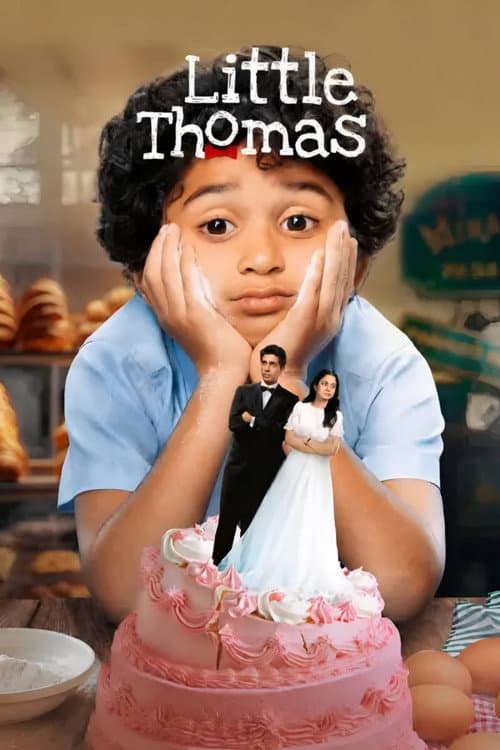
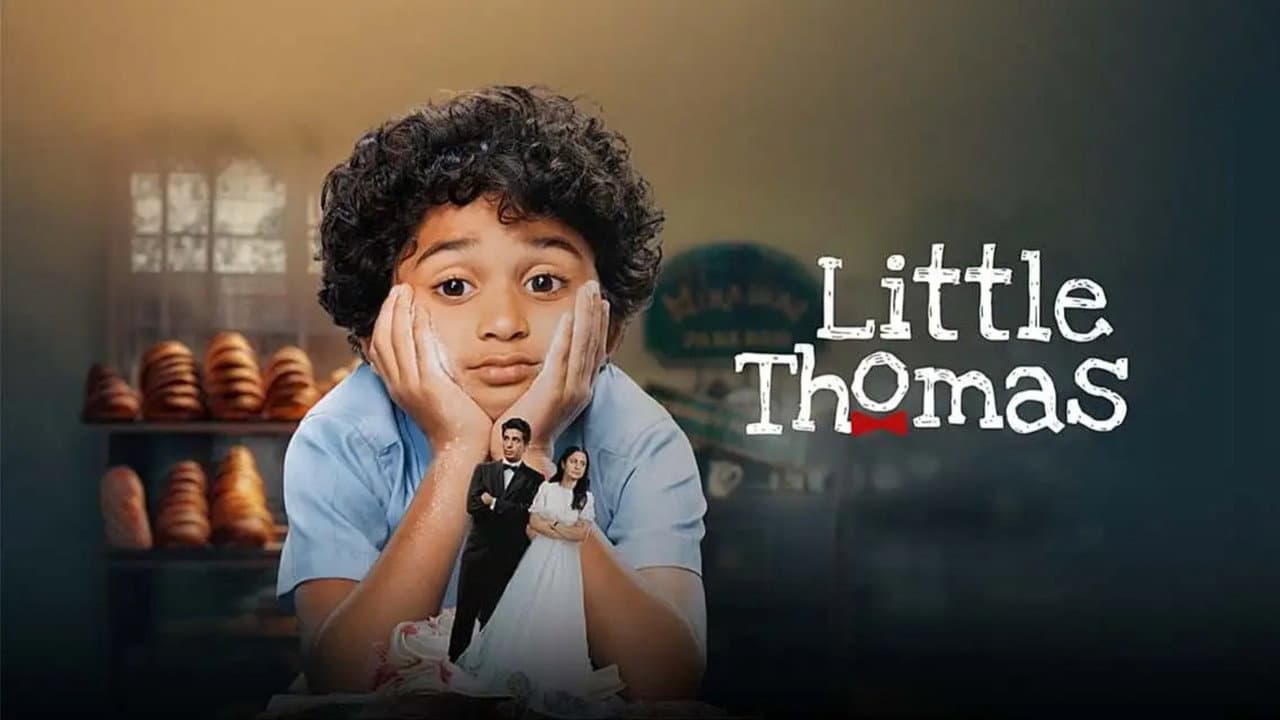
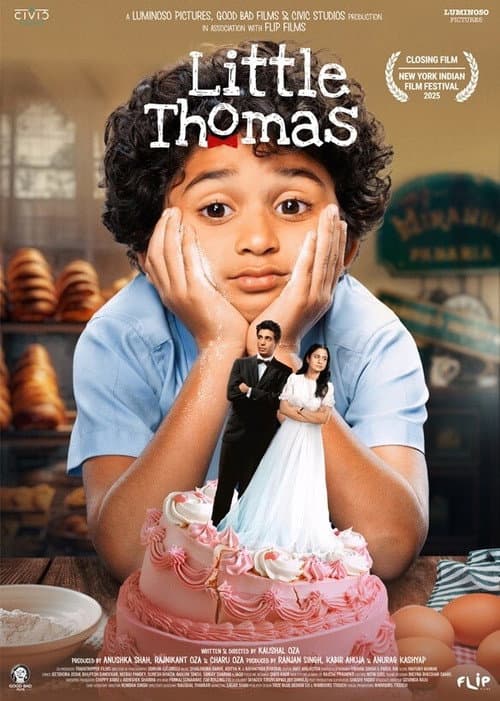
Rasika Dugal has said that children's films in Indian cinema remain badly underserved, describing the scarcity of serious investment in the space as a loss both for young audiences and for the industry that keeps overlooking them. The actor, who features in Kaushal Oza's "Little Thomas," argued that stories built around childhood are too often dismissed as a niche concern rather than treated as a genuine part of the mainstream.
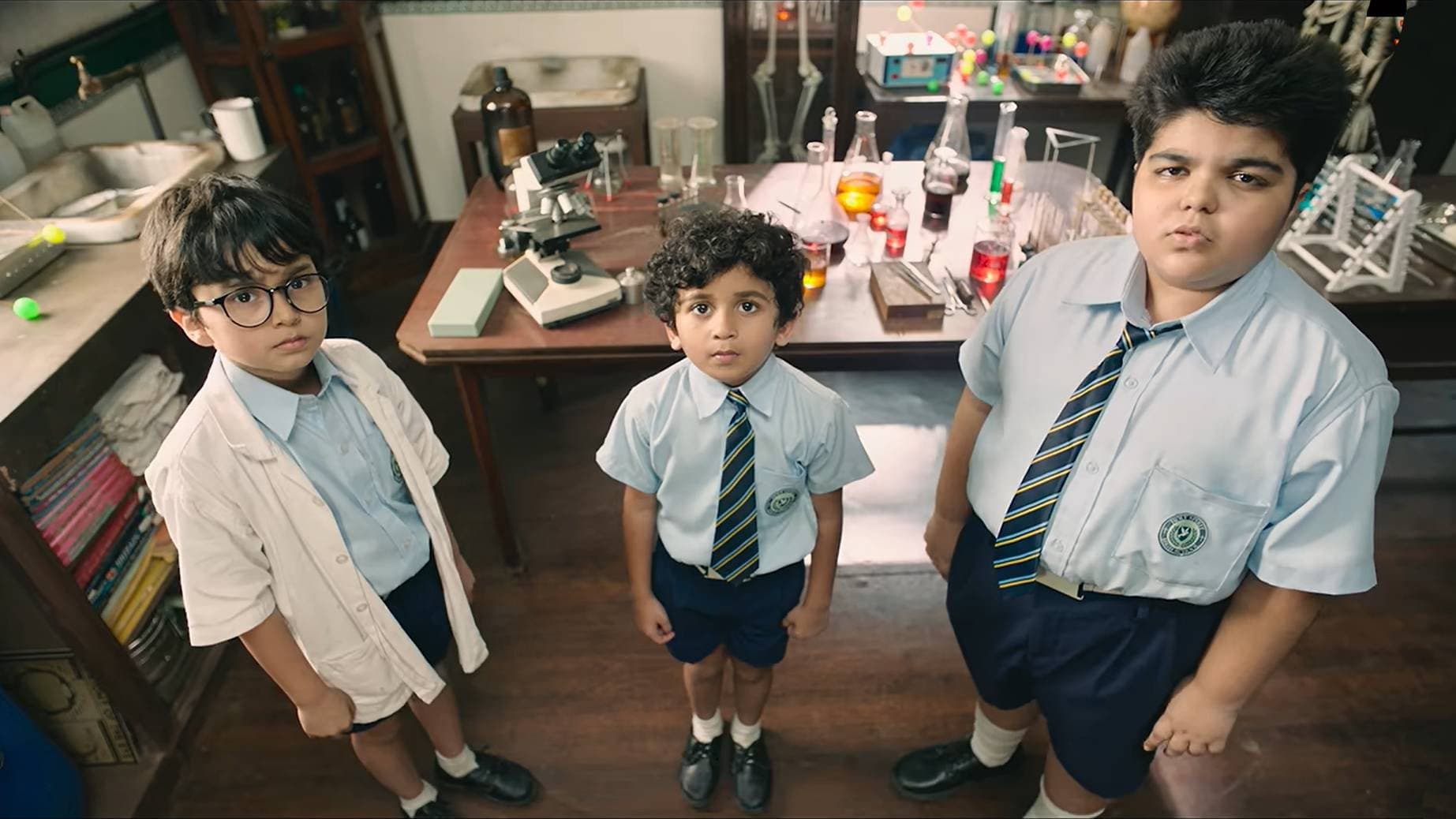
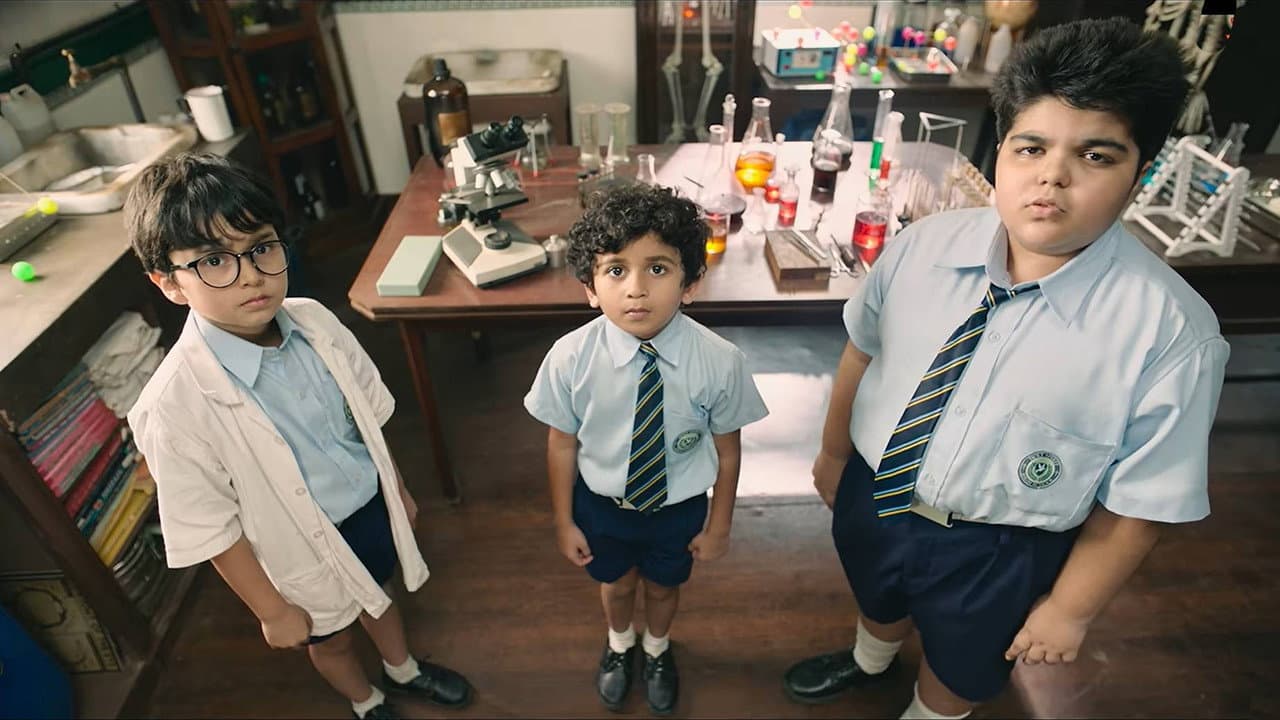
"Little Thomas" arrived in theatres on October 23, 2026, and unfolds in early 1990s Goa, where seven-year-old Thomas and his family move through the ups and downs of their everyday lives. The Hindi-language drama-comedy runs 125 minutes and pairs Dugal with Gulshan Devaiah, alongside young performers Hridansh Parekh and Hridansh Gokani. Oza directs. The film has yet to draw a score on TMDb, where its rating currently sits at 0/10.
A Gap That Has Persisted for Years
Dugal's central argument is that the problem is not a lack of stories but a lack of conviction among those who finance and distribute films. Childhood, she suggested, offers some of the richest material available to filmmakers, yet projects centred on young protagonists are routinely treated as a gamble rather than an opportunity. That framing, in her view, has kept an entire segment of the audience from seeing itself reflected on screen with any regularity.
She pointed to the difficulty of getting such films made in the first place and the harder task of getting them seen once they are finished, noting that children are rarely counted as a market worth chasing. The result, according to the actor, is a cycle in which fewer films reach young viewers, and fewer young viewers are then assumed to exist, which in turn discourages the next round of investment. Breaking that loop, she argued, requires producers and studios to commit before the demand is proven rather than after.
Her position carries weight given the film she is promoting. "Little Thomas" is set in a specific time and place, early 1990s Goa, yet builds its narrative around the vantage point of a child, a choice that places it firmly within the kind of cinema she believes deserves more room. The film's genre blend, mixing drama with comedy, also speaks to her point that stories for younger audiences need not be confined to a single register.
The Case for Taking Young Viewers Seriously
Dugal's remarks come at a moment when Hindi cinema is producing comparatively few titles aimed squarely at families and children, even as the theatrical landscape grows more crowded. She framed the shortage as a matter of will rather than resources, suggesting that the industry has convinced itself children's films cannot perform and has largely stopped testing the proposition. That assumption, she maintained, has gone unchallenged for too long.
She also addressed the way such projects tend to be described within the business, arguing that labels which set them apart from the mainstream only reinforce the idea that they are a side pursuit. A film told through a child's eyes, she said, can carry as much emotional and narrative weight as any other, and treating it as a smaller category does a disservice to the filmmakers who take it on.
The actor's comments reflect a broader frustration among those who work in family-oriented cinema, where modest budgets and limited marketing often leave well-received films without the reach their makers had hoped for. Dugal did not offer a specific prescription for fixing the situation, but her emphasis fell consistently on the choices made by those who greenlight and release films.
A Film That Puts the Argument Into Practice
"Little Thomas" gives Dugal's case a concrete example. Directed by Oza, the film settles into the rhythms of a family adjusting to life in Goa in the early nineties, drawing on the small upheavals and small pleasures that shape a household seen largely through the experience of its youngest member. The casting of Devaiah and Dugal alongside the two young leads places adult and child perspectives side by side, a structure that suits the film's dual dramatic and comic tone.
The film opened in theatres on October 23, 2026, and remains in the early stage of its run, which means its commercial reception is still taking shape and no reliable picture of its performance is available yet. Its audience response will be watched by those who share Dugal's concerns, since a strong showing would lend weight to her argument that children's films can find a public when they are given a proper release.
For now, the conversation Dugal has opened is less about a single film than about the habits of an industry. Her contention is straightforward: Indian cinema has left a vast and loyal audience largely unserved, and the cost of that neglect is borne not only by children but by the filmmakers whose work never reaches them.
Source: Filmibeat