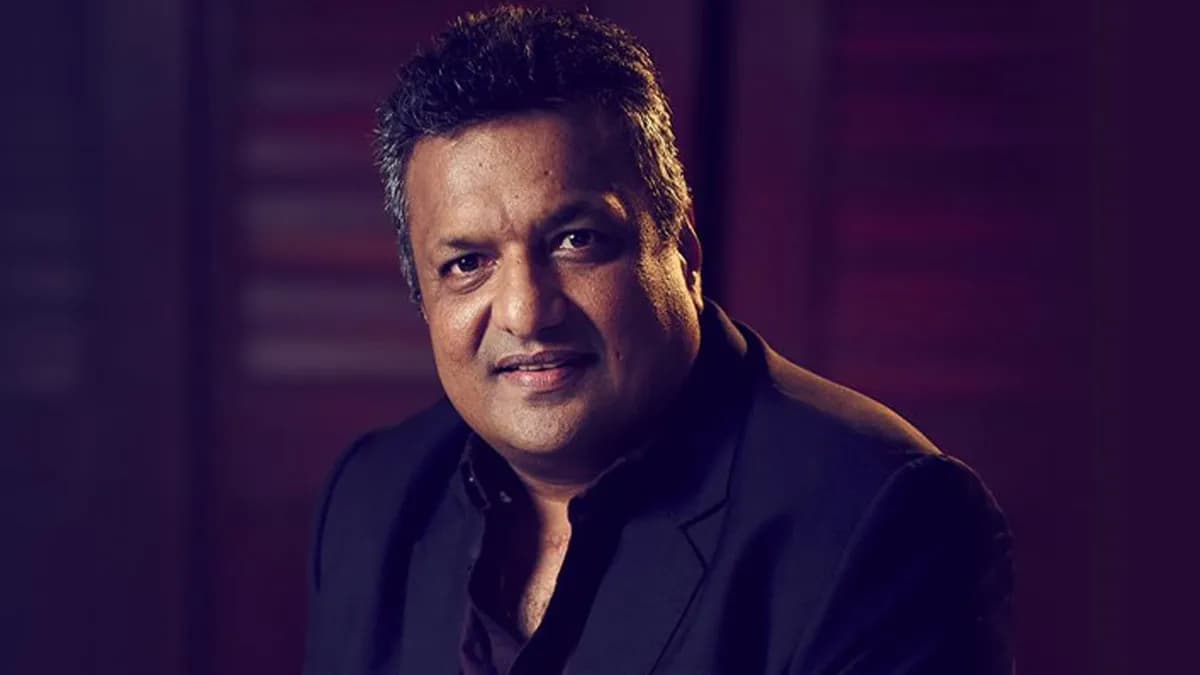
The Hindi film industry is mourning the loss of one of its most distinctive stylists. Sanjay Gupta, the director and producer whose slick, noir-drenched crime dramas left an unmistakable mark on Bollywood from the 1990s onward, has passed away. He was best known for the 2002 heist thriller Kaante and the 2007 gangland saga Shootout at Lokhandwala, two films that reshaped the visual grammar of mainstream Hindi cinema and remain touchstones for a generation of filmmakers and fans.
The news of his death sent a wave of grief across the industry, with colleagues, collaborators and admirers recalling a filmmaker who never chased the safe option. Gupta built his reputation on dark, muscular storytelling, and he carried that sensibility through three decades in an industry that often rewarded the familiar over the bold.
A Filmmaker Who Rewrote the Rules of the Hindi Crime Drama
Gupta's breakthrough came with Kaante, a stylish heist film about a group of men who plot a bank robbery on foreign soil. Loosely inspired by the classic ensemble crime drama Reservoir Dogs, the film stood apart for its cold, metallic visual design, its sharp editing and its unapologetically Western sensibility. Its soundtrack, blending swaggering hip-hop rhythms with Hindi film music conventions, became a cultural phenomenon in its own right and is still remembered as a landmark in Hindi film music. Amitabh Bachchan, Sanjay Dutt, Suniel Shetty, Kumar Gaurav, Mahesh Manjrekar and Lucky Ali led an ensemble cast that shared a screen chemistry rarely matched in the genre.
If Kaante announced Gupta as a stylist, Shootout at Lokhandwala cemented him as a storyteller drawn to real-world violence and moral ambiguity. The film, based on the notorious 1991 police encounter in a Mumbai suburb, starred Amitabh Bachchan, Sanjay Dutt, Suniel Shetty, Vivek Oberoi, Tusshar Kapoor and Arbaaz Khan, among others. It was gritty, loud and unflinching - a far cry from the polished romance that dominated the era. The movie drew both praise and controversy for its depiction of police action, but few could deny that it left an imprint on the Hindi crime genre.
A Producer Who Championed New Voices and Tough Material
Gupta was not content merely to direct. Through his production banner, he backed projects that allowed other filmmakers to explore the gritty territory he loved. His banner was behind the crime thriller Shootout at Wadala, a follow-up of sorts to Lokhandwala, which again explored the violent history of Mumbai's police encounters. He also produced films that gave a platform to young directors and unconventional narratives, and he worked closely with Sanjay Dutt across multiple projects, a collaboration that became one of the director-actor partnerships most associated with the crime genre in Hindi cinema.
His filmography as a director included titles such as Aatish, Musafir, Zinda and Jazbaa, the latter marking Aishwarya Rai Bachchan's return to the screen after a long hiatus and showcasing Gupta's continued interest in tough, female-led narratives. Each of these projects carried his signature - polished visuals, brooding atmospheres and a fixation on characters living outside the law.
Tributes Pour In From the Industry
As news of his death spread, actors, directors and technicians who had worked with him began to share their memories. Many recalled a director who was exacting on set but fiercely loyal to his team, a cinephile who could talk endlessly about world cinema, and a filmmaker who believed Hindi audiences deserved the same adrenaline-fueled storytelling that Hollywood delivered.
While specific statements continue to emerge, the collective sentiment across the industry is clear: Sanjay Gupta was a cinematic stylist whose best films remain required viewing for anyone studying the evolution of the Hindi crime drama. His influence is visible in the sleek, morally complicated thrillers that populate screens today, and in the careers he helped shape behind and in front of the camera.
For fans, Kaante and Shootout at Lokhandwala will forever be the entry points into his universe - films that played with dark themes without apology and gave Hindi cinema a tougher, more contemporary edge. His passing marks the end of an era defined by a willingness to take risks, and the films he leaves behind will keep his distinctive voice alive for years to come. Industry insiders say further tributes and details about his final rites are expected in the coming hours.
Source: Filmibeat