Sooraj Barjatya has finally addressed one of Bollywood's most enduring behind-the-scenes questions: whether Madhuri Dixit commanded a bigger fee than Salman Khan for Hum Aapke Hain Koun..!. The director's clarification comes decades after the 1994 family musical became a cultural landmark, and it settles a rumour that has circulated for years among fans and trade watchers alike.
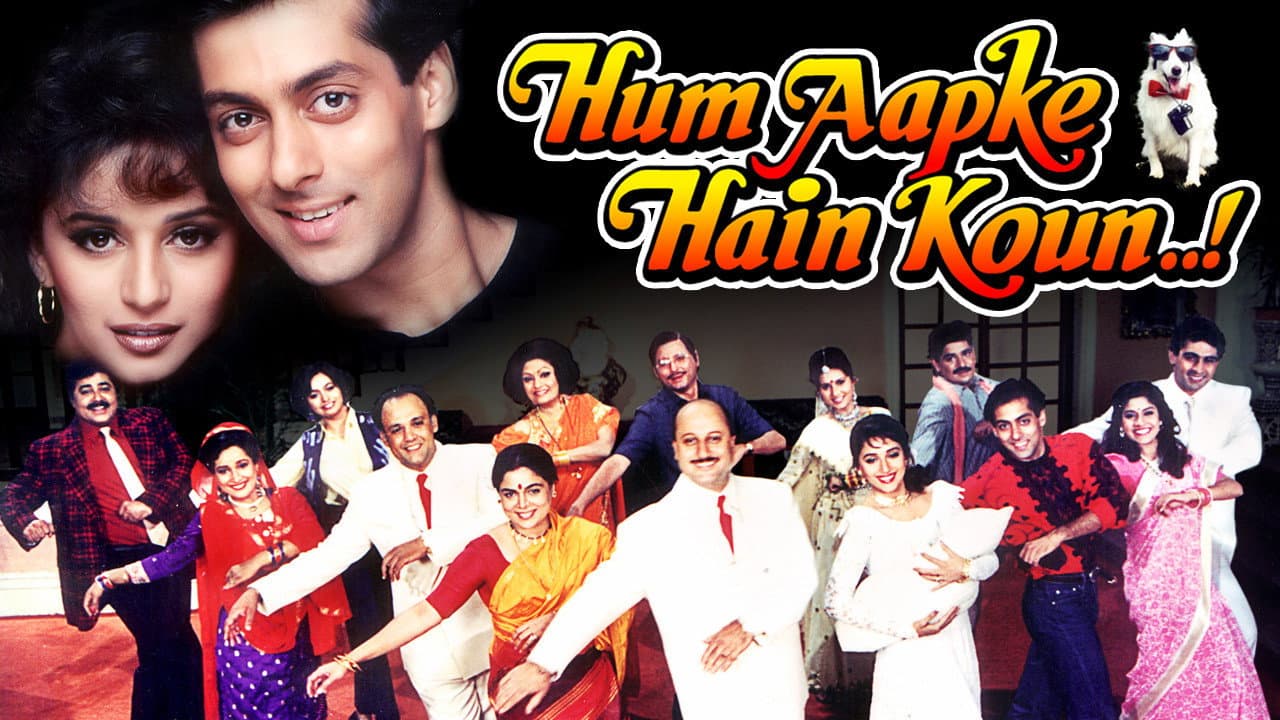
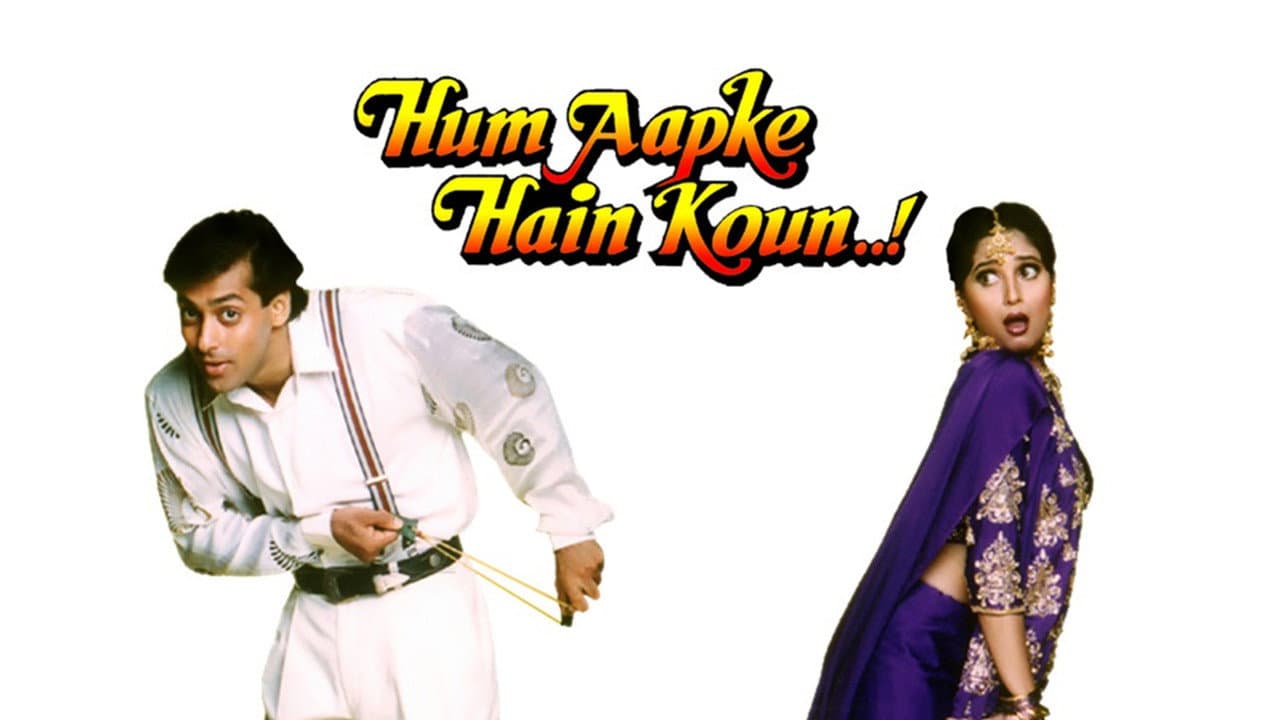
At the centre of the speculation is the film's casting dynamic. Salman Khan played Prem, while Madhuri Dixit starred as Nisha Chaudhary, and the two became one of Hindi cinema's most beloved on-screen pairs through the film. Because Dixit was already an established leading star when the project took shape, speculation grew that she may have been paid more than her male co-star - an unusual proposition in an industry where male leads have historically drawn higher fees.
Barjatya's response puts that chatter to rest. According to the filmmaker, the pay gap narrative does not reflect what actually happened during production. His account instead points to a production ethos shaped by the Barjatya family's Rajshri banner, where hierarchy on set was treated with care and the lead actors were positioned as collaborators rather than competitors over billing and remuneration.
The claim carries weight precisely because Hum Aapke Hain Koun..! was anything but a routine release. The film, a Drama-Romance with strong Music and Family elements, followed Prem and Nisha as they meet and fall in love at the wedding of their elder siblings. Their plans to be together are thrown into jeopardy when Nisha's sister dies, leaving behind a baby - a plot turn that gave the film its emotional core and turned a wedding celebration into a story about duty, grief and sacrifice.
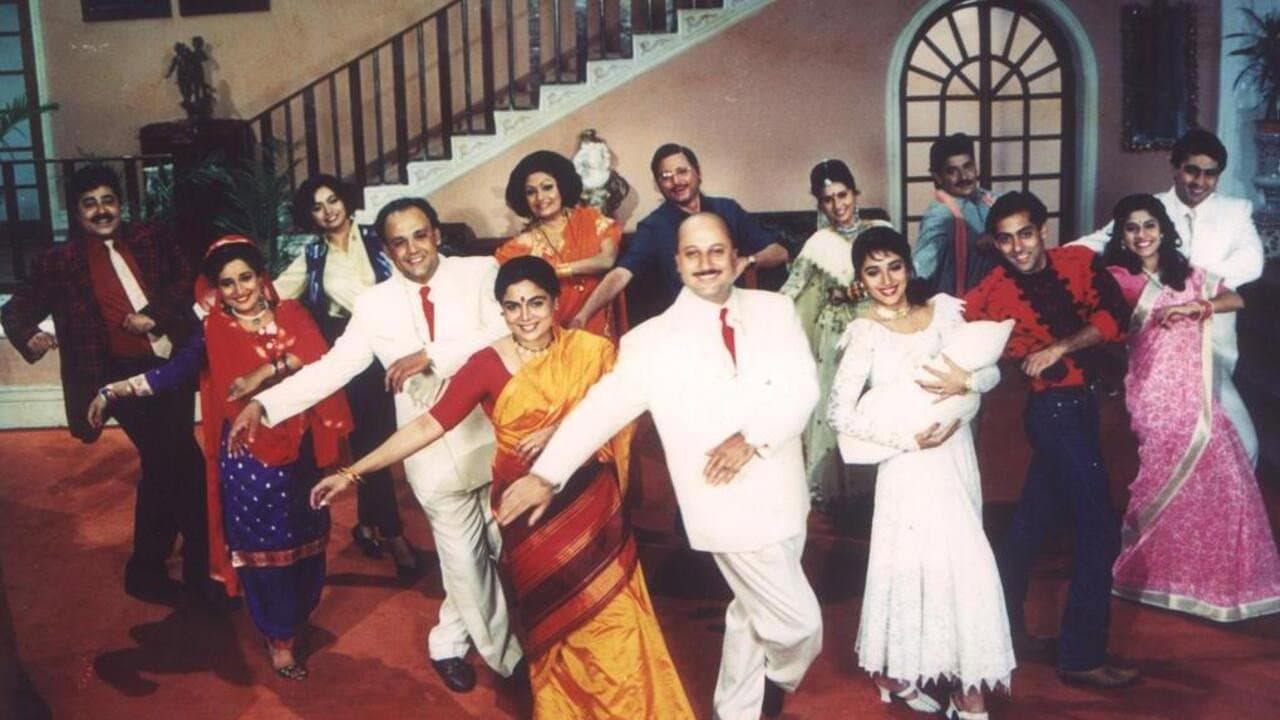
Released on 5 August 1994, the Hindi-language Bollywood production ran 207 minutes, a length that has become part of its legend. Barjatya directed, and the ensemble cast included Mohnish Behl as Rajesh, Renuka Shahane as Pooja Chaudhary, Anupam Kher as Prof. Siddharth Chaudhary, Reema Lagoo as Mrs. Chaudhary, Laxmikant Berde as Lalloo Prasad and Priya Arun Berde as Chameli. The gathering of so many familiar performers gave the film the feel of a family album come to life, which audiences responded to with remarkable warmth.
Reviews at the time and since have not been uniformly ecstatic. The film's TMDb rating sits at 6.628/10, while its IMDb rating is 7.5/10 - respectable numbers that nonetheless understate the place the movie occupies in popular memory. Few Hindi films of its era are quoted as often, hummed as often, or cited as often when the subject turns to the big, warm family entertainer.
That contrast between moderate critical scores and enormous cultural staying power is exactly why the pay question has lingered. When a film becomes a phenomenon, every detail of its making acquires a certain mystique, and the relationship between its two leads is scrutinised as closely as any scene. Barjatya's remarks shift the focus back to the working relationship rather than the ledger.
The director's comments also invite a re-reading of how the film was built. Rather than treating its stars as rival attractions, the production leaned on an ensemble in which Madhuri Dixit's Nisha and Salman Khan's Prem were two parts of a larger family portrait. In that framing, questions of who earned more become less about status and more about the practical decisions that any large-scale production must make.
For fans, the revelation adds another layer to a film they already know intimately. Hum Aapke Hain Koun..! remains a touchstone of 1990s Bollywood, and its songs and wedding sequences continue to circulate widely. The new clarity on the remuneration question does not change what is on screen, but it does colour how the film's production is remembered.
What emerges from Barjatya's account is less a controversy than a correction. The story that Madhuri Dixit was paid more than Salman Khan has been part of the film's folklore for years; the director's version suggests the truth was more ordinary, and more collegial, than the rumour allowed. For a movie built on the idea that family comes before individual ambition, that may be the most fitting answer of all.
Source: Filmibeat