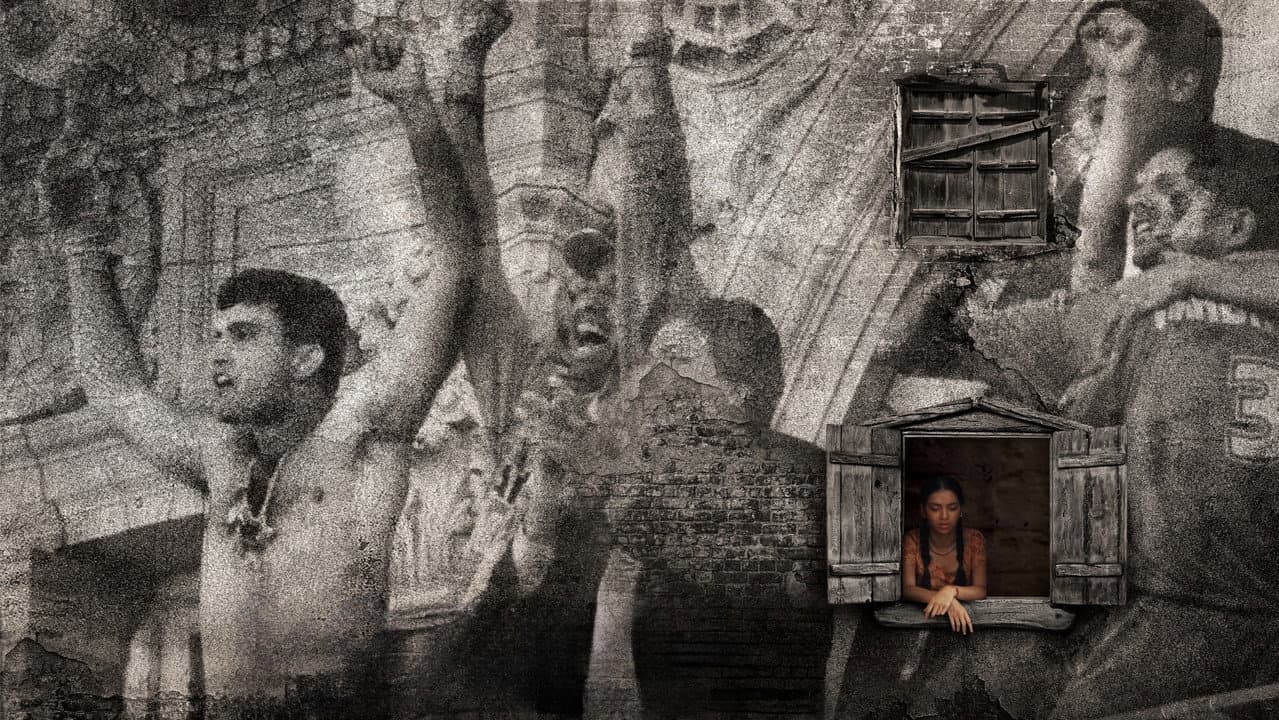
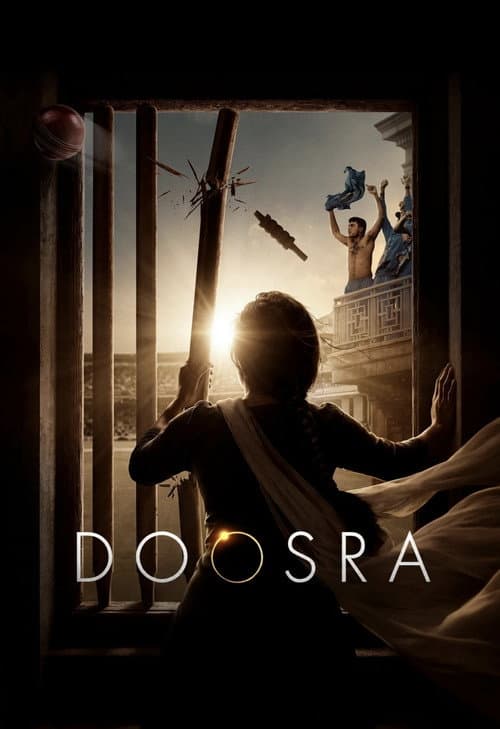
The date is 13 July 2002. In a middle-class home somewhere in India, the television is on, the extended family has assembled, and a girl of about sixteen watches the match with a concentration that the adults mistake for fandom. What the film reveals, patiently and then devastatingly, is that she is not watching the cricket at all. She is watching for a moment when the noise in the house will be loud enough to cover something she needs to say, or perhaps something she needs to finally admit to herself. Over the course of that single evening, the film toggles between the rising tension of the chase and the rising tension inside the house. The men roar at the screen; the women shuttle between kitchen and living room; and somewhere at the edge of the frame, a girl is trying to find the words. Deo's screenplay (from a story he keeps deliberately close to the ground) uses the rhythms of a cricket telecast as its own metronome. The film is dotted with characters whose lives are quietly rearranging themselves as the scoreboard tick-tocks: a girl on the cusp, a pair of parents negotiating their own locked-up grievances, and a domestic worker whose daily invisibility becomes the film's sharpest moral lens.
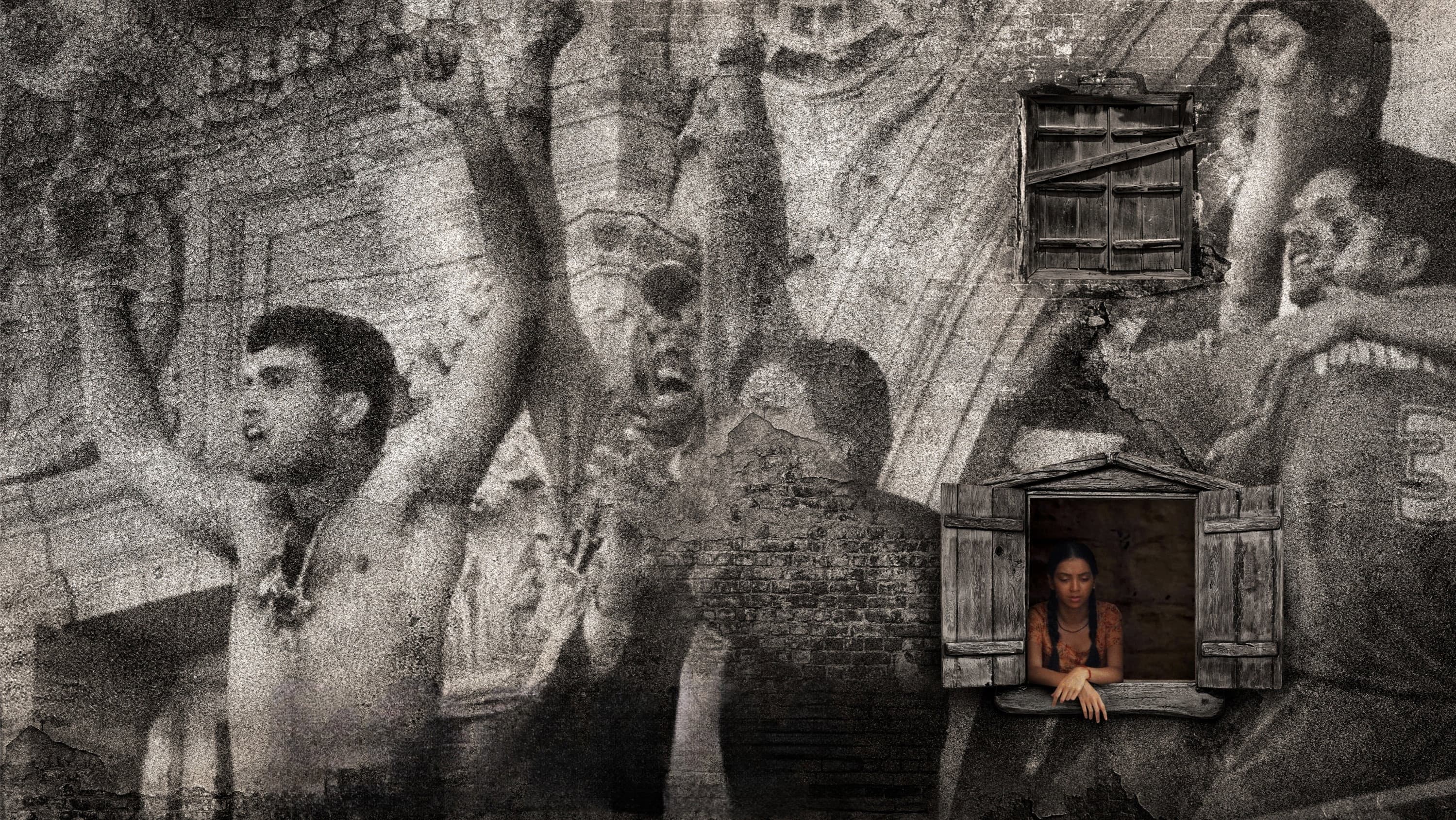
Doosra Review: Abhinay Deo's Quiet Victory Beyond Cricket
Director
Abhinay Deo
Language
HI
Release
2026-10-23
Quick Verdict
A tender, finely observed drama that uses the most famous chase in Indian cricket as a Trojan horse for a story about adolescence, family silence, and the terrifying arithmetic of confession. Deo steers clear of jingoism and cheap nostalgia, and his young cast repays the restraint. It is not without a sag in the middle, but its final act lands with genuine force. Doosra is one of the year's most unexpectedly moving Hindi releases.
Story
Review
Abhinay Deo has spent his career bouncing between the anarchic (Delhi Belly) and the more polished middlebrow (Blackmail), and Doosra finds him in a new register: patient, observational, almost chamber-like. The film has no interest in the locker-room drama of the Indian cricket team, and it never tries to recreate the famous innings in detail. Instead, Deo keeps his camera indoors, on fingers drumming against a sofa arm, on the small politics of who gets served first at dinner, on the way a room can fall silent without anyone saying a word. This is a smart choice; it avoids the trap of re-enacting a moment that already belongs to the audience's memory, and it lets the cricket stay in the background as a metaphor rather than a spectacle.
The performances are the film's true engine. Plabita Borthakur, playing the central girl, gives a performance of such calibrated interiority that you can almost see her thinking. Her silences are more expressive than most actors' monologues, and she has a gift for the sidelong glance that lands like a small confession. Ankur Vikal is excellent as a father whose bluster is a form of fear, and Samidha Guru is quietly devastating in a part that could have been a stereotype. Twisha Joshi and Krishna Gokani round out a cast that never overplays a scene. The film's best moments are its quietest: a shared look over a dinner table, a door left ajar, a child listening through a wall. Cinematographer (and the film's production team generally) favour warm, lived-in interiors, the kind of lighting that feels like memory rather than a movie set. The sound design deserves special praise for the way it blends the crackle of a television broadcast with the acoustics of a real home.
Where Doosra falters is in the middle stretch, when the cricket sequences begin to repeat their rhythmic trick once too often, and the script's insistence on keeping certain cards close to its chest starts to feel like stalling rather than suspense. A subplot involving a neighbour feels undernourished, and one late revelation is telegraphed early enough that it loses some sting. The film's refusal to spell everything out is admirable, but on one or two occasions it edges into coyness. Still, these are the flaws of an ambitious film rather than a lazy one, and the final twenty minutes - built on a single, brilliantly staged emotional release - more than recover the ground.
Pros & Cons
Pros
- Plabita Borthakur's central performance is superb.
- Deo's restraint in avoiding cricket-movie clichés.
- Excellent, lived-in production design and sound.
- A final act that earns its catharsis honestly.
- Sharp, unshowy supporting turns across the board.
Cons
- The middle third sags into repetition.
- One subplot feels thin and underdeveloped.
- Occasional coyness where directness might have cut deeper.
Rating Breakdown
Final Verdict
Doosra is that rare Hindi film that trusts its audience enough to leave the loudest moments off-screen. By refusing to turn 2002 into a highlight reel, Deo has made something more durable: a quiet, humane film about the courage it takes to speak when everyone around you is shouting. It isn't flawless - the midsection tests your patience - but its best scenes linger long after the credits. A worthwhile, deeply felt piece of filmmaking. Don't go in expecting a cricket epic. Go in expecting a mirror.
Cast

Plabita Borthakur

Ankur Vikal
Samidha Guru
Twisha Joshi
Krishna Gokani
Gallery