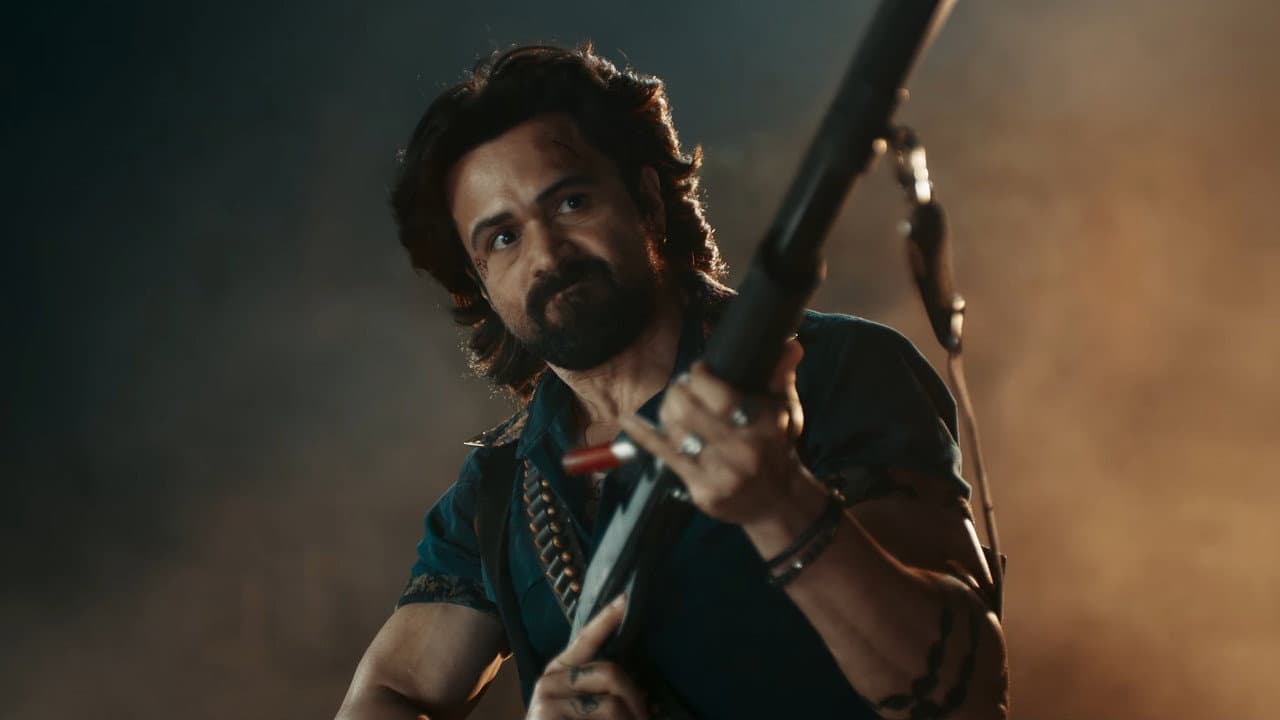
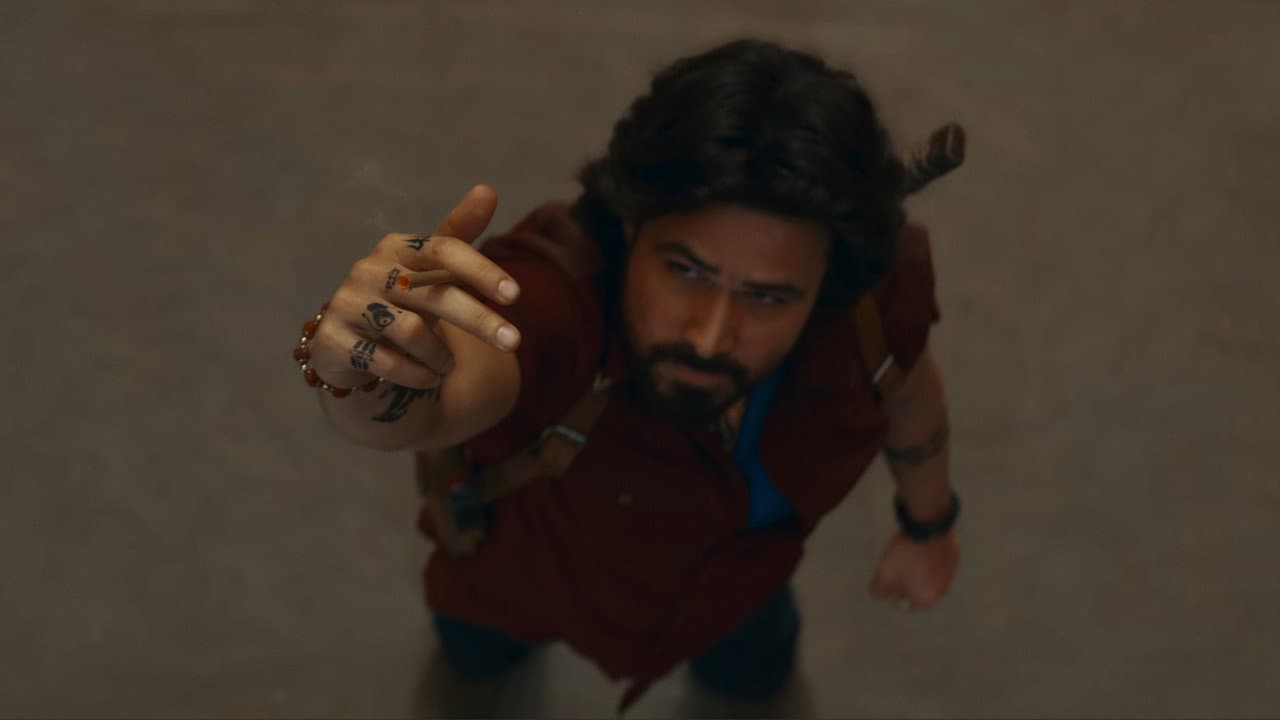
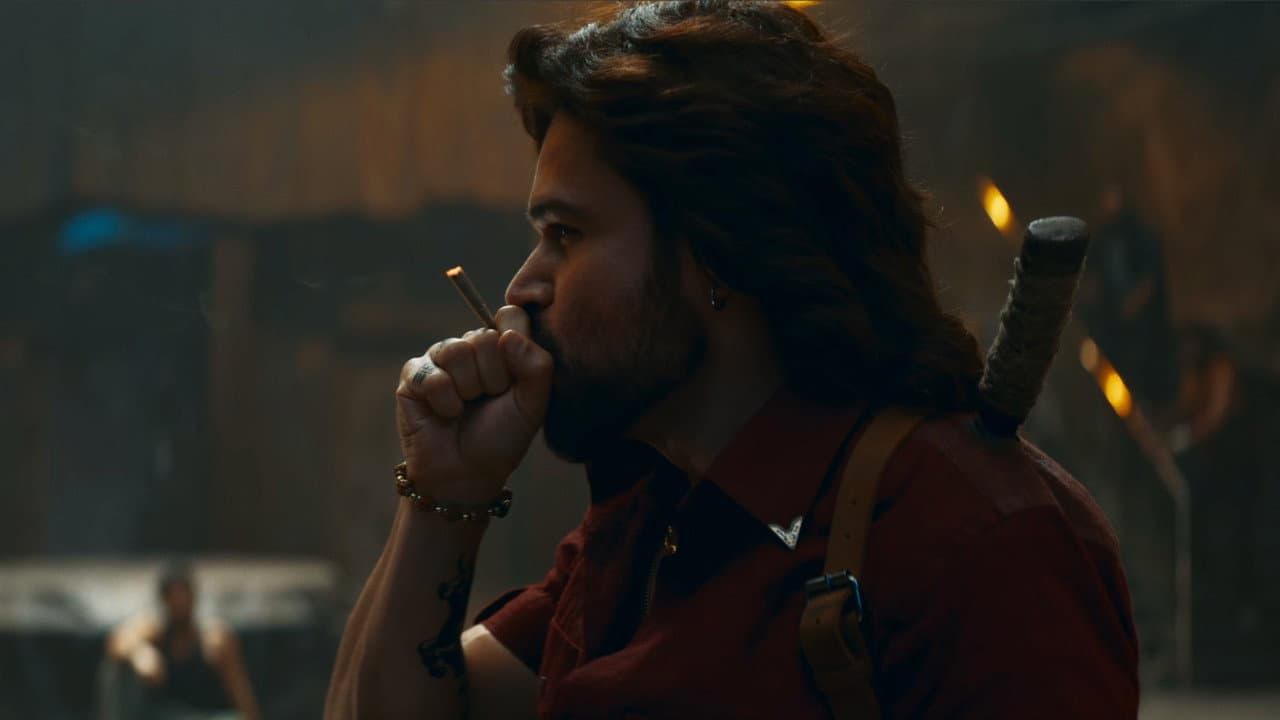
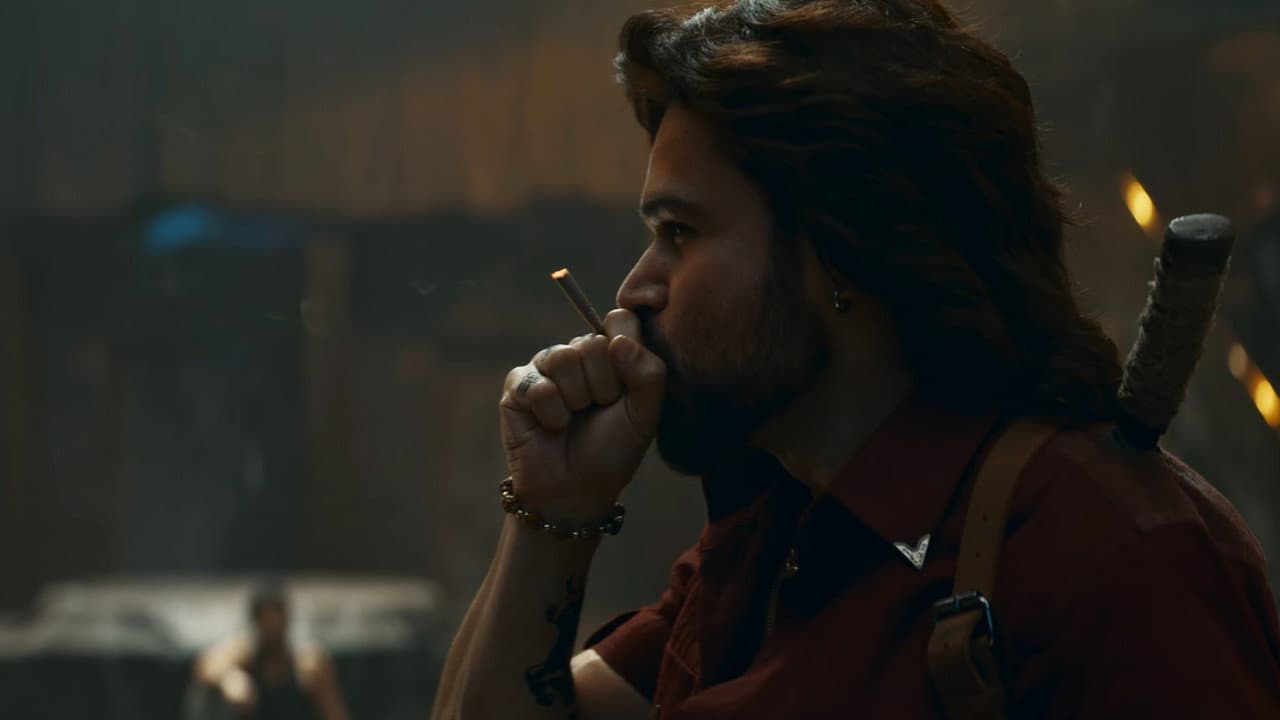
Let's start with what works, and that's Hashmi. There's a reason he keeps getting cast as men whose love curdles into something darker; he plays that internal tug-of-war without overplaying it. As Eshwar, he's charming enough that you root for him and unnerving enough that you're not sure you should. Datt clearly knows how to use him, and the film's best sequences are built around his stillness - a man deciding, in real time, how far he's willing to go.
D'Souza is the film's beating heart. Aarti isn't a trophy waiting to be won; she has agency, opinions, and a real stake in the outcome, and the film is better for it. Whenever the plot threatens to reduce her to motivation, she pushes back. Khurana, meanwhile, is having a wonderful time chewing through his scenes as Desu - the kind of villain who smiles before the punchline lands, and the film's energy spikes every time he's on screen.
The action, choreographed with the expected Bollywood polish, is loud and well-staged, particularly a mid-film confrontation that uses claustrophobic interiors to genuinely tense effect. Datt has a firm hand on the set pieces; for a 142-minute runtime, there's barely a dull stretch.
Where the film stumbles is in its scripted logic. The thriller engine sputters whenever it needs characters to act against their own established intelligence just to move the plot forward, and the third act throws in a twist that's less a revelation than a shrug. The tonal balance between Romance and Thriller also wobbles - one scene we're in a tender embrace, the next we're in a warehouse shootout, and the transitions aren't always graceful. Supporting faces like Abhishek Singh, Snehill Dixit Mehra, Inayat Verma, Avneet Kaur and Resh Lamba get their moments but stay largely in orbit around the central triangle.
Technically, the film is polished enough to sell its ambitions, with a score that knows when to swell and when to sit back. It's not a game-changer for the genre, but it's confident craft.