Advertisement
160×600
Left Ad
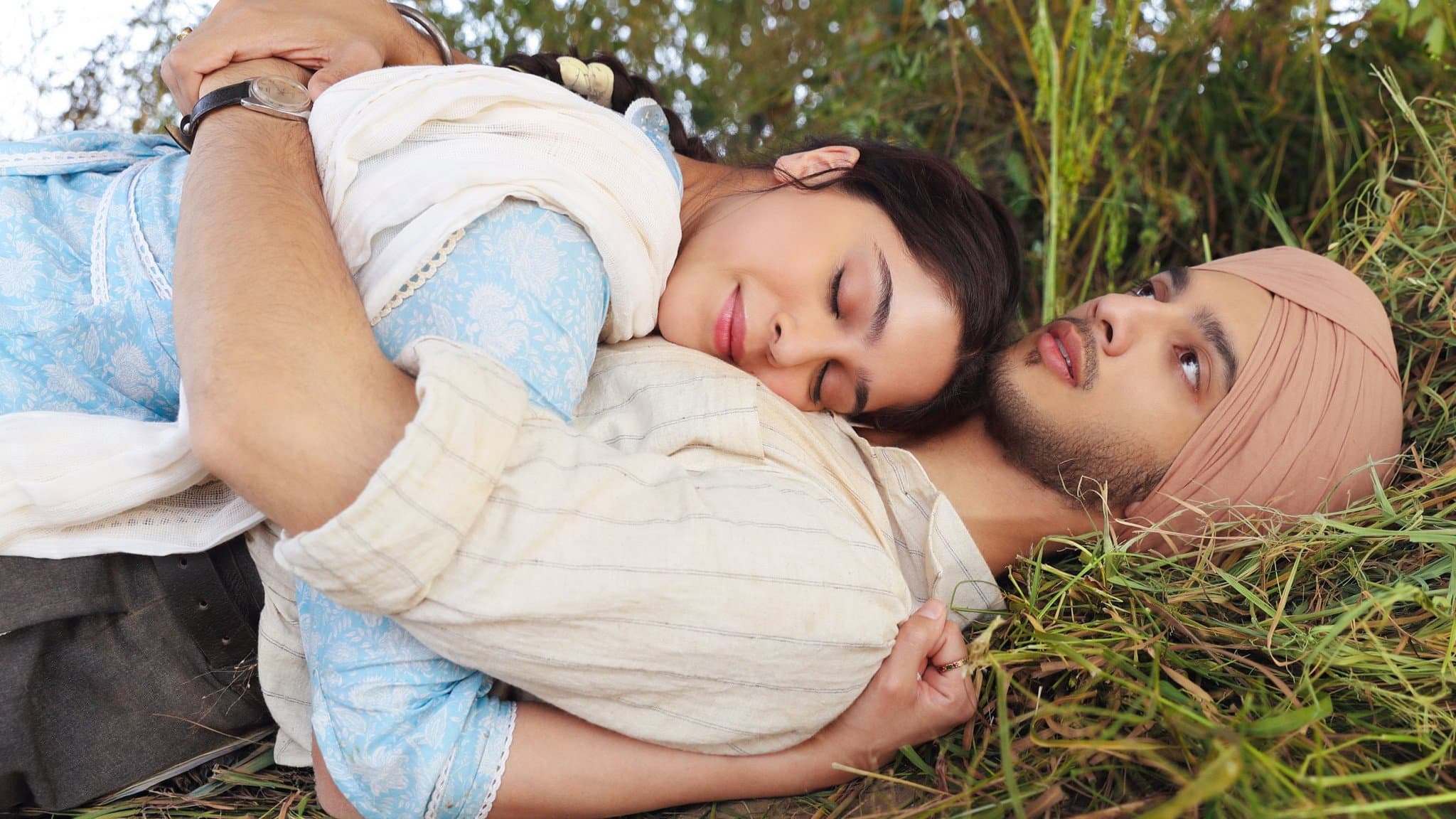
Main Vaapas Aaunga Movie Review: Is It Worth Watching?
Honest review of Main Vaapas Aaunga. Discover if this thriller's plot and performances deliver. Includes spoiler-free verdict and analysis.
Director
Imtiaz Ali
Language
HI
Release
2026-06-10
Runtime
167 min
Quick Verdict
A haunting, occasionally self-indulgent meditation on love, loss, and the ghosts we carry. Naseeruddin Shah delivers a masterclass, Vedang Raina and Sharvari sparkle in flashbacks, but a bloated runtime and a third-act wobble keep it from transcendence. For patient viewers who value atmosphere over pacing, it’s a rewarding journey. Others may wish for a tighter edit.
Story
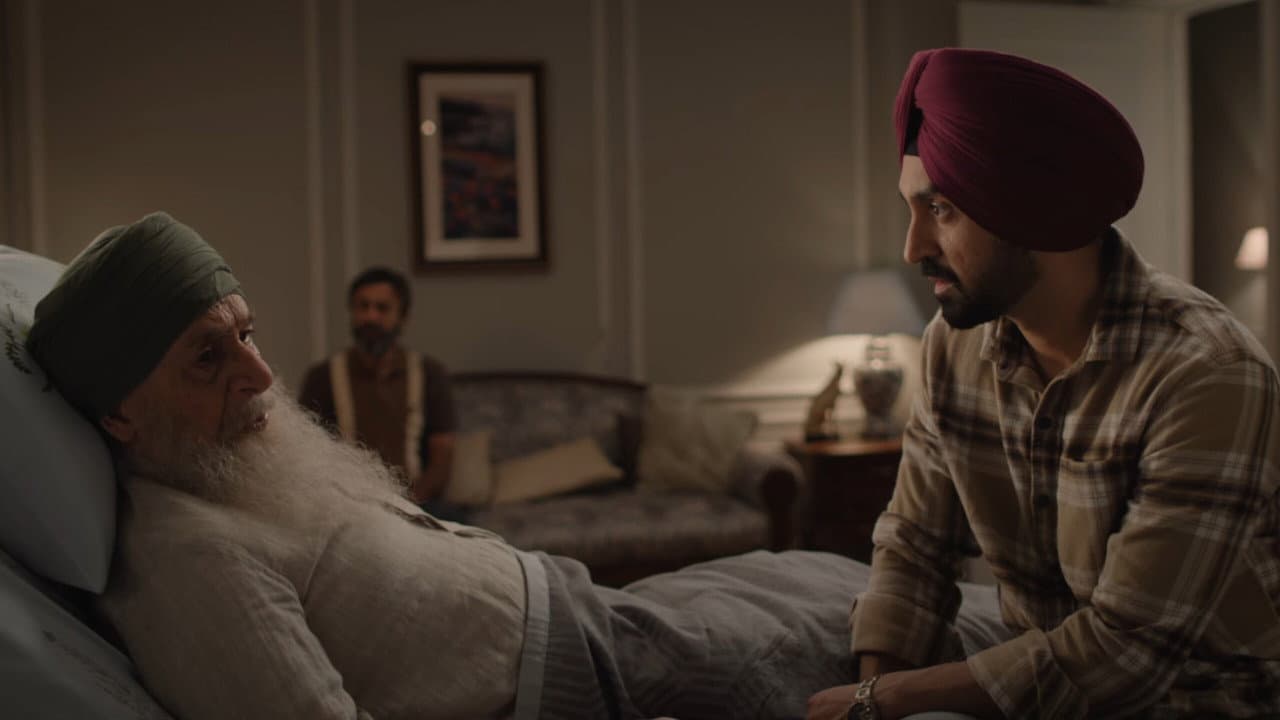
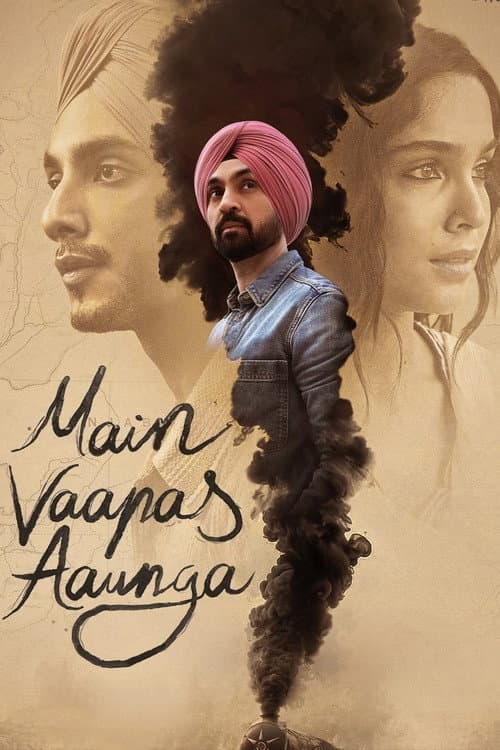
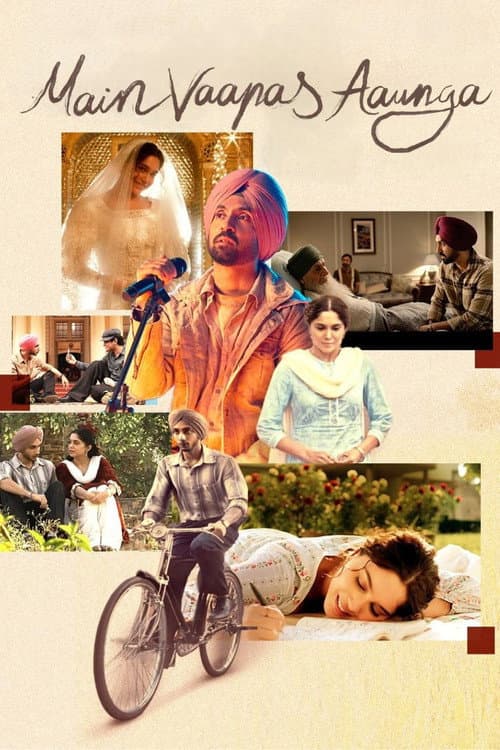
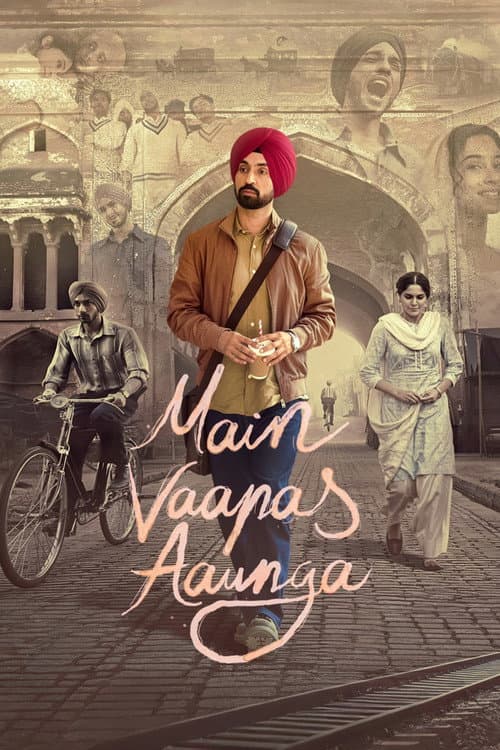
At 95, Ishar Singh Grewal (Naseeruddin Shah) lives a quiet life in Amritsar with his daughter-in-law Meher (Anjana Sukhani) and grandson Nirvair (Diljit Dosanjh), a young man struggling with his own modern romantic apathy. One evening, Nirvair asks his grandfather to explain why he never remarried after his wife died decades ago. The question unlocks a floodgate: Ishar’s story begins in 1946 Lahore, where as a carefree young Sikh boy nicknamed Keenu (Vedang Raina) he falls deeply in love with Afsana Hasan (Sharvari), a Muslim girl from the neighborhood. Their idyllic romance is shattered by the Partition of India. The families are torn apart, the lovers separated by violence and geography. The mystery - what happened to Afsana, and how that loss shaped Ishar’s entire life - drives both the past and present narratives. As Nirvair pieces together his grandfather’s letters, photographs, and fragmented memories, he must confront his own fear of commitment and the possibility that love, once lost, can echo across time.
Review
Imtiaz Ali has always been drawn to the friction between destiny and choice, between the ache of departure and the promise of return. Main Vaapas Aaunga - the title translates to “I Will Come Back” - is his most ambitious treatment of that theme, stretching across two timelines, two languages, and nearly three hours of screen time. The ambition is admirable; the execution, however, is uneven in ways that feel both deliberate and frustrating.
The film’s greatest asset is Naseeruddin Shah, whose every lined face and hesitant gesture tells you more about grief than any monologue could. His Ishar is not a weepy old man but a quiet repository of pain, a man who has learned to live with an absence so vast it becomes a presence. When he finally describes the moment he last saw Afsana being dragged away by her uncle, the camera holds on his eyes, and you feel the century of silence collapse into a single breath. It’s devastating.
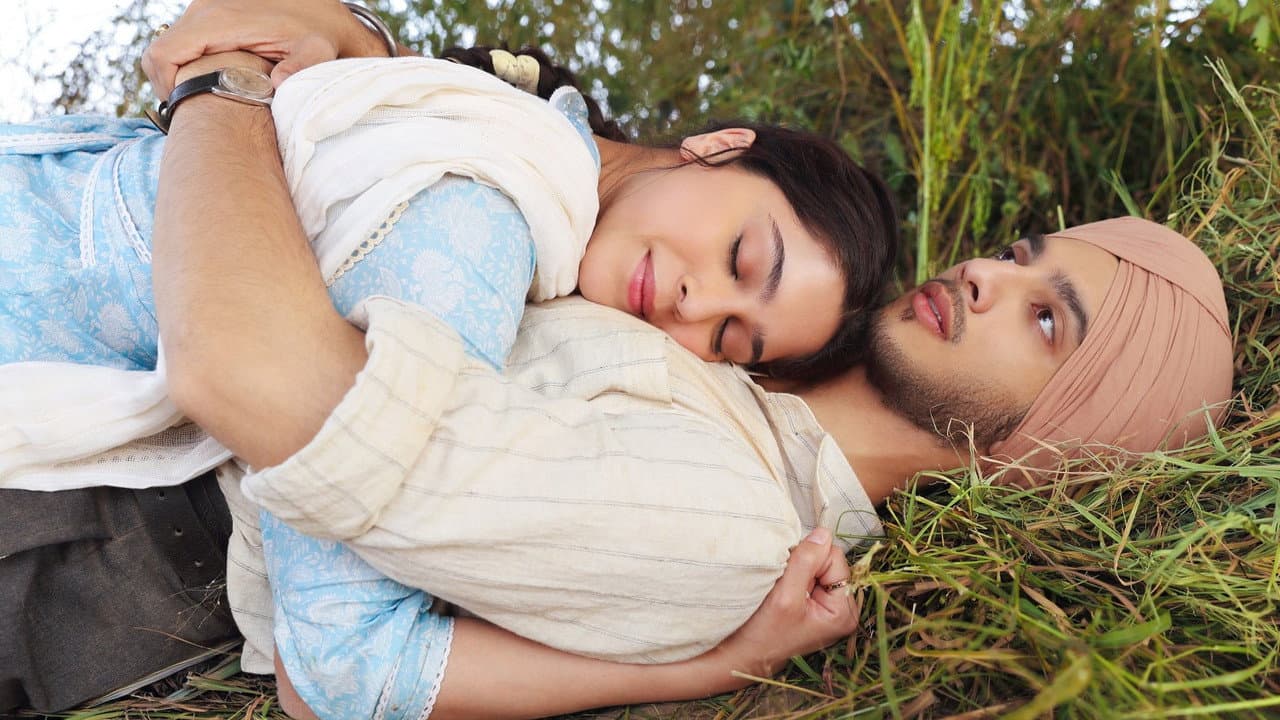
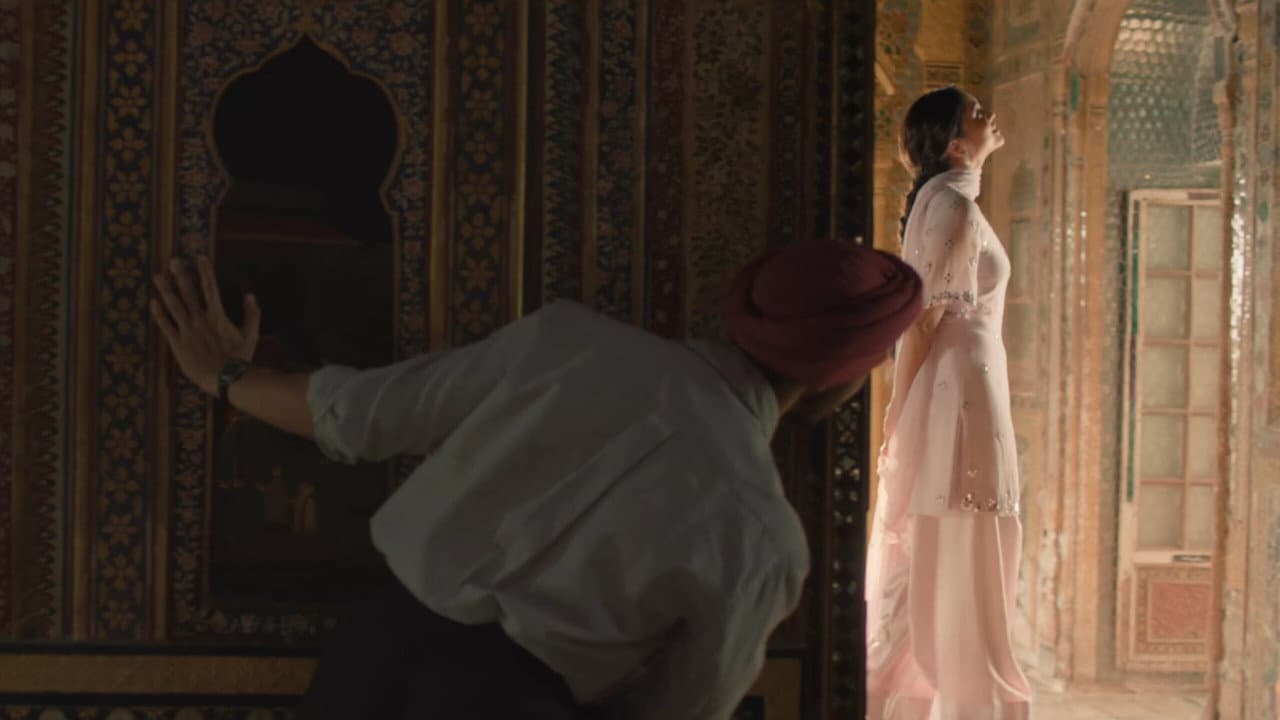
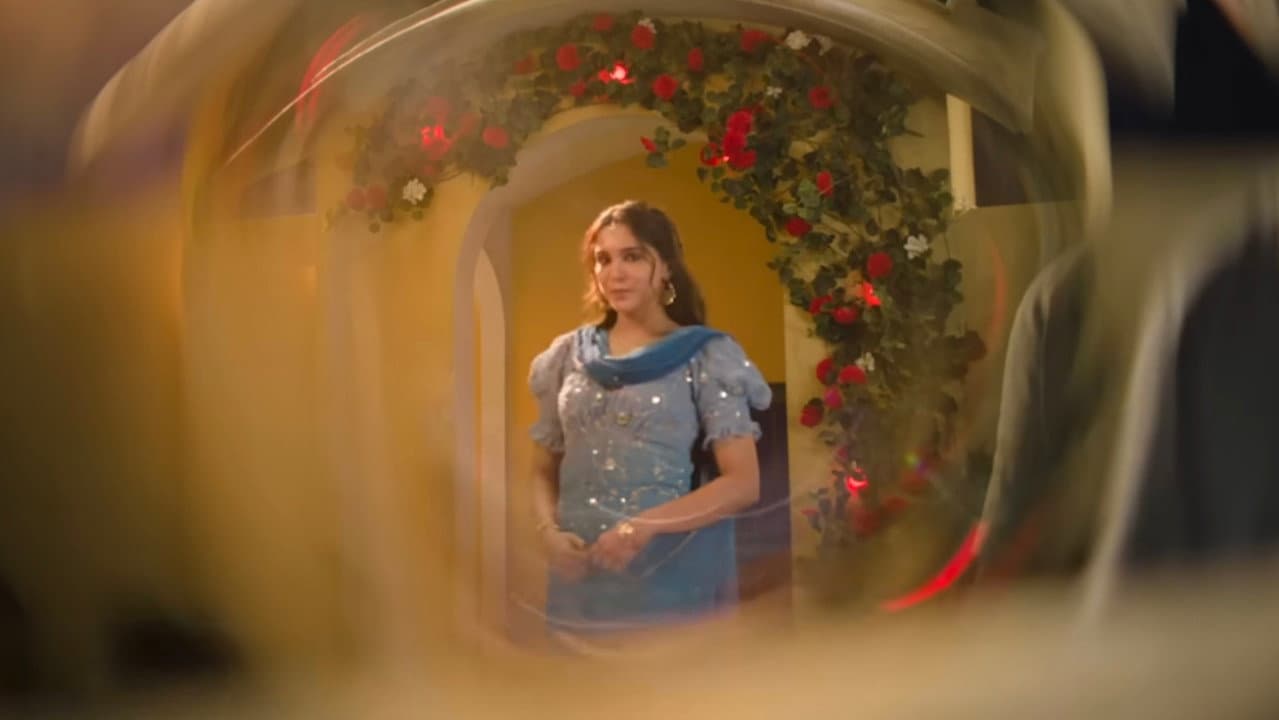
Vedang Raina and Sharvari, as the young lovers, match that intensity. Raina brings a boyish swagger to Keenu that never feels forced, while Sharvari’s Afsana is luminous - strong-willed, playful, and heart-wrenchingly naive about the violence that will swallow their world. Their romance is built through stolen glances in narrow lanes, shared jalebis from a street vendor, and a secret rooftop where they plan a future that history will not permit. Imtiaz’s signature handheld camera work and Amit Trivedi’s understated score weave a sensory spell that makes the first hour fly by.
Then the Partition arrives. The film’s second hour is a harrowing montage of displacement, train horror, and forced migration. Diljit Dosanjh, as the modern-day grandson Nirvair, provides the emotional thread back to the present, but his subplot with Anjana Sukhani (playing his mother) feels undercooked. Rajat Kapoor as Iqbal and Danish Pandor as Afzal are excellent in small roles, but the film’s real weakness emerges here: it begins to repeat itself. The same grief-stricken flashbacks, the same lingering shots of abandoned houses, the same melancholic voiceover - beautiful, yes, but the cumulative effect is exhaustion rather than catharsis.
The mystery element, too, proves a double-edged sword. Imtiaz builds an intriguing question around Afsana’s fate, but the eventual reveal in the third act (which I will not spoil) is likely to divide audiences. Some will find it poetic; others, including this reviewer, may feel it undermines the raw historical tragedy with a narrative twist that feels more ambitious than earned. The film’s TMDb rating of 6.7/10 seems fair - it’s a work of staggering beauty and genuine emotion, but also one that overstays its welcome and occasionally mistakes ambiguity for depth.
Pros & Cons
Pros
- Naseeruddin Shah’s performance is a career-defining turn; he conveys decades of sorrow with a single glance.
- Vedang Raina and Sharvari share remarkable chemistry; their youthful joy makes the later tragedy sting.
- Imtiaz Ali’s direction captures the sensory texture of pre-Partition Lahore with exquisite period detail.
- Amit Trivedi’s score and the restrained sound design enhance the melancholic atmosphere without overpowering.
- The emotional core - how past love shapes present identity - is universally resonant and handled with sensitivity.
Cons
- At 167 minutes, the film is at least 20 minutes too long; several sequences in the middle drag without advancing the story.
- The modern-day subplot featuring Diljit Dosanjh and Anjana Sukhani is underwritten and feels like a distraction.
- The mystery twist in the third act may alienate viewers seeking a more straightforward historical drama.
- Some dialogue in the flashback portions leans toward melodrama, undercutting the naturalism of the performances.
Rating Breakdown
Final Verdict
Main Vaapas Aaunga is a flawed monument - ambitious, beautiful, and occasionally exhausting. It will leave you thinking about love’s persistence long after the credits roll, but it may also leave you checking your watch somewhere in the second hour. For Naseeruddin Shah’s performance alone, it demands to be seen. For the complete experience, bring patience, a handkerchief, and a willingness to let a film take its own unwieldy route home. The question “Is it worth the runtime?” ultimately depends on how much you trust Imtiaz Ali’s journey. I trusted it - mostly - and I’m still unpacking what I found.
Cast
Naseeruddin Shah
Ishar Singh Grewal

Vedang Raina
Young Ishar / 'Keenu'

Sharvari
Afsana Hasan / 'Jiya'

Diljit Dosanjh
Nirvair Grewal

Anjana Sukhani
Meher Grewal

Rajat Kapoor
Iqbal Grewal

Danish Pandor
Afzal

Vinod Nagpal
Kirpal / 'Pali'

Banita Sandhu
Kaveri

Dolly Ahluwalia
Dadi

Sanjay Suri
Jasmer 'Jazz' Grewal

Kumud Mishra
BSF Chief Keshav Parmar
Gallery
Similar Movies






Related Reviews

Advertisement
160×600
Right Ad