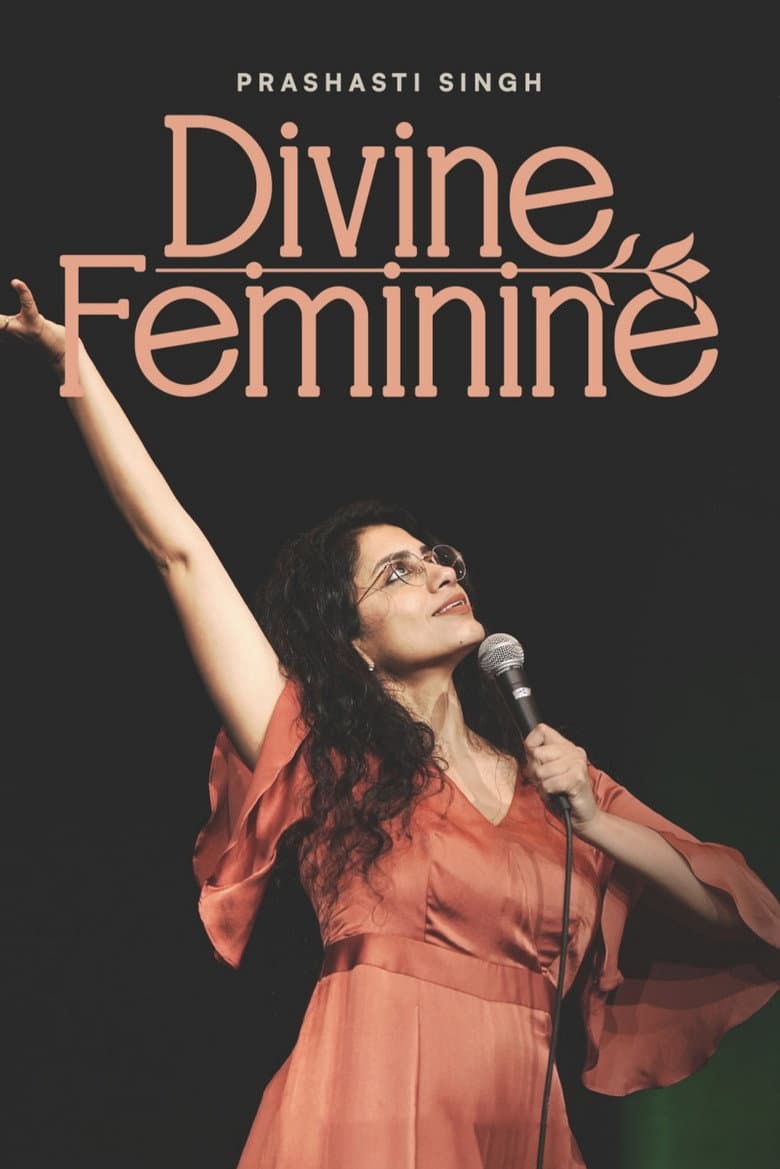
Singh’s stage presence is a marvel of controlled chaos. She starts with a nervous, giggly energy that feels like a defense mechanism, then slowly peels it back to reveal a core of steel. She’s not afraid to be unlikeable: she admits to jealousy, pettiness, and a smug sense of superiority that she later dismantles with the grace of someone who’s done the work. There’s a sequence about her first therapy session - where she told the professional that she had no issues, only to spend the next three sessions crying over a childhood memory involving a birthday cake - that is both uproarious and devastating.
Director Karan Asnani deserves major credit for pacing. At 73 minutes, the special never overstays its welcome, but it also doesn’t rush. He allows Singh’s pauses to breathe, lets the camera linger on her micro-expressions when she hits an emotional nerve, and frames her against minimal sets that make her the sole focus. It’s an intimate visual approach - almost a documentary-style confidence - that suits her confessional mode.
The humor is of the “sharp tongue, soft heart” variety. She riffs on arranged marriage meetings (“I’ve been interviewed more times than a software engineer in a recession”), on Indian aunties who ask about her weight before her health, and on the absurdity of the phrase “log kya kahenge” (what will people say). Her ability to land a joke about her own loneliness is exceptional - she says she’s learned to enjoy her own company, “mainly because the alternative is interviewing other people’s husbands at weddings.” But she never lets the audience off the hook. There’s a pointed, uncomfortable bit about how women internalize the male gaze that shifts from funny to ferocious in ten seconds.
If there’s a weakness, it’s the occasional reliance on therapy-speak that can feel like reading a self-help book out loud. Some segments - particularly one about “unlearning the yoke of toxic femininity” - border on the didactic, and the emotional clarity occasionally dulls the comedy’s edge. Also, non-Indian audiences might miss certain cultural shorthand (the specific weight of a mother’s “I sacrificed everything for you” speech, or the loaded subtext of a relative asking “when are you settling down?” at a wedding). But Singh works hard to translate these moments with vivid storytelling, turning the specific into the universal.
The ending, which I won’t spoil, is a small act of defiance that feels earned. She doesn’t resolve her questions - she simply declares that the questions are hers to ask.