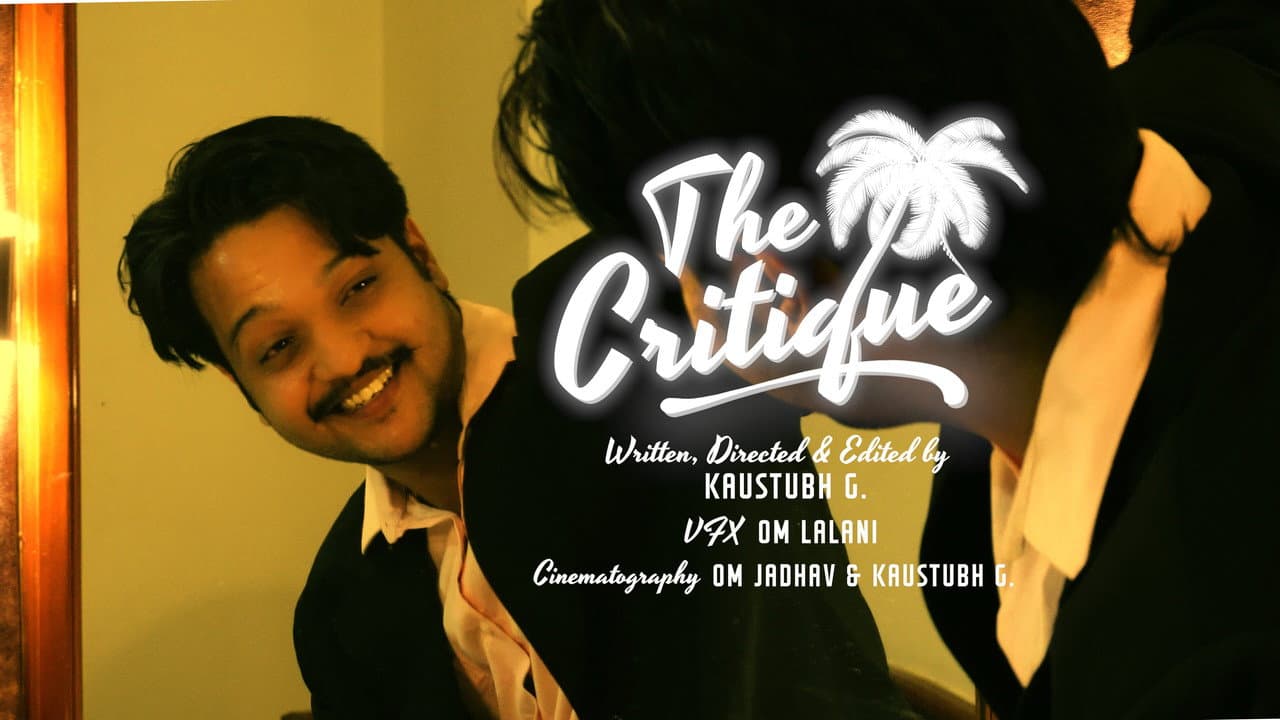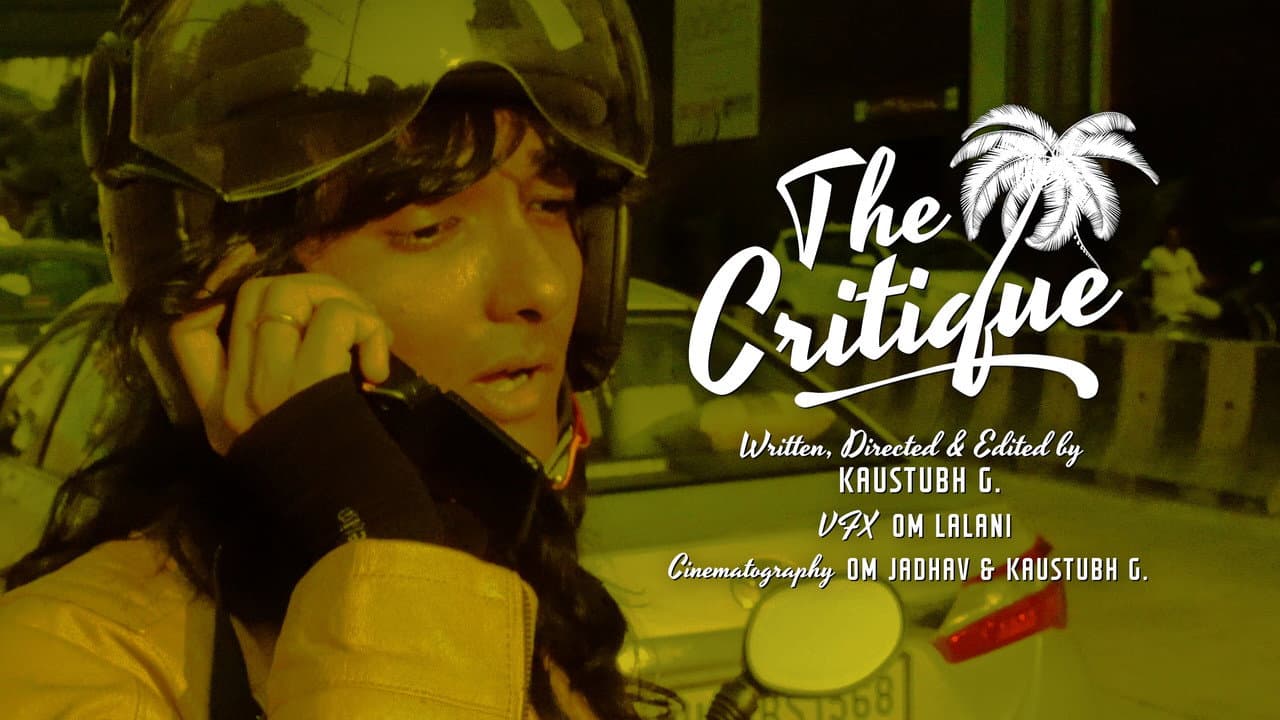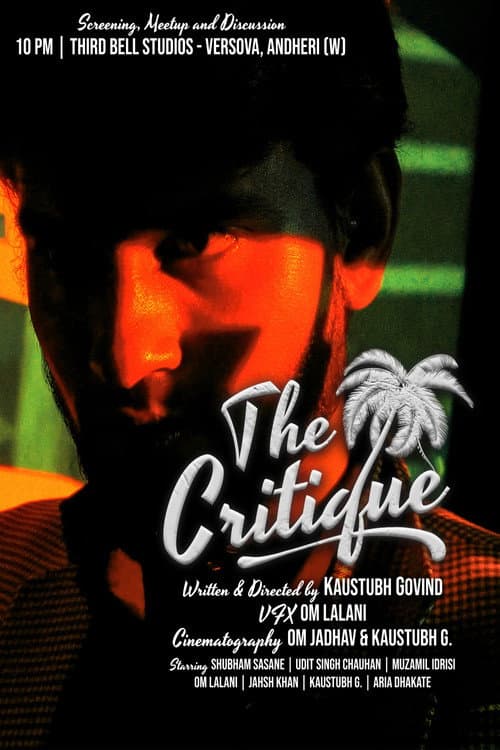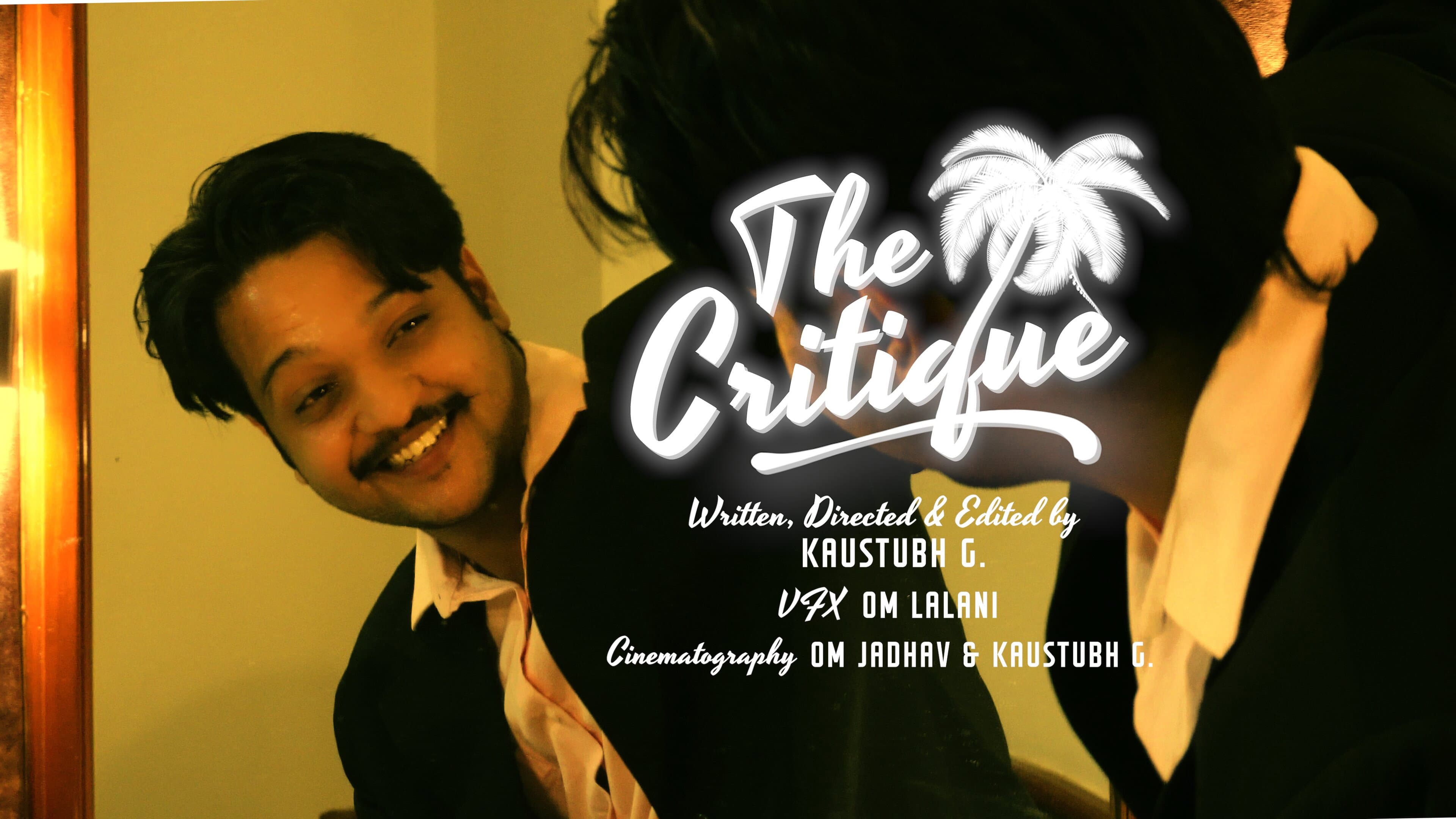
The opening scene of The Critique feels almost insultingly simple. Two men, Osho and Dinshaw, sit in a car with cheap coffee and a cheaper camera, bickering about whose turn it is to adjust the lens. They’re petty hustlers, not professionals, and the job is straightforward: tail a hotel guest, snap a few photographs, collect a modest envelope of cash. Director Kaustubh Govind, who also steps in front of the camera for a supporting role, knows exactly what the audience expects from this setup. He gives it to us - and then he yanks the floor out from under the entire genre.
Released on September 4, 2026, this 27-minute Hindi short has been quietly tearing through film circles, and its perfect TMDb score of 10/10 feels less like hyperbole and more like a dare. The premise is deceptively lean. Osho Khanna (Udit Singh Chauhan) and Dinshaw (Shubham Sasane) are surveilling a target named Thurman, played by Govind himself, for reasons they don’t fully understand. The money is decent. The risk seems low. Then they realize, with a creeping dread that shades into black comedy, that they are not the only ones watching. Another party has their own sights on Thurman, and the two amateur detectives have stumbled into a game where the rules were never written for them.
What elevates The Critique beyond a clever short is its refusal to stay still. Just when you’ve categorized it as a neo-noir crime thriller, it pivots into satire. When you’ve settled into the satire, it throws a Western standoff into the mix. The genre tags on the film are unusually honest - Action, Comedy, Western, Crime - and yet the film never feels like a genre salad tossed for chaos. Instead, Govind treats these tonal shifts like a jazz musician treats tempo changes: jarring at first, then hypnotic.
The performances are uniformly sharp. Chauhan’s Osho is a man perpetually one step behind his own ambitions, and his anxious energy plays beautifully against Sasane’s Dinshaw, who seems to have stumbled into crime purely out of boredom. Their chemistry is the engine that keeps the film grounded when the plot starts to twist. Govind’s Thurman is a different beast - sleek, unknowable, and far more dangerous than his initial inaction suggests. The supporting cast, including Muzamil Idrisi as Amar, Om Lalani as Prem, and Jahsh Khan as Spice, fills out the margins with deliberately broad strokes, reminding us that this is a world where everyone is playing a part.
But the real critique - and yes, the title is doing triple duty - is aimed at the audience itself. We are so conditioned to root for the underdog, to expect a satisfying payoff where the little guys outsmart the system, that The Critique slyly asks whether we’ve been watching the wrong characters all along. Are Osho and Dinshaw protagonists or pawns? Is Thurman a victim or a puppeteer? The film’s 27-minute runtime doesn’t waste a second answering those questions, and it certainly doesn’t waste a second letting us feel comfortable with whatever answers we manufacture.
Visually, Govind and his cinematographer lean into a muted palette that pays homage to noir without drowning in it. Shadows stretch long across hotel corridors. Reflections lie. A single gunshot sounds less like action and more like punctuation. There’s a stillness to the framing that reminds you this was made by someone who understands that comedy often works best when played completely straight. The hotel setting becomes a maze of neutral zones, where everyone is a guest and no one belongs.
Aria Dhakate appears briefly as Osho’s wife, and her few scenes carry a melancholy weight that hints at a larger story the short deliberately leaves untold. Nihareeka Gupte provides additional voices, layering in ambient dialogue that makes the hotel feel alive and indifferent. It’s a small film in scale but not in ambition.
The Critique isn’t a film you watch for answers. It’s one you watch for the discomfort of recognizing your own expectations on screen. Govind is not interested in making you laugh at the bad guys or cheer for the good ones. He’s interested in the moment when you realize there are no good guys - only people who think they’re in control and those who discover they never were.
By the final frame, you may feel slightly cheated. Then you’ll rewind, watch again, and realize the film was critiquing your sense of narrative justice from the very first minute. For a 27-minute Bollywood short, that’s a towering achievement. For a directorial statement, it’s a thunderclap.