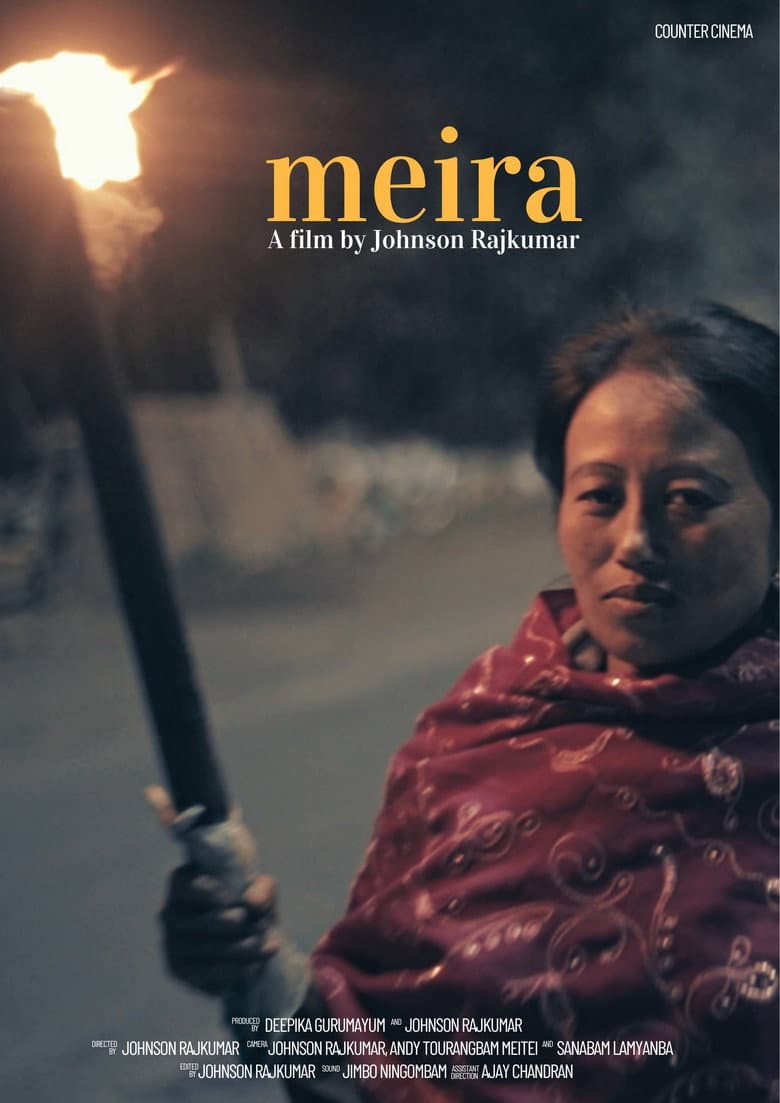
The film's greatest strength is its refusal to sensationalise. The temptation with material this charged would be to lean on dramatic re-enactments, swelling music, a narrator telling you exactly how to feel. Rajkumar resists all of it. He lets the women speak, lets the silences breathe, lets the landscape of Manipur carry the weight that words sometimes cannot. There are stretches where the film simply observes - a group gathered at night, a torch lit, a face holding a thought - and these are the passages that linger longest.
What emerges is a portrait of resistance as a daily discipline rather than a single flashpoint. The Meira Paibi did not rise once and fade; they kept rising, night after night, because the need never went away. That relentless repetition could have made the film monotonous, but Rajkumar finds variation in it, cutting between voices and memories in a way that builds momentum from accumulation rather than incident. By the final third, you understand that patience is itself the argument.
There are criticisms to be made. The film's structure can feel deliberately withholding, and viewers not already versed in the political history Rajkumar is sketching may find themselves wanting more footholds - more dates, more context, a clearer timeline. The choice to foreground atmosphere over exposition is artistically defensible, even admirable, but it leaves some doors only half-open. Commercially, a documentary with no revealed cast, minimal promotion, and a runtime that remains oddly unlisted is going to struggle for eyeballs, and that's a genuine shame because this deserves to be seen widely.
What stays with you is the women. Not as symbols, though they are certainly that now, but as people - tired, determined, funny in small moments, unbroken. The film earns its title in a quiet flourish near the end, and it earns its place among the year's more significant release.