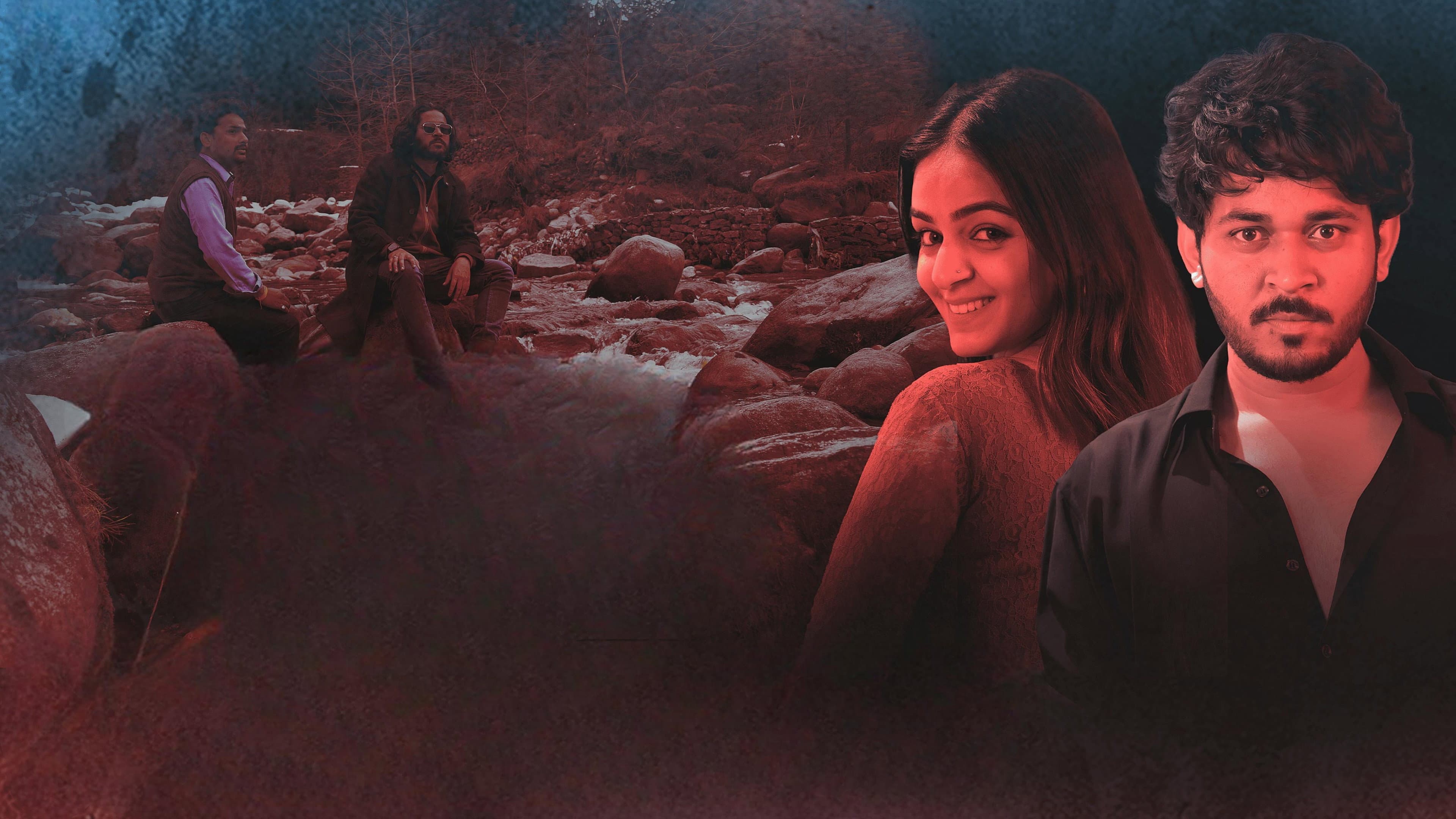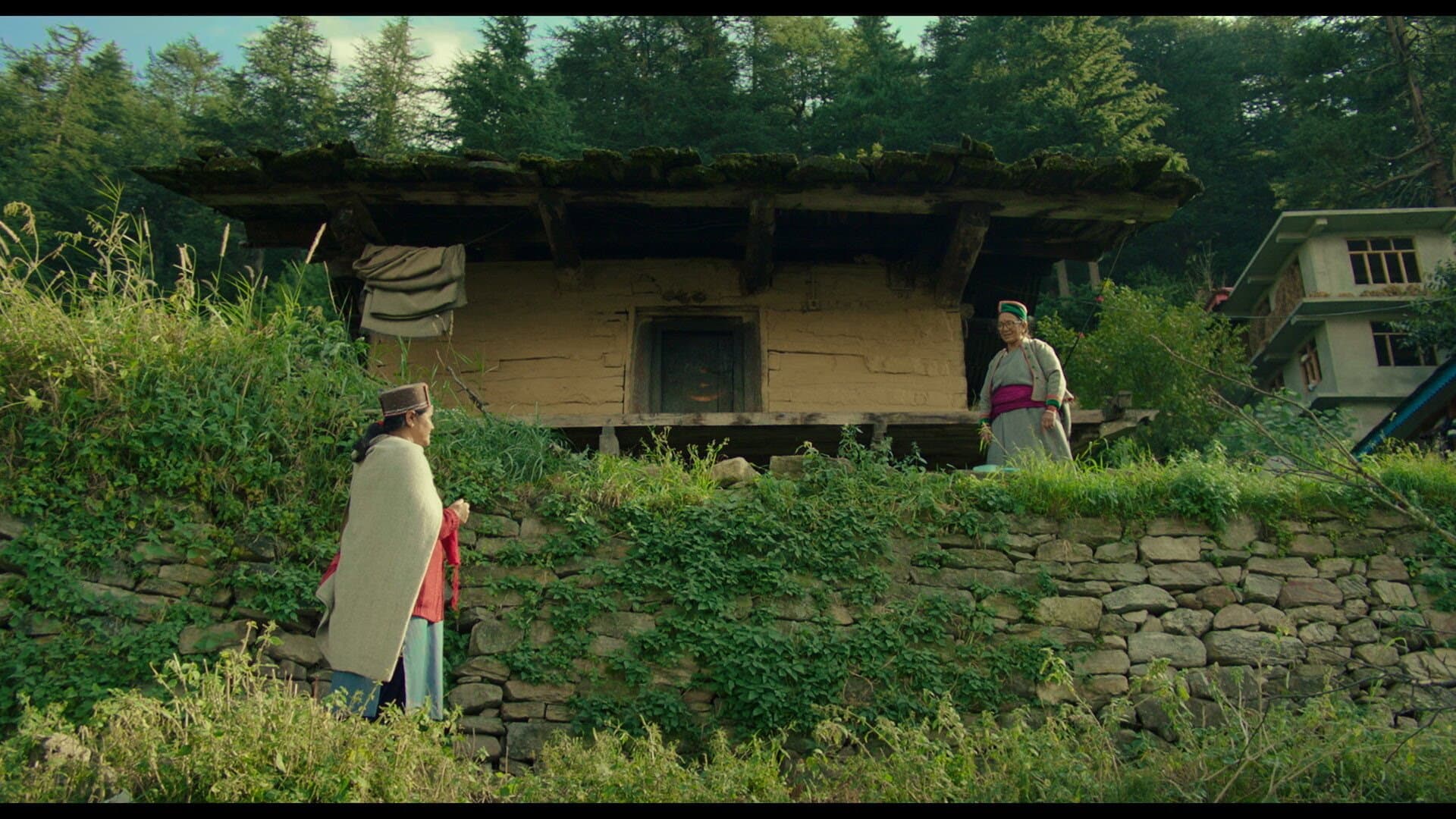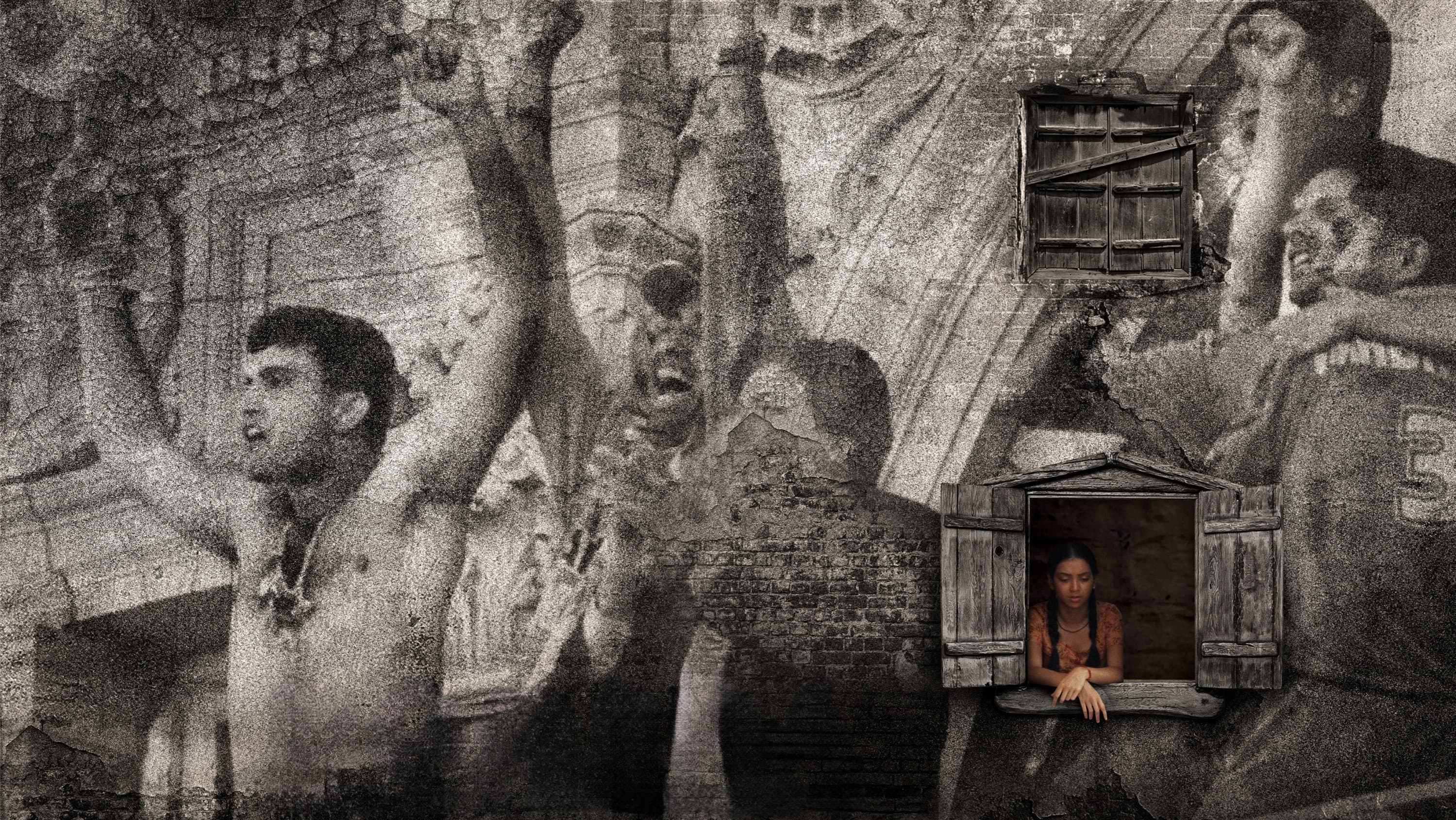
The 2002 NatWest Final occupies a permanent place in Indian sporting memory - Sourav Ganguly's shirt swirling in the Lord's balcony, Mohammad Kaif and Yuvraj Singh dragging India home from the brink, a generation of fans learning what improbable belief feels like. Now, nearly a quarter-century later, that afternoon becomes the backdrop for a very different kind of story. Doosra, directed by Abhinay Deo, arrives in theatres on October 23, 2026, and it promises to use cricket's most famous comeback as the canvas for something far more intimate.
The film's official synopsis frames it plainly: the 2002 NatWest Final was more than a cricketing victory for India. It was a moment when a nation found its voice, and a young girl found the courage to speak her truth. That single line tells you Deo isn't making a conventional sports film. The match is the setting, not the subject. The subject is a girl - unnamed in the materials released so far - and whatever silence she has been carrying.
Release Date & Where to Watch
Doosra opens theatrically in India on Friday, October 23, 2026. A big-screen release for a drama of this scale makes sense; period cricket sequences and the roar of a stadium crowd tend to lose something on a phone screen. The film is a Hindi-language Bollywood production, and further platform details for a post-theatrical streaming run have not yet been announced. With a runtime still unconfirmed, expect a lean, focused narrative rather than an epic sprawl. Audiences should keep an eye on official channels for advance booking windows, which typically open a week to ten days before a release of this size.
Cast & Crew
Abhinay Deo directs, and his name carries weight. Deo has moved between thrillers, dark comedies and character-driven dramas with unusual ease, and he has a proven instinct for pulling career-defining performances out of actors. Doosra hands him a period setting, a national touchstone and a deeply personal story - the kind of combination that either soars or collapses, with little middle ground.
The ensemble is led by Plabita Borthakur, whose screen presence has always suggested a performer allergic to easy sentiment. She is joined by Ankur Vikal, a stage and screen actor of formidable range, along with Samidha Guru, Twisha Joshi and Krishna Gokani. It's a cast built for texture rather than marquee wattage - five actors who can hold a close-up and make it count. That choice alone signals where the film's priorities lie.
Story & What to Expect
Here's the smart thing about using the NatWest Final as a frame. That match is one of the few events in Indian life where virtually every adult remembers exactly where they were. Families gathered around television sets. Neighbours crowded into living rooms. Strangers hugged strangers in the street. By anchoring a personal story inside that collective memory, Doosra gets to show its protagonist not in isolation but embedded in a country mid-exhale.
The title itself is a cricket term - the wrong 'un, the ball that turns away when you expect it to come in. Expect that metaphor to do heavy lifting. A "doosra" is a deception, a surprise, a delivery that defies prediction. For a girl finding the courage to speak her truth, the twist may not be in the bowling but in the life around her: what people assumed about her, what she assumed about herself.
Tonally, this looks like a drama with a documentary's eye for period detail and a novelist's interest in inner life. Don't walk in expecting a ball-by-ball reconstruction. Expect instead a story that uses the euphoria of July 13, 2002 - the release, the shouting, the sudden sense that anything was possible - as counterpoint to whatever its young protagonist has been unable to say out loud. If that sounds like it could be sentimental, it's worth remembering Deo rarely takes the obvious route.
Why It's Worth Watching
Three reasons. First, the premise is genuinely fresh: Hindi cinema has mined cricket for underdog glory many times, but rarely has it used a famous victory as the emotional soundtrack to a coming-of-age reckoning rather than the main event. Second, the cast. Plabita Borthakur deserves a role with this much interiority, and watching Ankur Vikal work opposite her should be reason enough to buy a ticket. Third, timing. A film about finding your voice, releasing in the same season as the original match's anniversary, has an obvious resonance - the kind that feels designed for a shared theatrical experience.
Doosra isn't selling spectacle. It's selling recognition: the moment a person stops being who everyone expected and starts being who they are. If it lands, it won't just be a good cricket movie. It will be a good film, full stop.