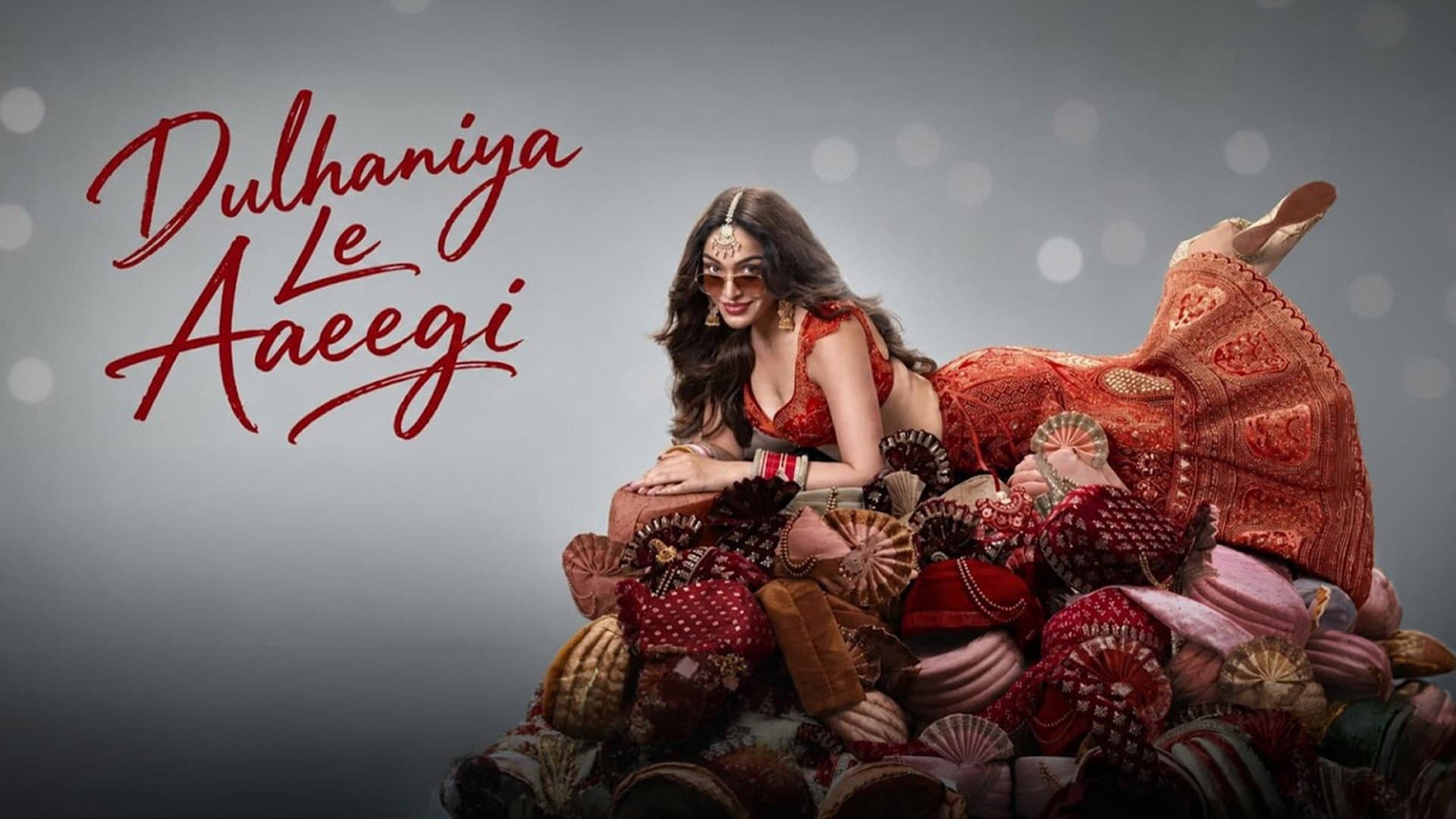
The wedding mandap is traditionally a space for sacred vows and tearful partings, but in Akashaditya Lama’s new family entertainer Dulhaniya Le Aaeegi, it becomes a battleground of modern egos and buried secrets. Releasing on July 24, 2026, this 127-minute comedy-drama takes the classic North Indian wedding extravaganza and turns it on its head, delivering a narrative that feels less like a predictable shaadi saga and more like a contemporary swayamvar where the bride isn't the only one choosing.
At the center of this chaotic celebration is Navya, played with sparkling charm by Khushali Kumar. As the only daughter of Devi Prasad - a powerful businessman brought to life with stentorian gravitas by Mahesh Manjrekar - Navya is accustomed to grandeur. Her father has orchestrated the wedding of the season, a lavish affair meant to cement his empire and fulfill his paternal duties. But as Kumar explains, the film's core conflict lies in the collision between tradition and a woman's autonomy. “Navya is not a damsel waiting to be rescued,” Kumar says. “She is the anchor of the story, but she is also the storm. When the celebration begins to unravel, she discovers that the grandest gestures often hide the smallest insecurities.” Kumar’s performance reportedly balances the fragility of a daughter trying to please a titan of industry with the steeliness of a modern woman who refuses to be a pawn in a transactional alliance.
The “unexpected twists” promised in the film’s premise arrive with the force of a monsoon downpour on a baraat. While the specifics are tightly under wraps, sources close to the production hint that a case of mistaken identity, a jilted ex, and a business rivalry that predates the couple’s birth converge on the wedding day. This is where the considerable talents of Piyush Mishra and Omkar Kapoor come into play. Mishra, a scene-stealer known for his poetic gravitas, portrays a character whose arrival throws the family into a tizzy. He brings a sense of wry, knowing chaos to the proceedings. “Every wedding has that one relative who speaks the truth nobody wants to hear,” Mishra says. “In this film, I am that truth, and I have arrived dressed in silk and carrying a grudge that is ten years old. The fun begins when the masks come off.”
Kapoor, who plays the groom, faces the unenviable task of being the man caught between his future father-in-law’s overbearing nature and his bride’s growing suspicion. The actor, who has previously dabbled in romantic comedies, here explores the pressure of masculinity within a patriarchal setup. “My character wants the fairy tale, but he has no idea what the contract actually says,” Kapoor teases. “Ego is a fragile thing, and when you put it under the heat of wedding lights, it melts very quickly.” The interplay between Manjrekar’s Devi Prasad and Kapoor’s groom is described as a chess match played out over dinner courses, where every toast is a veiled threat and every smile is a negotiation.
Director Akashaditya Lama, known for his crisp handling of ensemble casts, uses the wedding genre as a canvas for social commentary. In a landscape dominated by action spectacles and VFX-heavy blockbusters, Dulhaniya Le Aaeegi is a deliberate throwback to the family dramas of the early 2000s, yet it injects a distinctly modern dilemma regarding consent, legacy, and the transactional nature of high-society marriages. Lama’s direction apparently ensures that the comedy never undercuts the emotional stakes. The physical comedy involving a harried wedding planner (played by Snehill Dixit Mehra) provides the manic energy, but Lama grounds the film in the quiet moments between father and daughter.
Mehra’s role as the on-ground coordinator is the film's secret weapon. As the mandap begins to resemble a horse-trading floor, his character is the one frantically trying to maintain the illusion of a perfect day. His interactions with the volatile Devi Prasad provide some of the film's biggest laughs, but they also highlight the absurdity of the high-stakes environment. “Everyone is celebrating, but my character is just trying to stop the building from burning down - figuratively and sometimes literally,” Mehra says with a laugh. “It is a pressure cooker of drama, and I am the whistle.”
For Mahesh Manjrekar, the role of Devi Prasad is a return to the genre of family patriarchs he does so well. He is not a cartoon villain, but rather a man whose love is expressed through control. The film reportedly asks a difficult question: Is keeping your daughter close an act of protection, or an act of possession? Manjrekar’s performance is said to evolve from terrifying to deeply human, ensuring that the audience understands his motives even when they disagree with his methods.
Despite its lighthearted trailer moments, Dulhaniya Le Aaeegi does not shy away from emotional heft. The runtime is tight, ensuring the story moves at a clip faster than a saat phere. The music, an essential component of any Bollywood family film, is integrated into the narrative, with songs that advance the emotional plot rather than stopping it dead in its tracks.
With a release date set for the end of July, the film is positioning itself as a perfect family outing during the rainy season. In a year where audiences are craving original stories over sequels, the film’s premise of a “modern-day swayamvar” is a timely one. It asks whether agency can coexist with heritage, and whether love can survive when accountants are checking the balance sheets. Kumar sums it up best: “It is a film about taking a deep breath before you say ‘I do.’ Because sometimes, the biggest risk you can take is not the wedding itself, but the person standing next to you at the altar.” As the confetti settles, Dulhaniya Le Aaeegi promises a viewing experience that is as chaotic, loud, and ultimately loving as the institution it celebrates.