Advertisement
160×600
Left Ad
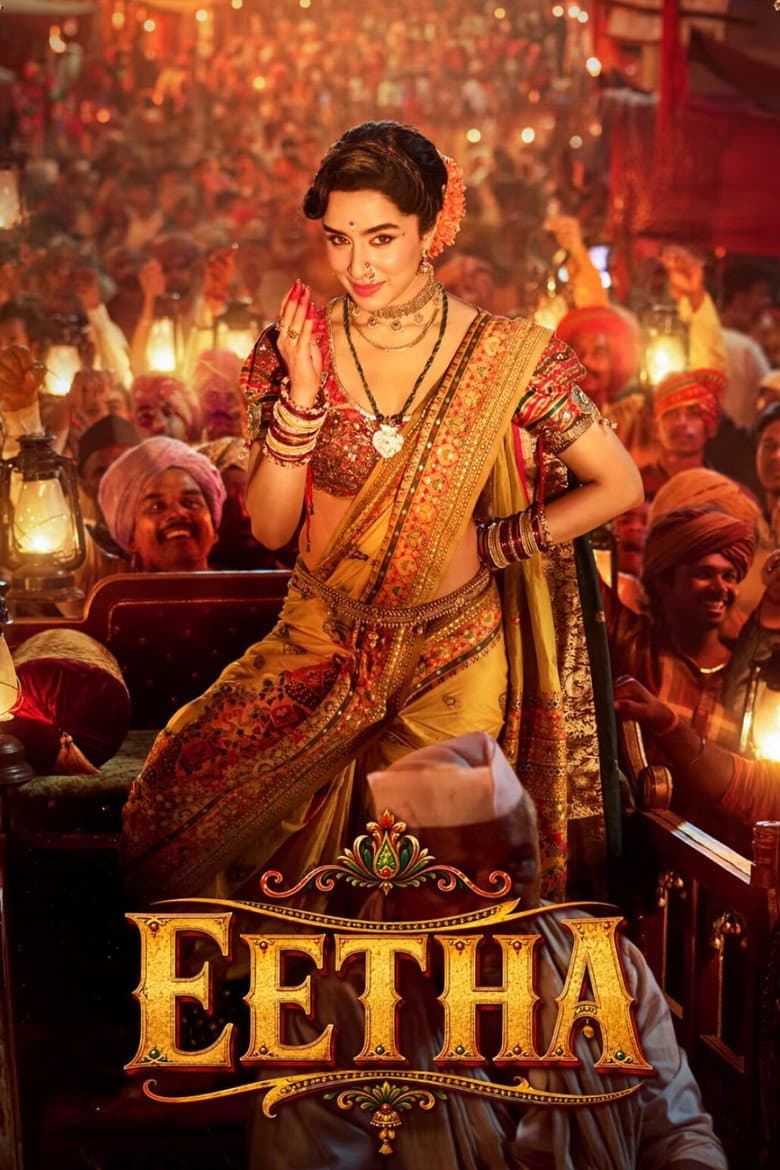
Eetha Movie Preview: Release Date, Cast & Early Review
Get an early look at Eetha, the upcoming film. Discover plot details, cast, release date, and first impressions in our comprehensive preview.
Director
Laxman Utekar
Language
HI
Release
2026-08-28
Get an early look at Eetha, the upcoming film. Discover plot details, cast, release date, and first impressions in our comprehensive preview.
The Marathi folk theatre tradition of Tamasha and Lavani has long been a vibrant, pulsating heartbeat of Maharashtra’s cultural identity - but its most iconic female voice, Vithabai Narayangaonkar, has never received the big-screen treatment she deserves. That changes this August with “Eetha,” a biographical drama directed by Laxman Utekar and led by Shraddha Kapoor in what promises to be a career-defining performance. With the release just a month away, anticipation is building for a film that aims not only to entertain but to immortalize a woman who defied every social barrier to become a legend. Here’s everything you need to know before the curtains rise.
Release Date & Where to Watch
Mark your calendars: “Eetha” hits theaters on August 28, 2026. That’s a late-summer weekend release, typically a strong window for prestige biopics aimed at family audiences and festival-season buzz. As of now, no streaming platform has been announced - this is a pure theatrical rollout in the traditional Hindi film market, with dubbed versions expected in Marathi and possibly other regional languages given the subject’s deep roots in Maharashtra. Given the director’s track record (Utekar previously helmed the critically acclaimed “Mimi”), expect a wide release across major multiplex chains in India, as well as select overseas markets catering to the diaspora. If you want to catch Shraddha Kapoor channeling the spirit of a Tamasha queen, you’ll need to head to your local cinema - no OTP premiere dates have been whispered yet.
Cast & Crew
At the helm is Laxman Utekar, a director who knows how to blend commercial appeal with emotional heft. His last film, “Zara Hatke Zara Bachke,” was a surprise hit; here he pivots to period drama with an earthy, musical soul. The screenplay is co-written by Utekar and Rohan Gurbaxani, drawing from extensive research into Narayangaonkar’s life.
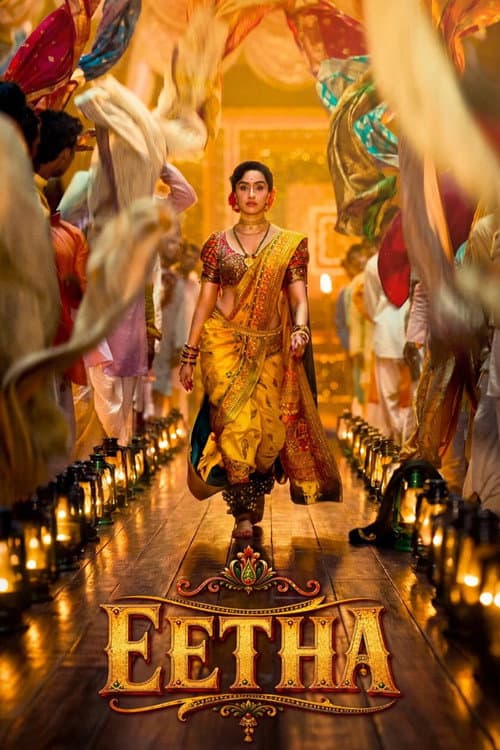
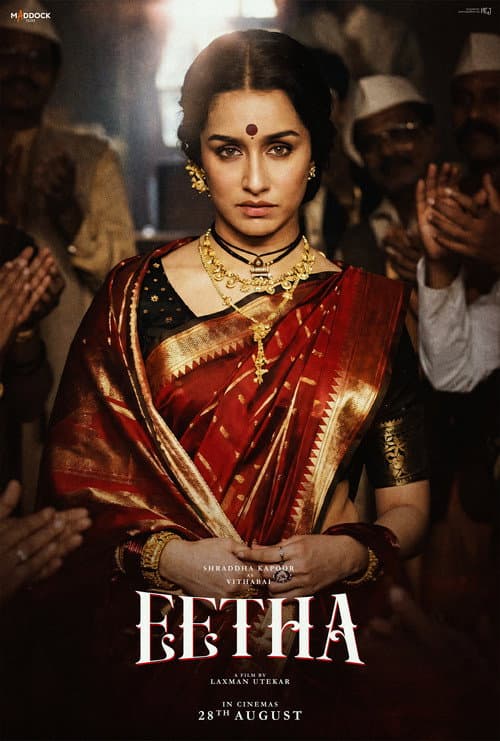
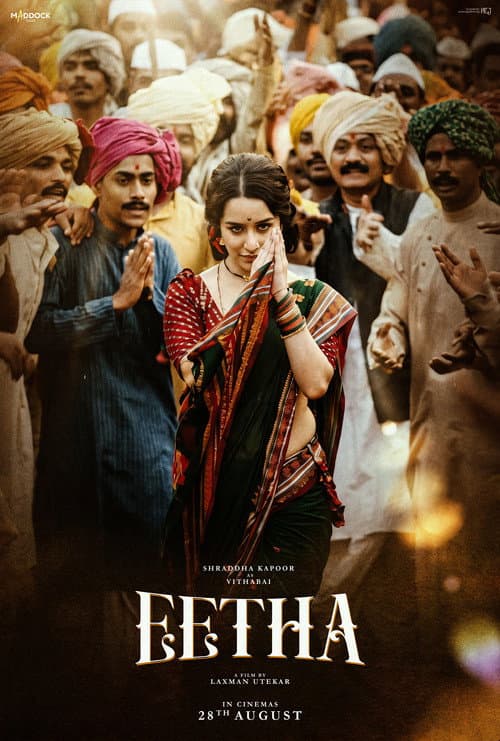
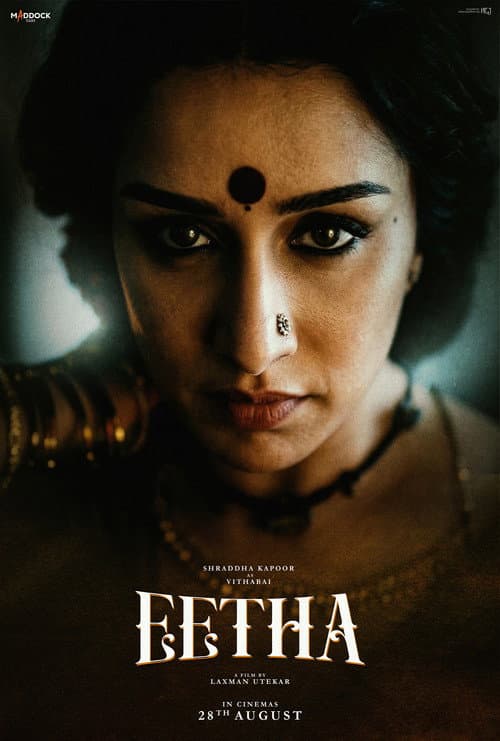
The cast is a powerhouse ensemble. Shraddha Kapoor steps into the role of Vithabai Bhau Mang Narayangaonkar - a part that demands both fierce physicality and nuanced vulnerability. Kapoor has trained extensively in Lavani dance and Marathi dialect for months; early set leaks show her transformed, clad in nine-yard sarees, her posture carrying the weight of a woman who performed for maharajas and commoners alike.
Randeep Hooda plays a pivotal supporting role (details under wraps, but speculation points to a mentor or rival figure), while Mohammed Zeeshan Ayyub and Siddharth Jadhav bring complementary shades of wit and gravitas. Anant Joshi and Ulka Gupta round out the younger generation of the cast, and the formidable Nana Patekar reportedly appears in a cameo as a stage patriarch or influential patron. With such depth, every frame promises layered performances.
Story & What to Expect
The film traces the arc of Vithabai Narayangaonkar - born into a nomadic kolhati community, she rose from utter obscurity to become the queen of Tamasha in mid-20th-century Maharashtra. Tamasha, often dismissed by purists as lowbrow entertainment, was her canvas. She refashioned it into an art form that commanded respect, blending traditional Lavani rhythms with sharp social commentary. The overview given by the filmmakers reads: “Vithabai Narayangaonkar, a renowned Marathi Tamasha and Lavani performer, rises from humble beginnings to become one of Maharashtra’s most celebrated folk theatre artists.”
Expect the narrative to follow a classic biopic structure - early hardship, a transformative break, personal sacrifices, and eventual triumph - but with Utekar’s signature style: raw emotion tempered with moments of lightheartedness. The music, composed by Ajay-Atul, will be a crucial character in itself, reviving Lavani numbers that rocked village squares. Don’t be surprised if the film leans into the gritty backstage politics of rural theatre, the struggle for artistic freedom, and Vithabai’s defiance against caste and gender norms. There’s no runtime listed yet, but given the scope, a two-and-a-half-hour runtime seems likely.
Why It’s Worth Watching
First, the sheer cultural restoration. Vithabai Narayangaonkar is a name that resonates deeply in Maharashtra but remains obscure to pan-Indian audiences. This film could be a corrective - a chance to appreciate a folk tradition that Bollywood has too often caricatured. The producers have reportedly consulted with Narayangaonkar’s surviving family and folklorists, so authenticity is a priority.
Second, Shraddha Kapoor’s transformation. She has always had the dance chops, but here she’s pushing into territory that demands raw acting - no gloss, no glamour. Early word from test screenings suggests a performance that could land her in the awards conversation. The supporting cast, from Hooda’s intensity to Patekar’s gravitas, guarantees no weak links.
Third, the emotional payoff. Biopics about unsung artists often deliver the strongest catharsis because they remind us that greatness can bloom anywhere. “Eetha” is not just a story of one woman - it’s a testament to every performer who ever danced against the odds. For fans of layered drama, regional musical heritage, or simply a well-told human story, this is the one to watch on August 28. Lock in your tickets.
Gallery
Related Reviews
Advertisement
160×600
Right Ad