Four strangers, one city, and a night that refuses to end quietly - that is the world Anuparna Roy builds in "Lovers in the Blue Night", which slipped into theatres on September 11 with little fanfare and has been gathering whispered word-of-mouth ever since. Set against the margins of Mumbai, the film follows a gay husband, his wife who works in a bar, a thief, and a pimp, four lives that have no business touching but somehow keep colliding around love, survival, and longing. It runs a tight 107 minutes, and not a single one of them feels wasted.
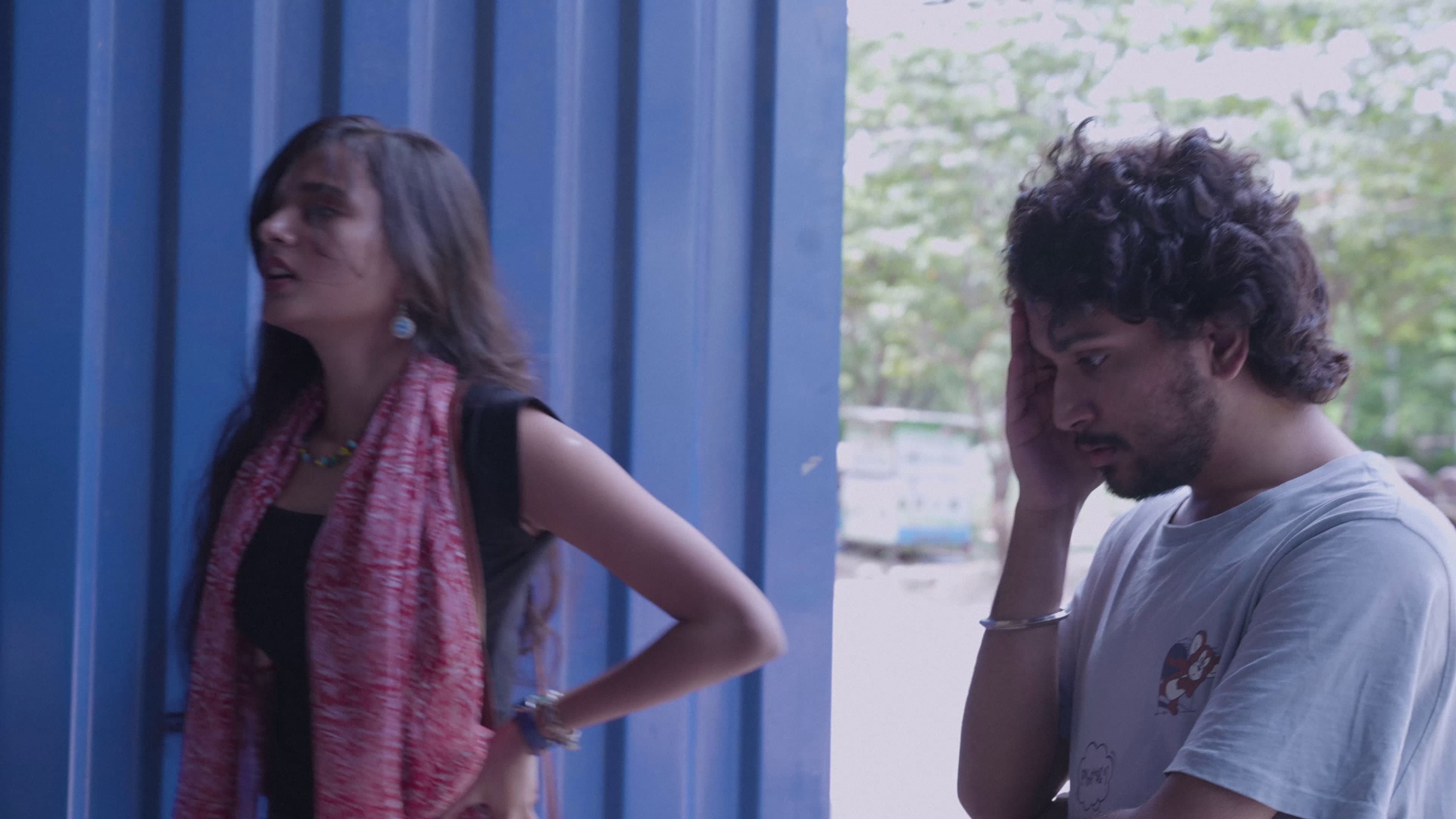
Roy, directing her most assured feature yet, has assembled a cast that understands exactly what kind of film they are in. Neelima Sharma, Pritam Pilania, Bhusan Shimpi, Jatin Sarin, Kajal Keshav, and Vinod Suryavanshi form an ensemble with no obvious lead and no weak link. This is an actors' film in the truest sense - the kind where the silences between lines carry as much weight as the dialogue itself. Sharma, in particular, does something remarkable with a character who could easily have been written as a victim and instead becomes the film's quiet centre of gravity.
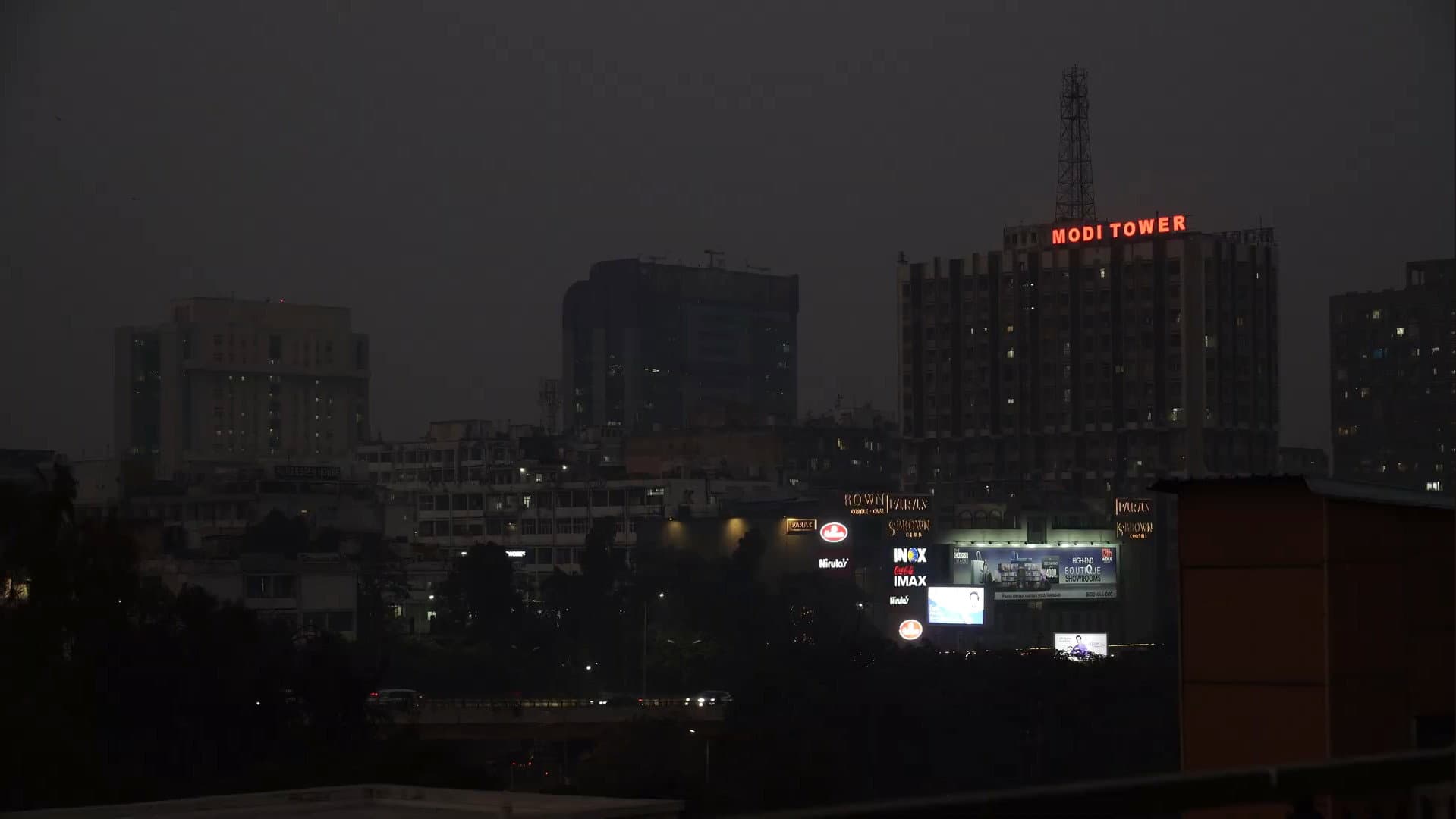
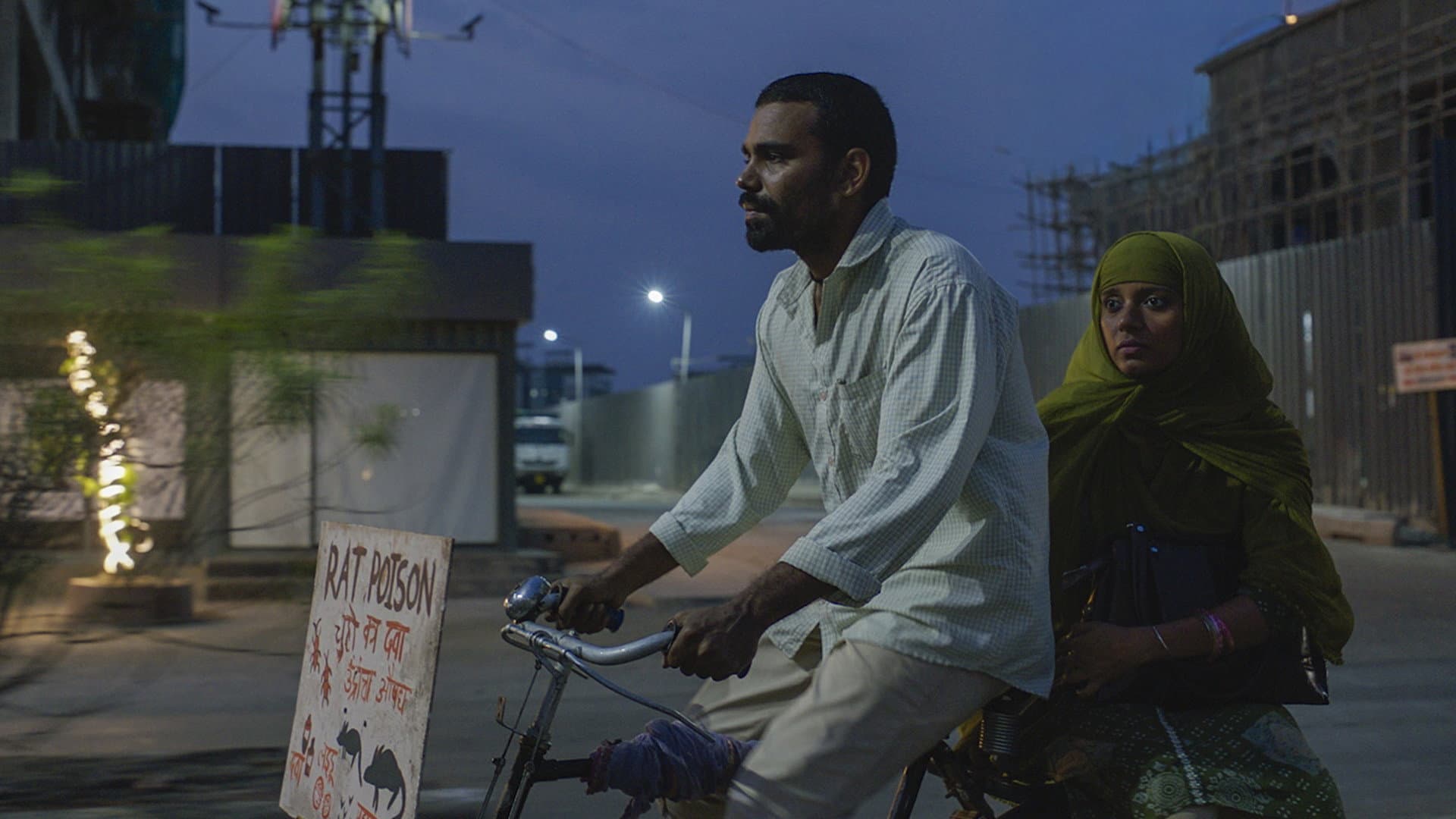
The premise is deceptively simple. A husband living a double life. A wife pouring drinks for strangers while her own marriage slowly empties out. A thief who takes what he can and gives nothing back. A pimp who has convinced himself he is a businessman. Roy places these four in a Mumbai that exists far from the sea-facing high-rises of Bollywood fantasy - a city of cramped rooms, neon signs flickering over wet streets, and the constant, low hum of people trying not to drown. It is a romance and a drama, but it is also something closer to a portrait, patient and unflinching.
What makes "Lovers in the Blue Night" stand apart from the usual Mumbai ensemble piece is its refusal to moralise. The gay husband is not a tragedy to be pitied, nor is the thief a villain to be punished. Roy writes them as people making choices, some of them terrible, all of them understandable. The film's emotional power comes from that honesty, and from the way its four storylines braid together without ever feeling engineered. By the final act, you realise the convergence was inevitable - not because the plot demands it, but because loneliness in a city this large has a way of forcing people into each other's orbit.
Technically, the film is modest but precise. The cinematography favours close frames and natural light, the better to keep us locked on faces. The sound design leans on ambient noise - traffic, distant music, the clink of glassware - rather than a swelling score, which makes the few moments of silence land like a held breath. If there is a criticism to be made, it is that the pacing in the second act occasionally meanders, but even those detours add texture to a world that feels lived in rather than designed.
There is no rating yet on TMDb for the film, sitting at 0/10 with too few votes to mean anything, which tells you more about its release strategy than its quality. This is not a film that arrived with a marketing blitz. It opened quietly, in limited screens, and has been building its reputation one conversation at a time - the way genuinely interesting Hindi cinema often does. That it exists alongside the year's bigger Bollywood releases without trying to imitate them is part of its charm.
What Roy has made, ultimately, is a love letter to people the movies usually ignore. A wife who keeps showing up. A husband who cannot stop lying. A thief who wants something he cannot steal. A pimp who mistakes control for affection. None of them are heroes. All of them are human. And in the blue-lit night of Mumbai's margins, that turns out to be enough to hold our attention for every one of those 107 minutes.
If you are tired of films that explain themselves, "Lovers in the Blue Night" will not hold your hand. It will simply sit beside you in the dark, and trust you to feel your way through. That is rarer than it should be, and worth the trip to the theatre.