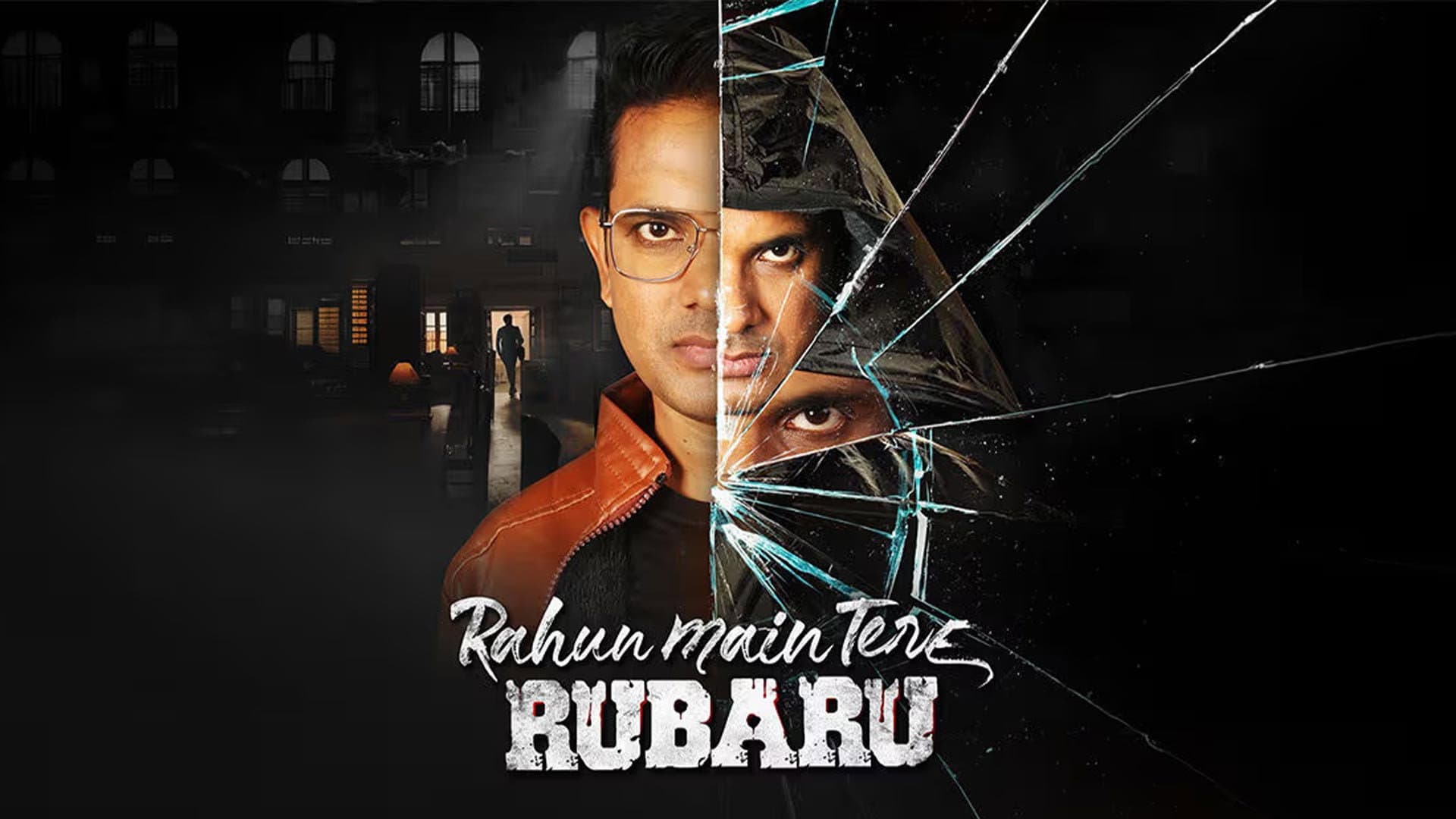
The monsoon of 2026 has come and gone, but a certain Hindi thriller is still refusing to leave the conversation. "Rahun Main Tere Rubaru," which hit screens on July 17, arrived with little of the fanfare that usually accompanies a mid-year Bollywood release. No deafening promotional blitz. No carefully choreographed social media rollout. Just a taut little premise and a cast of actors who, for the most part, audiences are still getting to know. Six weeks later, the film has quietly become one of the more discussed titles of the season - not because of its box office, but because of what it attempts within the crowded thriller space.
Directed by Inder Das, the film runs a lean 119 minutes and wastes almost none of them. The setup is deceptively simple: a vlogger's dream getaway turns into a deadly fight for survival when he is framed for murder and races against time to save his kidnapped girlfriend. That logline promises two things - paranoia and momentum - and Das delivers both with a restraint that feels almost old-fashioned in an era of hyper-edited action. This is a thriller that trusts silence, shadows, and the sound of footsteps more than it trusts a swelling score.
Aarya Kumar anchors the film as the vlogger at the centre of the storm, and it is a performance built on fraying edges. He begins the film with the breezy self-assurance of a man who believes his camera makes him invincible, then gradually sheds that confidence layer by layer. By the third act, what remains is something rawer - a man running on instinct and fear. Neetha Shetty, as the girlfriend whose abduction drives the plot, has less screen time than one might expect, but she makes it count. Her scenes carry a quiet defiance that keeps her from becoming a mere plot device, which is more than most films in this genre manage.
The supporting cast - Sandeep Bose, Nilofar Gesawat, Peehu Biswas, and Lokesh Kumar Aggarwal - fills out a world that feels appropriately small and claustrophobic. This is not a film interested in sprawling cityscapes or grand conspiracies. It is interested in the way panic narrows a person's vision, and the ensemble understands that assignment well. Bose, in particular, brings an unsettling calm to his scenes that lingers after he leaves the frame.
Where "Rahun Main Tere Rubaru" stumbles is in its middle stretch. The film's central mystery - who framed our protagonist, and why - unfolds with a few too many coincidences, and a subplot involving a local investigation never quite coheres. Das, to his credit, keeps the pacing tight enough that these gaps are easy to overlook in the moment. It is only afterward, dissecting the plot with friends over chai, that the logical seams begin to show. That is both a compliment and a criticism: the film grips you while you are watching it, but it does not entirely withstand scrutiny.
The romance element, meanwhile, is handled with a light touch. This is not a love story that announces itself with grand gestures. It lives in flashbacks, in half-finished phone calls, in the way Kumar's character clutches a photograph as if it were a lifeline. It is enough to justify the title - "Rahun Main Tere Rubaru," which translates roughly to a wish to remain forever in someone's presence - without tipping the film into melodrama.
As for the rating on TMDb, which currently sits at 0/10, it is worth noting that the film has simply not yet accumulated enough audience votes on that platform to register a meaningful score. Early word of mouth has been mixed but passionate, with viewers praising the lead performance and the film's refusal to over-explain. That reticence is rare in mainstream Hindi cinema, and it may well be the reason "Rahun Main Tere Rubaru" finds a second life on streaming in the months ahead.
What the film lacks in polish, it makes up for in conviction. It is the work of a director who understands that a thriller is less about the puzzle and more about the person solving it. Whether that is enough to elevate it beyond cult curiosity remains to be seen. But for now, it is a reminder that Hindi cinema's most interesting work often arrives without warning - and disappears from theatres far too soon.