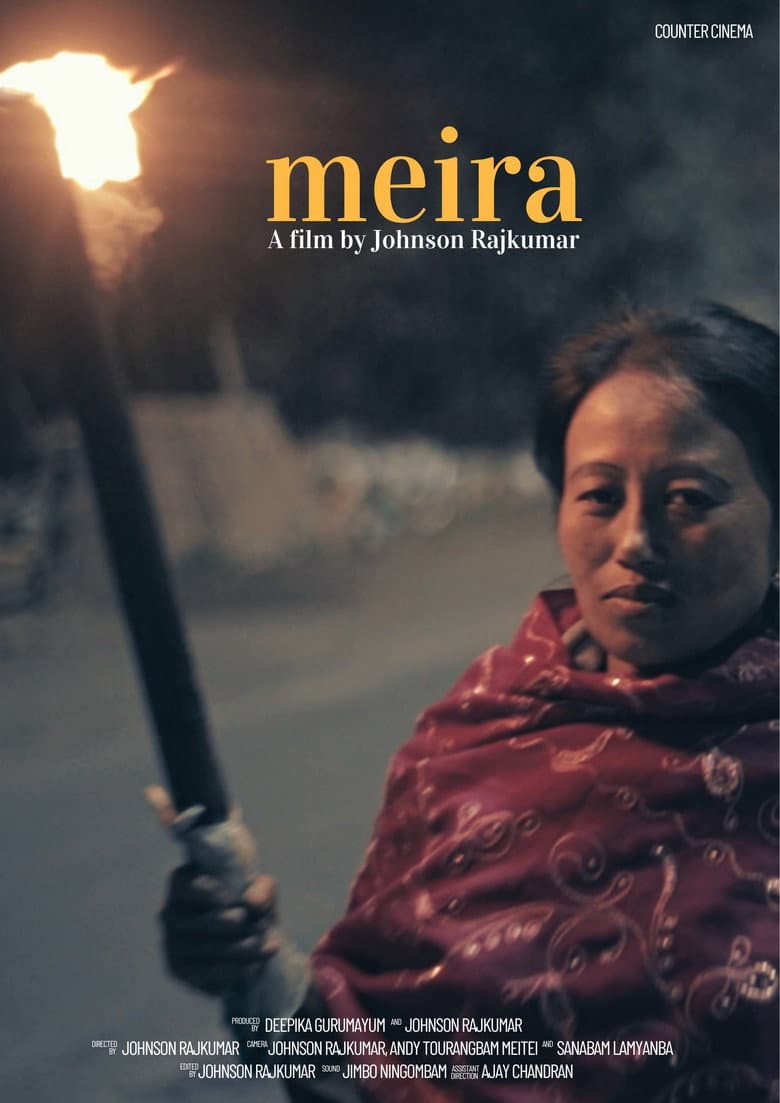
The phrase "women with torches" usually conjures images of angry mobs in period dramas, but in Manipur, it means something far more profound. Meira Paibi - the torch-bearing mothers and sisters who have patrolled the streets of the state for decades - are the beating heart of Johnson Rajkumar's upcoming documentary The Torch. As the film prepares to arrive in theatres this November, it arrives at a moment when conversations about the Armed Forces (Special Powers) Act, or AFSPA, have once again taken centre stage across the country. This is not a flashy Bollywood spectacle, and it doesn't pretend to be one. It is a quiet, insistent record of ordinary women who decided that fear would not dictate the terms of their lives.
Release Date & Where to Watch
The Torch is set to release in Indian theatres on November 6, 2026. Given the documentary's niche subject and the fact that it is a Hindi-language film about events in Manipur, expect a limited screen count and a festival-style rollout. Major multiplex chains in metro cities - Delhi, Mumbai, Bengaluru, Kolkata - are likely to carry it, alongside select single screens. Streaming details have not been announced, but a documentary of this kind usually finds its second life on an OTT platform within a few months of its theatrical run. For now, audiences looking for it will need to keep an eye on their city listings.
Cast & Crew
Johnson Rajkumar directs. He brings a filmmaker's eye to a subject that has been documented by journalists and activists for years, but rarely with this kind of narrative framing. The cast details have not been made public - the film appears to feature real people, real participants in the Meira Paibi movement, rather than professional actors. That choice alone says a great deal about the documentary's intentions. It is not interested in dramatic reconstructions. It is interested in presence, in faces, in the plain truth of women who have stood in the dark with a torch in hand. The production credits beyond the director's name remain under wraps, which is typical for independent documentary work headed for a release of this size. Runtime is also unspecified at this point.
Story & What to Expect
The film foregrounds the historic and continuing resistance of the Meira Paibi, the "women with torches" of Manipur. The title is not metaphorical. These women literally carried torches through their neighbourhoods at night, guarding their communities against the arbitrary arrests, detentions and violence that followed the enforcement of AFSPA, a law that grants sweeping powers to security forces. Emerging in response to that pervasive climate of fear, the movement transformed ordinary women - mothers, wives, shopkeepers - into vigilant custodians of their communities. Rajkumar's film traces that transformation without romanticising it.
What can audiences expect? A documentary in the classic observational mode, likely combining archival footage, talking-head interviews and on-ground sequences. The film situates the Meira Paibi within a longer genealogy of women-led resistance in Manipur, which means it will reach back before 1958 and connect the dots across generations. Expect a patient, deliberate pace. Expect silence as much as speech. This is a film about what women did when the state looked away, and it will ask viewers to sit with that discomfort rather than rush past it. The Hindi-language framing - with narration and interviews presented in Hindi - places this story in a national conversation, not a regional footnote.
Why It's Worth Watching
Bollywood's documentary output tends to be slim, and films about the Northeast even slimmer. The Torch is worth your attention for that reason alone - it exists in a space that is too often ignored by the mainstream. But the more compelling reason is the subject itself. The Meira Paibi are a genuine grassroots phenomenon, a movement built and sustained by women who decided that their communities deserved protection. That story deserves a wider audience than it has had.
There is also the timing. AFSPA remains one of the most debated laws in the country, and a documentary that examines its human cost - not through political speeches but through the quiet, nightly rituals of the women who lived under it - could cut through the noise. Rajkumar is not an established name in mainstream circles, which means this film is unlikely to arrive with a marketing blitz. What it will arrive with is the weight of lived history. Watch it because stories like this rarely make it to the big screen, and when they do, they deserve our attention. One torch passes to the next, and the audience gets to be part of that chain.