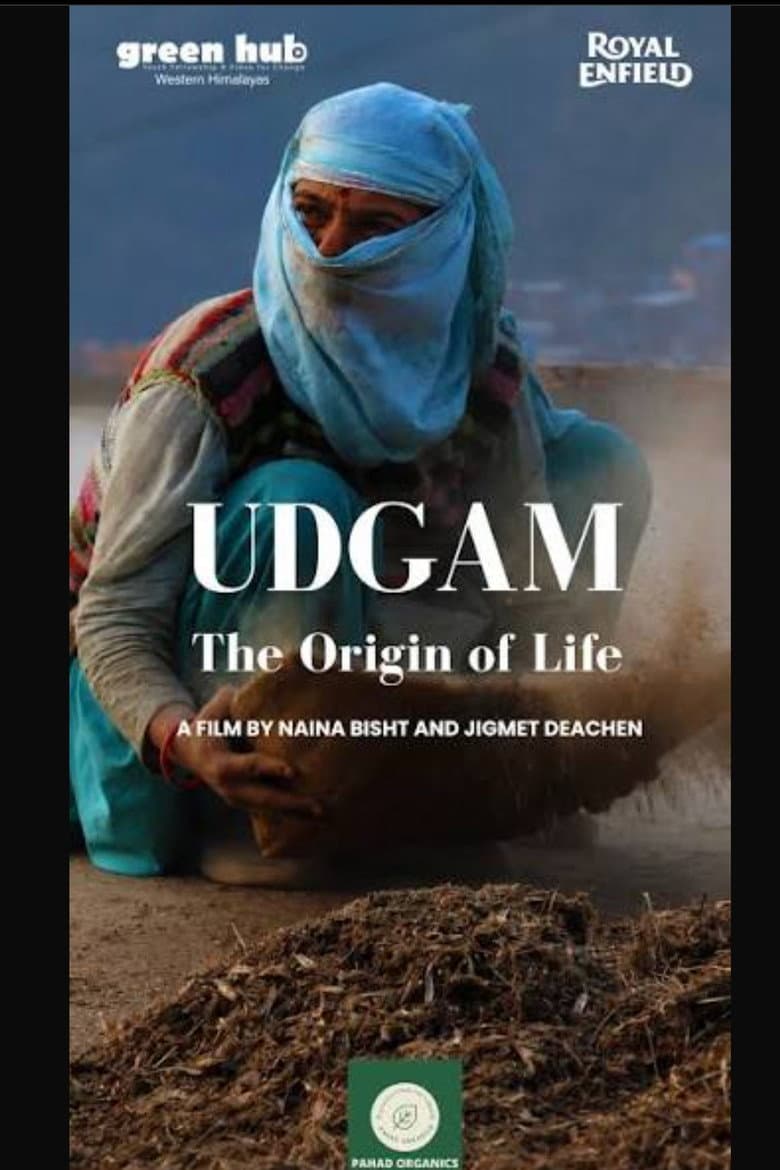
The thirteen-minute documentary is an unusual length for a theatrical release, but then again, Udgam: The Origin of Life is not a film that was ever going to follow the standard Bollywood playbook. Directed by Naina Bisht, the film arrived in cinemas on October 29, 2026, and it has spent the days since quietly planting a question in the minds of anyone who has seen it: what happens to a community when the seeds it plants stop arriving on time?
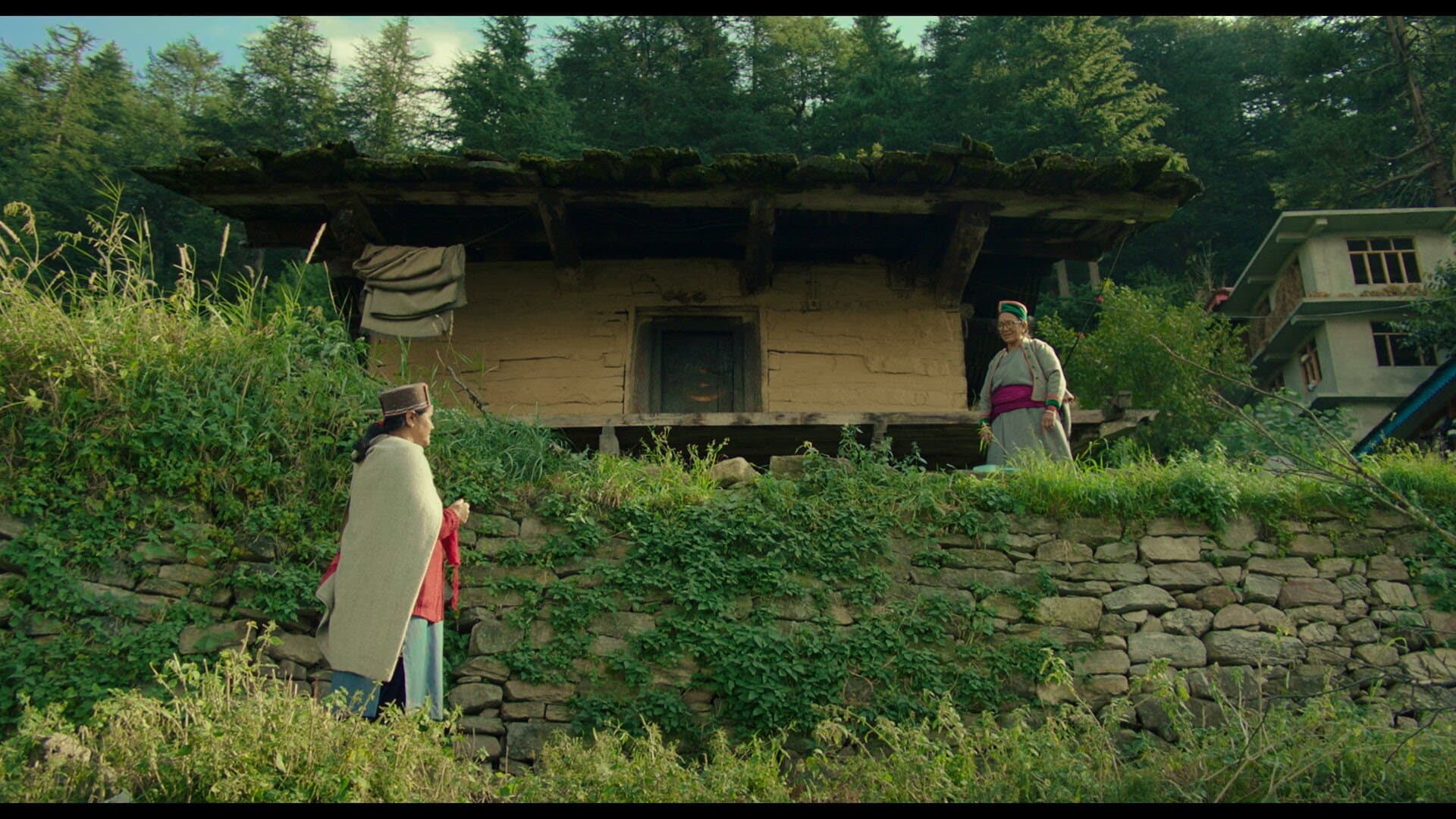
Set in Chamba, a hill district whose agricultural rhythms are dictated by monsoon patterns that grow less predictable with every passing season, Udgam follows Rena, a community worker, and the farmers she works alongside as they preserve indigenous seed varieties and the traditional farming knowledge attached to them. The premise is deceptively simple. But Bisht's camera treats seed conservation not as a hobbyist's pursuit or a nostalgic throwback, but as a working strategy for survival in a region where water scarcity and uncertain rainfall have made conventional farming an increasingly precarious bet.
The film's Hindi-language title translates loosely to "origin," and Bisht leans into that idea from the opening frames. Seeds are shown not merely as agricultural inputs but as living archives - of memory, of taste, of a way of reading the land that has been handed down across generations. The farmers Rena works with are not portrayed as passive victims of a changing climate. They are custodians, and the film is careful to let their expertise speak for itself. Their knowledge of which varieties withstand a delayed monsoon, which hold up in lean years, which can be saved and replanted without losing vigour, is presented as a science with deep roots, and the film makes a persuasive case that losing it would be a cultural loss as much as an ecological one.
What makes Udgam notable within the Hindi film landscape is its form. At thirteen minutes, it occupies a space that mainstream Hindi cinema rarely visits - too substantial to be a mere curiosity, too compact to be mistaken for a conventional feature. Yet it was released in theatres, a decision that signals a certain confidence on the part of its makers that the story can hold a big-screen audience. The documentary genre has been gaining ground in Hindi cinema in recent years, but it remains a niche proposition, and a short-form documentary opening theatrically is still a rarity. Bisht's film, in that sense, is as much an experiment in distribution as it is in storytelling.
The film's cast is credited as unknown, which may sound like an obstacle to engagement but turns out to be part of its texture. The faces on screen belong to people who live the material rather than perform it, and there is a particular kind of authenticity that comes from that. Rena emerges as a steady, unshowy presence - an intermediary between the older generation of farmers who carry the knowledge and the younger one that needs to be persuaded it is worth keeping. The film's emotional current runs through that generational exchange, quiet as a seedbed.
Visually, Udgam reportedly makes strong use of Chamba's landscape - terraced fields, water channels, the specific light of the hills - grounding its arguments about biodiversity in the physical world rather than in abstractions. The film is at its most persuasive when it simply watches: hands sorting seeds, farmers discussing rainfall, the small daily rituals of agricultural care.
Since its release, the film has yet to generate the kind of measurable audience response that would register on aggregator platforms; its TMDb rating currently stands at 0 out of 10, a figure that reflects the scarcity of user votes rather than any verdict on the film itself. What is clear is that Udgam belongs to a growing wave of Hindi documentaries that treat urgent environmental questions not as lecture material but as human stories. In Rena and the farmers of Chamba, Naina Bisht has found a subject that is small in scale and vast in implication - a seed, after all, contains an entire future inside it.