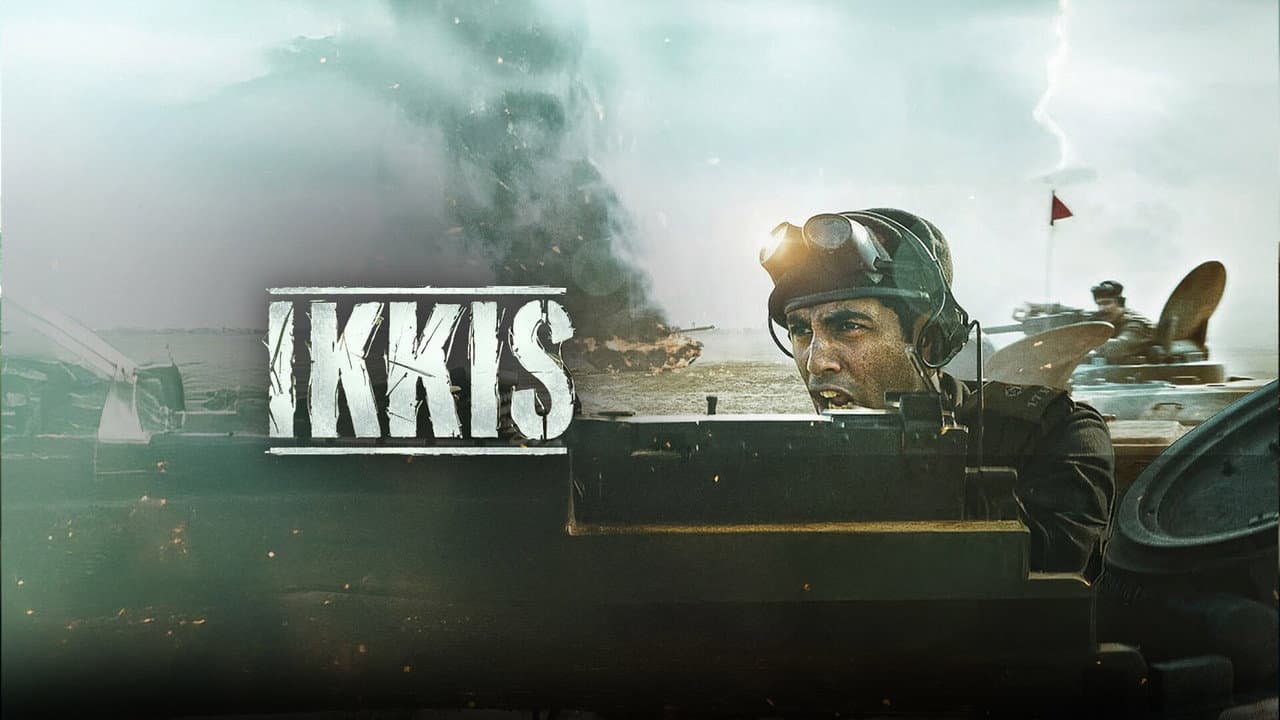
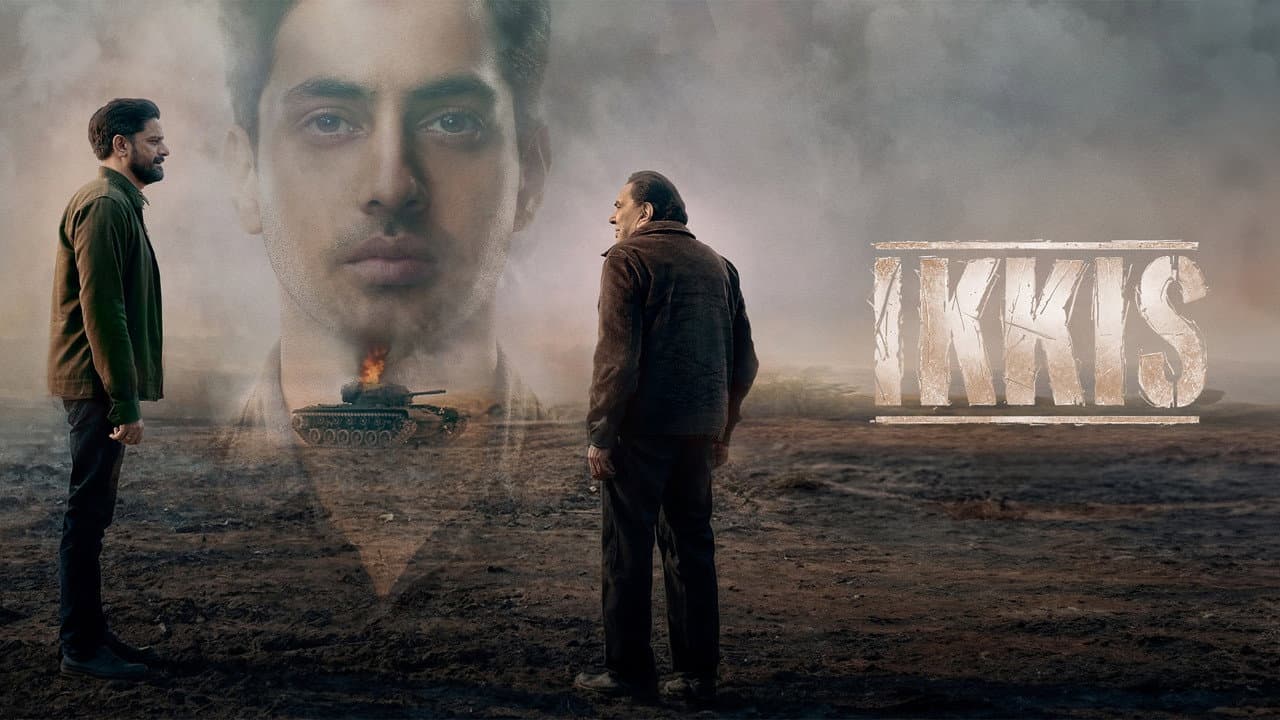
The narrative shuttles between two timelines. In the present (2001), Brigadier Khetarpal (Dharmendra) attends a reunion at his old alma mater, now in Pakistan post-partition. This journey is a pilgrimage of ghost-hugging - he meets his former adversary-turned-friend, Brigadier Jaan Mohammad Khan (Jaideep Ahlawat), and revisits the house where he grew up, now occupied by strangers. In the past (1971), we follow the young Arun Khetarpal (Agastya Nanda) from his mischievous days at the National Defence Academy to his commission into the Poona Horse regiment. The war breaks out, and Arun leads his tank squadron against overwhelming Pakistani armour at the Battle of Basantar, achieving a legendary last-stand that cost him his life. His father’s present-day reflections - intercut with letters, memories, and a heart-wrenching visit to a war cemetery - frame the story not as a victory lap but as a lament.
Advertisement
160×600
Left Ad
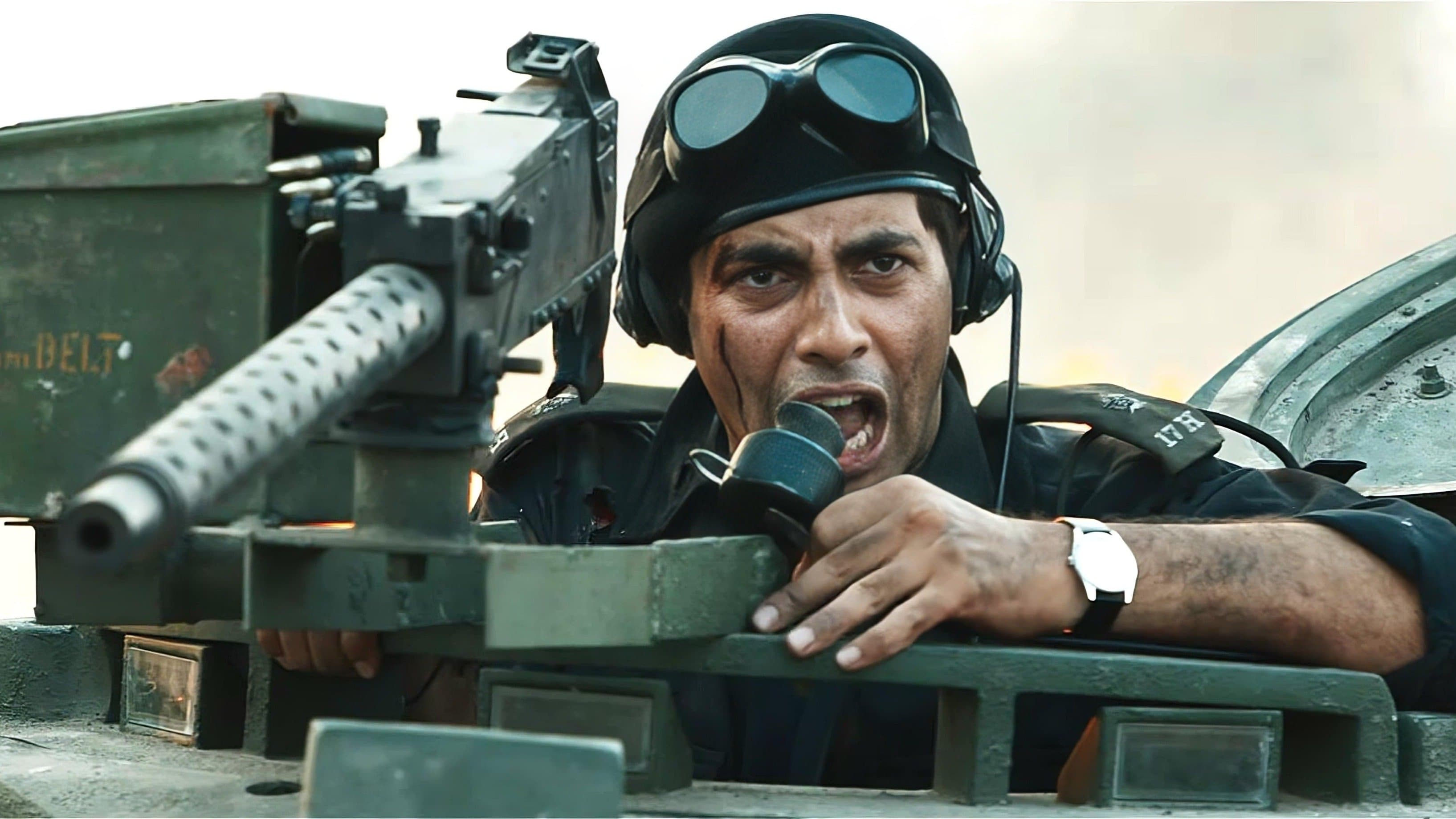
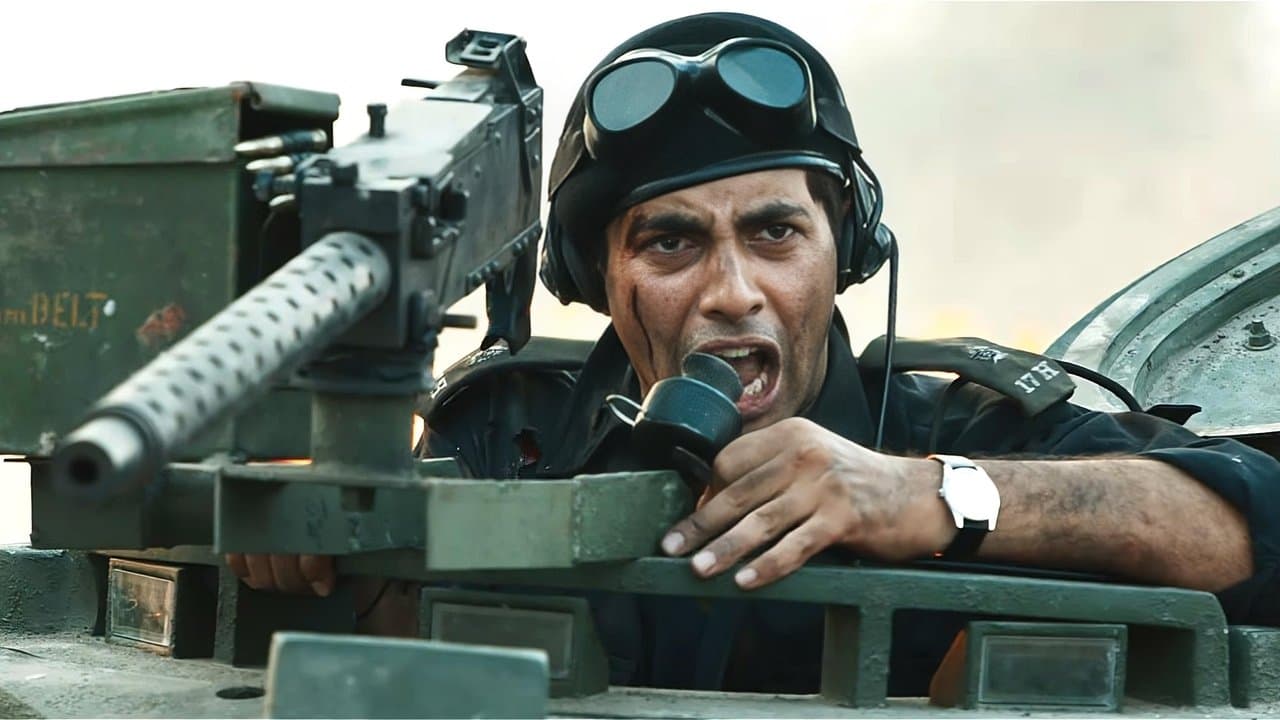
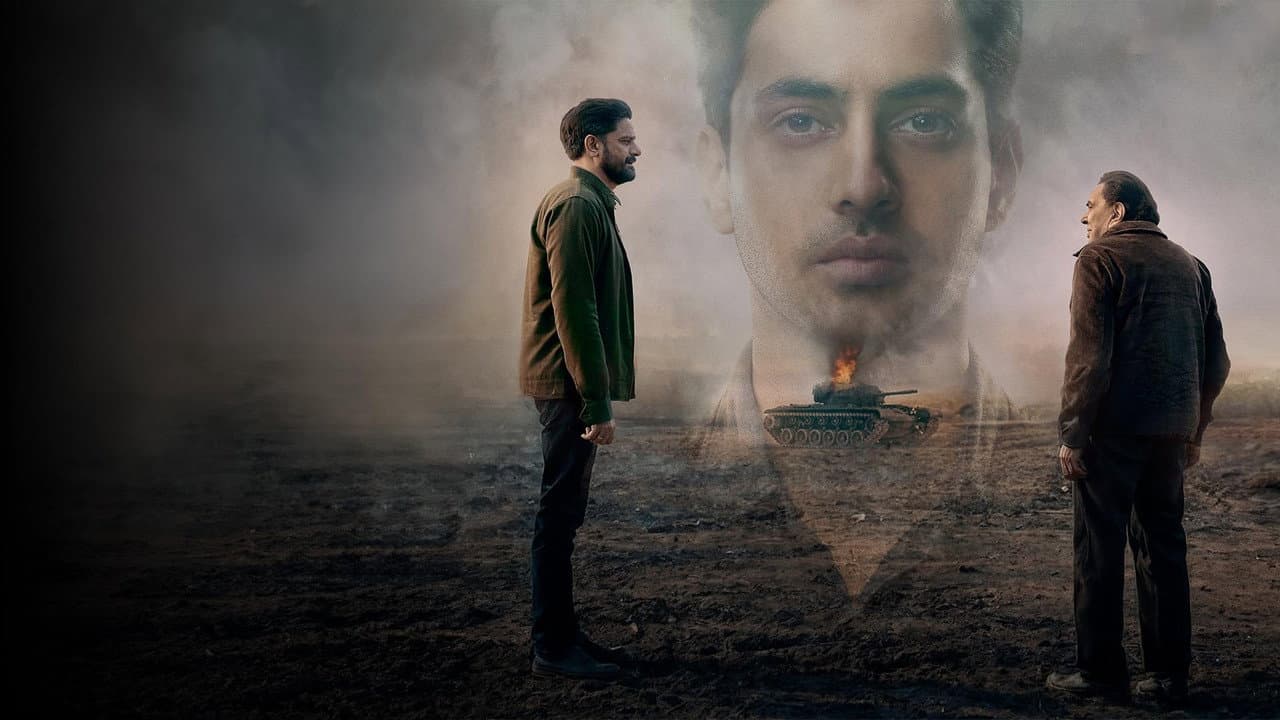
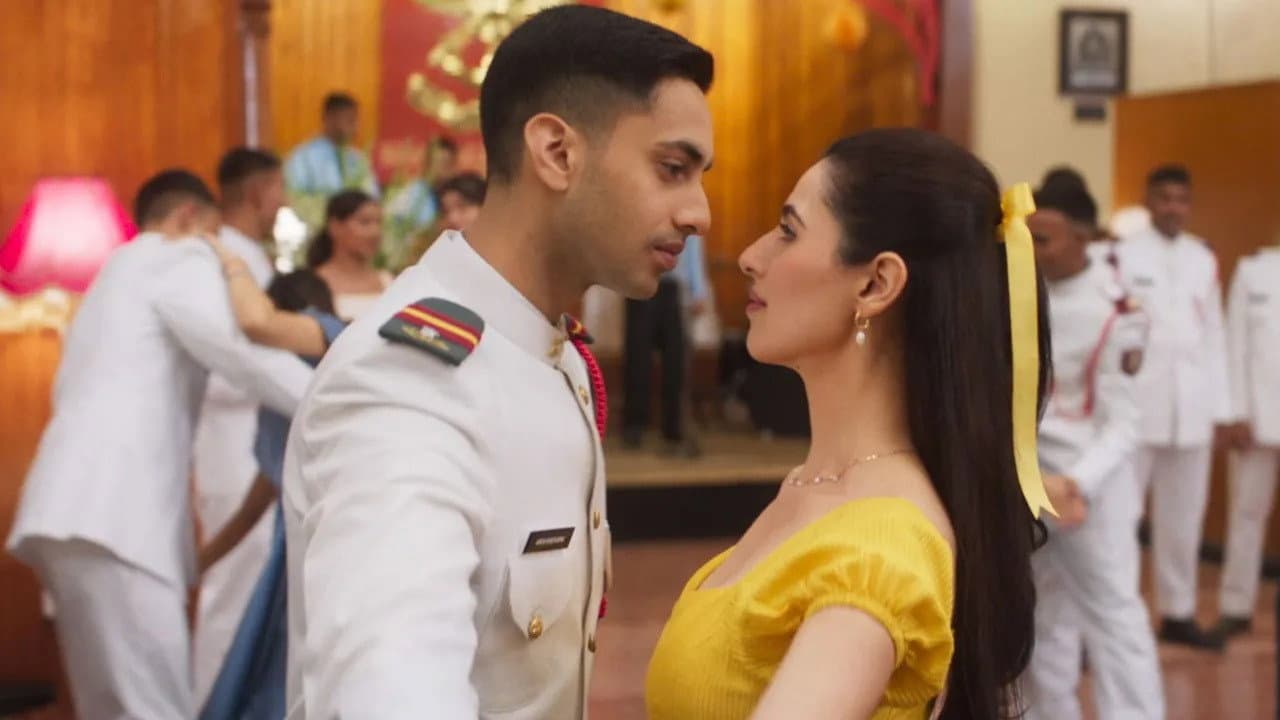
Ikkis (2026) Review: Sriram Raghavan’s Gritty War Drama
Director
Sriram Raghavan
Language
HI
Release
2026-01-01
Runtime
148 min
Quick Verdict
Ikkis is a sombre, beautifully shot character study wrapped inside a conventional war film. It soars when it focuses on the fractured timeline of a grieving father retracing his son’s footsteps, and stumbles when it default to familiar, parade-ground heroics. Agastya Nanda’s earnest breakout performance and Dharmendra’s haunting, subdued turn anchor the film, but a muddled middle act and a rushed emotional landing keep it from greatness. A noble effort with a 6.2/10 TMDb rating that feels about right - worth a watch for the craft, not the spectacle.
Story
Review
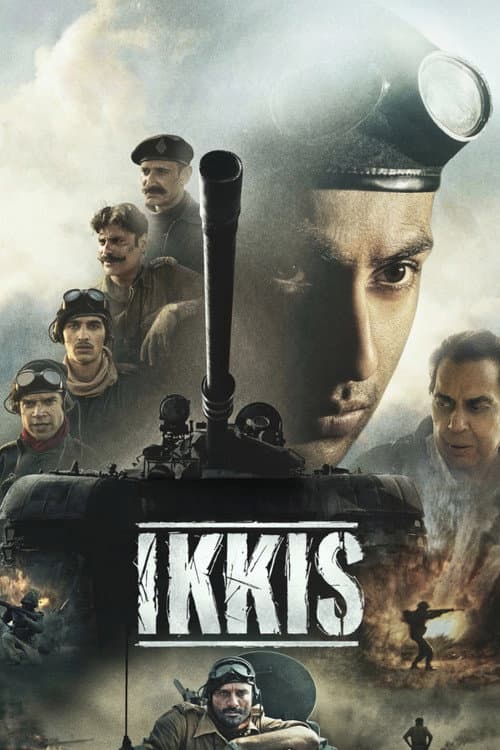
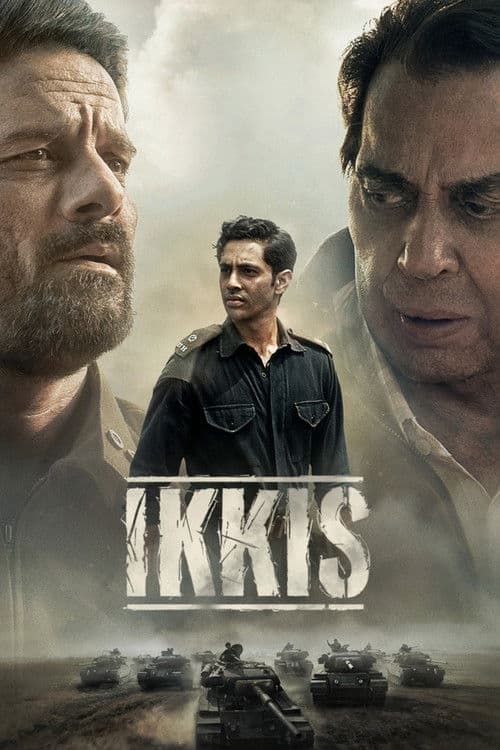
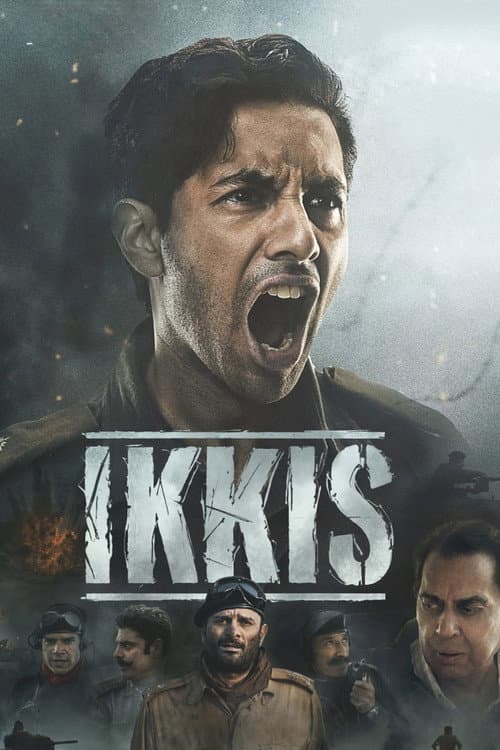
Let’s start with the performances, because that’s where Ikkis truly lives. Agastya Nanda, grandson of Amitabh Bachchan, sheds his debut-film stiffness to deliver a spirited, physically commanding Arun. He captures the boyish bravado - the grin before a tank charge, the arrogance of youth that mistakes courage for invincibility - and then, crucially, the fear that creeps in when the shells start landing. His chemistry with Dharmendra is the film’s secret weapon; their scenes together, brief as they are, carry a warmth that makes the ending hurt. Dharmendra, at 90, gives a masterclass in restraint. His eyes are rheumy, his gait shuffled, but every glance at a faded photograph or a familiar tree speaks volumes. When he meets Ahlawat’s Khan - a Pakistani brigadier who once fought against his son - the dialogue crackles with the tragedy of shared history. Ahlawat, ever reliable, brings a quiet dignity to a role that could have been a caricature of nobility.
Raghavan’s direction is meticulous, but his signature flair for non-linear storytelling works against him here. The war sequences are visceral and technically superb - tank battles filmed with claustrophobic intensity, dust and fire filling the frame - yet they feel like a different movie. The present-day thread, which should be the emotional spine, is given only sporadic attention. We spend nearly forty minutes in the middle of the film on training montages and regimental banter, losing the thread of the father’s melancholic pilgrimage. The script, co-written by Raghavan, seems unsure whether it wants to be Saving Private Ryan or The Father. When it commits to the latter - particularly in a devastating sequence where Dharmendra visits Arun’s classroom, now a girls’ school, and sees a child’s drawing of a tank - the film achieves a profound, quiet power. But then it yanks us back to a battle scene, and the momentum dissipates.
The supporting cast is solid, with Shree Bishnoi as Arun’s reckless but loyal friend and Suhasini Mulay as the mother who receives the worst news a parent can hear. Rahul Dev, as Lt Col Hanut Singh, brings gravitas to the commanding-officer role, but his screen time is too brief. The music, by an uncredited team, is a mixed bag: the war drums are effective, but a romantic subplot with Simar Bhatia’s Kiran - Arun’s girlfriend - feels perfunctory, a concession to commercial demands that undercuts the film’s sombre tone. The screenplay also glosses over the political context of the war, reducing Pakistan to a faceless enemy. The reflective idea - that war’s futility is best measured by the empty chairs at a family dinner - is stated explicitly in a final monologue, yet it lands more as an epilogue than as the film’s thesis.
Pros & Cons
Pros
- Dharmendra’s career-best restrained performance; his grief is palpable without a single melodramatic outburst.
- Agastya Nanda proves he can carry a film; his physicality in tank scenes is believable and gripping.
- The 1971 tank warfare is technically stunning, with sound design that makes you feel every shell impact.
- The Sargodha reunion scenes are deeply moving, especially the chemistry between Dharmendra and Ahlawat.
- Raghavan’s visual palette - muted earth tones for the past, sepia haze for the present - is elegant and purposeful.
Cons
- The narrative structure is jarring; the father’s journey is underserved until the final act, making the emotional payoff feel rushed.
- The romantic subplot is filler, adding nothing to Arun’s character arc or the theme of loss.
- Some war dialogues are clichéd, veering into jingoistic territory that clashes with the film’s introspective ambitions.
- At 148 minutes, the pacing lags in the middle; a tighter edit could have sharpened the contrast between past and present.
Rating Breakdown
Final Verdict
Ikkis is a war film that would rather sit with the widows than cheer with the victors. It’s an admirable, occasionally stunning piece of cinema that fails to fully reconcile its two halves. The battle sequences are thrilling, but the true drama lies in a father’s quiet pilgrimage to a land that was once his home, now a foreign country, carrying the memory of a son who died for a border that still bleeds. Dharmendra’s final scene - standing alone in a field, saluting a flag that no longer belongs to him - is the image that lingers. If Raghavan had trusted that grief more, and trusted his audience’s patience with it, Ikkis could have been a masterpiece. As it stands, it’s a sincere, handsomely made elegy that occasionally mistakes noise for emotion. Stream it for the performances, stay for the last act, and you’ll find a film that honours its subject’s sacrifice, even if it never quite honours its own potential.
Cast

Dharmendra
Brig. Madan Lal Khetarpal
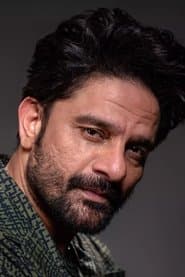
Jaideep Ahlawat
Brig. Jaan Mohammad Khan

Agastya Nanda
2nd Lt Arun Khetarpal

Simar Bhatia
Kiran Kochar
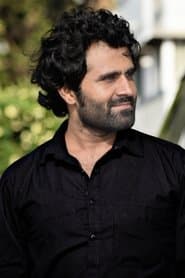
Shree Bishnoi
SWR Parag Singh

Suhasini Mulay
Mrs. Maheshwari Khetarpal

Rahul Dev
Lt Col Hanut Singh

Sikandar Kher
RIS Sagat Singh

Ekavali Khanna
Maryam Nisar

Vivaan Shah
Capt. Vijender Malhotra
Avani Rai
Saba

Saurabh Dubey
Pakistani General
Gallery
Similar Movies


Related Reviews


Advertisement
160×600
Right Ad