The phone call came on a Tuesday afternoon, and by Thursday, I was sitting across from a man who has spent the better part of four decades making us laugh, cry, and occasionally question our own life choices. Abhishek Bachchan, looking remarkably relaxed in a faded denim jacket, was in a philosophical mood. “You know,” he said, stirring his coffee with the deliberate slowness of someone who has learned to savor moments, “I’ve played angry young men, I’ve played charmers, I’ve played superheroes. But Kaalidhar? He’s the first character who made me think about my own mortality. And that’s terrifying and liberating in equal measure.”
The film in question is Kaalidhar Laapata, the sleeper hit of last summer that refuses to leave the cultural conversation. Released on July 4, 2025, and now streaming to a wider audience, this 109-minute gem of a comedy-drama has quietly become one of the most talked-about films of the year. With a TMDb rating of 7.929, it’s not just a critical darling; it’s a word-of-mouth phenomenon. And the journey to its reluctant, ragged-hearted magic is as unexpected as the film itself.
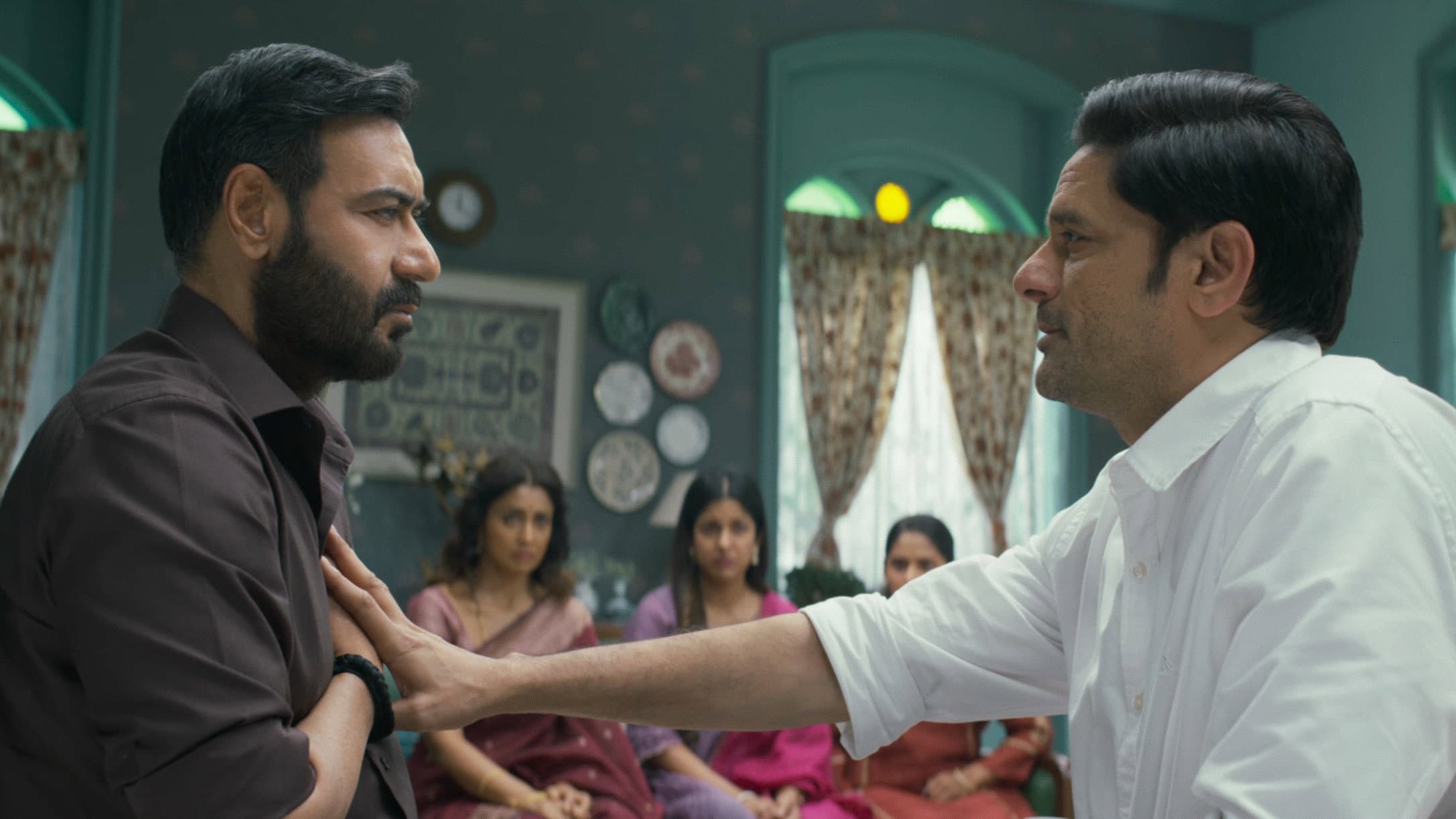
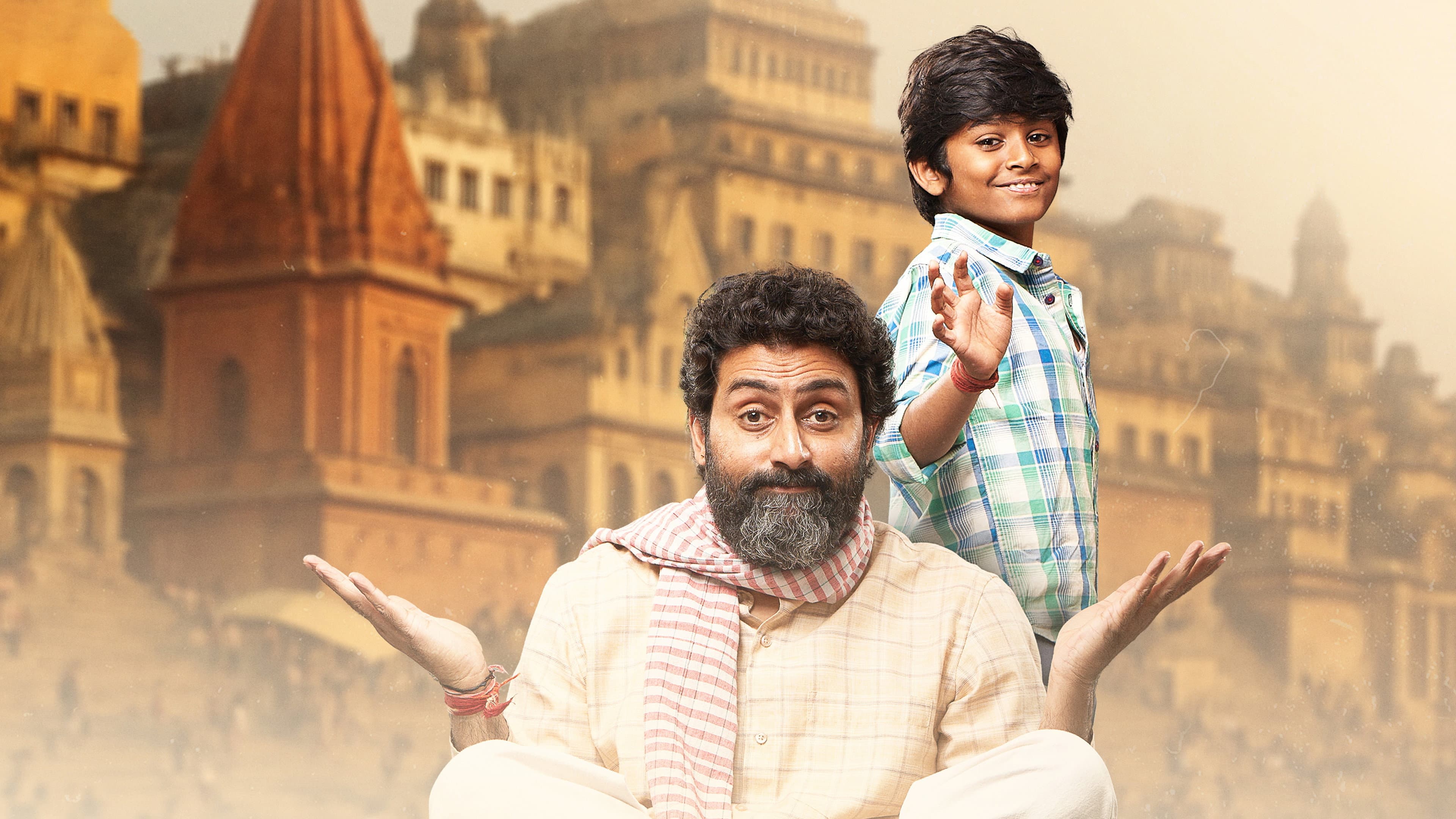
The premise is deceptively simple. Kaalidhar, or KD as his weary family calls him, is an ageing patriarch who overhears a conversation he was never meant to hear. His son Subodh, played with a perfectly calibrated mix of filial duty and exasperation by Mohammed Zeeshan Ayyub, and his daughter-in-law Meera, portrayed with steely compassion by Nimrat Kaur, are discussing the unthinkable: a permanent solution for their father’s increasing dependence. Their plan is to move him to an ashram, a polite euphemism for disposal. But KD, played by Bachchan, is not ready to be disposed of. So, he does the only thing a proud, frightened old man can do. He runs.
He runs straight into Ballu, a free-spirited, gloriously chaotic street kid played by debutant Daivik Baghela. What follows is not a buddy comedy in the conventional sense. It’s a picaresque road trip through the dusty, vibrant heartlands of India, where the unlikely duo tick off the items on KD’s hastily scribbled bucket list. There are no grand heists or chase sequences here. The adventures are smaller, more intimate: eating forbidden street food, riding a rickety bicycle downhill with abandon, learning to shout at the moon. Yet, director Madhumita films these moments with such tender reverence that they feel epic.
“I didn’t want to make a film about an old man being rescued by a child,” Madhumita explains, leaning forward in her chair. Her directorial debut is a confident, unhurried piece of work that announces a major new voice. “That’s a tired, paternalistic trope. I wanted to make a film about two people who are both, in their own ways, invisible to society. KD is invisible because he’s old; Ballu is invisible because he’s poor. They don’t rescue each other. They just... witness each other. And that act of witnessing becomes a lifeline.” That ethos permeates every frame. Baghela’s Ballu isn’t a wisecracking pixie dream child; he’s a survivor with a sharp tongue and a hidden well of vulnerability. The chemistry between him and Bachchan is electric, a push-and-pull of resistance and affection that feels genuinely lived-in.
But the film’s emotional core is a quieter, more devastating one. Subodh and Meera aren’t villains. They’re tired, squeezed by the pressures of modern life, and their decision, while cruel, is heartbreakingly understandable. Ayyub delivers a career-best performance as a man torn between his love for his father and his own crumbling domestic peace. His best scene, a silent one where he watches his father’s empty chair, is a masterclass in restrained grief. Kaur, meanwhile, provides the film’s moral complexity; her Meera is the pragmatic one, but her eyes betray a deep, unresolved guilt.
There’s a moment in the third act that has become legendary among those who’ve seen the film. KD, finally facing the truth of his situation, isn’t angry. He’s just tired. Bachchan delivers a monologue - entirely in English in the dubbed version - that is stripped of all vanity. “I spent my whole life being useful,” he says, his voice cracking. “Now I’m just a problem to be managed.” It’s a devastating line, and Bachchan inhabits it with a raw honesty that feels less like acting and more like confession. It’s this unflinching look at the indignities of ageing that elevates Kaalidhar Laapata from a pleasant diversion to something approaching essential viewing.
The supporting cast, including Vishwanath Chatterjee and Priyank Tiwari in small but impactful roles, adds texture to this world. Every face feels real, every street corner feels lived in. This is a film that loves its characters, warts and all, and that love is contagious.
As our conversation winds down, I ask Bachchan what he hopes audiences take away from the film. He pauses, a genuine thoughtfulness settling on his features. “I hope they call their fathers,” he says simply. “I hope they look at the older people in their lives and see a person, not a problem. We all want to be seen, don’t we? We all want someone to help us tick things off our list before the ink fades.” In a cinematic landscape often dominated by spectacle, Kaalidhar Laapata offers something rarer: a quiet, profound, and often hilarious reminder that the greatest adventure is simply being alive, and being loved, for as long as we can. It’s a tiny film with an enormous heart, and it deserves to be found.