The hills are silent now, but they remember the roar. On July 25, 2026, a quiet thunder rolled through select theatres and streaming platforms with the release of Sudesha, a 35-minute Hindi-language documentary that does not simply chronicle history - it resurrects the trembling anger and stubborn grace of the women who hugged trees to save their own lives. Directed by the collective known as Yugantar, this is not a film you watch. It is a film you endure, then carry.
Set in a village in the lower Himalayas, Sudesha opens with a landscape that feels alive, yet wounded. The camera lingers on bare slopes where forests once stood thick enough to hold the monsoon. The narration, sparse and matter-of-fact, explains what the viewer already senses: these woods were not just scenery. They were the village’s pantry, pharmacy, and water tank. Firewood for winter, wild greens for supper, springs that ran clear because the roots held the soil together. When timber traders arrived with their trucks and their quiet bribes, they did not just cut trees. They cut the thread between the people and their tomorrow.
The film’s protagonist, Sudesha Devi, does not play herself so much as she inhabits a role history forced upon her. She appears on screen with the weathered calm of someone who has stared down chainsaws. In one of the documentary’s most arresting sequences, she recalls the morning the women decided they would not move. No dramatics, no orchestral swell - just a cluster of women wrapping their arms around sal trunks, their saris brushing bark, their voices rising in a chant that the film wisely keeps untranslated as sound, while subtitles carry the meaning: “We will not let you take our forest.” The simplicity of that defiance is the movie’s quiet weapon.
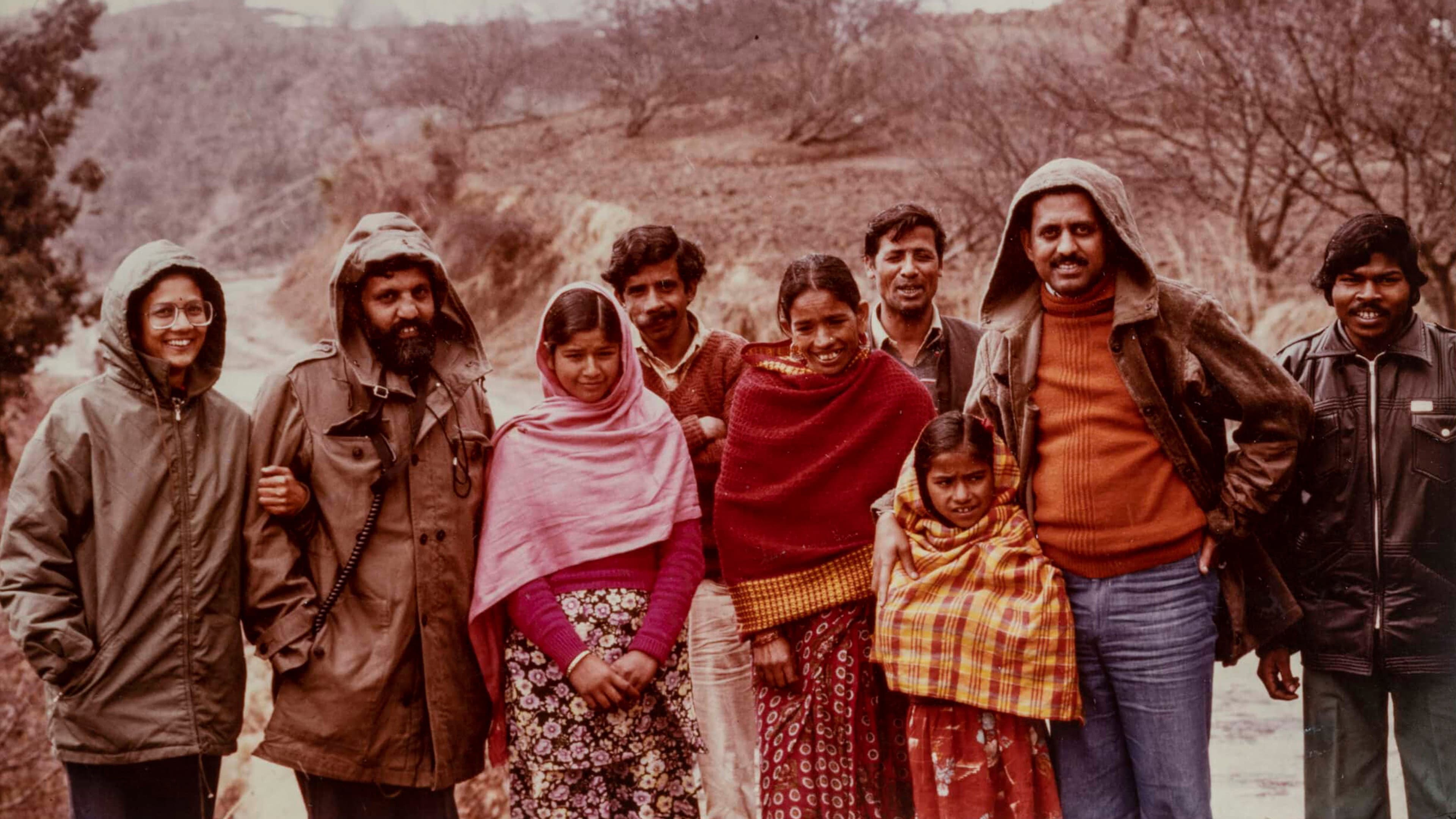
Yugantar’s directorial hand is deft, almost invisible. There are no talking-head experts, no scrolling statistics. Instead, we get faces. Bina, Narender, Bhaga Devi, Gyani Devi, Saraswati, Shanti - these are not actors, and the film never pretends otherwise. They speak in halting sentences, sometimes laughing at their own memories, sometimes falling silent for so long you feel the weight of unspoken grief. Dhoom Singh Negi, the lone man given prominence, offers a counterpoint: a local who watched his own livelihood shift as the forests vanished, and who admits, with a shrug that holds a decade of regret, that the men were often too busy negotiating to notice what the women understood instantly.
The film’s title refers to Sudesha’s imprisonment, a consequence of her protest that the documentary treats not as martyrdom but as an inconvenient, necessary cost. The prison scenes are not reconstructed. They are described, and the descriptions sting more than any reenactment could. Sudesha speaks of the cell’s cold, the food that arrived with contempt, and the strange freedom she felt knowing that outside those walls, other women had picked up the chant. The movie never names the "Chipkow Movement" for the sake of education - it assumes you know. Instead, it focuses on the texture of resistance: tired feet, chapped hands, the smell of resin on skin.
At 35 minutes, Sudesha is almost brutally brief. It has no time for flabbiness, no appetite for cinematic filler. Every frame feels earned. The editing, particularly in the middle section, intercuts shots of a regenerating hillside with close-ups of the women’s faces, creating an unspoken dialogue between what was lost and what stubbornly returns. The sound design deserves note: the absence of background score during key protest sequences forces you to listen to the wind, the muttered slogans, the crack of a branch - and then, later, the wet thud of an axe that never lands.
There are no box-office heroics to report here. Sudesha is not a tentpole release; it is a documentary made with evident love and limited means. Its TMDb rating sits at a blank 0/10, which feels almost fitting for a film that resists the economy of stars and rankings. It asks you instead to consider what a successful film means when the people on screen are still living with the aftermath of the event they survived.
What Yugantar has achieved is something rarer than entertainment: a testament. Sudesha does not romanticize the village or its women. It shows them bargaining, hesitating, and sometimes fearing the forest as much as they love it. But it also shows them winning a battle that no one in power believed was worth fighting. The final shot - Sudesha Devi standing at the edge of a replanted slope, her hand resting on a sapling barely taller than her knee - does not resolve into triumph. It simply holds. The forest will take decades. The film gives you just enough time to understand why those decades matter.
For Hindi Movie Buzz readers who dismissed documentaries as academic homework, Sudesha is a corrective. It is urgent, human, and devastatingly quiet. Watch it not because it is important. Watch it because the trees are still listening.