
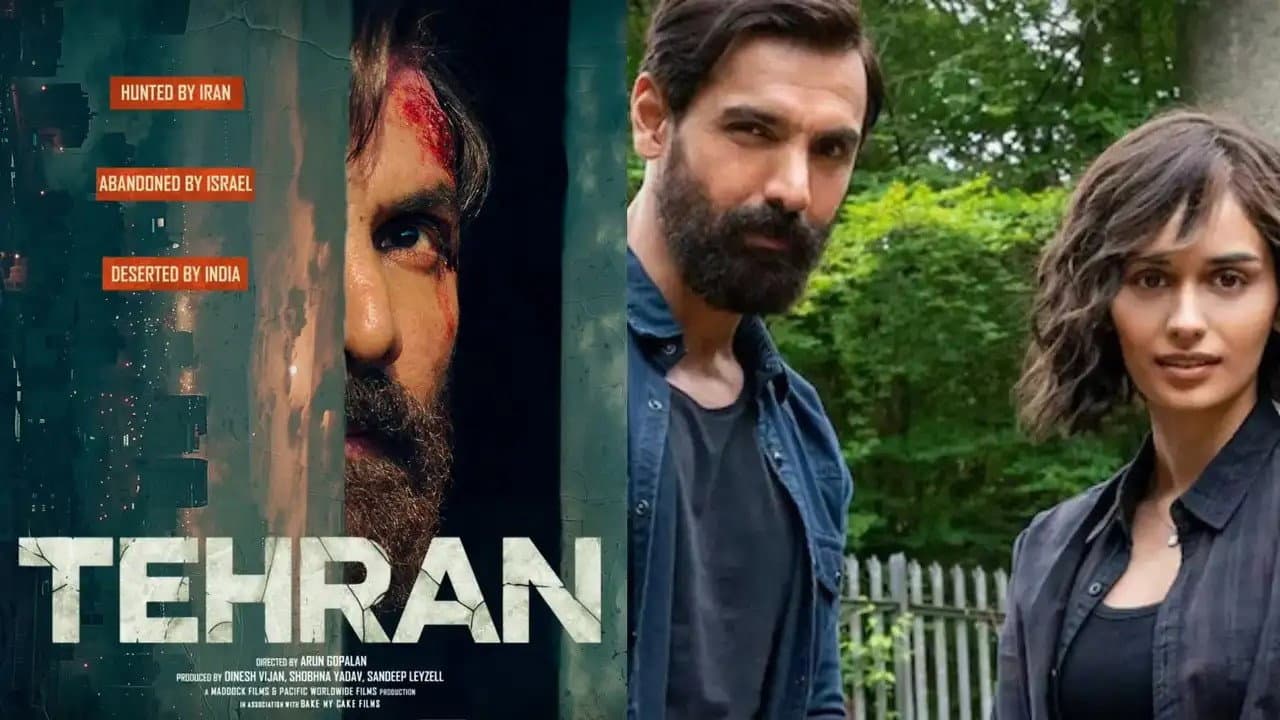
The morning of February 13, 2012, was supposed to be just another Monday in New Delhi. Instead, it became the opening scene of one of the most audacious real-life whodunits in recent memory, and now, it is the foundation for a new action thriller that refuses to take the easy way out. Tehran, starring John Abraham as ACP Rajeev Kumar, arrives on screens with the weight of a conspiracy that the public barely understood at the time. The film doesn’t just replay the headlines; it digs underneath them.
From the moment the magnetic bomb rips through an Israeli embassy vehicle in the heart of the capital, Tehran establishes its tone: urgent, gritty, and unsettlingly plausible. We are not given a hero who knows the answers. ACP Rajeev Kumar walks into a crime scene that reeks of geopolitical powder keg - a modus operandi that screams Iranian intelligence to the suits upstairs, but Kumar isn't convinced. The official narrative is a comfortable one, and comfort is exactly what a man like him distrusts.
Director Arun Gopalan, known for his observant craft, makes a striking pivot into high-stakes action here. What’s refreshing is how he handles the film’s central tension. This is not a jingoistic flag-waver. Instead, Tehran operates in the gray zone of diplomacy, where a single wrong assumption can spark an international incident. Ruby, the fictional cloak over the real investigation, allows Kumar - and by extension, the audience - to question the convenient truths fed to the public. The film suggests that the truth wasn't just hidden; it was actively buried under a mountain of political cowardice.
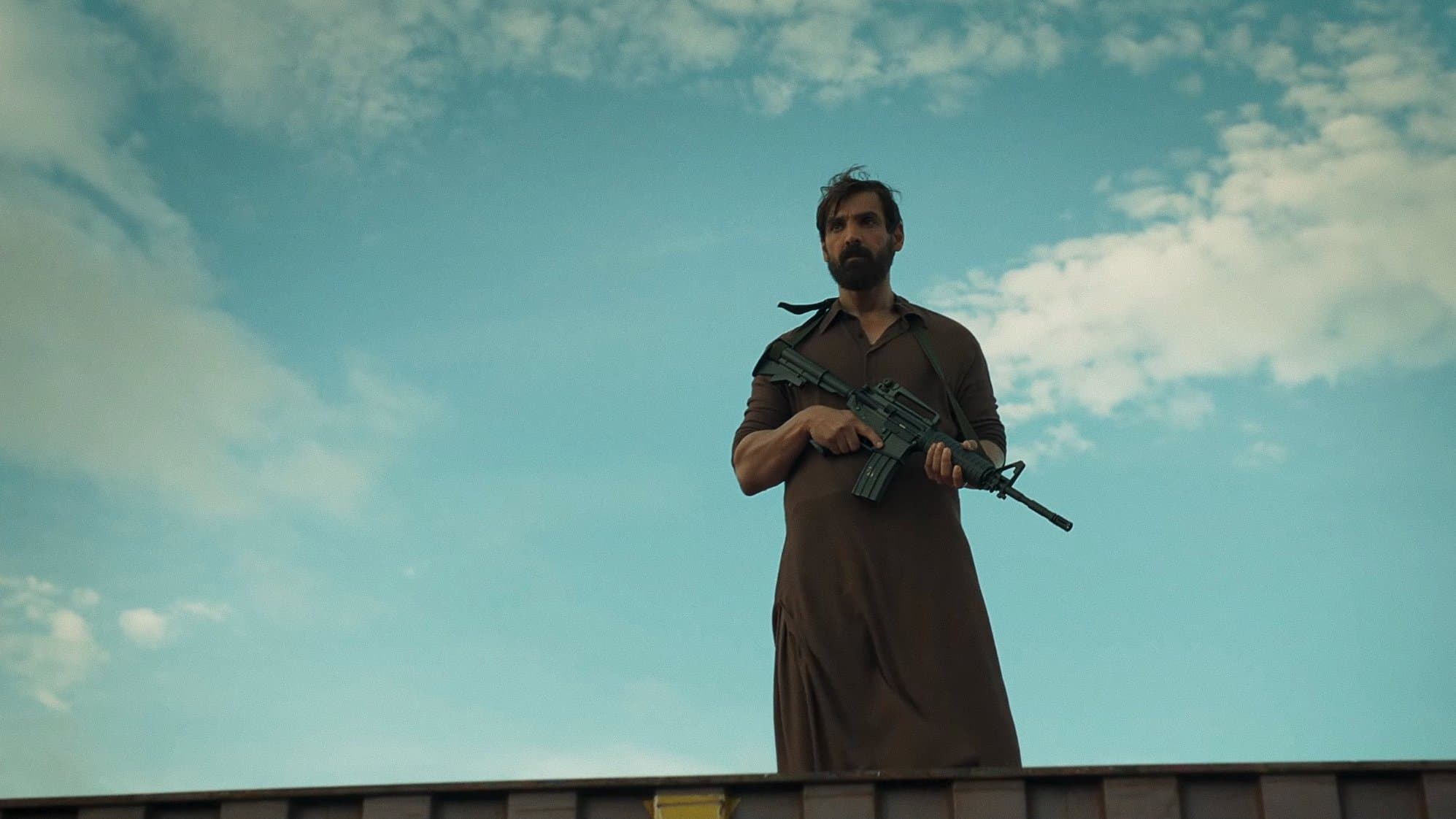
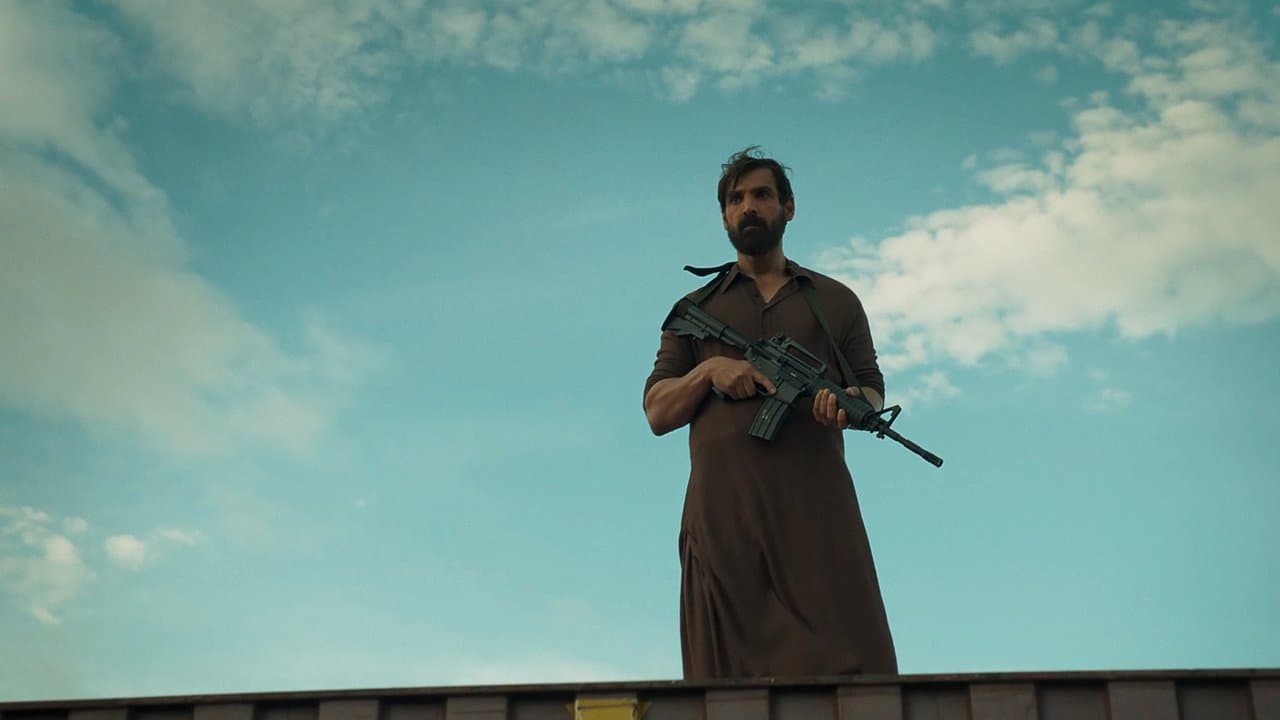
John Abraham, in a career-best restrained mode, is a coiled spring throughout. His Kumar is not the brawling superhero of his earlier films; he’s a tired, methodical cop who keeps his rage in check behind tired eyes. His journey is not just physical - he crosses borders and faces formidable adversaries like Afshar Hosseini (played with chilling grace by Hadi Khanjanpour) - but psychological. He’s a man running out of allies, carrying the suspicion that the institution he serves might be part of the problem.
The support cast elevates the material considerably. Manushi Chhillar, as SI Divya Rana, is no damsel-in-distress; she’s the sharp-eyed rookie who asks the questions that the veterans are too jaded to voice. Neeru Bajwa, as Sheilaja, brings a quiet, enigmatic weight to the proceedings - her presence complicates Kumar’s mission in ways that are telegraphed early but land with resonance later. Dinker Sharma’s SI Vijay Solanki provides the weary realism of a foot soldier just trying to survive the week. Even in smaller roles, Madhurima Tuli and Alyy Khan add texture, ensuring that every character feels like a player in a larger, grimmer game rather than a disposable plot device.
What sets Tehran apart from the typical popcorn espionage fare is its patience. The 116-minute runtime is lean, but Gopalan lets the tension simmer. He understands that the real thriller in this story is bureaucratic warfare: the pressure from above to close the case quickly, the whispers of an Iranian connection that could lead to diplomatic sanctions, and Kumar’s stubborn insistence on asking what the attackers hoped to trigger, not just what they destroyed. The action sequences, when they arrive, are brutal rather than balletic. A mid-film chase through crowded bazaars feels authentic, chaotic, and terrifying because it relies on spatial awareness rather than CGI shrapnel.
There are moments when the screenplay leans a little too heavily on exposition, particularly when clarifying the geopolitical stakes for a mainstream Hindi audience. But the film earns its complexity back in the final act, where the irony of the title becomes clear. The city of Tehran is not the destination; it is the consequence. The investigation reveals a web of false flags and mercenary motives that implicate far more than a single rogue Iranian cell.
Naturally, the film has had its share of detractors. The TMDb rating of 6.1 reflects a certain discomfort - some viewers wanted a more definitive, explosive payoff, a clear villain to boo at. Instead, Tehran offers ambiguity. It suggests that the real bomb, the one that detonates in the intelligence community, never doesn't go off - it just changes shape. That is a hard sell for an audience raised on closure.
And yet, for those willing to lean into the unease, Tehran is a bold, mature swing. It asks a dangerous question: What happens when a cop’s duty to the public collides with his nation’s dirty secrets? Kumar’s journey - perilous, lonely, morally messy - is the answer. The film refuses to give him a hero’s funeral or a triumphant march. It gives him a chance to do one last thing right, which, in a world of planted bombs and half-truths, is the rarest victory of all. For Hindi cinema, it’s a welcome step forward into the shadowy corridors of real geopolitics. It just might make you rethink the news you watched on TV that day, more than a decade ago.