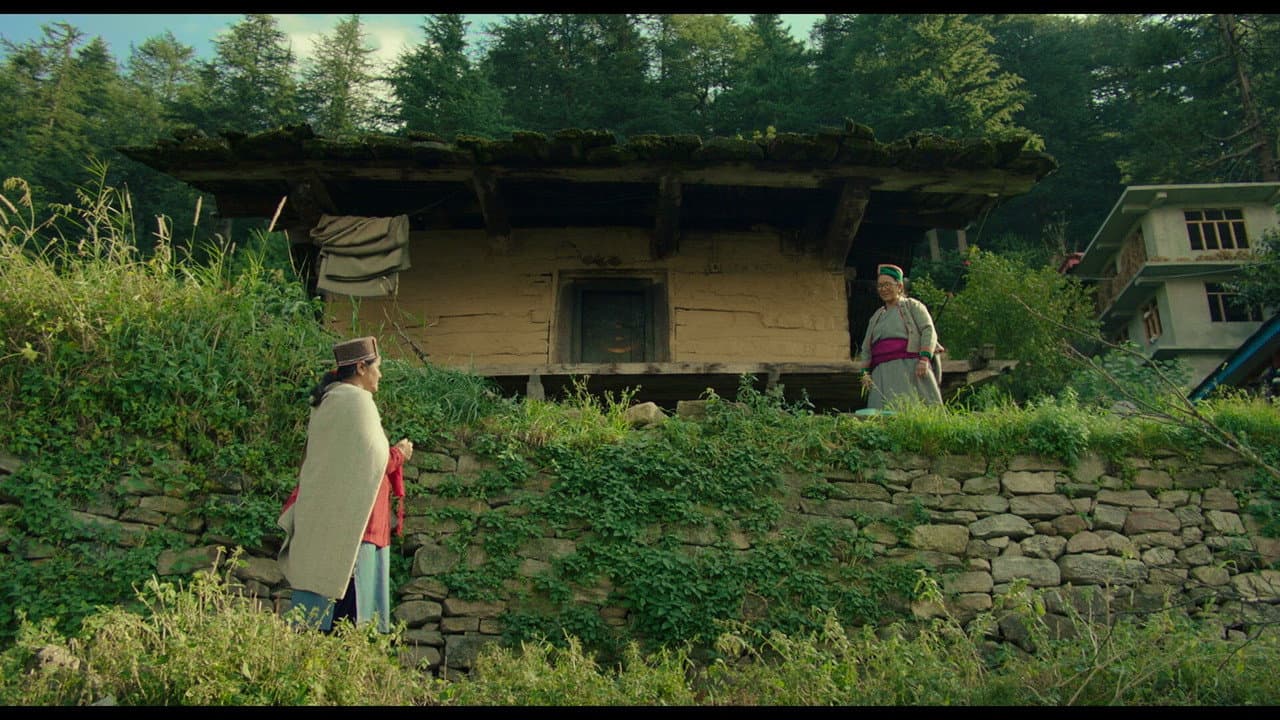
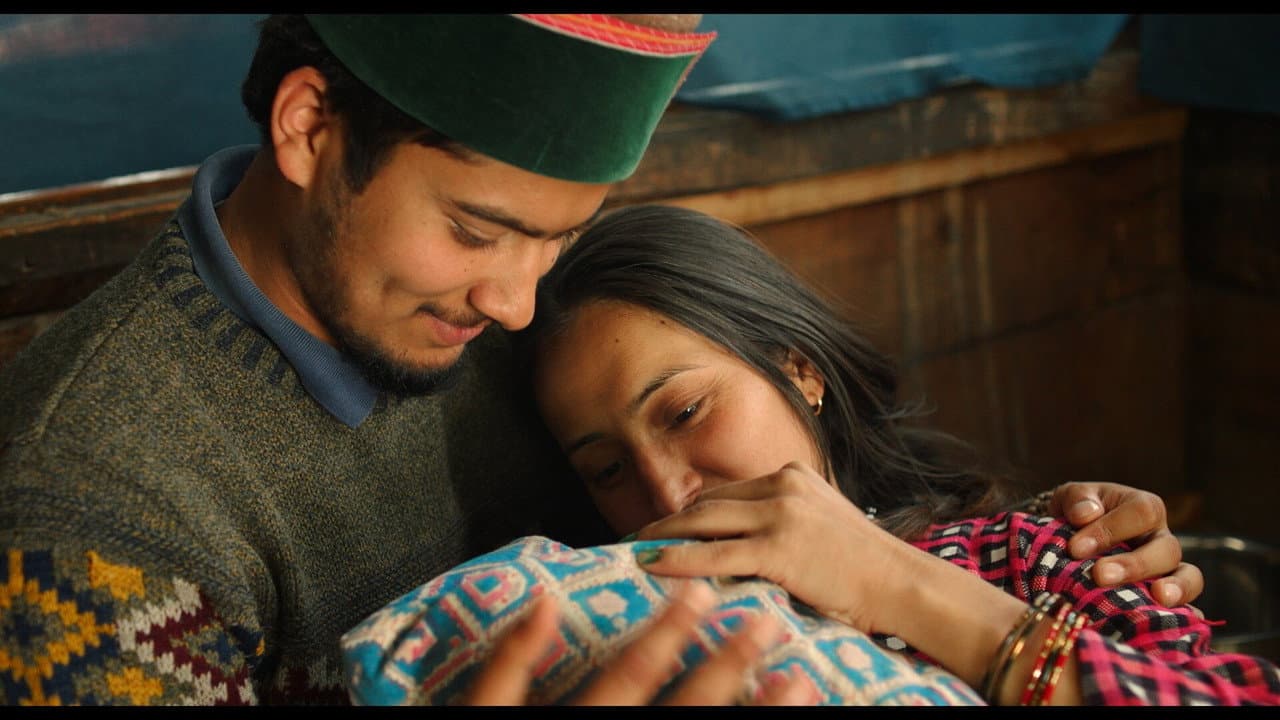
Something unusual is stirring in the Himalayan mist this October. "Tenfa," a twenty-nine-minute Hindi drama from first-time feature director Nihaarika Negi, arrives in theaters on October 29, 2026, carrying with it the quiet weight of a story that feels both intimate and impossibly vast. It is the kind of film that rarely gets made in an industry obsessed with scale - a chamber piece set against mountains, a medical crisis folded into a meditation on language, memory, and what we lose when the rivers are dammed.
Release Date & Where to Watch
"Tenfa" opens in Indian cinemas on October 29, 2026, just in time for the post-Dussehra theatrical window. With a runtime of only twenty-nine minutes, it occupies an unusual space in the Hindi film market - longer than a short, shorter than a conventional feature, and clearly designed for the festival-to-theater pipeline rather than the multiplex grind. Distributors have not yet announced a streaming partner, so for now, the big screen is the only way to see it. Given the film's visual ambitions - all those scarred valleys and hydropower-scarred riverscapes - that feels deliberate. This is a movie built to be sat with in the dark, not skimmed on a phone during a commute.
Cast & Crew
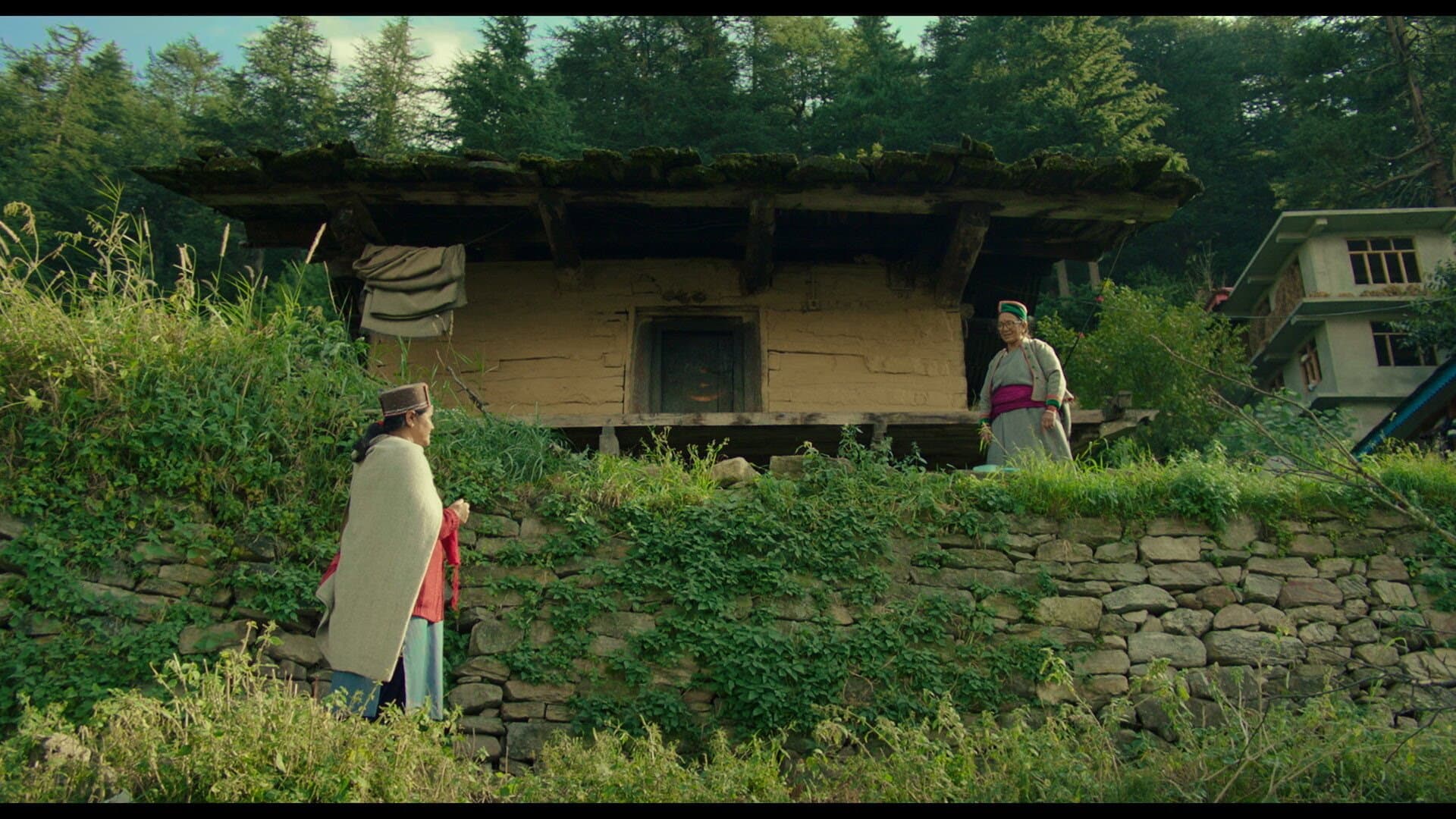
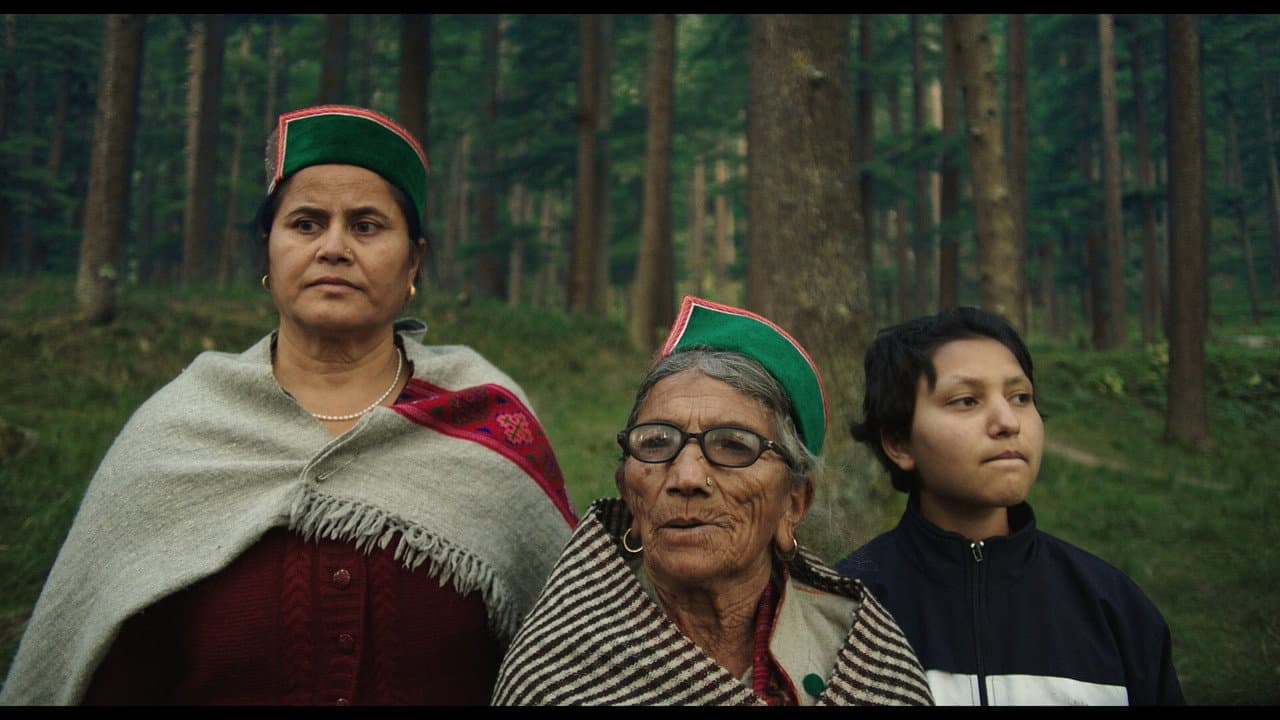
The cast remains officially unannounced, which is itself a statement of intent. Negi has assembled what appears to be a non-star ensemble - reportedly drawn partly from local communities in the Kinnaur region - rather than padding the film with recognizable faces. For a story about an elderly grandmother, a midwife, and a teenage girl navigating terrain that maps rarely capture accurately, that choice makes sense. Familiarity would break the spell.
Negi directs from her own screenplay, and "Tenfa" marks her arrival as a filmmaker willing to work at the edges of what Hindi cinema typically permits. There is no composer or cinematographer credit circulating yet either, though the film's premise leans heavily on sound - an old Kinnauri folksong functions as a narrative device, a compass for the three women at its center. Whoever shaped that audio landscape did so with intention. The film is a Bollywood production in the literal industry sense, but spiritually it belongs to the documentary-adjacent, location-rooted tradition that has been quietly strengthening in Indian independent cinema for years.
Story & What to Expect
The plot is deceptively simple. In the remote village of Kandar, high in the Himalayas, a midwife confronts a childbirth gone dangerously wrong. There is no hospital, no surgeon, no helicopter. There is only a wild herb - one that, according to local knowledge, can pull a mother back from the edge. The catch: almost nobody left alive can identify it. The one person who can is an elderly grandmother, and she does not travel alone. Her teenage granddaughter comes with her, and so does the midwife, and together the three women set out across a landscape that has been hollowed out by hydropower projects - rivers rerouted, valleys flooded, paths erased.
What follows, by the sound of it, is less a race against time than a slow unraveling of what has already been lost. The herb is the objective; the journey is the point. As the women search, the film examines how ecological damage and cultural forgetting move in lockstep. When a Kinnauri folksong becomes their guide, "Tenfa" positions tradition and technology not as opposites but as converging forces - the song reviving a fading language, the landscape reviving a kinship between people and earth that modernization has spent decades severing. Expect long takes, natural light, and dialogue that carries the weight of translation. Expect a film that treats a twenty-nine-minute runtime as a vessel rather than a limitation.
Why It's Worth Watching
First, because this is a Hindi film about the Himalayas made by someone who seems to understand that the mountains are not a backdrop but a character. Second, because the film's central preoccupation - the erosion of both ecology and memory - lands differently in 2026 than it might have a decade ago. Hydropower projects across Himachal and Uttarakhand have displaced communities and altered river systems for years; "Tenfa" folds that ongoing reality into a story about childbirth, which is to say a story about the future. Third, because the film refuses easy resolution. The herb may or may not be found. The language may or may not survive. What the film appears to promise instead is the act of searching itself as a form of preservation.
And then there is the matter of form. A twenty-nine-minute Hindi drama releasing theatrically is a gamble, and gambles are worth supporting when they are this specific. Negi is not chasing trends. She is chasing a folksong through a valley that is disappearing, and she has convinced a industry to let her do it. That alone earns "Tenfa" a ticket. Whether it sticks the landing is something audiences will discover on October 29.